First Date Turns into Police Standoff as Woman Attempts to Stick New Suitor with $350 Restaurant Tab

A routine evening at a Cheesecake Factory establishment devolved into a chaotic legal standoff after a woman attempted to saddle a man she had known for merely two days with an exorbitant dining tab racked up by herself and her absent acquaintances. The confrontation, captured on law enforcement body-worn cameras, concluded with tense negotiations, a stern reprimand from officers, and a piece of unambiguous dating advice for the stunned suitor.
The incident began to unravel when management alerted local police to a table refusing to settle an outstanding balance amounting to roughly $350. Officers arrived to find restaurant staff dealing with an increasingly belligerent customer and a bewildered companion seated beside her. A restaurant manager informed the responding patrolmen that a group of women had spent the evening consuming expensive drinks and full entrees before slipping out of the building. The bill remained entirely unpaid, and while the young man sitting at the table reportedly possessed ample personal funds to cover the amount, he flatly refused to finance a lavish dinner he neither authorized nor participated in consuming.
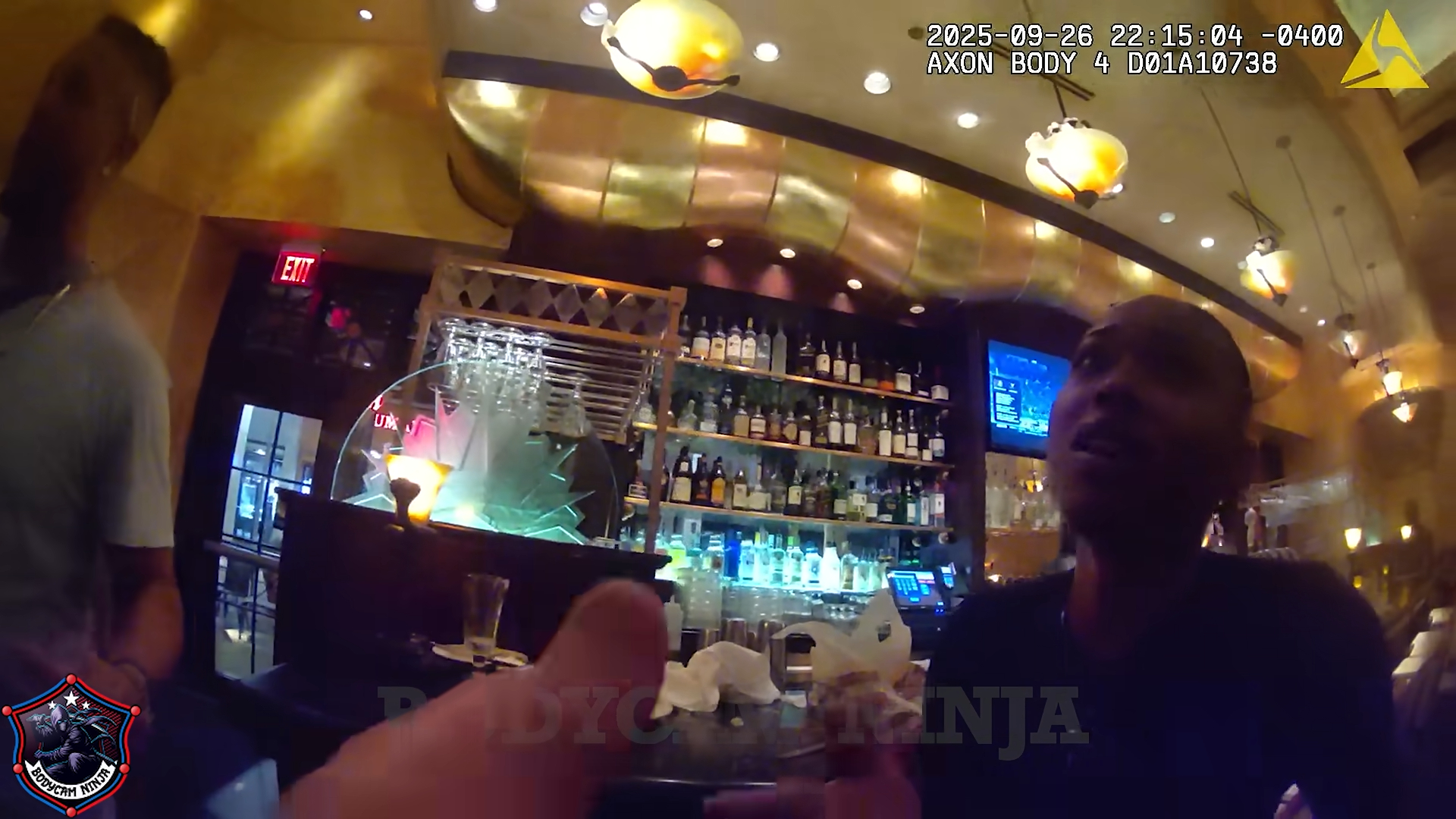
Confronted by law enforcement, the young man stood his ground with resolute composure. He explained to officers that he had arrived only recently after receiving an invitation to meet the woman for what was intended to be an early-stage date. Upon entering the restaurant, he discovered that two of the woman’s high school acquaintances had already consumed substantial portions of food and alcoholic beverages. To compound matters, the acquaintances allegedly treated him with open condescension and disrespect throughout their brief interaction before swiftly leaving the premises, leaving behind a mountainous tab.
The man clarified that while he possessed the financial means, he had zero obligation or intention to act as a financial safety net for strangers who had insulted him and fled. When the manager indicated a desire to press formal criminal charges for theft of services if the bill was not settled, the tension shifted entirely onto the woman holding the unpaid ticket.
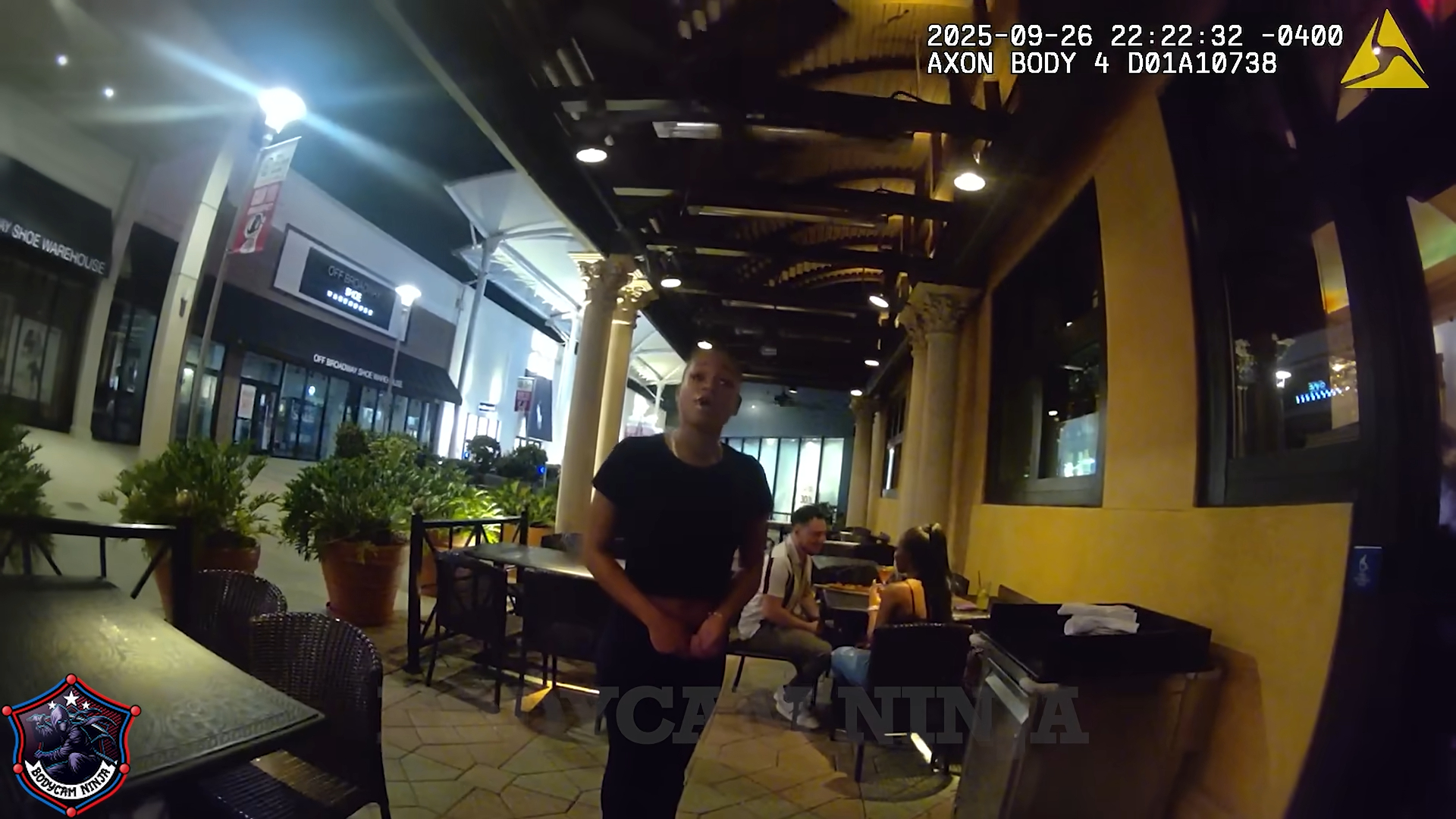
Faced with the immediate prospect of arrest and transport to the county jail, the woman’s demeanor oscillated rapidly between theatrical denial and frantic scrambling. As officers firmly instructed her that failing to settle an active restaurant bill would result in misdemeanor theft charges, she began hurling a flurry of justifications. She adamantly asserted that she was financially solvent, claiming to work as a professional office manager at a local funeral home and declaring that she possessed hundreds of dollars in her personal accounts.
Yet, despite her repeated proclamations of wealth, she presented an immediate logistical hurdle: her mobile phone had completely drained its battery. Claiming she had handed her dead device to the bartender earlier in the evening, she argued that she was unable to access any digital banking applications or electronic transfer services without an immediate power source.
The dining room descended into an uncomfortable display as the woman alternated between projecting blame onto her former high school classmates for their bad manners, scolding the restaurant staff, and pleading with workers and officers to find an operational charging cable. She repeatedly pleaded for more time, insisting that a dead phone was the sole obstacle separating her from compliance. Officers, however, remained unmoved by the dramatic theatrics, cautioning her that stalling tactics would not shield her from custodial detention if the merchant was left with unpaid merchandise.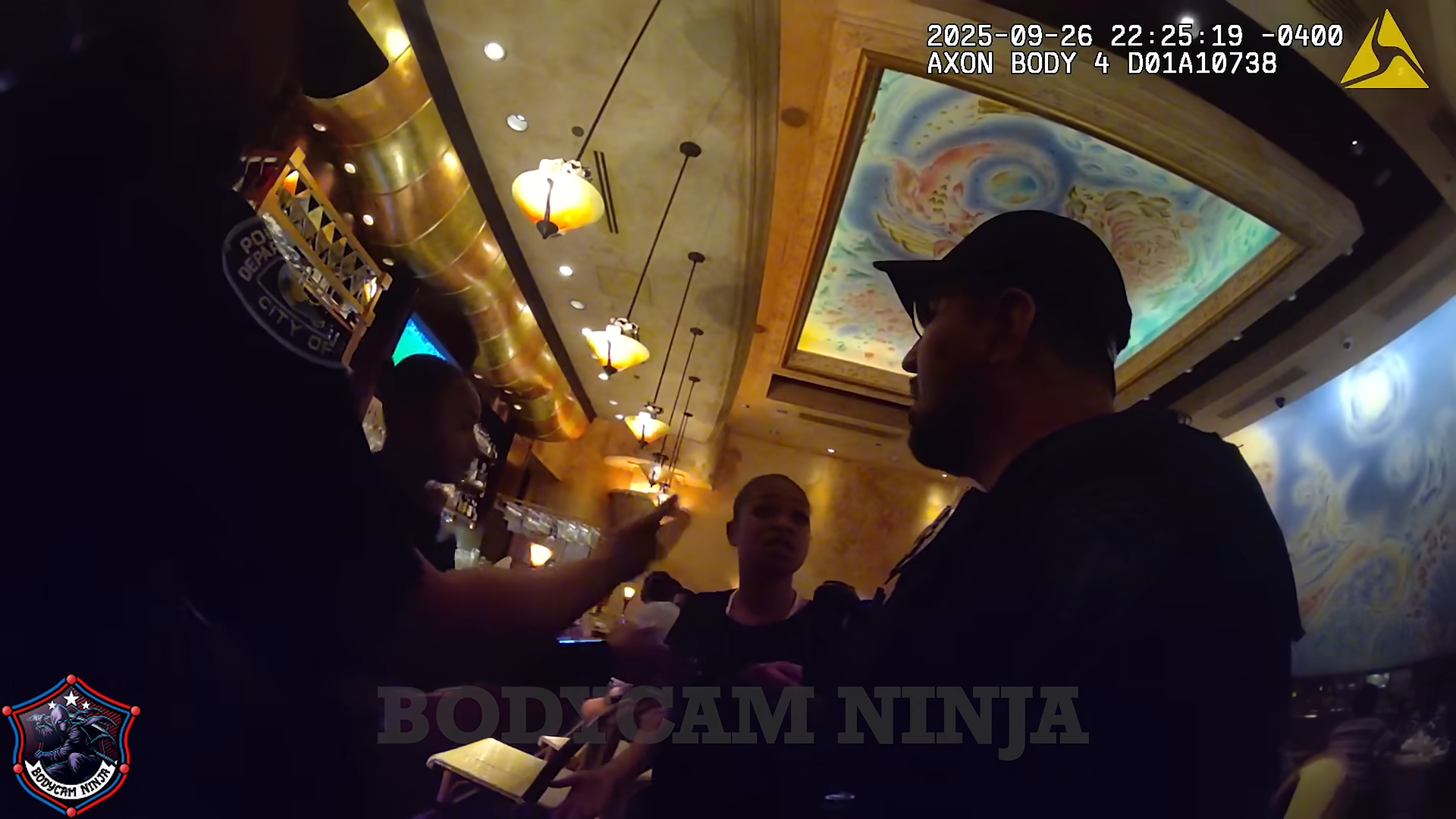
Amid the mounting commotion, responding officers quickly deduced the dynamic at play. Observing the young man’s visible regret and realizing the predatory setup he had inadvertently stepped into, one of the patrolmen pulled him aside to offer candid perspective. Recognizing that the man had been summoned under the pretext of romance solely to serve as an unwitting benefactor for an expensive group outing, the officer validated his decision to withhold payment.
The officer pointed out that the woman had calculatedly lured him to the venue knowing full well that her companions were already finished eating and drinking. Emphasizing the glaring warning signs, the officer offered blunt, pragmatic counsel that resonated far beyond standard police procedure: once the night concluded and the dust settled, the young man’s single best move was to turn around, walk away, and run as far from the woman as possible. The suitor quietly nodded in agreement, absorbing the costly near-miss as a lesson in modern dating hazards.
Recognizing that the suitor was not legally culpable for items consumed prior to his arrival, police permitted him to exit the establishment unencumbered. The woman was left to face the consequences alone, scrambling to bring her device to life and negotiate payment options with management while under the watchful eye of armed deputies.

The bodycam footage of the ordeal quickly drew widespread attention upon its public release, serving as a cautionary tale of etiquette, accountability, and the perils of manipulative behavior in contemporary courtship. What was orchestrated as an opportunistic free meal ultimately concluded with public humiliation, potential criminal liability, and a stark reminder that hospitality venues—and the legal system—have little patience for guests attempting to dine and dash behind theatrical excuses.