A Letter from Nebraska Changed Everything: The Quiet Moment Johnny Carson Transformed 23 Young Lives
It didn’t happen on a stage. There was no spotlight, no audience laughter, no cameras rolling.
Instead, it began with a letter—simple, personal, and written far from the bright lights that had made Johnny Carson one of the most recognizable faces in America.
For the man known as the king of late-night television, this moment would never be part of his monologues or interviews. Yet for 23 young people, it would become one of the most important turning points in their lives.
The story traces back to Carson’s roots in Nebraska, long before his name became synonymous with The Tonight Show. Despite decades of fame and success, he never fully disconnected from the place where he grew up. It was a connection that would quietly shape one of the most meaningful acts of his life.
At the time, a group of 23 students found themselves facing an uncertain future.
They were young, full of potential, but weighed down by circumstances that made higher education seem almost impossible. Financial limitations, lack of opportunity, and the absence of support created barriers that felt too large to overcome.
For many of them, dreams of college were already slipping away.
That’s when someone reached out.
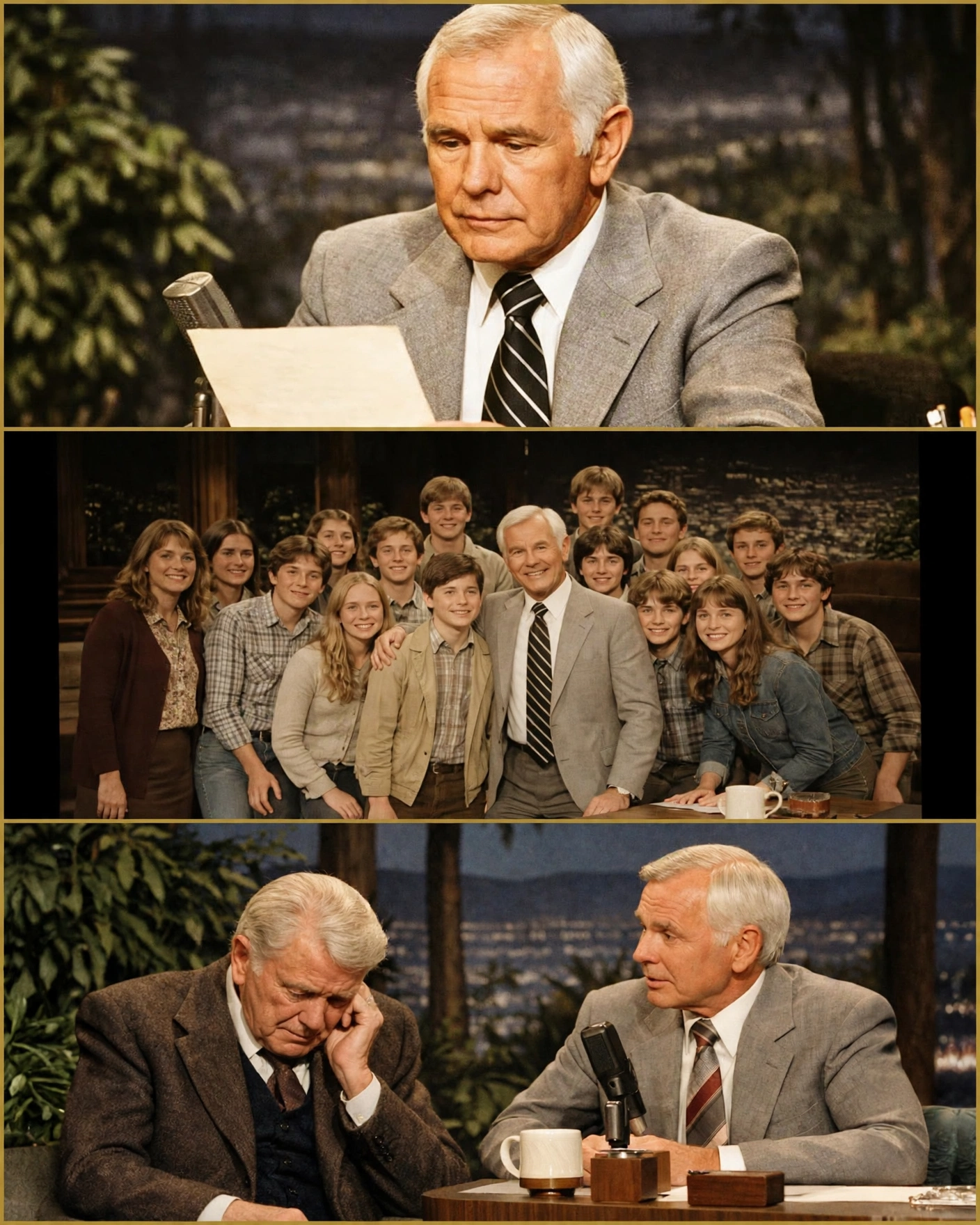
The details of how the message reached Carson were simple, but the impact was anything but. A letter from Nebraska described the situation of these students—bright, capable individuals who needed a chance but had no clear path forward.
Carson read it.
And instead of setting it aside, he decided to act.
There was no announcement, no press release, no public statement. In fact, what followed remained largely unknown to the public for years. Carson chose to respond in the quietest way possible—by stepping in personally to help change the outcome.
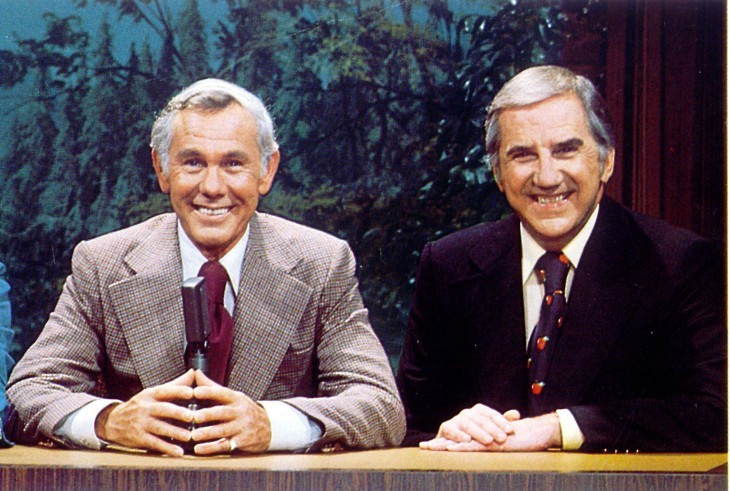
He made it possible for all 23 students to attend college.
For each of them, the opportunity meant more than education. It meant a future that had once seemed out of reach was suddenly within grasp. It meant doors opening where there had only been walls.
It meant hope.
The transformation was immediate, but its true impact unfolded over time.
Those 23 students went on to build lives shaped by that opportunity. Some pursued careers that would have been unimaginable without higher education. Others became leaders in their communities, carrying forward the chance they had been given.
In many ways, Carson’s decision created a ripple effect—one that extended far beyond a single group of students.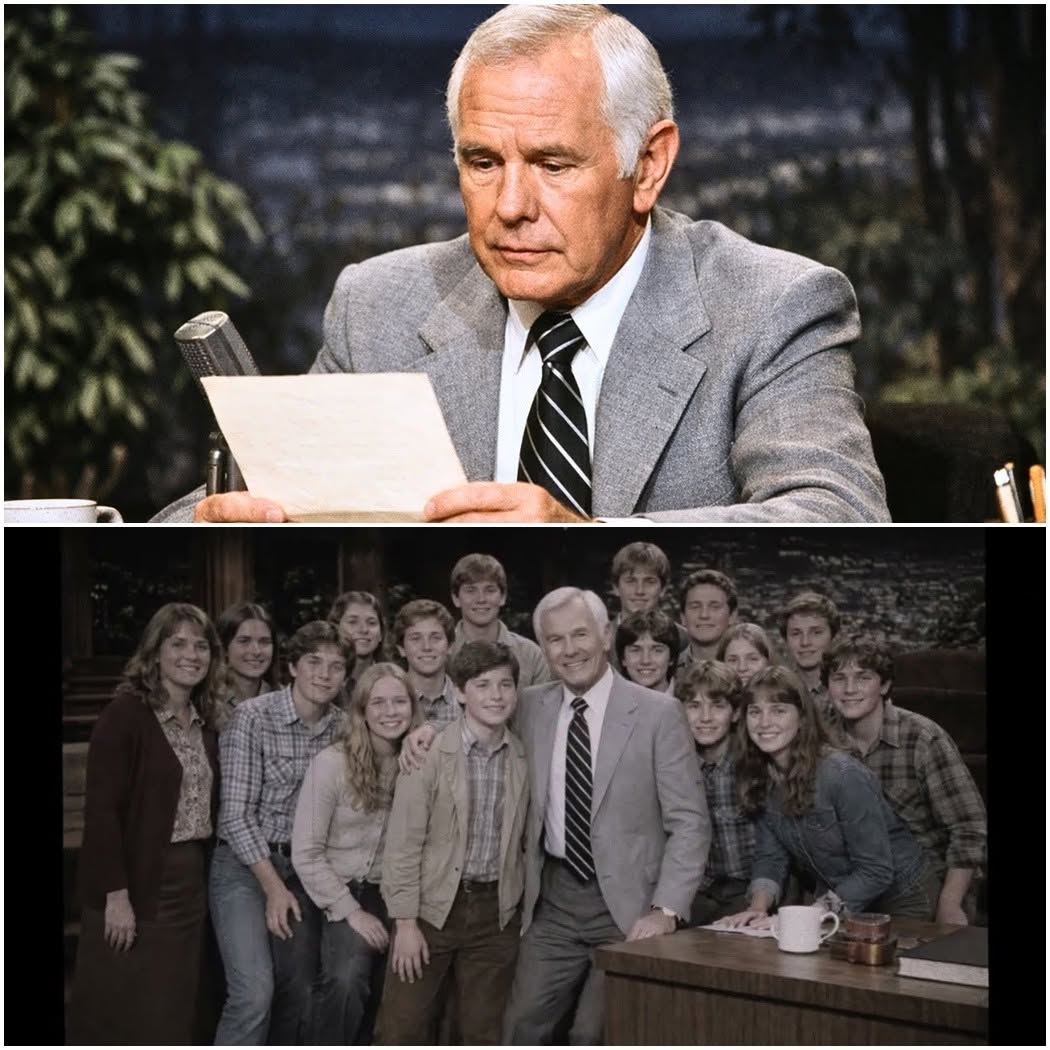
Families were changed.
Communities were strengthened.
Generations were influenced by a moment that almost no one saw.
What makes the story remarkable is not just the outcome, but the way it happened.
Carson never used the moment to enhance his public image. At the height of his fame, when millions watched him every night, he chose not to share this act of generosity with his audience.
He didn’t turn it into a segment.
He didn’t mention it in interviews.
He simply did it—and moved on.
That quiet approach reflects something deeper about the man behind the television persona.
On screen, Johnny Carson was witty, composed, and effortlessly entertaining. He controlled the rhythm of late-night television for decades, shaping how audiences experienced humor, celebrity, and conversation.
But off screen, moments like this revealed a different side—one defined not by applause, but by action.
His decision to help those students came from a place that had nothing to do with fame.
It came from remembering where he started.
Carson understood what it meant to grow up far from opportunity. He knew the distance between talent and access—and how easily potential can be lost without support.
For those 23 students, he became the bridge between those two realities.
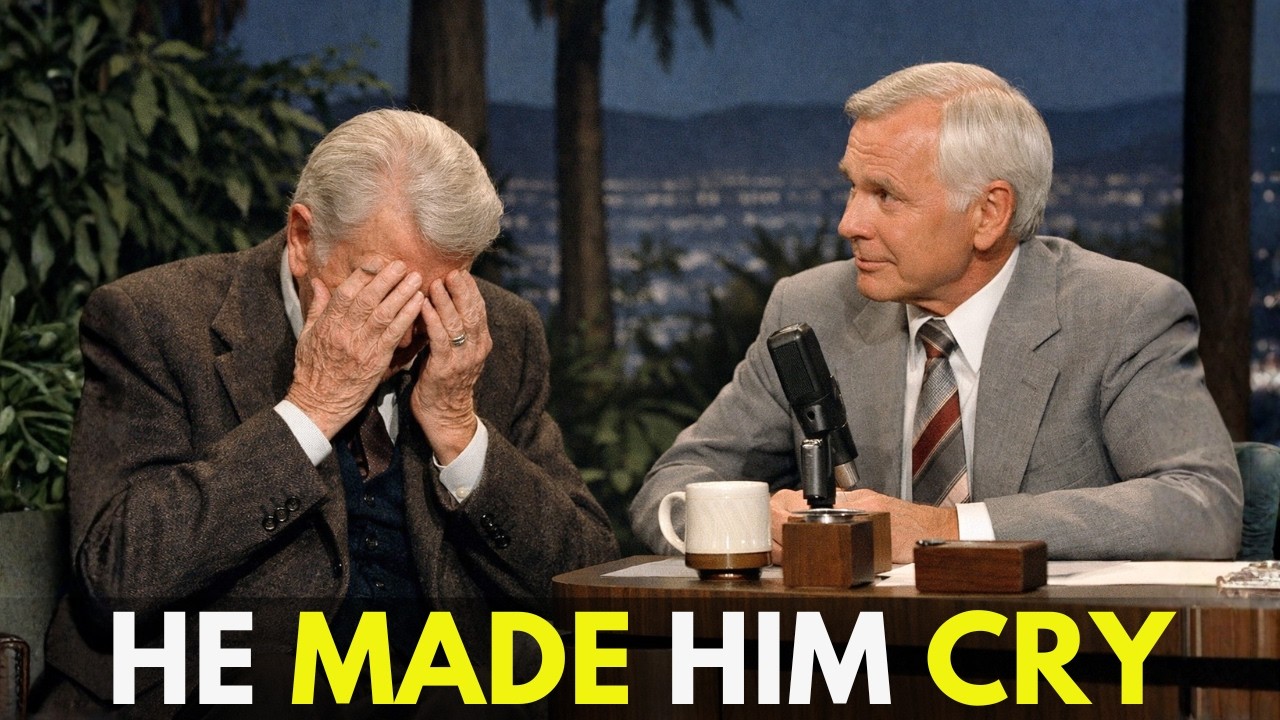
The deeper significance of the story lies in what it says about influence.
Public figures often shape culture through what they say and do in front of audiences. But sometimes, their greatest impact happens in moments no one sees—choices made without expectation of recognition.
Carson’s act stands as a powerful example of that idea.
It raises a simple but meaningful question: What happens when someone with the ability to help chooses to act quietly, without seeking attention?
In this case, the answer is clear.
Lives change.
Not temporarily, but permanently.
The students who received that opportunity carried it forward in ways that could never be fully measured. Education opened doors, but it also created confidence, stability, and the ability to give back.
What began as a single decision became a lasting legacy.
Over time, stories like this have slowly emerged, offering a more complete picture of Carson’s life. While audiences remember him for his humor and presence on television, those who knew these quieter moments remember something else.
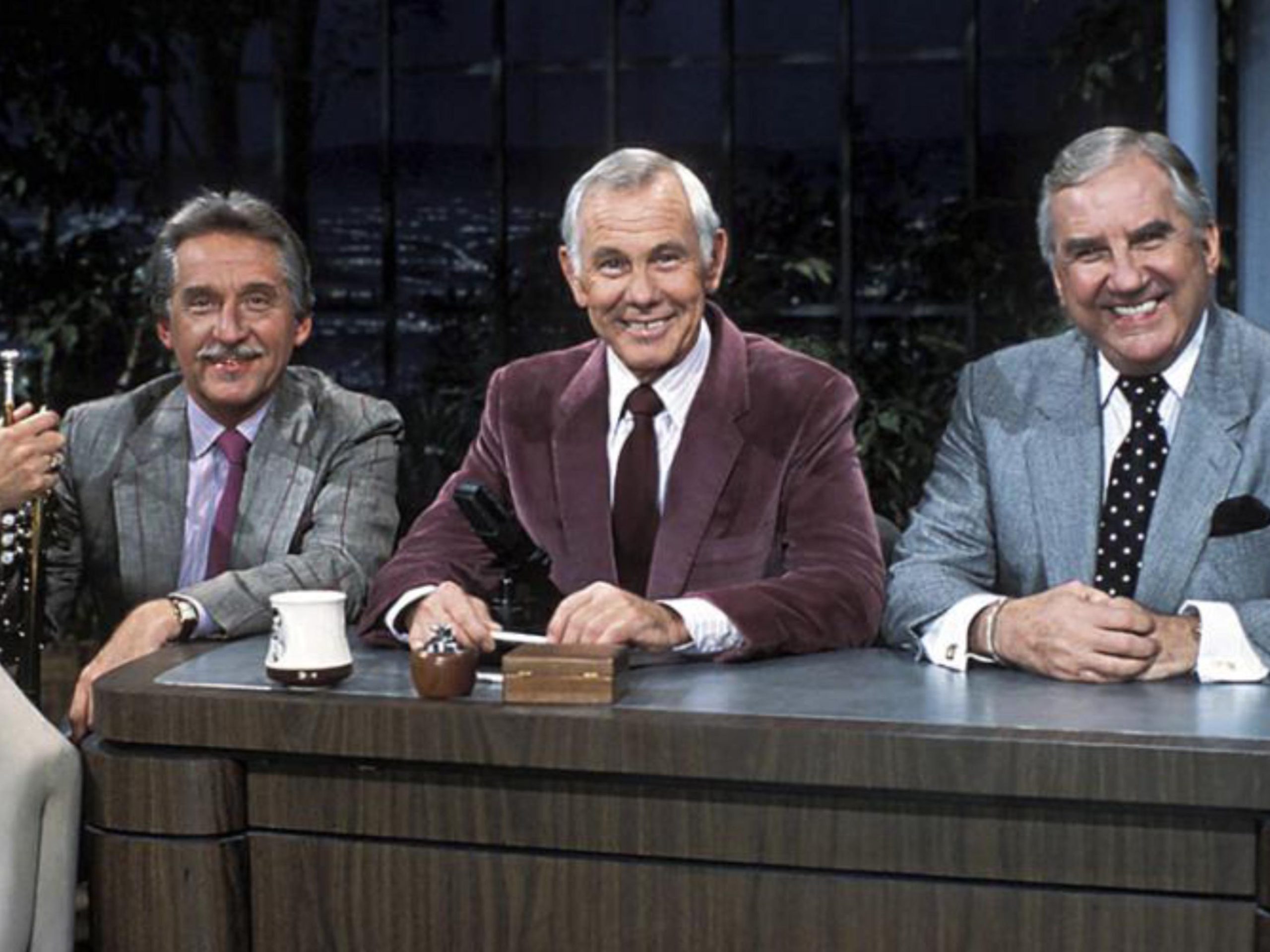
They remember generosity.
They remember a man who understood that success is not only about what you achieve, but what you enable others to become.
Today, long after his final broadcast, Johnny Carson’s influence continues to be felt—not just in the world of entertainment, but in the lives of people who were given a chance because he chose to help.
The letter from Nebraska may have seemed small at the time.
Just words on a page.
But for 23 young people standing at the edge of uncertainty, it became the beginning of something entirely new.
A future they could not have reached alone.
And a reminder that sometimes, the most powerful moments in a person’s life begin not with a spotlight—but with someone quietly deciding to care.