A Message Sealed in 1971 Was Found on a New Jersey Beach—53 Years Later, It Finally Reached Someone Who Could Answer
It was supposed to be just another quiet walk along the shoreline.
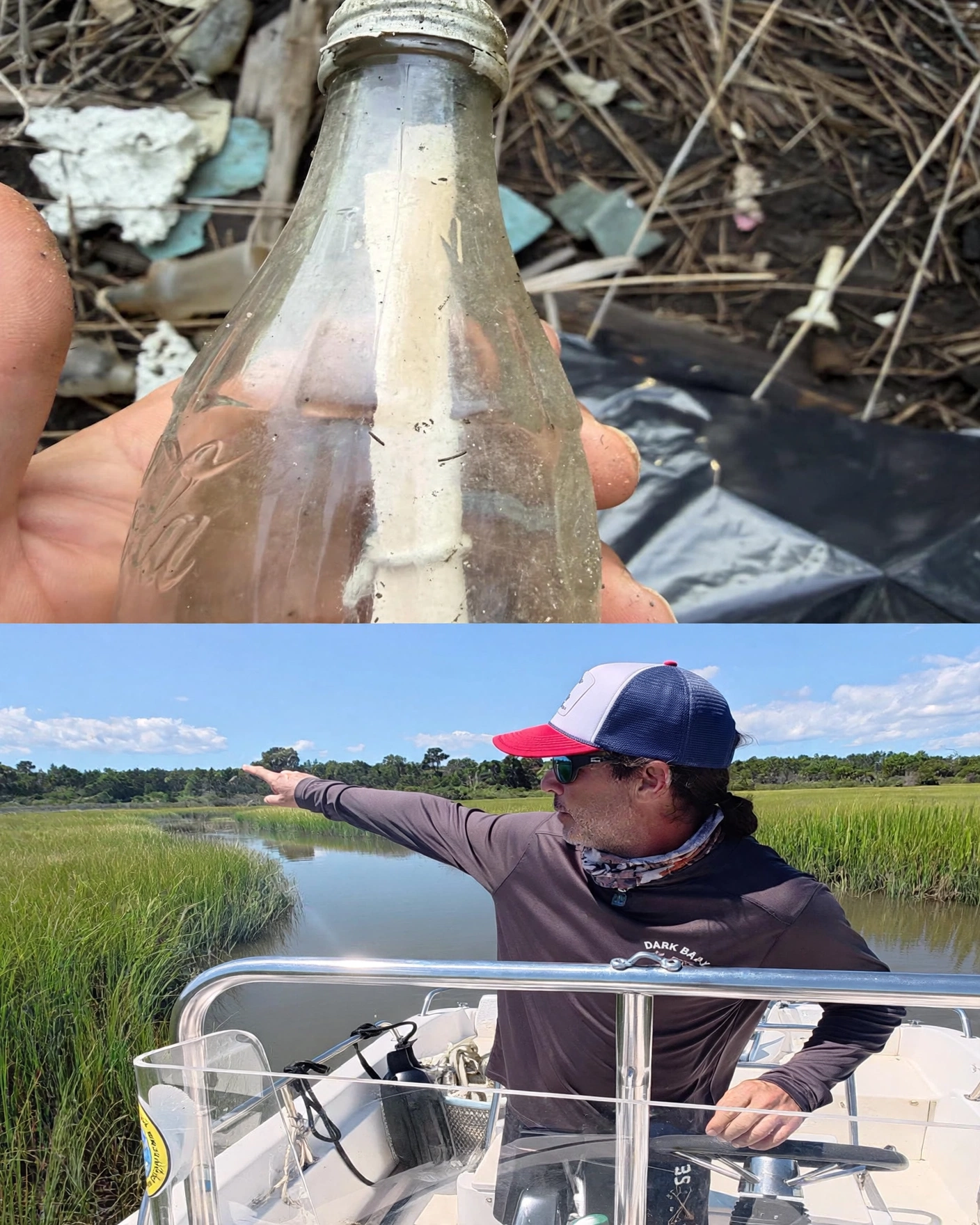
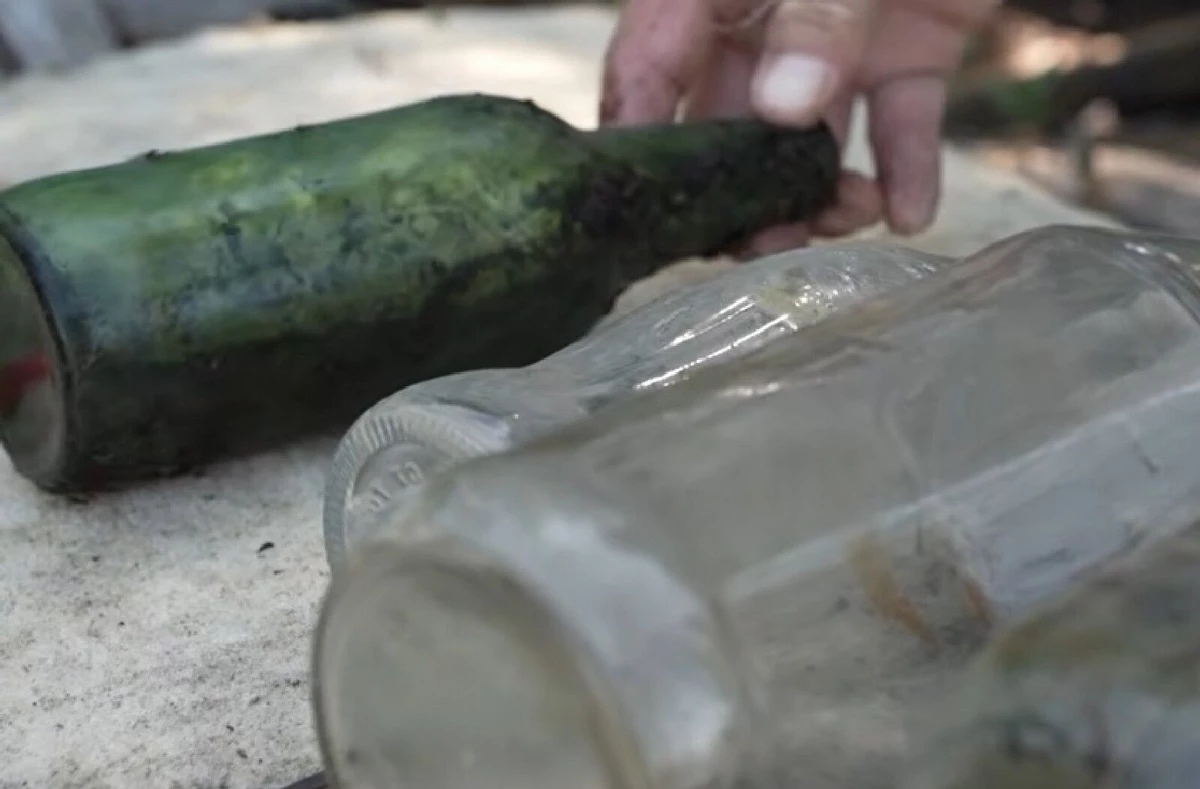
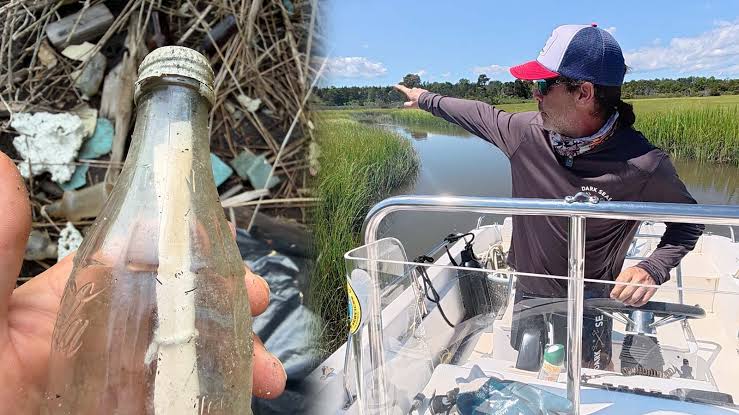
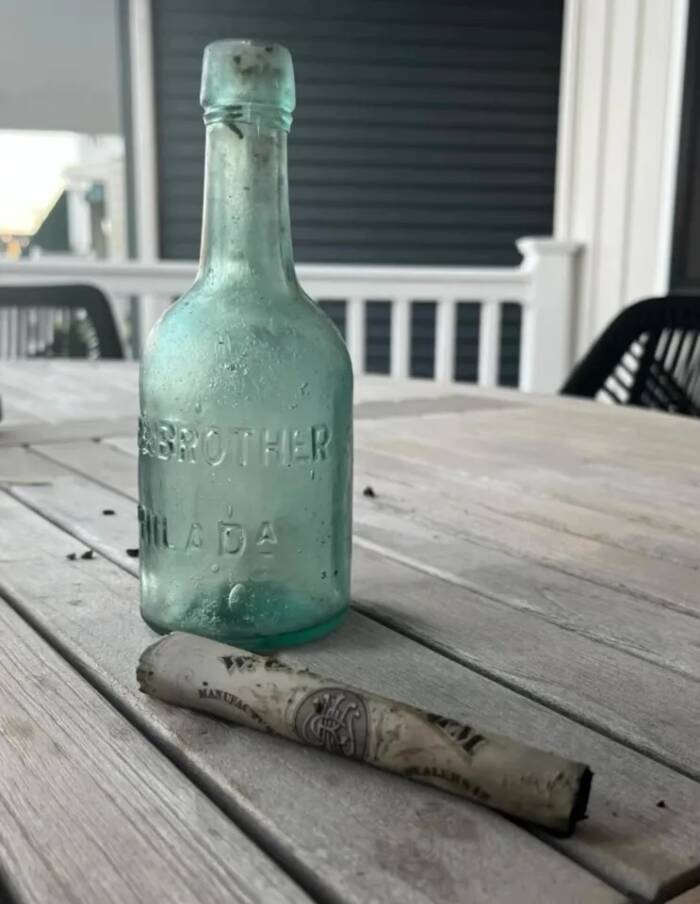
But as one New Jersey resident scanned the sand, something unusual caught their eye—a weathered glass bottle, half-buried and shaped by decades of wind and waves. Inside, barely visible through the cloudy glass, was a rolled-up piece of paper.
What seemed like a simple curiosity quickly turned into a story that had been drifting through time for more than half a century.
The bottle was discovered along a beach in Upper Township, New Jersey, where shifting tides regularly deliver shells, driftwood, and the occasional forgotten object. But this find was different. Carefully opening the bottle revealed a handwritten message that had been sealed away since 1971.
The note was not long, but its significance was immediate.
It had been written more than 50 years earlier, by someone who likely had no idea where it would end up—or who would eventually read it. The message included a name and contact information, offering just enough detail to suggest that the writer had once hoped it might be found.
For the person who discovered it, the moment raised a simple but powerful question: could the message still find its way back to its original sender after all these years?
Instead of keeping the discovery private, the finder chose to share it publicly, hoping someone might recognize the name or help trace its origin. The story quickly spread, drawing attention from people intrigued by the idea of a message surviving decades at sea.
The passage of time only made the mystery more compelling.
Fifty-three years is long enough for entire lives to change. Addresses disappear, families move, and the people who once wrote such notes grow older—or are no longer around. Yet somehow, the message had endured, protected inside its glass container, waiting for the right moment to be discovered.
The note itself offered a glimpse into the past.
It was written during a time when sending a message in a bottle still carried a sense of wonder and possibility. Before digital communication, before instant messages and emails, the act of writing something by hand and casting it into the water carried a certain kind of hope—an openness to chance and connection.
Whoever wrote the message likely imagined it drifting far away, perhaps reaching a distant shore or another country altogether.
Instead, it spent decades moving through tides, currents, and storms before finally coming to rest along the New Jersey coast.
As efforts began to trace the name on the note, interest grew.
People were drawn not only to the mystery but also to the human story behind it. Somewhere, there had once been a person who stood by the water, folded a piece of paper, placed it into a bottle, and let it go.
What were they thinking in that moment?
Were they a child playing by the shore? A young person imagining the future? Someone hoping for a connection with a stranger?
Those questions may never be fully answered.
But what happened next brought the story closer to a resolution.
Through shared efforts and public attention, someone familiar with the name on the note eventually came forward. The connection confirmed that the message was real—and that it had, against all odds, found its way back to a living link to its origin.
The response carried a sense of disbelief and emotion.
To learn that something written more than five decades ago had resurfaced was almost impossible to comprehend. Time had moved on, but the message had remained, preserved in a fragile glass bottle as it traveled silently across years.
For the original sender or those connected to them, it was like hearing an echo from the past.
A small moment, once forgotten, had suddenly returned.
Stories like this rarely follow predictable paths.
Most objects lost to the ocean never return. They sink, break apart, or disappear into places where they are never seen again. But occasionally, something survives long enough—and travels far enough—to create a connection across time.
This was one of those rare moments.
The discovery also highlights the enduring power of simple human gestures. The message inside the bottle was not part of a grand plan or a major event. It was a small act, perhaps done on a whim, that carried no guarantee of being seen.
Yet decades later, it mattered.
It reminded people that even the smallest expressions—a handwritten note, a name, a hope—can outlast expectations and reach places no one could predict.
As the story spread, it resonated with people who saw in it something deeper than coincidence.
It became a symbol of patience, chance, and the strange ways time connects people across generations.
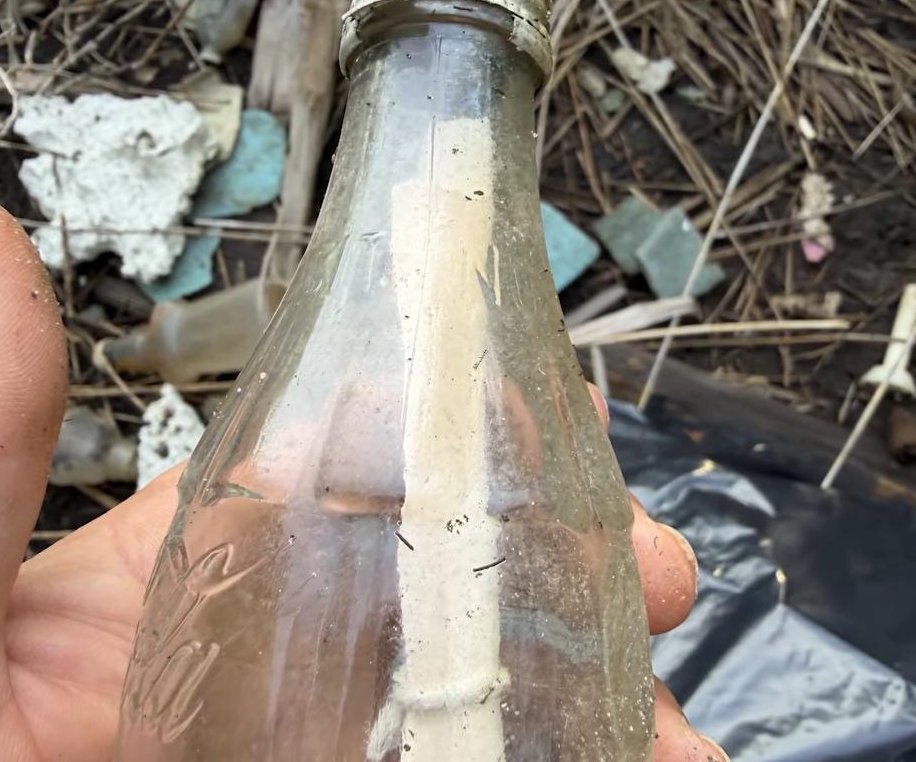
The beach where the bottle was found has likely seen countless tides come and go since 1971. Waves have reshaped the shoreline, storms have altered the landscape, and years have passed unnoticed.
But hidden among all that change, one small object endured.
And when it finally resurfaced, it carried with it not just a message—but a story that had waited more than half a century to be told.
In the end, the journey of that bottle was never just about distance.
It was about time.
And after 53 years, time finally delivered its answer.