A Mother and Her 6-Year-Old Daughter Vanished From Their Colorado Home—Then a Landfill Discovery Changed Everything

When Michael Blagg returned to his Colorado home on Nov. 13, 2001, he said he walked into a nightmare.
His wife, Jennifer, and their 6-year-old daughter, Abby, were gone. Abby’s clothes were still waiting for her to wear to school, while a large pool of blood inside the couple’s bedroom suggested that whatever had happened was far more serious than a simple disappearance.
Michael called 911 and appeared devastated when emergency responders arrived.
For months, the mystery surrounding the missing mother and daughter unsettled the Grand Junction community. There were questions about a possible abduction, reports of unfamiliar voices near the family’s property and a husband who publicly pleaded for answers.
Then, more than six months later, workers searching through a Colorado landfill found Jennifer’s body among trash connected to Michael’s workplace.
The discovery transformed the case.
Michael went from grieving husband to murder suspect, beginning a legal battle that would stretch across more than a decade. Jennifer’s death would eventually lead to two murder convictions.
But one part of the mystery has never been resolved.
Abby has never been found.
A Normal Morning Becomes a Mystery
According to Michael, the morning of Nov. 13 began routinely.
He said he left the family’s Grand Junction home around 6 a.m., with Jennifer, 34, and Abby still inside.
During the day, Michael said he tried calling home five times. Nobody answered.
His concern grew, and he eventually left work early.
When he arrived home, he discovered the blood in the bedroom and Abby’s school clothes still laid out. Neither Jennifer nor their daughter was there.
Paramedics responding to his emergency call described Michael as deeply distressed.
Michael later recalled shaking, trembling and crying uncontrollably.
Three days after the disappearance, he appeared at a press conference and publicly said he had no idea what had happened to his wife and daughter.
He wanted answers, he said.
At first, the possibility that an outsider had taken Jennifer and Abby did not seem impossible.
One neighbor reported hearing what sounded like the voices of two or three men near the Blaggs’ back fence on the morning they vanished.
The case quickly became one of Colorado’s most unsettling mysteries, drawing comparisons to another disappearance and killing that had gripped the state only several years earlier: the 1996 death of JonBenét Ramsey.
Residents were frightened by the idea that a mother and young child could apparently disappear from their own home.
One neighbor summed up the fear spreading through the community: the crime made everyone feel vulnerable.
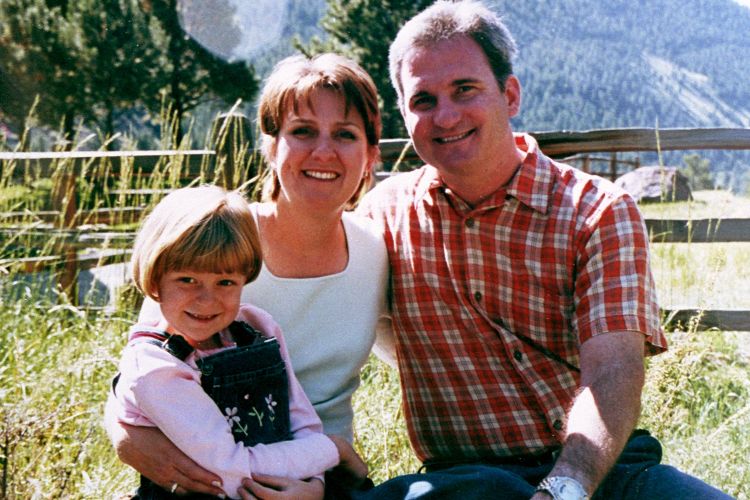
Michael Initially Cooperated With Investigators
In the early stages of the investigation, Michael did not immediately behave like someone attempting to distance himself from authorities.
He did not hire an attorney and cooperated with investigators.
His background also seemed to reinforce the image of a stable husband and devoted father.
Michael had graduated from Georgia Tech with a degree in nuclear engineering before joining the Navy and training as a helicopter pilot. He served for a decade, including two tours during Desert Storm.
He had met Jennifer while stationed in San Diego in 1988. They married three years later.
People close to the family spoke positively about him.
Jennifer’s mother, Marilyn Conway, described Michael as compassionate.
A coworker remembered how devoted he appeared to Abby, saying Michael was “crazy about his little girl.” If something happened at home, the coworker said, Michael would be quick to leave work and respond.
To those who knew him, he appeared to be a committed family man.
But as investigators continued searching for Jennifer and Abby, suspicions surrounding Michael grew.
And months after the disappearance, the case changed dramatically.
A Body Hidden Among the Trash
More than six months after Jennifer vanished, searchers made the discovery investigators and relatives had feared.
Her decomposing body was located at the Mesa County landfill.
One particularly haunting detail helped connect the remains to the night she disappeared: the retainer Jennifer normally wore while sleeping was still in her mouth.
But where her body was found would become equally significant.
Jennifer had been discovered mixed among trash originating from Ametek Dixon—the company where Michael worked.
The implications were immediate.
Two days after Jennifer’s remains were found, Michael was arrested.
Authorities charged him with first-degree murder, use of a weapon in a violent crime, theft involving between $100 and $500, and abuse of a corpse.
The husband who had once stood publicly asking what happened to his missing family was now accused of killing his wife.
Yet prosecutors still faced another enormous question.
Where was Abby?
The First Murder Conviction
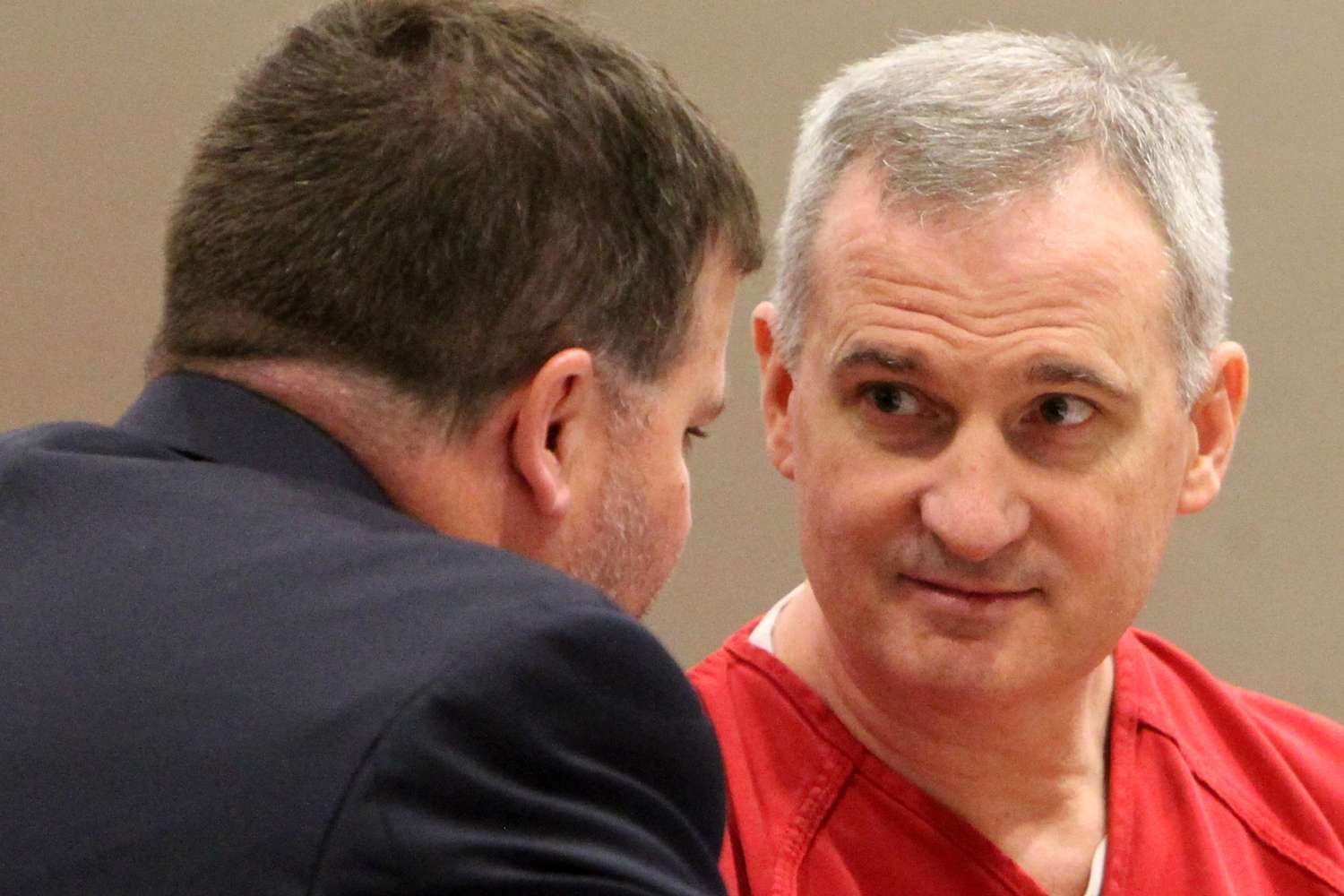
Michael went on trial in 2004 for Jennifer’s killing.
The case ended with a conviction.
But what appeared to be the conclusion of the legal process would eventually unravel because of an issue involving one of the jurors.
It emerged that a juror had failed to disclose a domestic violence experience from her own past while attempting to secure a place on the jury.
That revelation became significant enough to overturn Michael’s conviction.
The case that had already stretched for years would have to return to court.
For Jennifer’s family, it meant another trial and another confrontation with the circumstances surrounding her death.
For prosecutors, it meant having to prove the murder case again.
A Second Jury Hears the Case
In 2018—approximately 17 years after Jennifer and Abby disappeared—Michael faced another jury.
The second trial lasted five weeks.
Jurors then deliberated for three days before reaching their decision.
Once again, Michael was found guilty of murdering Jennifer.
He was sentenced to life in prison.
The verdict restored the murder conviction that had been thrown out years earlier and provided a legal resolution to Jennifer’s death.
But it did not resolve the entire mystery that began inside the Blagg home in November 2001.
There was still no Abby.
The Daughter Who Never Came Home
Abby was only 6 years old when she disappeared.
Her mother’s remains were eventually recovered, allowing investigators to establish that Jennifer had been killed and giving prosecutors physical evidence around which they could build their case.
Abby’s fate has been different.
Her remains have never been located.
Because Abby was never found, Michael was never charged in connection with her disappearance.
That leaves the case with an unusual and painful divide.
A jury has twice determined that Michael murdered Jennifer. He is serving life in prison for that crime.
But what happened to his daughter remains officially unresolved.
There has been no discovery equivalent to the moment Jennifer was found in the Mesa County landfill. No remains have provided investigators with the same kind of evidence, and no prosecution has answered the questions surrounding Abby’s disappearance.
A Mystery That Outlasted Two Trials
The Blagg case began with an image of a family suddenly torn apart.
A husband left for work early in the morning. Hours later, he returned to blood in his bedroom, his daughter’s clothes waiting for school and two members of his family missing.
At first, Michael presented himself as another person desperate to understand what had happened.
Investigators considered possibilities involving outsiders. Neighbors remembered unusual voices. Friends and relatives described Michael as compassionate and devoted to his daughter.
Then Jennifer’s body emerged from a landfill among trash connected to his workplace.
From that moment forward, the story changed.
Michael was arrested, convicted, saw that conviction overturned because of juror misconduct, and was ultimately tried and convicted again.
Jennifer’s disappearance became a solved murder in the eyes of the law.
Abby’s disappearance never did.
More than two decades after the 6-year-old vanished from Grand Junction, her whereabouts remain unknown.
For all the courtroom testimony, evidence, investigations and years of legal proceedings that followed Jennifer’s death, one question from that November morning continues to linger without an answer:
What happened to Abby Blagg?