Born at 21 Weeks and Weighing Just 10 Ounces, Nash Keen Is Now a Joyful 2-Year-Old

Two years after entering the world 133 days early, Nash Keen celebrated his birthday outdoors, surrounded by music, presents and 20 people who had watched his extraordinary journey unfold.
There was no traditional birthday cake for the Iowa toddler, who is not yet eating by mouth. Instead, his family brought miniature frosted cinnamon rolls and let him taste a few small licks of frosting.
It was a quiet celebration, but for Nash’s mother, Mollie Keen, every part of the day carried enormous meaning.
The smiling, energetic child crawling through life today once weighed only 10 ounces—less than a typical can of soda. Born at just 21 weeks of pregnancy, he was so small and medically fragile that his survival would eventually earn him recognition as the world’s most premature baby.
His second birthday was more than another family milestone. It was a reminder of how far he had come from the earliest days of his life, when hope often had to survive alongside fear.
Nash was born shortly after midnight on July 5, 2024.
Mollie, now 35, and Nash’s father, Randall Keen, 43, had already endured a devastating loss. In September 2023, they lost a baby girl named McKinley at 19 weeks of pregnancy.
That experience remained close when Mollie went into labor with Nash far earlier than expected.
Rather than being overwhelmed entirely by fear, she remembered feeling intensely grateful that her son had been born alive and would be given an opportunity to fight. Shock may have protected her from fully processing the danger, but emotionally, she focused on one thing: holding onto hope.
Nash’s condition was extraordinarily delicate.
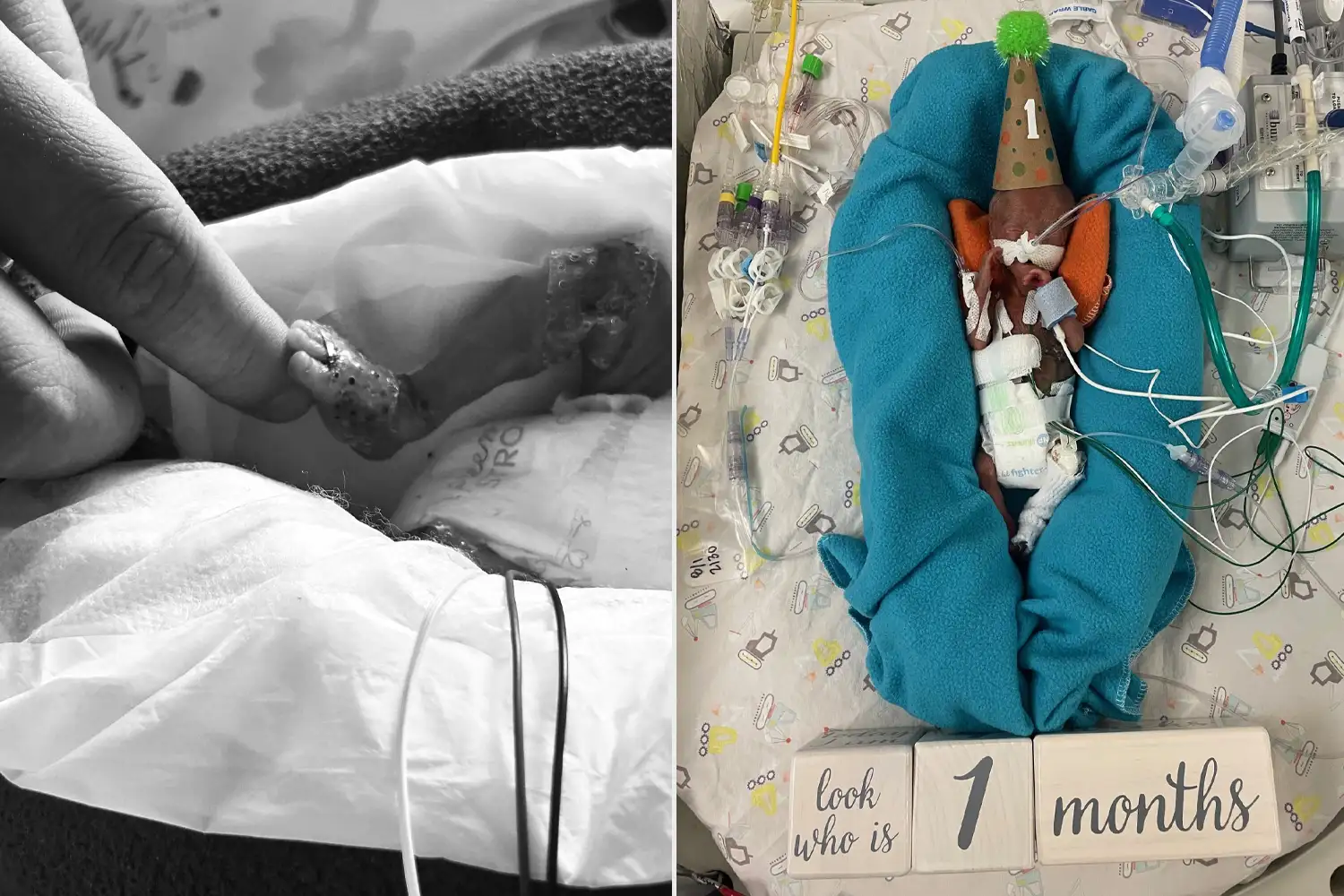
Because he had been born so early, his skin had not developed enough to provide the protection a full-term newborn would have. It appeared nearly transparent, and helping it mature became one of the medical team’s greatest challenges during his first month.
Even now, small scars remain where protective tape once touched his fragile body.
At only 3 weeks old, Nash faced another life-threatening emergency. Doctors discovered a perforation in his bowel, requiring immediate surgery.
The operation involved creating an ileostomy and removing approximately one-third of his small intestine.
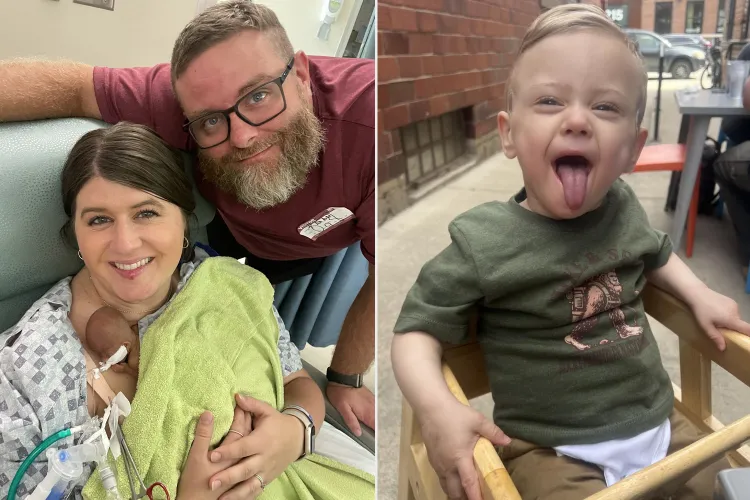
For Mollie, watching surgeons operate on a baby of such tiny proportions felt almost impossible to comprehend. Yet Nash survived, giving his family an early glimpse of the determination that would define his journey.
He remained in the neonatal intensive care unit at the University of Iowa Children’s Hospital for 189 days.
The first month was filled with intense anxiety. His parents did not know what the next hour, day or medical update might bring. They could not safely assume that the future they imagined with their son would happen.
Still, they continued picturing the day he might leave the hospital.
After Nash survived that first critical month, imagining life at home became slightly easier, even as uncertainty remained. Mollie leaned heavily on gratitude and learned to recognize progress in the smallest forms.
A stable day mattered. A medical improvement mattered. Every tiny victory became something worth celebrating.
Support from relatives, friends and Mollie’s employer helped the family endure the six-month hospitalization. Their encouragement gave Nash’s parents strength during a period when their lives revolved around hospital rooms, medical equipment and the uncertain health of their newborn son.
Eventually, the day they had dreamed about arrived.
After 189 days in the NICU, Nash was cleared to go home.
The moment brought overwhelming happiness, but it also carried fear. Leaving the hospital meant moving away from the physicians, nurses and equipment that had protected him since birth.
During the two-hour drive home, his pulse oximeter repeatedly sounded an alarm. Once the family arrived, they struggled to set up his oxygen concentrator.
Then, less than 48 hours after leaving the hospital, Nash had to return.
He had contracted a respiratory virus during the journey home. Although the infection initially produced no obvious symptoms, it quickly became dangerous for a child whose lungs and body had already endured so much.
Nash spent the next 25 days in the pediatric intensive care unit fighting to breathe.
Mollie described that experience as even more traumatic than the previous 189 days in the NICU. They had finally believed the longest hospital chapter was over, only to find themselves back beside their son as he faced another crisis.
When Nash was discharged for the second time, the experience felt different.
His family was better prepared. They understood the equipment more clearly, knew what warning signs to watch for and felt ready to create the homecoming they had imagined during the long months after his birth.
Since then, Nash has continued developing at his own pace.
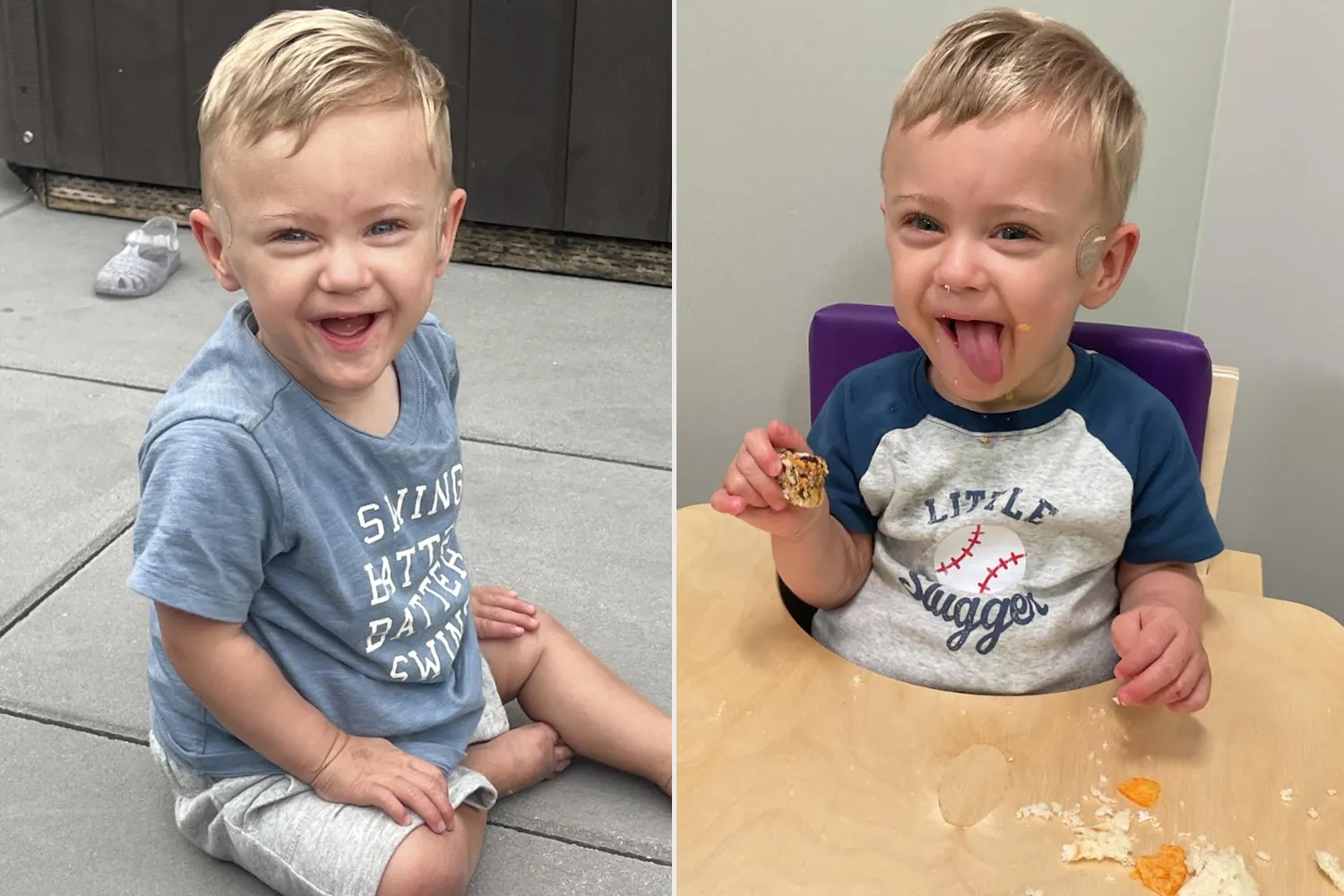
He is now an active toddler who crawls enthusiastically, explores different flavors, learns new words and imitates animal sounds. His mother describes him as determined, affectionate and eager to learn.
He enjoys educational television shows and approaches new experiences with a cheerful adaptability that has impressed his family. His bright, mischievous smile has become one of his defining features.
Although his developmental timeline may differ from that of children born at full term, Mollie says he continues reaching his goals. The family does not measure his progress against anyone else’s schedule.
Every achievement belongs to Nash.
His family—including his 16-year-old brother, Trip—recently gathered at a local outdoor venue to mark his second birthday. The celebration was intentionally relaxed.
The weather cooperated, and a local band performed “Happy Birthday” for him. Relatives and friends watched as gifts were opened and Nash sampled frosting from the cinnamon rolls prepared in place of a conventional dessert.
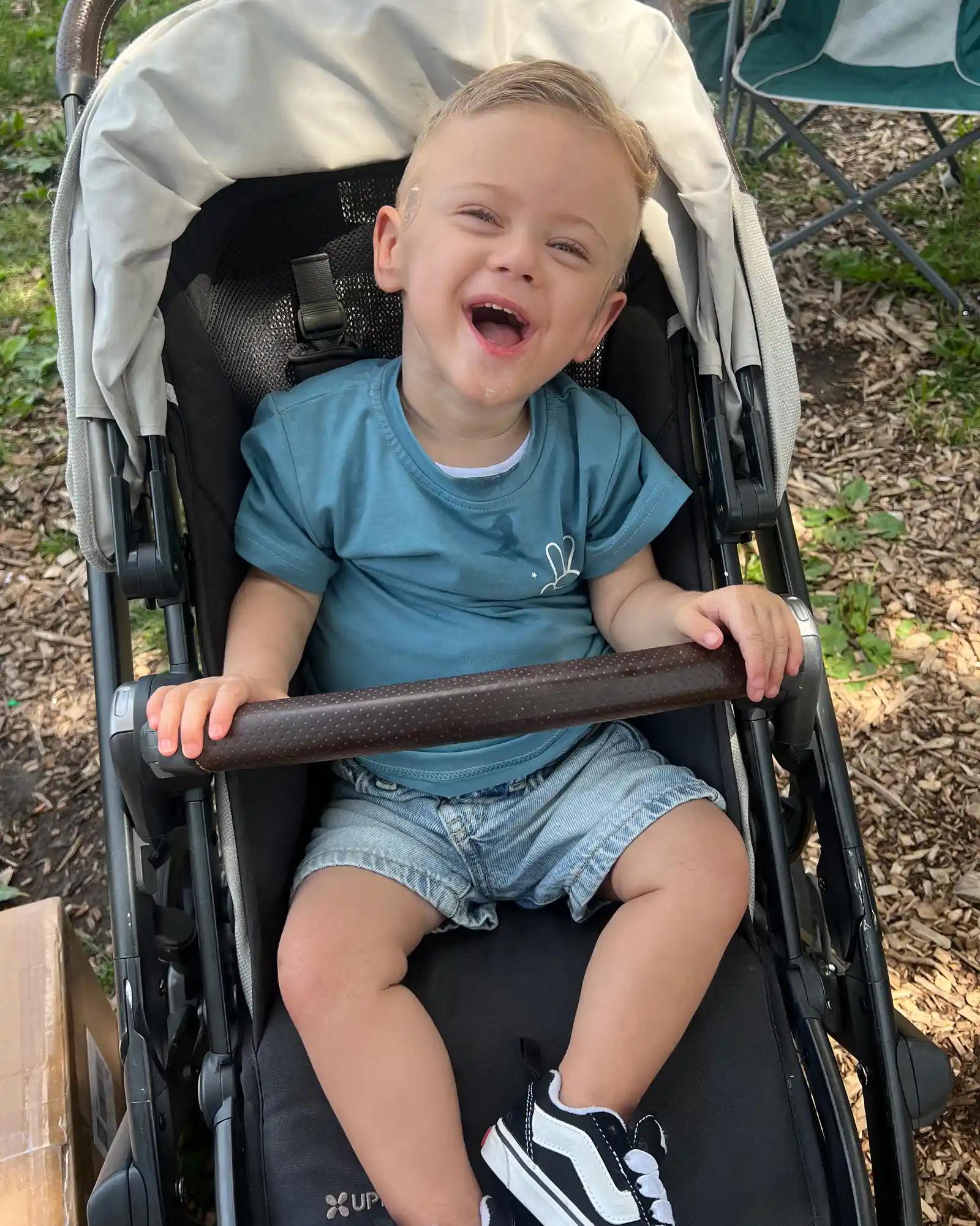
For those present, the joyful toddler before them looked far removed from the nearly translucent newborn who had spent his earliest months surrounded by machines.
Looking at photographs from the NICU can still be emotional for Mollie. The images capture a child so tiny and vulnerable that it can be difficult to connect him with the lively boy he has become.
Watching him grow carries a touch of sadness because time moves quickly. Yet each birthday also honors the resilience that carried him through surgery, six months in neonatal intensive care, a respiratory emergency and another 25 days in the hospital.
Nash’s story is now measured not only by survival statistics or medical records, but by ordinary childhood moments his family once could not safely assume they would witness.
A new word. An animal sound. A determined crawl across the floor. A taste of frosting at an outdoor birthday gathering.
For the people who held onto hope when he weighed only 10 ounces, those moments are anything but ordinary.
Celebrating Nash and every milestone he reaches, Mollie says, will always be one of the family’s greatest joys.
Source: https://people.com/world-s-most-premature-baby-born-less-than-1-lb-is-now-thriving-exclusive-12030993