Death roll rises in Japan. Why does the country experience so many large earthquakes?
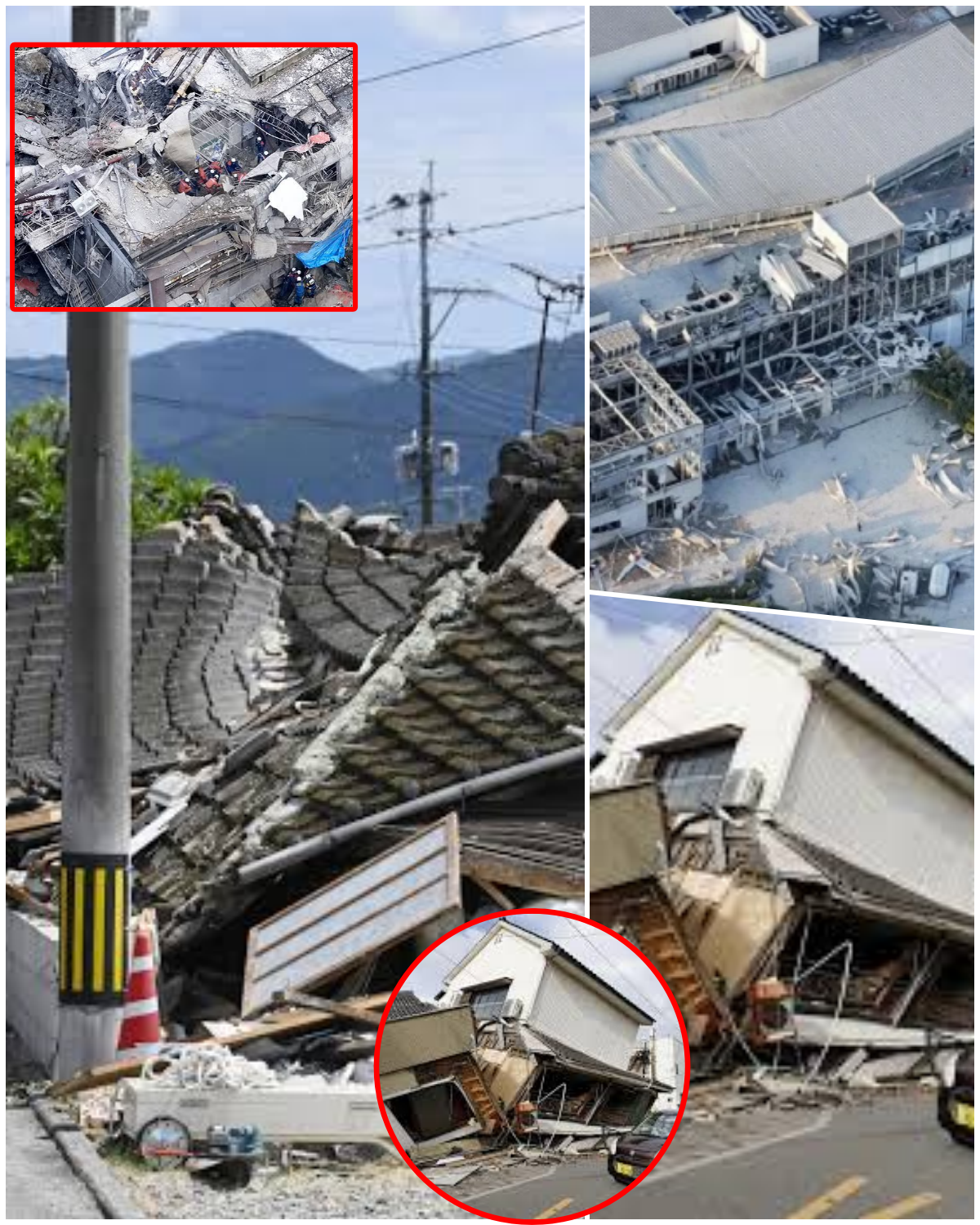
When a powerful earthquake struck Japan’s southern Kumamoto Prefecture this week, it once again reminded the world why the country is considered one of the most earthquake-prone places on Earth.
The magnitude-6.8 earthquake triggered widespread destruction, leaving communities searching through collapsed buildings, mourning lost loved ones, and preparing for the possibility of more powerful aftershocks. Although Japan has spent decades building one of the world’s most advanced earthquake preparedness systems, nature once again demonstrated that even the best technology cannot completely eliminate the risks posed by powerful seismic events.
A Nation Built on Moving Earth
Japan occupies one of the most geologically active regions on the planet.
The island nation sits where four major tectonic plates meet, creating constant pressure beneath the Earth’s surface. As these massive plates slowly shift against one another, enormous amounts of energy build up before being released in the form of earthquakes.
Adding to that risk, Japan lies along the Pacific Ring of Fire, a 25,000-mile arc surrounding the Pacific Ocean that contains many of the world’s most active volcanoes and experiences a significant share of global earthquakes.
Because of this unique location, earthquakes are not unusual events in Japan—they are an expected part of daily life.
The Latest Earthquake
The recent earthquake struck around 4:30 p.m. local time near the city of Uki in Kumamoto Prefecture, a community of approximately 56,000 residents.
The initial quake measured 6.8 in magnitude, followed by numerous aftershocks. According to authorities, one of the strongest subsequent tremors reached magnitude 5.4, prompting officials to warn residents that additional significant earthquakes could occur in the coming days.
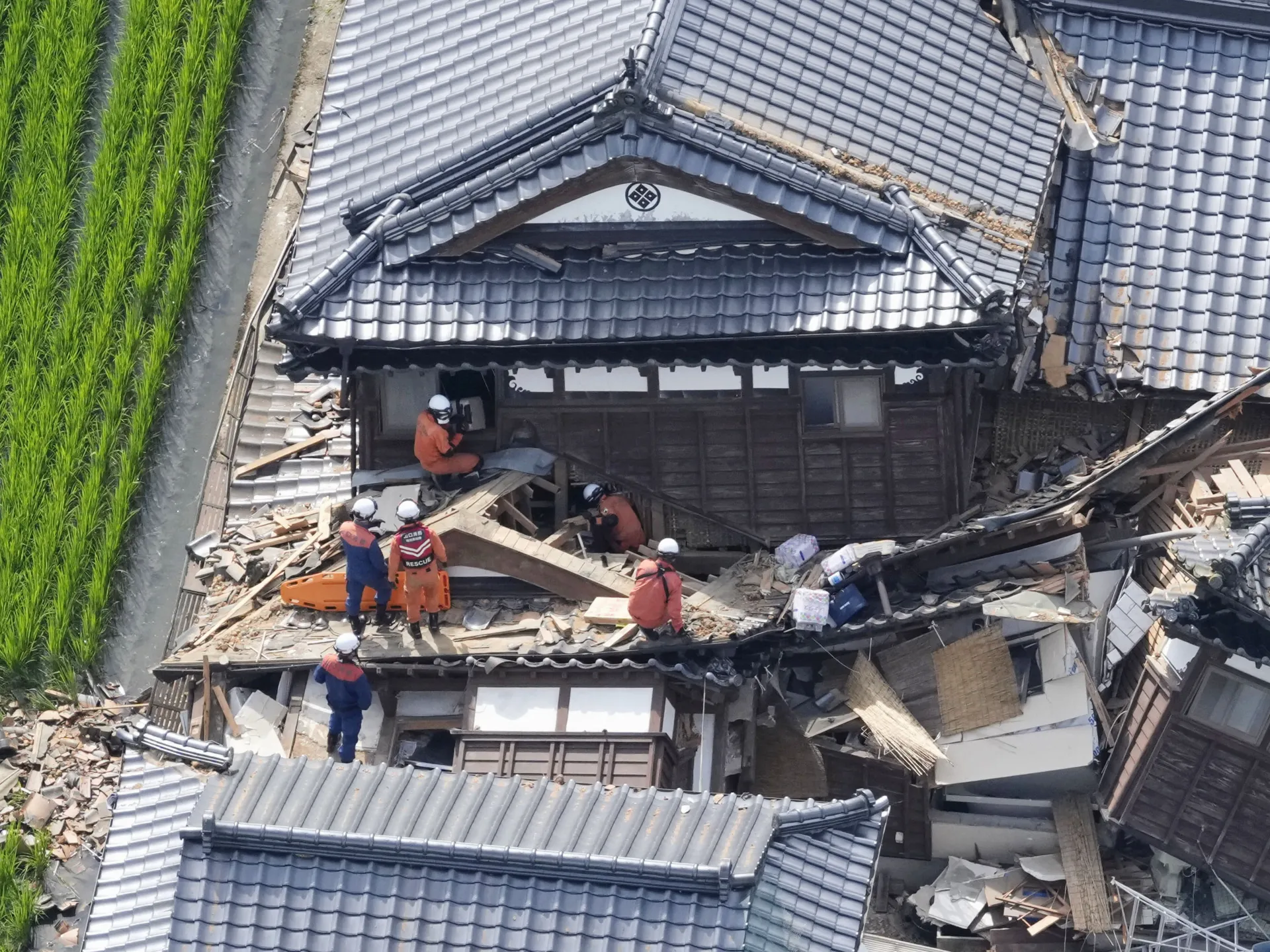
Emergency crews were immediately deployed across the affected region to search damaged buildings, rescue trapped survivors, and provide assistance to displaced residents.
Officials reported that 28 people died following the disaster, although investigations continue to determine whether every fatality was directly linked to the earthquake.

Rescue Efforts Continue Under Difficult Conditions
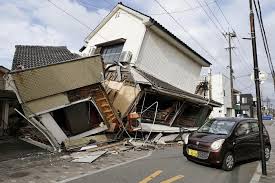
The earthquake caused extensive structural damage across parts of Kumamoto.
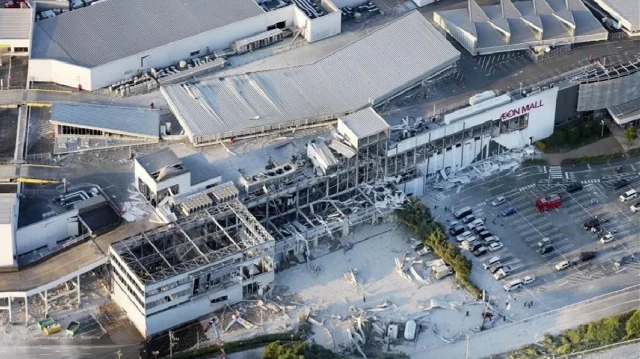
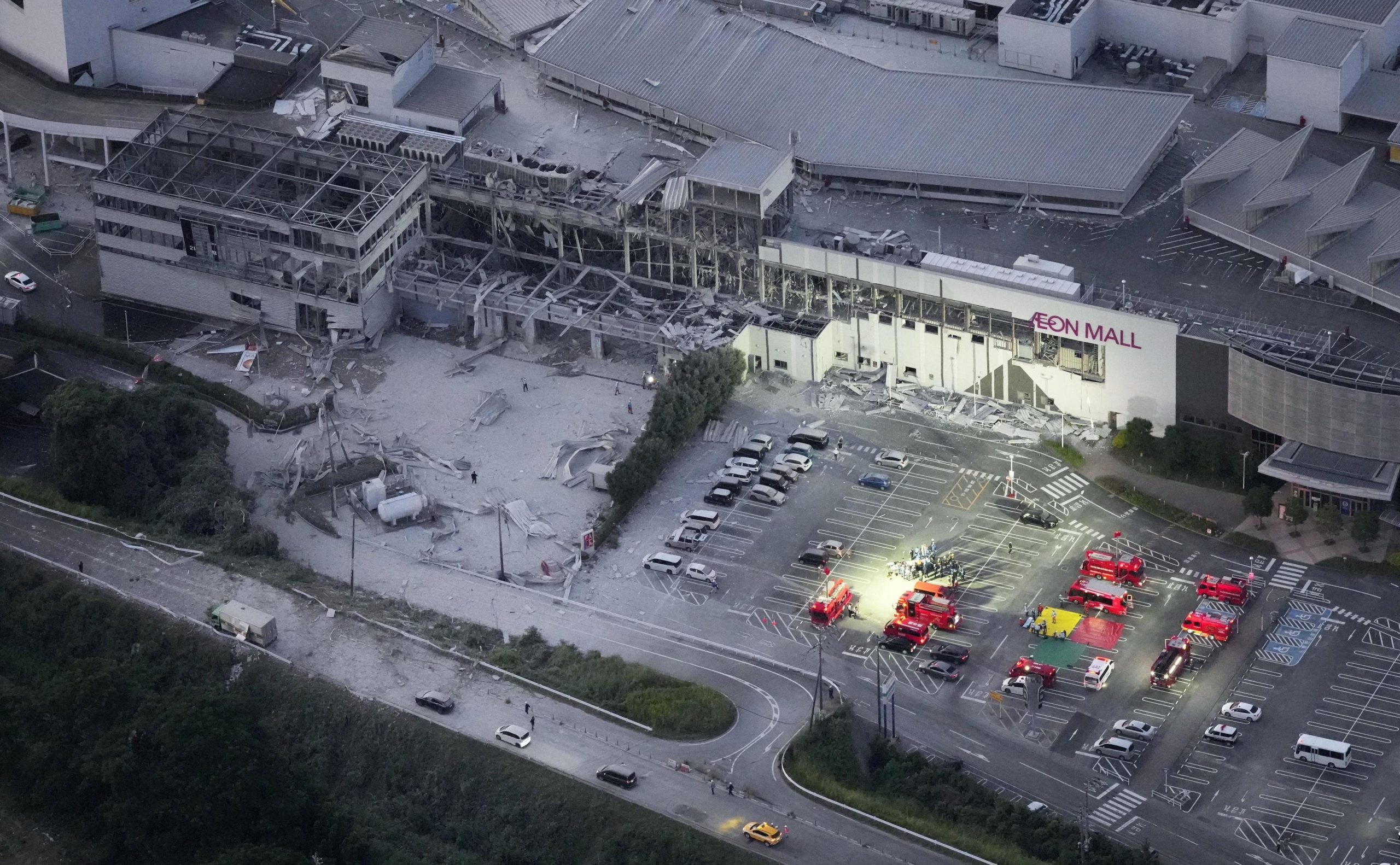
Several buildings collapsed, while a shopping center suffered severe damage after what authorities believe may have been a gas leak followed by an explosion.
At Aeon Mall Kumamoto, five people lost their lives after portions of the building collapsed.
Elsewhere, several workers died when a chimney at a paper factory in Yatsushiro fell during the shaking.
Search-and-rescue teams continue working through unstable debris fields in hopes of locating anyone still trapped beneath the rubble.
Their efforts have become increasingly difficult because of extreme summer temperatures.
Weather forecasts indicate daytime highs exceeding 35 degrees Celsius (95 degrees Fahrenheit), forcing authorities to warn both rescue workers and residents about the dangers of heat exhaustion while encouraging everyone to remain properly hydrated.
A Community Familiar With Disaster
For many residents, the latest earthquake reopened painful memories.
Kumamoto was devastated in 2016 by another powerful earthquake that claimed more than 270 lives and caused widespread destruction throughout the region.
Although rebuilding efforts have restored much of the affected area, many families still remember the fear and uncertainty they experienced during that disaster.
Local resident Shoji Yonemitsu described this week’s earthquake as terrifying, even while noting that it was less severe than the catastrophe nearly a decade earlier.
His reaction reflects the emotions shared by countless people across the region, many of whom have experienced multiple major earthquakes during their lifetimes.
Why Japan Is Better Prepared Than Most Countries
Living with frequent earthquakes has shaped nearly every aspect of modern Japanese society.
The government has invested billions of dollars into earthquake monitoring systems capable of detecting seismic activity within seconds, allowing emergency alerts to reach millions of people almost immediately.
Strict building regulations require modern structures to incorporate earthquake-resistant engineering designed to absorb vibrations and remain standing during powerful shaking.
Schools regularly conduct earthquake and evacuation drills beginning in kindergarten, ensuring that children grow up knowing exactly how to respond during emergencies.
Public transportation systems, communication networks, and emergency response agencies are also designed with earthquakes in mind, allowing officials to mobilize quickly whenever disaster strikes.
Lessons From History
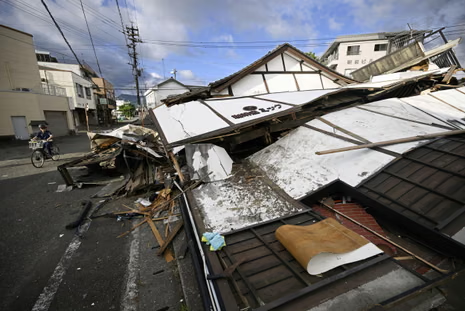
Japan’s commitment to earthquake preparedness has been shaped by centuries of devastating disasters.
Historical records describe destructive earthquakes dating back hundreds of years, including one in 1498 that is believed to have killed tens of thousands of people.
The Great Kanto Earthquake of 1923 remains one of the country’s deadliest natural disasters, devastating Tokyo and surrounding areas while claiming approximately 140,000 lives.
Following the 1995 Kobe earthquake, which killed more than 6,000 people, Japan strengthened building standards even further after discovering that many collapsed buildings had been constructed before newer seismic regulations were introduced.
Perhaps the greatest challenge came in 2011, when a magnitude-9.1 earthquake triggered a massive tsunami and the Fukushima nuclear disaster, killing nearly 20,000 people and becoming one of the most devastating natural disasters in modern Japanese history.
More recently, another powerful earthquake in Noto in 2024 demonstrated that even smaller earthquakes can still produce significant destruction and tragic loss of life.
Can Earthquakes Be Predicted?
For years, Japanese authorities have warned about the possibility of a future Nankai Trough megathrust earthquake, one of the most serious natural hazards facing the country.
Scientists estimate there is a 70% to 80% chance that a magnitude-8 to magnitude-9 earthquake could occur along the Nankai Trough within the next thirty years.
However, predicting exactly when an earthquake will occur remains impossible.
Some researchers question whether long-term probability forecasts accurately reflect how earthquakes develop, arguing that seismic events do not follow perfectly predictable cycles.
Despite those scientific debates, experts generally agree on one important point: preparation remains the most effective defense.
Living With Constant Risk
Earthquakes cannot be prevented.
Even the world’s most sophisticated monitoring systems cannot stop tectonic plates from moving beneath the Earth’s surface.
What Japan has demonstrated, however, is that preparation can save lives.
From advanced engineering and rapid emergency response systems to public education and regular disaster drills, the country has become a global leader in earthquake resilience.
Yet each new earthquake serves as a reminder that no amount of preparation can eliminate every danger.
As rescue operations continue in Kumamoto, communities once again face the difficult task of rebuilding while remaining ready for whatever nature may bring next.
For Japan, earthquakes are not simply isolated disasters—they are an enduring reality of life, one that demands constant vigilance, resilience, and an unwavering commitment to preparedness.
Souce: edition.cnn