Decades of Alleged Abuse Surface at Prestigious Arts School Once Backed by Jeffrey Epstein
For generations of young musicians, actors and artists, Interlochen represented opportunity—a place where talent could grow inside one of the country’s best-known fine arts communities.
But a newly released investigation has exposed a far darker history.
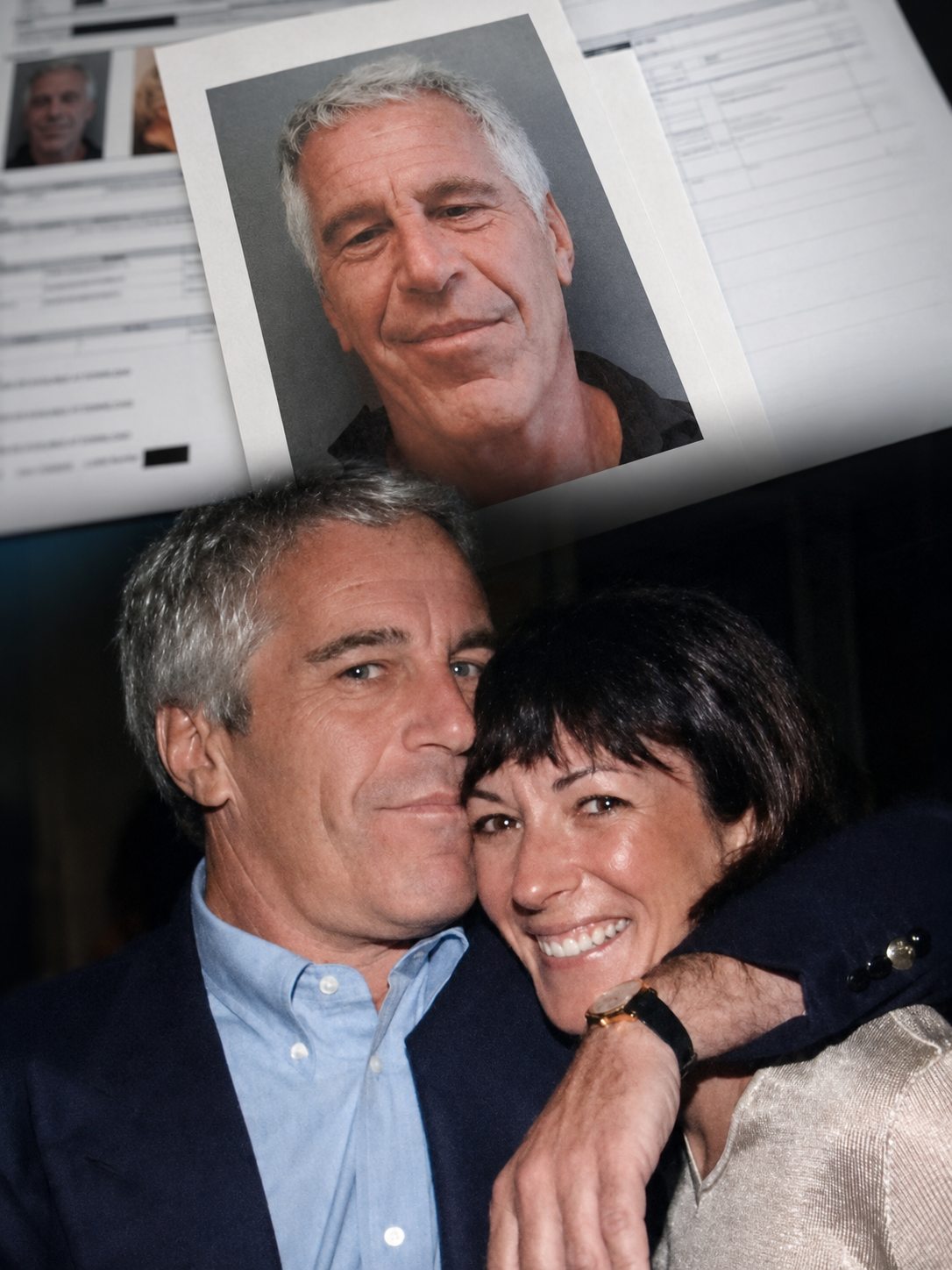
Former students described decades of alleged sexual misconduct involving dozens of people once connected to the prestigious Michigan institution. The investigation also uncovered accounts involving Jeffrey Epstein, the financier and convicted sex offender who donated hundreds of thousands of dollars to the school.
The findings were described in a 97-page report prepared by Sanghavi Law Office after Interlochen Center for the Arts commissioned an outside review.
Investigators collected 70 accounts from alumni who alleged physical conduct of a sexual nature by 47 former faculty and staff members. The reported incidents stretched from the 1950s through the 2010s, although most were said to have occurred before 2000.
The report characterized the information it gathered as devastating.
Former students described a range of behavior, including grooming, inappropriate flirting, sexual touching and sexual relationships involving adults who held positions of authority or trust.
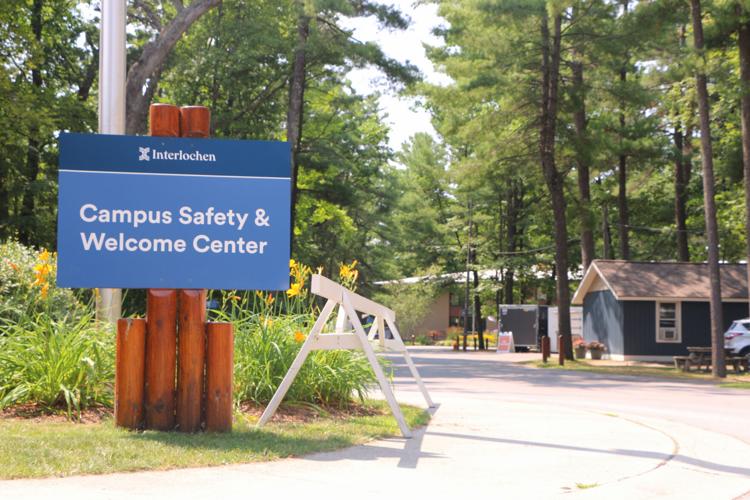
None of the accused individuals identified through the investigation currently works at Interlochen. More than one-third are dead.
Interlochen has turned over their names to authorities in Grand Traverse County, Michigan, allowing officials to determine whether any further action can be taken.
The institution operates both a summer arts camp and a performing arts school in northern Michigan, attracting students from across the United States and other countries. Its programs have long offered young people intensive training in music, theater, dance, visual arts and other creative fields.
Interlochen hired the law firm in 2024 to investigate reports of sexual abuse involving former faculty and staff. The inquiry was later expanded to examine the institution’s relationship with Epstein.
Epstein had attended Interlochen as a bassoon-playing camper in 1967. Years later, he became a significant donor, giving the school more than $400,000 between 1990 and 2003.
His support was once recognized through a lodge that carried his name.
After Epstein was convicted of sex offenses in Florida in 2008, the school removed his name from the building and renamed it Green Lake Lodge. The structure was later demolished following the release of millions of pages of government records connected to Epstein.
The outside investigation included accounts from two women who attended Interlochen and reported conduct of a sexual nature involving Epstein.
One woman told investigators that an encounter occurred at the lodge that had been named for him. According to the report, Epstein brushed against her body over her clothing while behaving as though the contact had been accidental.
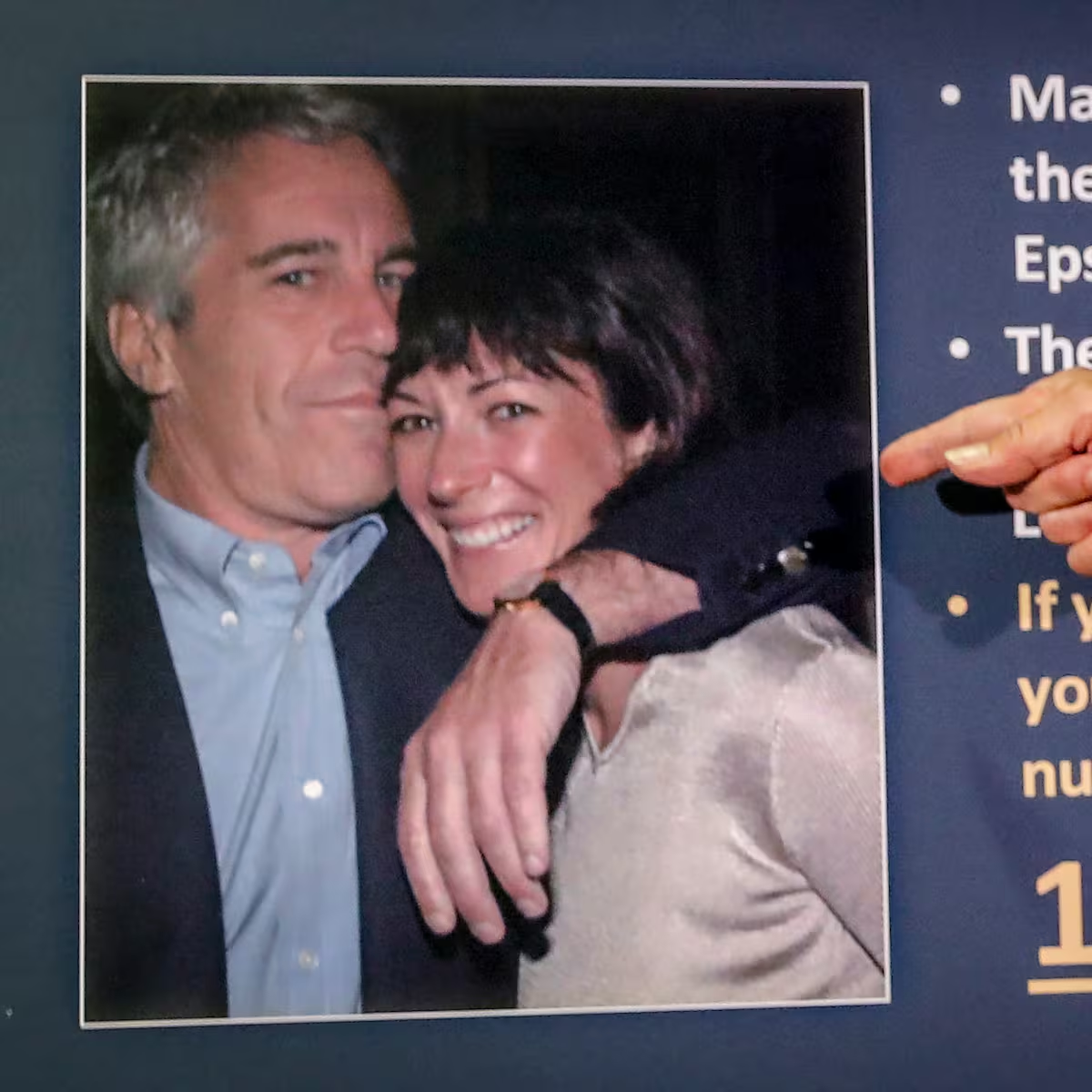
He also paid for her to travel to New York while she was still an Interlochen student.
She said that whenever Epstein became physically inappropriate with her, she would freeze and remain still until he stopped.
A second woman described visiting Epstein’s home and giving him a massage. She recalled that he may have asked her to remove her top. After that experience, she said, she had no further contact with Epstein or his longtime associate and girlfriend, Ghislaine Maxwell.
Maxwell was convicted of sex trafficking in 2021.
Separate from Interlochen’s investigation, at least two other former students have accused Epstein and Maxwell of grooming and abuse. Their identities have not been publicly disclosed.
One of those women testified during Maxwell’s federal trial. It remains unclear whether either of them participated in the law firm’s review for Interlochen.
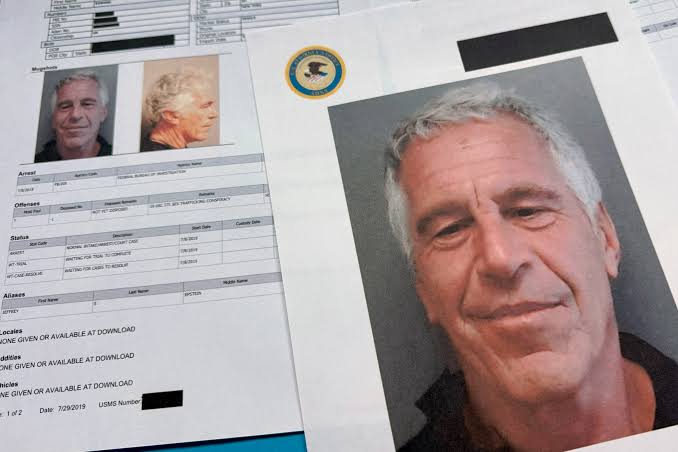
Epstein died in a New York jail in 2019 at age 66 while awaiting trial on federal sex-trafficking charges.
Although his connection to the school has drawn national attention, the investigation extended far beyond a single donor.
Its broader findings described alleged misconduct by nearly 50 former members of Interlochen’s faculty and staff across more than half a century. Taken together, the accounts portrayed an institutional history in which some students said adults crossed boundaries, exploited trust or abused their authority.
For those former students, the passage of time did not erase the impact of what they reported.
Interlochen President Trey Davey and board Chair Barrett Rollins issued a public apology to alumni and others affected by abuse within the school community.
They acknowledged that most of the alleged incidents described in the report took place decades ago and said reports of abuse had dropped significantly during the past 25 years. Still, they emphasized that the age of the allegations did not make the experiences less serious.
Sexual abuse by an adult who holds power or responsibility over a student was wrong in the past and remains wrong today, they said.
The school’s leaders also argued that the modern institution is fundamentally different from the one depicted in the investigation.
They pointed to changes in culture and the adoption of comprehensive safety policies intended to protect students. Their response presented the report as both a reckoning with Interlochen’s past and a measure of how far the school says it has changed.
Yet the investigation has forced the institution to confront an uncomfortable contrast.
Interlochen built its reputation by encouraging young people to explore their creativity in an environment that was supposed to nurture talent and personal growth. The former students’ accounts instead describe moments when that environment allegedly failed to protect some of the very people placed in its care.
The report cannot undo those experiences.
Many of the alleged incidents happened so long ago that criminal or employment consequences may be limited. Some of the accused are no longer alive, and none remain on Interlochen’s staff.
Still, documenting the allegations creates a public record of what former students say occurred.
It also places responsibility on the institution to recognize the harm, examine how it was allowed to happen and ensure that future students are protected in ways earlier generations may not have been.
For Interlochen, the investigation is not simply about Jeffrey Epstein, one demolished lodge or a list of former employees.
It is about decades of memories carried by alumni who entered an arts community seeking education and inspiration, but who say they encountered adults willing to misuse their access and authority.
The school now faces the lasting weight of those accounts—and the obligation to make certain that the institution described in the report remains part of its history, not its future.