Disney Legend Glen Keane Fell Ill on a Mountain He Knew Since Childhood — Then a Helicopter Crew Came for Him
Glen Keane had spent part of his childhood climbing around the mountains of Paradise Valley, Arizona.
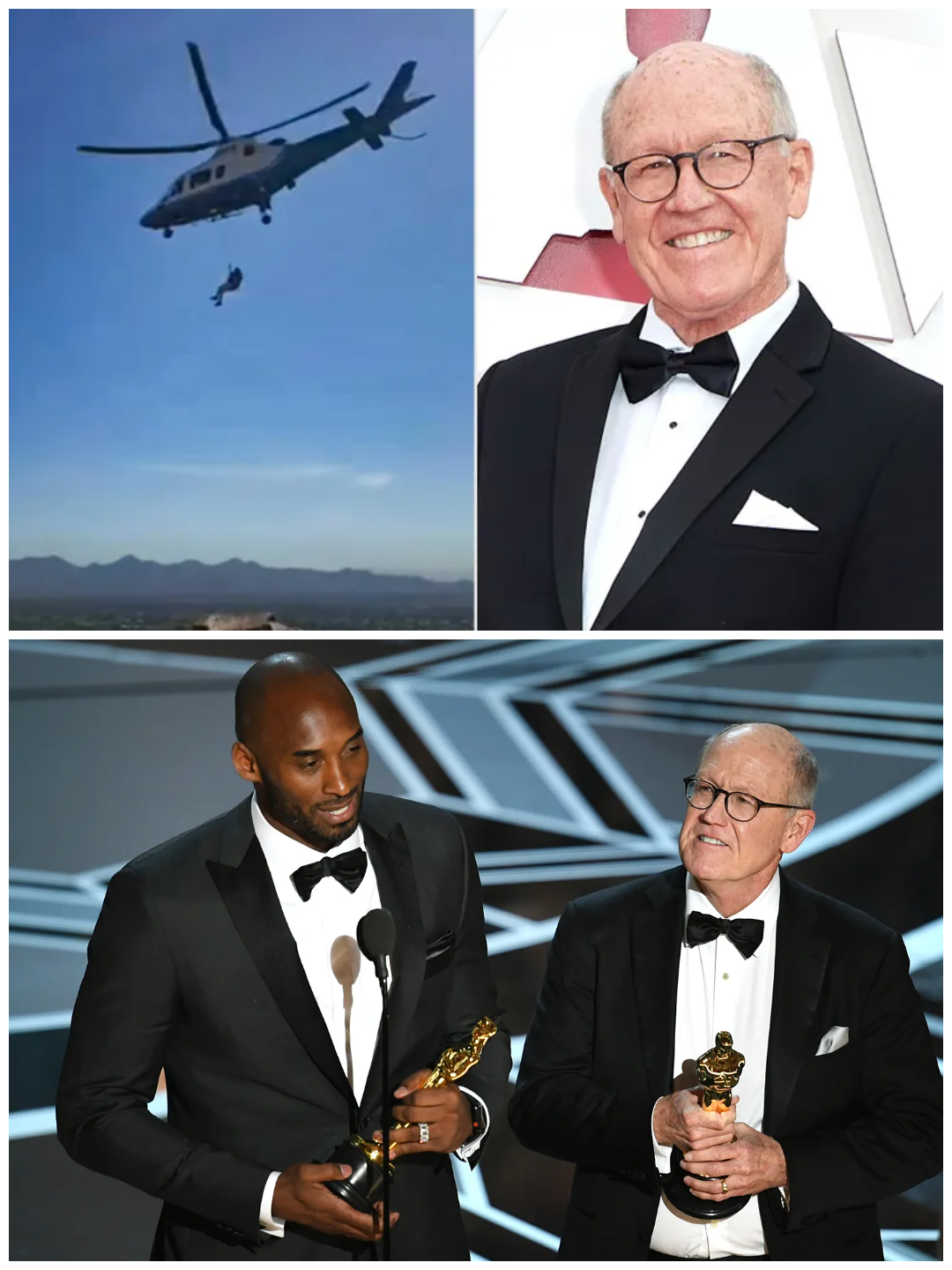
Decades later, at 72, the Oscar-winning animator found himself looking down at that same landscape from a rescue helicopter after a hike suddenly became too dangerous for him to finish on his own.
Keane, the former Disney animator whose work helped shape beloved films including The Little Mermaid, Beauty and the Beast, Aladdin and Tarzan, was hiking Mummy Mountain with his grandchildren on July 29 when he became dizzy.
He tried to continue.
Then he reached a narrow section of trail and realized the situation had changed.
He could no longer safely walk down.
For a man whose career had been built around drawing characters through extraordinary adventures, the next scene in his own life would involve firefighters carefully reaching him on what he later compared to the edge of a razor.
The Trouble Began High on Mummy Mountain
Phoenix firefighters received a call shortly after 8 a.m. reporting a medical emergency involving a hiker at the top of Mummy Mountain in Paradise Valley.
The hiker was Keane.
He had been enjoying the outing with his grandchildren when dizziness began to overwhelm him.
At first, he apparently hoped he could manage the descent.
But mountain trails leave little room for error, especially when a person is already feeling physically unsteady.
Keane eventually reached a narrow path that made the danger impossible to ignore.
He later recalled realizing plainly that he needed assistance.
That decision — stopping rather than forcing himself onward — became the turning point.
Firefighters were contacted.
Given Keane’s position on the mountain, reaching him and bringing him down safely would require more than simply walking a rescue team up the trail.
A helicopter was dispatched.
The Rescue Happened on an Extremely Narrow Ledge
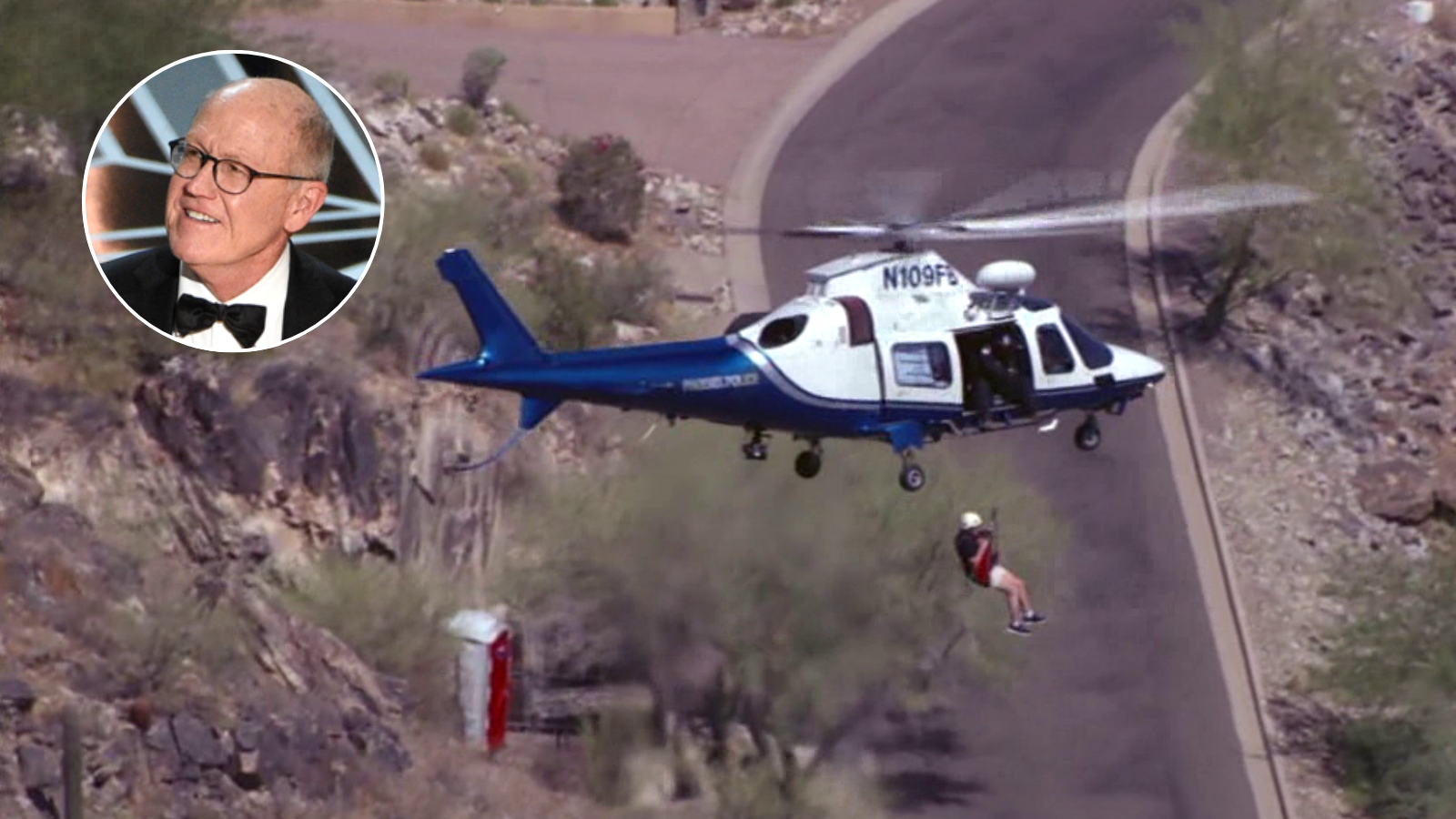
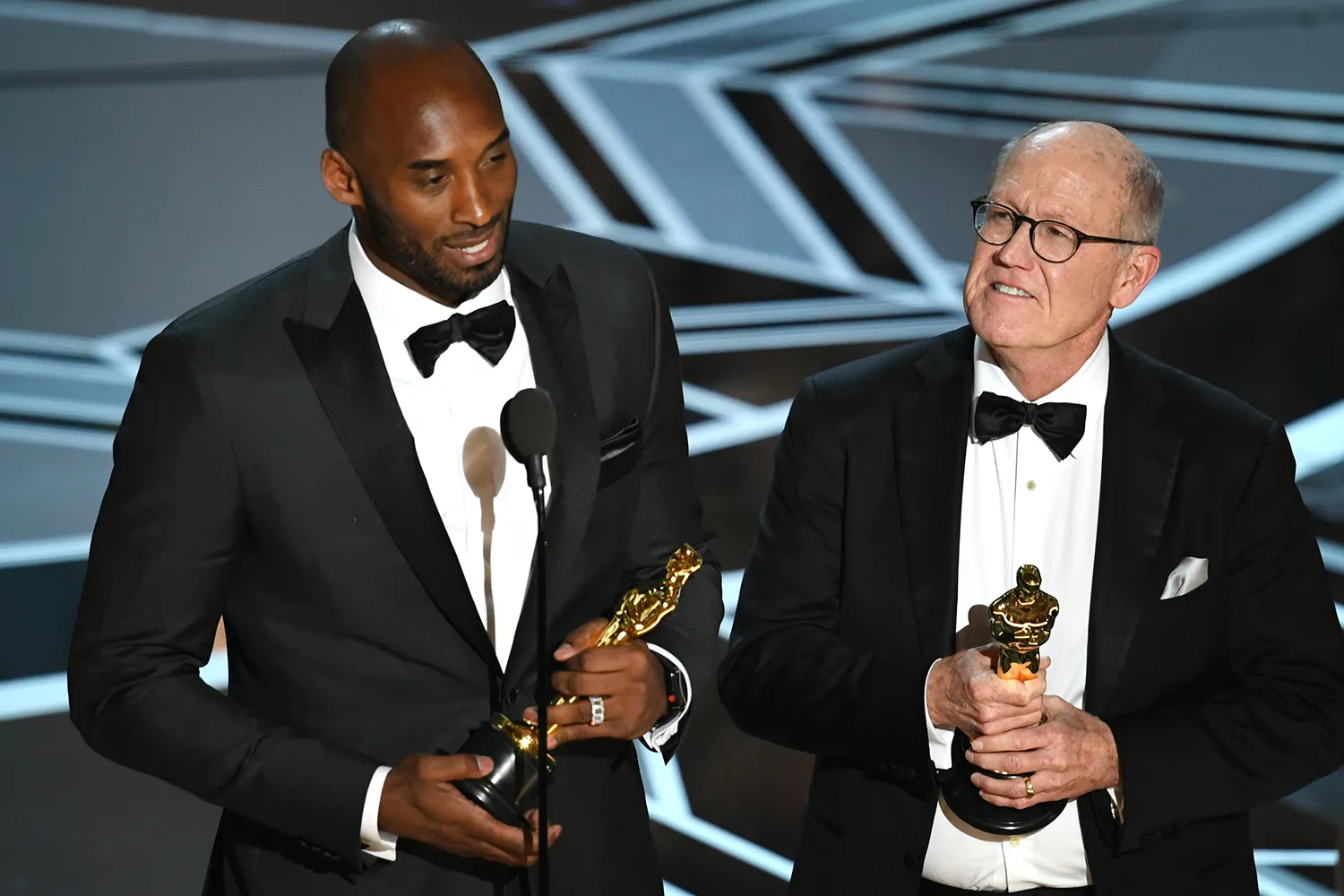
The Phoenix Fire Department sent crews to Mummy Mountain and used a helicopter to extract Keane from the difficult terrain.
Video later shared by the department showed the dramatic operation.
For Keane, however, what stayed with him most strongly was the risk rescuers took to reach him.
He described the terrain as extraordinarily narrow and said firefighters were placing themselves in danger while working near the edge.
The ledge, he recalled, felt almost like a razor’s edge.
The comparison conveys why attempting to walk out while dizzy could have become far more serious.
A single wrong step on steep, exposed terrain could have turned a medical problem into a potentially catastrophic fall.
Instead, the rescue team secured Keane and lifted him from the mountain.
Once aboard the helicopter, the animator found himself viewing the landscape from an entirely new perspective.
He Looked Down at the Places He Climbed as a Boy
The helicopter ride carried an unexpected emotional dimension for Keane.
He was born in Philadelphia but grew up in Paradise Valley.
The mountain terrain below him was therefore not just scenery.
It was connected to his childhood.
As the helicopter lifted him away, Keane looked down at areas he remembered climbing when he was young.
The moment left him grateful.
He later described the rescue crew as a blessing and expressed thanks not only for being brought safely down but for the risks firefighters had taken on his behalf.
For someone who now lives in Paris, being rescued above the Arizona landscape of his youth created an unusual full-circle moment.
He had once explored those mountains as a child.
Now, more than seven decades into his life, he was being carried safely over them by helicopter.
Keane Declined a Trip to the Hospital
After firefighters brought him to a landing zone, Keane was offered transportation to a hospital.
He declined.
The immediate emergency had been resolved, and the rescue concluded without reports of a serious injury.
But the incident also highlighted the additional danger created by Arizona’s summer heat.
Although the Mummy Mountain trail remains open during extreme heat warnings, conditions can become punishing very early in the morning.
Phoenix Fire Captain Todd Keller pointed out that temperatures can already reach around 93 degrees by 7 a.m.
His message to hikers was straightforward: before heading out, people should stop and seriously consider whether the conditions make the trip a smart decision.
That warning is especially important in desert environments, where heat can intensify quickly and even experienced hikers can develop problems before realizing how badly they are being affected.
Keane’s own experience showed how quickly a recreational outing can change.
One moment he was hiking with his grandchildren.
The next, he was too dizzy to safely descend.
The Man Being Rescued Helped Create Some of Disney’s Most Famous Characters
Keane’s name may be less immediately recognizable than the animated characters associated with his work, but his influence on modern Disney animation is enormous.
He spent more than three decades at Disney after joining the studio in the 1970s.
During the period later known as the Disney Renaissance, Keane played important creative roles in movies that became defining animated films for an entire generation.
His credits included The Little Mermaid, The Rescuers Down Under, Beauty and the Beast, Aladdin, Pocahontas and Tarzan.
His work helped shape an era in which Disney animation returned to enormous commercial and cultural prominence.
Many viewers who grew up with Ariel, the Beast, Aladdin, Pocahontas or Tarzan may never have known Keane’s face.
But they knew his drawings.
They knew the movement and emotion that artists such as Keane helped bring to those characters.
He remained with Disney until 2012.
Leaving the studio did not mean leaving animation.
His Career Continued — and Eventually Brought Him an Oscar
Keane continued creating after departing Disney.
One of the most significant projects of his later career came through an unexpected collaboration with basketball legend Kobe Bryant.
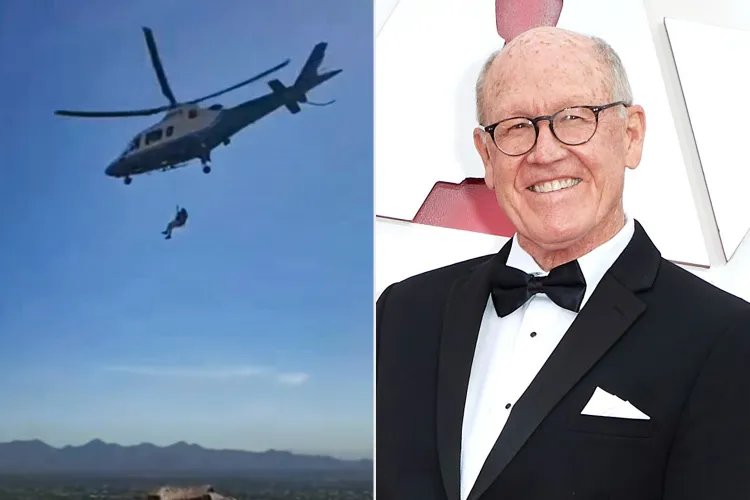
Together, Keane and Bryant made Dear Basketball, an animated short inspired by Bryant’s poem about his relationship with the sport.
The film won the Academy Award for Best Animated Short Film in 2018.
Keane and Bryant stood together onstage to accept the Oscar.
For Keane, it marked another major achievement after decades spent helping create some of animation’s most recognizable films.
He later directed the 2020 Netflix animated feature Over the Moon, which received an Academy Award nomination.
By the time of the Arizona rescue, Keane’s career stretched across generations of animation — from traditional hand-drawn Disney classics to modern projects created long after he left the studio.
A Different Kind of Rescue Story
The situation on Mummy Mountain could have ended very differently if Keane had tried to push through the dizziness.
Instead, he recognized the danger.
He called for help.
And firefighters came to get him.
That simple sequence is perhaps the most important part of what happened.
Experienced people can still get into trouble.
Familiar places can still become dangerous.
And knowing when to stop can matter as much as knowing how to continue.
For Keane, the rescue also created an image unlike almost anything in his career.
For decades, he had helped put heroes, adventures and dramatic escapes onto movie screens.
On July 29, he was the person who needed rescuing.
The heroes were firefighters balancing on a narrow Arizona ledge.
And once Keane was lifted into the helicopter, he was able to look down at the mountains he had explored as a boy and recognize just how fortunate the ending had been.
At 72, the animator behind some of Disney’s most enduring stories came safely off the mountain.
This time, someone else had drawn the happy ending.