Doctors Feared He Wouldn’t Survive His First Days of Life. Twenty-Two Years Later, His NICU Nurse Pinned Him as a New Nurse
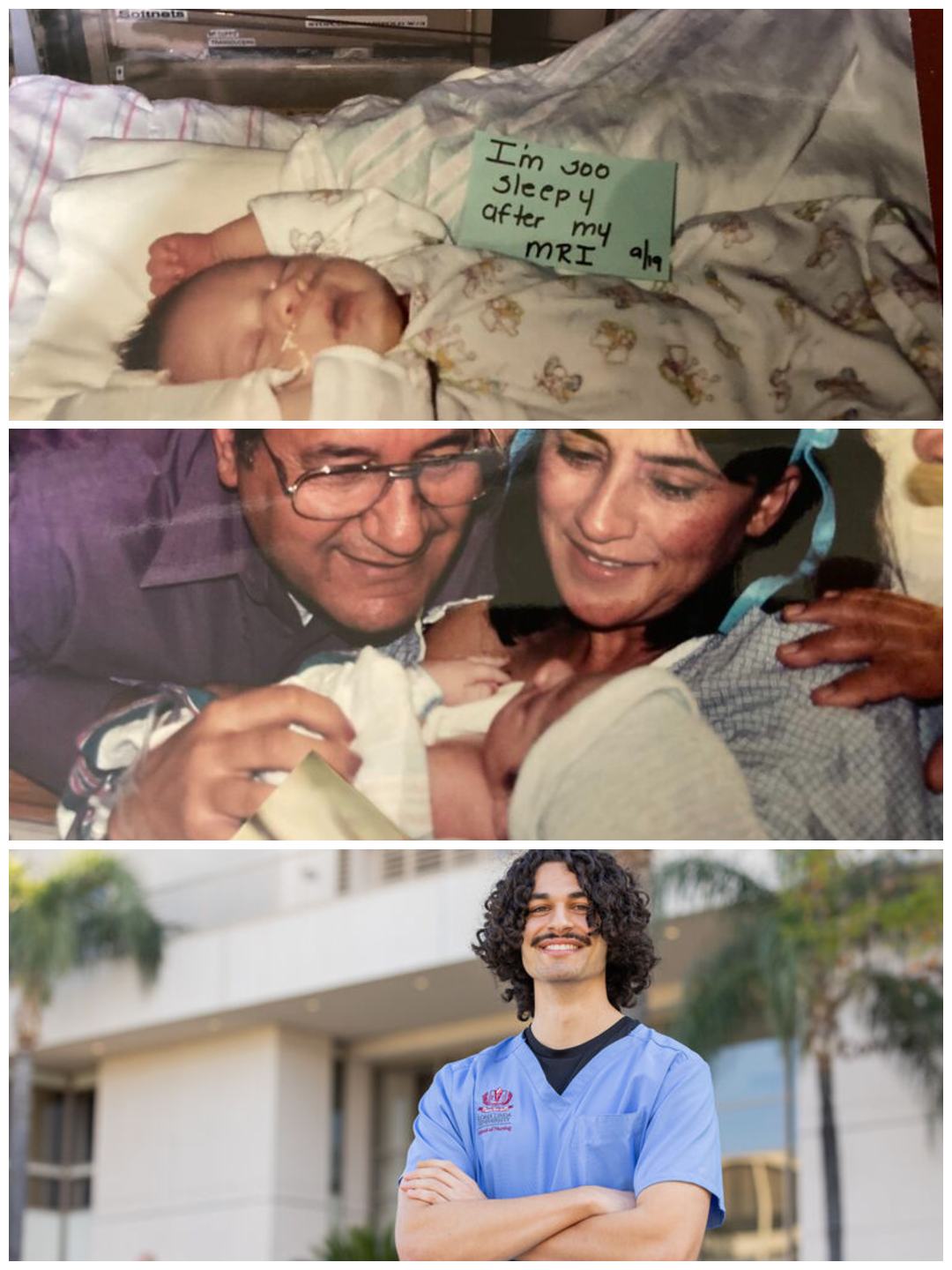
Nito Gil had been alive only a few hours when his parents were forced to hand him over to doctors.
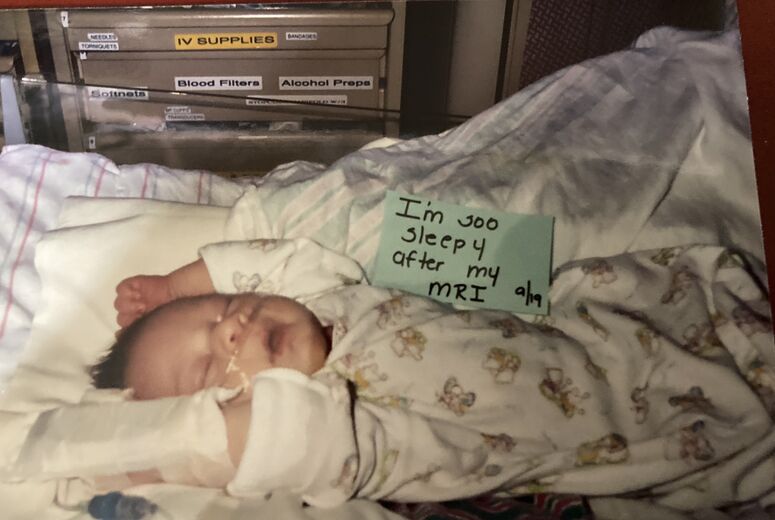
Instead of spending his first days at home in their arms, the newborn was rushed to the neonatal intensive care unit at Loma Linda University Children’s Hospital, where an infection, possible seizures and an uncertain prognosis left his family fearing they might lose him.
A social worker even began preparing his parents for the possibility that their baby would not survive.
He did.
Sixteen days later, Nito finally went home.
More than two decades after that frightening beginning, he returned to the same health system for an entirely different reason.
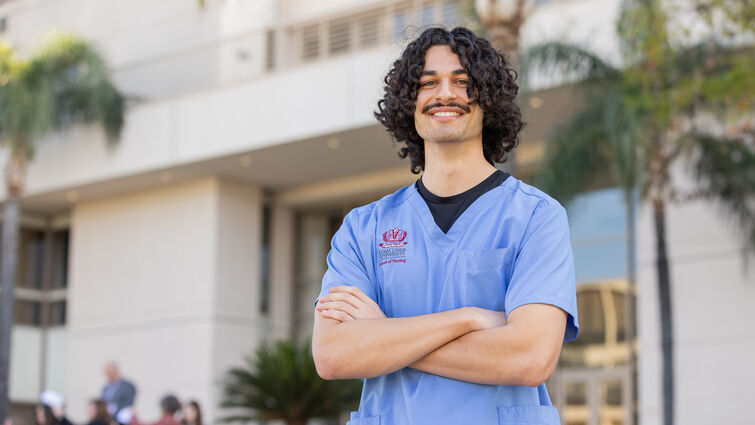
This time, he was wearing scrubs.
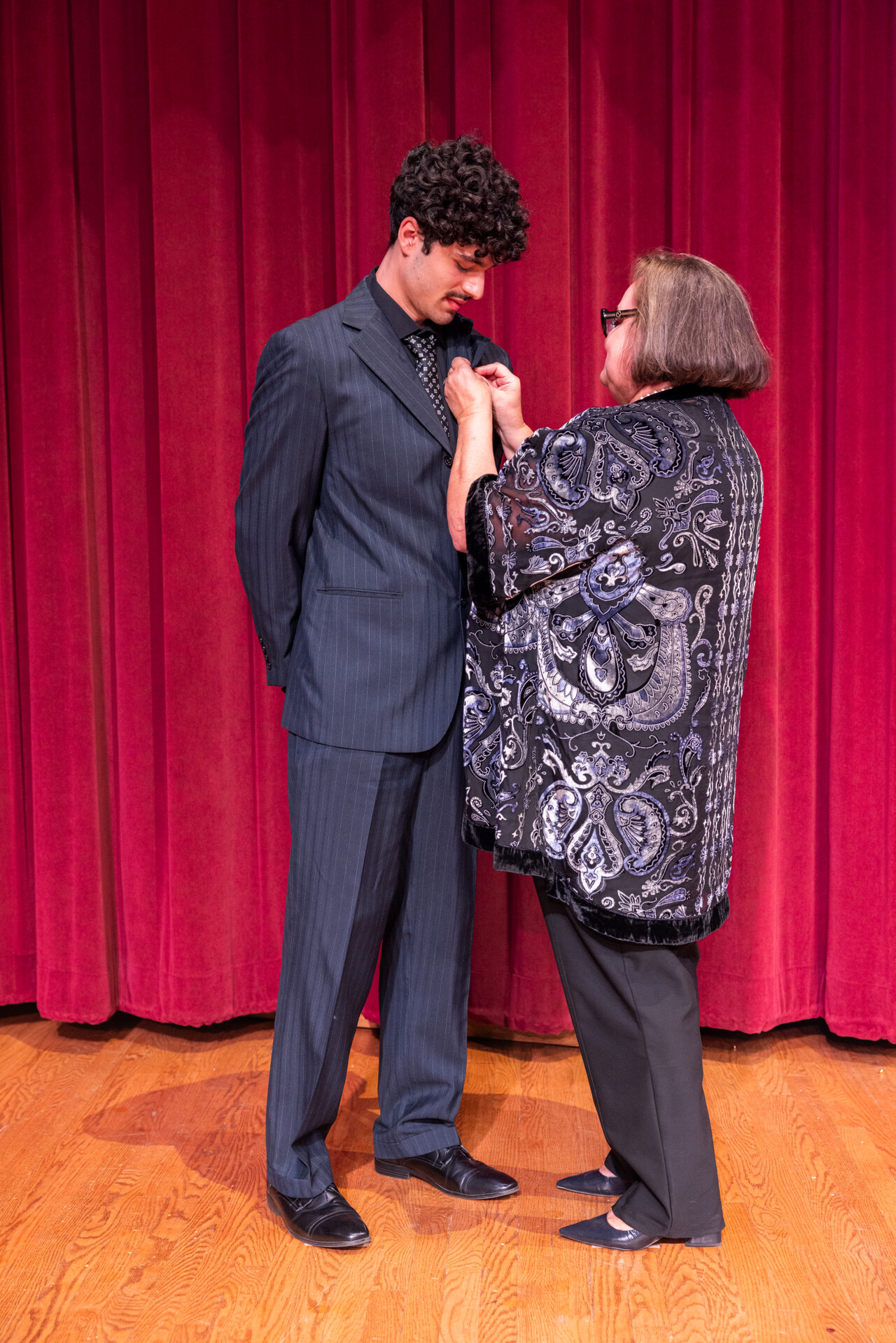
And when he graduated from nursing school in 2026, one of the nurses who had cared for him as a critically ill newborn was there to pin him.
His Parents Were Told to Prepare for the Worst
Nito was born on Sept. 13, 2003, following what his mother, Patricia Larios-Gil, described as a high-risk pregnancy.
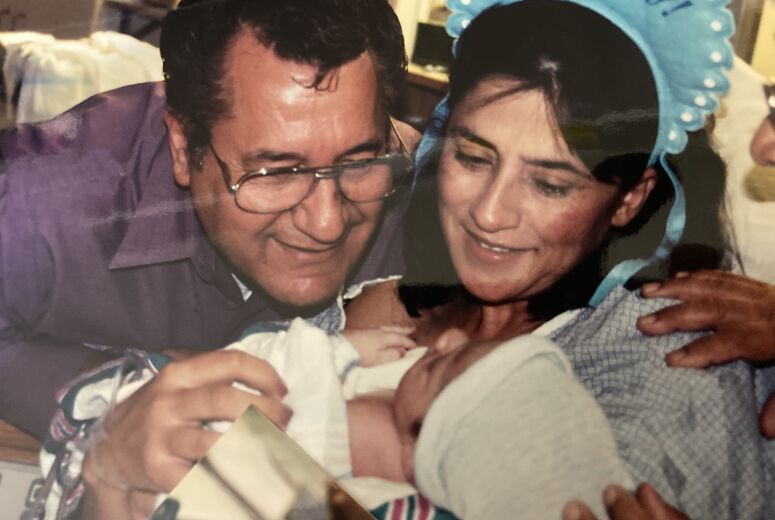
The first few hours after his birth initially gave his parents time to hold their new son.
Then complications emerged.
Nito was transferred to the NICU at Loma Linda University Children’s Hospital.
His parents suddenly found themselves watching their newborn surrounded by medical equipment instead of settling into the ordinary routines they had expected after bringing a baby into the world.
Doctors treated Nito with medication and closely monitored him as they dealt with a serious infection and suspected seizure activity.
His condition was concerning enough that hospital staff began discussing an outcome no new parent wants to hear.
Patricia remembered a social worker coming to the family and trying to prepare them for the possibility that Nito might not make it.
For his parents, those days became filled with uncertainty.
Their son had barely begun his life, yet they were already confronting the possibility that it could end.
Sixteen Days Later, They Took Their Baby Home
Against those fears, Nito improved.
After spending more than two weeks in the NICU, he was discharged on the 16th day.
He still required medication for several months afterward, but he had survived the crisis that once made his future uncertain.
The experience never faded from his family’s memory.
As Nito grew up, his parents repeatedly told him about the first days of his life — the infection, the machines, the uncertainty and the medical team that cared for him.
One nurse became particularly important in those stories.
Her name was Sara Dunn.
Dunn had been Nito’s primary NICU nurse.
Unlike many hospital relationships that end once a patient is discharged, the connection between Dunn and the Gil family continued over the years.
That meant Nito did not simply hear stories about an anonymous nurse who once cared for him.
He grew up knowing the person who had been there during one of the most vulnerable periods of his life.
Eventually, those conversations began shaping the direction of his own future.
The Nurse Who Helped Save Him Became an Inspiration
As Nito became older, Dunn spoke with him about her career in nursing.
He later said her descriptions of the profession and her own journey had a significant influence on him.
The young man who had once been a NICU patient began considering a career in the same field that had helped save him.
Eventually, he enrolled in the School of Nursing at Loma Linda University.
The choice created a remarkable connection between his earliest days and his adult life.
Nito was learning to care for patients in the same broader health system where doctors and nurses had once cared for him.
During clinical rotations, that history became especially powerful.
Walking into the hospital no longer meant hearing a childhood story from his parents.
He was seeing the work from the other side.
Returning to the NICU Felt Different
One rotation carried particular emotional weight.
Nito spent time in the NICU.
The setting was no longer merely the place where his parents said he had nearly died.
Now he could watch families sitting beside fragile newborns and understand their experience in a much more personal way.
He said seeing mothers and fathers visiting their babies made him imagine his own parents more than 20 years earlier.
He could picture Patricia and his father, Nito B. Gil, standing in those same kinds of rooms.
He could imagine the uncertainty they carried while looking at their newborn son.
It gave Nito an unusual perspective.
Most nurses learn empathy through their training and experiences with patients.
Nito also carried the knowledge that he had once been one of those patients.
His parents had once been the frightened family waiting for answers.
He Chose a Different Nursing Path
Given his history, it might seem natural for Nito to immediately choose neonatal nursing as his career.
He did not.
During his training, he discovered that he enjoyed working with adult patients.
His practicum experiences in adult units surprised him in a positive way, and he ultimately began applying to those areas instead.
The choice did not lessen the importance of the NICU in his life.
If anything, it showed that the influence of his childhood experience did not require him to recreate it exactly.
The deeper lesson was about care itself.
Nito said faith and trust in a medical team can become enormously important when families are facing frightening circumstances.
He also came to appreciate what he saw as a strong sense of community within Loma Linda University Health — the feeling that people were invested in one another beyond the surface level.
That was the type of care he hoped to carry into his own nursing career.
Then Came the Pinning Ceremony
Years of classes, clinical work and training eventually led Nito to graduation.
At his March 2026 pinning ceremony, one person was given an especially meaningful role.
Sara Dunn.
The nurse who had cared for Nito when he was a newborn was now standing in front of him as he became a nurse himself.
She placed the pin on him.
For the Gil family, the moment brought two versions of Nito’s life together.
There was the infant in the NICU, surrounded by machines while doctors worked to stabilize him.
And there was the young man in nursing attire, preparing to become the person standing beside someone else’s hospital bed.
More than 22 years separated those images.
Dunn had been there for both.
Every Milestone Still Reminds His Mother of What Almost Happened
For Patricia, Nito’s achievements have always carried a meaning that goes beyond the milestone itself.
Kindergarten.
School graduations.
Adulthood.
Nursing school.
Each one has reminded her that there was once a moment when she was warned her son might never experience any of them.
She still calls him her “miracle baby.”
The phrase is not simply about the fact that he survived.
It reflects everything that survival allowed afterward.
Sixteen days in the NICU became a childhood.
Childhood became an education.
Education became a profession.
And the medical system that once represented fear to his parents eventually became the place where Nito discovered his purpose.
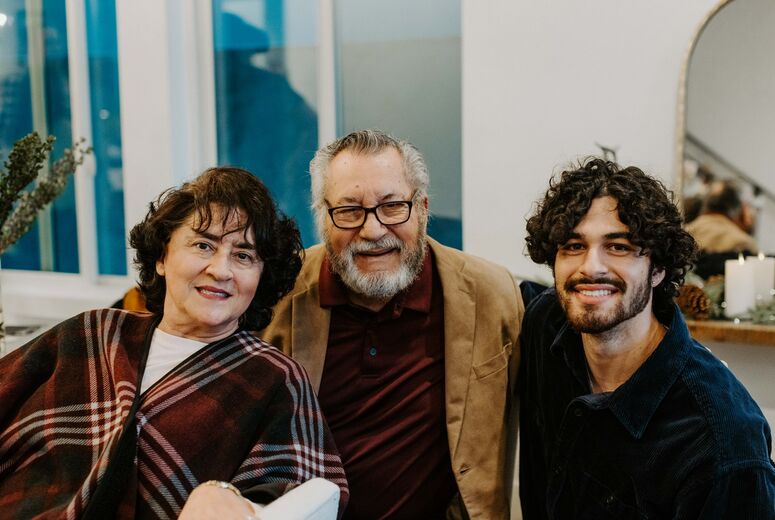
From Receiving Care to Giving It
Nito’s story is not a perfect circle in the most obvious sense.
He is not planning to spend his career in the NICU where his life began.
Instead, he is taking what that experience taught him into another part of nursing.
That may make the story even more meaningful.
The legacy of his earliest caregivers is not limited to one hospital room or one specialty.
It lives in the way he hopes to treat the people who will one day depend on him.
His parents once had to trust strangers with their newborn son.
Now other families and patients will eventually have to place some of that same trust in Nito.
Twenty-two years ago, Sara Dunn helped care for a critically ill baby whose parents had been warned he might not survive.
In March 2026, she stood beside that same person and pinned him as a newly graduated nurse.
The baby went home after 16 days.
Years later, he came back.
This time, he came back to care for someone else.