Dolly Parton Had Never Heard Whitney Houston’s Finished Recording — Until It Suddenly Played on the Radio in Her Cadillac
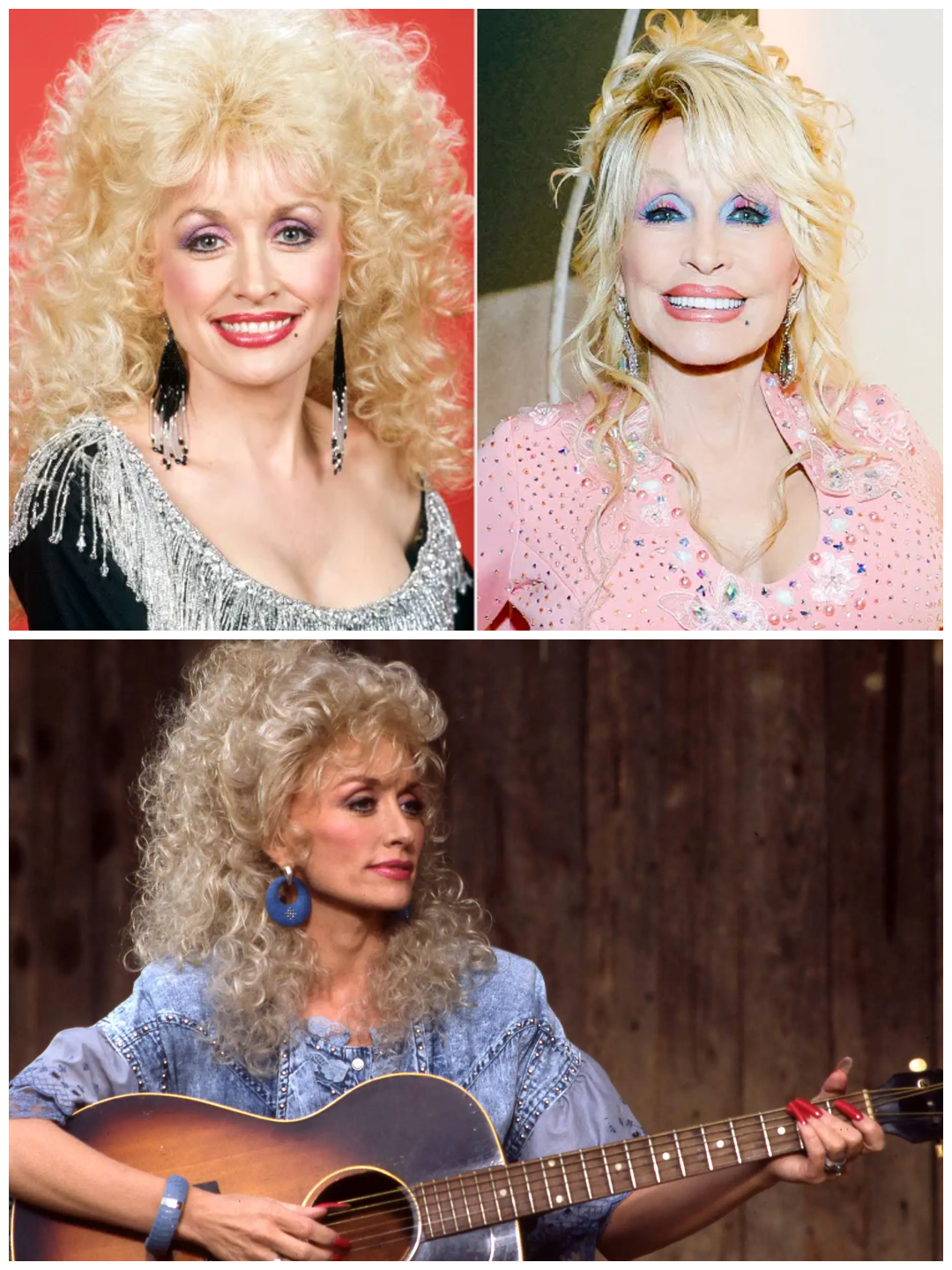
By late 1992, Dolly Parton already knew Whitney Houston was recording “I Will Always Love You.”
What she did not know was exactly what Whitney had done with it.
There had been no private listening session.
No finished tape delivered to Dolly’s house.
No advance preview of the final arrangement.
Instead, the first time Dolly heard Whitney Houston’s complete version of the song came in the most ordinary place imaginable.
She was alone in her car.
Dolly was driving her Cadillac from Nashville toward her home in Brentwood when something familiar began playing on the radio.
At first, she almost did not recognize it.
There were no instruments.
Just Whitney’s voice.
Then Dolly realized what she was hearing.
It was her song.
And by the time the recording reached its enormous emotional peak, Dolly was so overwhelmed that she pulled into a parking lot and stopped the car so she could listen to the rest.
For a songwriter who had already heard “I Will Always Love You” performed many times, this version felt completely new.
And she was hearing it for the first time at exactly the same moment as millions of ordinary radio listeners.
The Song Had Already Lived One Entire Life
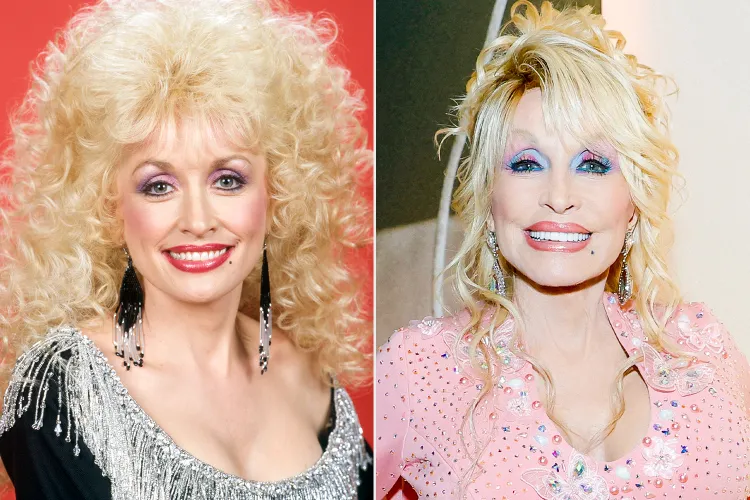
Dolly originally wrote “I Will Always Love You” in the early 1970s.
The song was inspired by her professional separation from Porter Wagoner, the country star who had played a major role in her early career.
Dolly wanted to leave their partnership and establish herself more fully as a solo artist.
The decision was emotionally difficult.
Rather than trying to explain everything in a long argument, Dolly did what she often did when words became complicated.
She wrote a song.
“I Will Always Love You” was not originally meant as the sweeping romantic anthem many listeners later assumed it was.
It was a farewell.
A way of saying that leaving someone did not erase gratitude or affection.
Dolly recorded the song herself, and it became one of the most important pieces in her catalog.
Years later, another superstar would completely transform its sound.
Then Hollywood Came Calling
When The Bodyguard was being developed, Kevin Costner and the filmmakers were searching for the right song for a critical moment in the movie.
Whitney Houston was starring opposite Costner, and the soundtrack would become central to the film’s identity.
According to Dolly’s later recollections, someone from Costner’s office — often described as his secretary — contacted her side about obtaining “I Will Always Love You” for consideration.
The request itself was exciting.
But after the song was sent, Dolly did not immediately hear much more.
There was no dramatic phone call telling her exactly what Whitney planned to do with it.
No one sat Dolly down and explained that the arrangement would begin completely a cappella.
She knew the song was being used.
She did not know what the final recording would sound like.
Then, one day, the answer arrived through her car radio.
Dolly Was Driving Home When It Happened
Dolly later described being behind the wheel of her Cadillac, driving from Nashville toward Brentwood.
The radio was on.
A voice came through the speakers.
At first, there was no musical introduction to signal what song was beginning.
Whitney Houston simply started singing.
That choice was crucial.
Dolly’s own recording had a completely different texture.
Whitney’s opening was exposed, intimate and almost startlingly bare.
For several seconds, the song did not sound like the familiar country recording Dolly had known for years.
Then the melody clicked.
Dolly recognized it.
She realized Whitney Houston was singing “I Will Always Love You.”
And this was the first time she was hearing the finished version.
She Had to Pull Over
The recording kept building.
Whitney moved from the quiet opening into the full arrangement.
Then came the enormous vocal moments that would eventually make the song one of the defining recordings of her career.
Dolly was stunned.
She later recalled becoming so emotionally overwhelmed that she had to pull her Cadillac off the road.
She found a parking lot.
She stopped.
And she listened.
For a songwriter, there is something extraordinary about hearing another artist reinterpret your work so dramatically that it almost feels like a different song.
Dolly knew every lyric.
She knew every melodic turn.
She knew exactly where the song had come from emotionally.
Yet Whitney had found another way into it.
The words were still Dolly’s.
The experience of hearing them was completely new.
Whitney Did Not Simply Copy Dolly
That difference is part of why the recording worked so well.
Whitney Houston did not attempt to imitate Dolly Parton’s original version.
She made a completely different artistic choice.
Dolly’s recording was restrained and deeply rooted in country storytelling.
Whitney’s version became cinematic.
The a cappella opening created tension.
The arrangement gradually expanded.
Then Whitney’s voice exploded into the sections that became instantly recognizable around the world.
The recording respected the song while refusing to duplicate it.
That may have been exactly why Dolly reacted so strongly.
She was not hearing someone reproduce her work.
She was hearing someone discover a new version of it.
The Radio Moment Changed Everything
What Dolly heard in that parking lot was about to become a global phenomenon.
Whitney Houston’s “I Will Always Love You” became the signature song of The Bodyguard soundtrack and one of the biggest recordings of the 1990s.
It dominated radio.
It sold around the world.
It became one of Whitney’s defining performances.
And because Dolly had written the song and retained her publishing rights, its success also brought her enormous financial rewards.
The royalties from Whitney’s version reportedly generated millions of dollars for Dolly.
But the money was not what Dolly remembered most vividly when she described hearing the recording for the first time.
She remembered the emotional shock.
The Cadillac.
The radio.
And the need to stop driving.
The Moment Was Almost Too Perfect
There is something fitting about Dolly discovering the recording the same way an ordinary fan might have.
She was not surrounded by executives in a studio.
She was not at a glamorous Hollywood premiere.
She was driving home.
Then her own song unexpectedly came through the speakers in a voice unlike any version she had heard before.
It is easy to imagine how strange that must have felt.
The song had begun as something deeply personal between Dolly and Porter Wagoner.
It had already become a country standard.
Now, decades later, Whitney Houston was turning it into something that belonged to an entirely new audience.
And Dolly was hearing that transformation happen through the dashboard of her own car.
Dolly Immediately Knew Whitney Had Done Something Special
The story also says something important about Dolly’s attitude toward other performers.
She was never threatened by Whitney’s success with the song.
If anything, she celebrated it.
Dolly understood that Whitney had elevated the composition in a different direction.
She recognized the magnitude of the performance.
And over the years, she repeatedly spoke with admiration about what Whitney had done.
That generosity became part of the song’s legacy.
There was no need to argue over which version was “better.”
They served different purposes.
Dolly had created the song.
Whitney had reinvented it.
Both versions became permanent.
One of Music’s Biggest Songs Began With a Surprise on the Radio
Today, “I Will Always Love You” is so closely associated with Whitney Houston that it can be difficult to imagine a time when Dolly Parton herself had not yet heard Whitney sing the finished recording.
But that moment existed.
It happened in late 1992.
Dolly was driving her Cadillac from Nashville toward Brentwood.
Whitney’s voice suddenly came over the radio.
Dolly recognized her own song.
Then she heard what Whitney had turned it into.
She pulled into a parking lot.
She stopped the car.
And she listened until the final note.
For one of the most successful songwriters in country music history, the first full experience of Whitney Houston’s “I Will Always Love You” did not happen backstage, in a studio or at an industry event.
It happened behind the wheel.
And Dolly never forgot it.