Even Dolly Parton’s Close Cousin Didn’t Know How Serious Her Illness Was — Her Family Now Explains Why
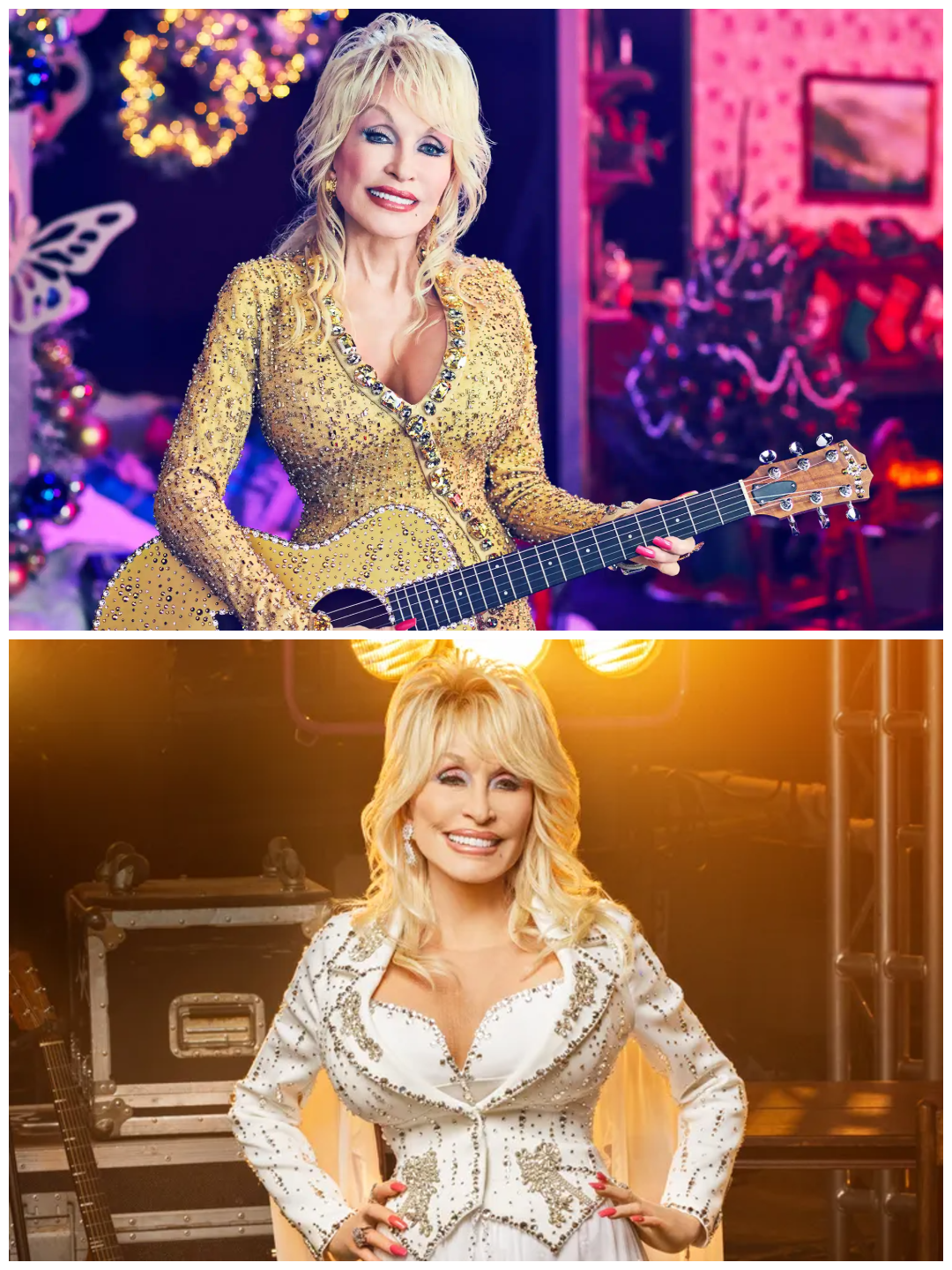
Dolly Parton spent most of her life sharing stories.
She talked openly about growing up poor in the Tennessee mountains, her marriage to Carl Dean, the origins of her songs and even some of the health problems she faced in later years.
But there was one subject she protected with extraordinary care.
Her final cancer battle.
After Parton died at age 80 on Aug. 25, 2026, her representatives revealed that she had faced a “brief battle with cancer.” Yet the diagnosis had been kept so private that even people inside her own family did not necessarily understand how serious her condition had become.
Now two relatives are helping explain why.
Her niece Jada Star said Dolly simply did not want people worrying about her.
And Richie Owens — Dolly’s cousin, longtime collaborator and someone who had worked beside her for decades — described the same instinct.
Dolly wanted positivity around her.
Her message, according to Owens, was essentially: Don’t worry about me. I’m going to be fine.
That reassurance was apparently so convincing that the seriousness of her illness remained hidden from many people until very near the end.
Jada Star Said Dolly “Never Wanted to Worry Anybody”
Star discussed her aunt’s private health battle in an interview released Sept. 1.
“We kind of kept all that stuff real private,” she explained.
Why?
“She never wanted to worry anybody.”
That short explanation reveals a great deal about how Dolly apparently approached illness.
She was not interested in making her health the center of everyone else’s attention.
She had spent decades being the person who encouraged other people, made them laugh and reassured them.
Even while facing cancer, she apparently resisted reversing those roles.
Her family knew she had health problems.
But knowing someone is unwell is very different from understanding that the illness may be life-threatening.
Star herself described Dolly’s death as a shock.
“It’s been really difficult and very surreal,” she said afterward.
Richie Owens Saw the Same Pattern
Owens’ perspective makes the story even more striking.
This was not a distant relative who rarely saw Dolly.
He was part of her musical life for years.
A singer-songwriter and producer, Owens worked on Dolly projects including Hungry Again in 1998 and Precious Memories in 1999.
Yet even he described Dolly as someone who deliberately kept health struggles private within the family.
“She’s always kept things private because she wanted to keep everybody being positive around her,” Owens said after her death.
He remembered her attitude as:
“Don’t worry about me, I’m gonna be fine.”
That sentence may explain how Dolly could be surrounded by people who loved her while still preventing them from fully understanding what she was facing.
It was not necessarily secrecy for secrecy’s sake.
It was protection.
Dolly seemed to believe that if she could keep everyone else hopeful, she could spare them some of the fear surrounding her illness.
She Had Acknowledged Health Problems — Just Not Cancer
Part of what made the strategy effective was that Dolly had not pretended she was perfectly healthy.
Fans already knew she had experienced medical problems.
In 2025, she discussed complications stemming from a kidney stone and infection and postponed planned Las Vegas performances while undergoing medical procedures.
She continued reassuring fans that she was not retiring.
Then, in March 2026, Dolly acknowledged that she had dealt with several health issues while also struggling physically and emotionally after the death of Carl Dean, her husband of nearly 60 years.
Those explanations were real.
But they did not reveal the full picture.
The public knew Dolly was having health problems.
The public did not know she had cancer.
And apparently, even some relatives did not know just how grave the situation had become.
Four Days Before Her Death, She Was Hospitalized
The final timeline moved quickly.
Dolly was admitted to Vanderbilt-Ingram Cancer Center in Nashville on Aug. 21.
She died four days later, on Aug. 25, surrounded by loved ones.
Only after her death did her representatives publicly state that she had been fighting cancer.
Their announcement described it as a “brief battle.”
What it did not disclose was the specific type.
As of Sept. 4, no authoritative public statement has identified what kind of cancer Dolly had.
That distinction matters.
Earlier kidney or autoimmune issues have been publicly discussed, but those conditions should not be assumed to explain the cancer diagnosis or her death unless her family or representatives say so.
For now, the exact cancer remains private.
The Last Time Owens Saw Her Didn’t Feel Like a Goodbye
Perhaps nothing better illustrates how successfully Dolly hid the seriousness of her condition than Owens’ memory of the last time they were physically together.
Their final meeting revolved around music.
Owens had helped locate the same type of small Martin guitar Dolly had owned as a child — an instrument originally given to her by his father in 1958.
They eventually found the correct make and model, documented its history with Martin Guitar, and Dolly also received a specially made Martin featuring her beloved butterfly symbol.
Owens personally presented the guitars to her.
Looking back, it became their final meeting.
But it did not feel that way at the time.
“That lady was a workaholic,” Owens said. “She was relentless.”
There was apparently no dramatic goodbye.
No moment that made him think this would be the final time he saw his cousin.
Dolly was still talking, working and behaving like Dolly.
That makes what happened afterward even more difficult to process.
She Had Spent Her Career Reassuring Everyone Else
Dolly’s decision to protect people from worry fits a pattern that extended far beyond her health.
Her public personality was built around optimism.
Even when she talked about childhood poverty, heartbreak or difficult periods of her career, she often found a joke or hopeful conclusion.
Owens said the personality audiences saw was not something Dolly switched on when cameras arrived.
“What you saw from Dolly is how she was in real life,” he said, describing her as personable, giving and almost “magical.”
That may be why hiding the severity of her illness came naturally.
Dolly had spent decades being the reassuring person in the room.
Becoming the person everyone worried about may have felt completely unnatural to her.
Even Her Final Arrangements Followed the Same Philosophy
The privacy did not end with her illness.
Dolly also wanted her burial to remain extremely small.
She was laid to rest on Aug. 28 beside Carl Dean, with only a few family members present.
Owens said Dolly wanted everything handled quietly and quickly and stressed that the small gathering had nothing to do with family conflict.
It was simply what she wanted.
Even flowers were not especially important to her.
Owens said Dolly had repeatedly suggested that people would be better off donating the money they might spend on flowers to her Imagination Library instead.
The pattern was consistent right to the end.
Less attention on Dolly.
More attention on something positive.
Her Family Is Only Now Understanding the Full Goodbye
For Jada Star, the public tributes have made the grief both painful and comforting.
She said she could not remember a life without her aunt.
At the same time, seeing how much the world loved Dolly had helped the family cope.
Star also knew how Dolly would probably react to everyone continuing to mourn.
She imagined her telling them to dry their tears, get back to work and “love each other real hard.”
It sounds remarkably similar to the message Dolly gave people while she was ill.
Don’t worry about me.
Keep going.
Stay positive.
I’ll be fine.
That may be the clearest answer to how Dolly Parton managed to keep the seriousness of her cancer hidden even from people who knew her personally.
She did not simply refuse to discuss it.
She reassured them.
She kept working.
She kept making plans.
And she continued behaving so much like the Dolly they had always known that even some members of her own family did not realize how close the end had become.
The world now knows she died after a brief battle with cancer.
What kind of cancer it was remains undisclosed.
And for those closest to her, the fact that Dolly protected them from knowing more may have been one final expression of something she had spent her entire life doing:
trying to make everyone else feel a little less afraid.