Former ‘American Idol’ Contestant Accused of Discussing Ways to Kill Wife in Messages Before Her Death, Prosecutors Say

A former American Idol contestant accused of murdering his wife allegedly sent a series of disturbing messages to another woman in the days before the fatal shooting, telling her he had been thinking about ways his wife could die without him going to prison, prosecutors told jurors as his Ohio murder trial began.
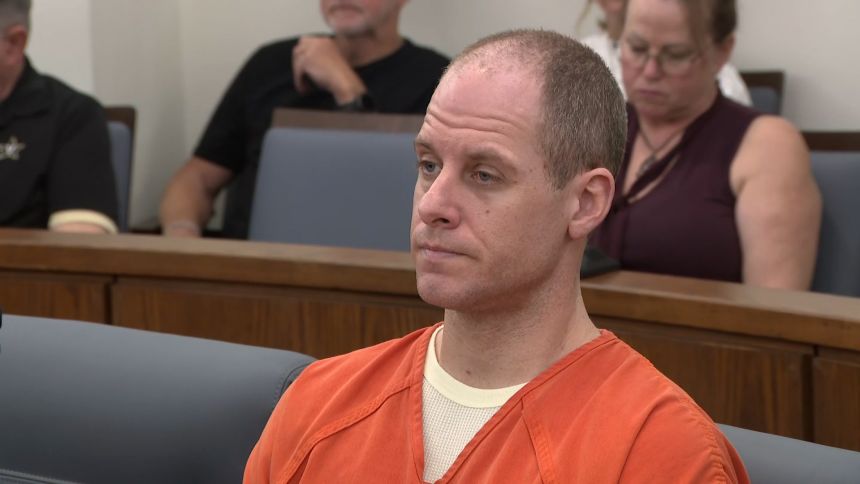
Caleb Flynn, 40, is standing trial in connection with the February 2026 death of his wife, 37-year-old Ashley Flynn, inside the couple’s Tipp City home.
Prosecutors allege the killing was not the result of the home invasion Caleb initially described to authorities. Instead, they contend that he deliberately killed Ashley and then manipulated the scene to make it appear that a burglar had entered the house and shot her.
Caleb has pleaded not guilty.
The prosecution’s opening statement on Sept. 18 placed particular emphasis on private messages Caleb allegedly exchanged with a woman with whom authorities say he was having an affair. The woman has not been accused of participating in Ashley’s death or charged with any wrongdoing.
According to prosecutors, those conversations provide a window into Caleb’s state of mind shortly before his wife was killed.
Prosecutors Focus on Messages Sent Before the Shooting
Jurors were told that some of the messages allegedly contained explicit references to killing Ashley.
In one exchange described in court, Caleb allegedly wrote that he had stayed awake until the early morning hours thinking about ways to kill his wife while avoiding prison.
Prosecutors also cited another message in which he allegedly said that if he could kill Ashley without facing spiritual consequences, he would do so.
Perhaps most significant to the prosecution’s timeline is a message Caleb allegedly sent shortly before Ashley’s death.
“I choose you. I’m free,” he allegedly told the other woman, before referring to actions that would happen the following day, Feb. 16.
Prosecutors are expected to argue that the timing and language of the communications support their contention that Ashley’s killing was planned rather than the result of a random burglary. The defense, however, is entitled to challenge how the messages should be interpreted and whether the state’s evidence proves Caleb committed the killing beyond a reasonable doubt.
A 911 Call Reported an Intruder
Ashley was killed during the early morning hours of Feb. 16, 2026.
Authorities were called to the Flynn family home in Tipp City after Caleb reported a burglary and shooting.
In the 911 call, he told the dispatcher that someone had broken into the house and shot his wife.
Police arriving at the residence found Ashley dead. Caleb and the couple’s two children were also at the home at the time, authorities previously said.
But investigators soon began questioning whether a stranger had actually entered the property.
Court documents later alleged that the crime scene had been staged in an effort to mislead responding officers. Authorities also examined circumstances surrounding the reported entry point and other physical evidence as the investigation shifted toward Caleb.
Just days after Ashley’s death, he was arrested.
A criminal complaint filed in February alleged that Caleb killed his wife with a 9mm handgun during the morning hours of Feb. 16.
The case later expanded significantly.
Grand Jury Returned 11 Charges
On March 18, a Miami County grand jury indicted Caleb on 11 counts connected to Ashley’s death and the investigation that followed.
Those charges included one count of aggravated murder, three counts of murder, two counts of felonious assault, three counts of tampering with evidence and two counts involving intimidation of an attorney, victim or witness in a criminal case.
The county prosecutor’s office said at the time that multiple law-enforcement agencies had participated in the investigation.
If convicted of the most serious charge, Caleb could face life in prison without the possibility of parole.
His bond was increased to $3.5 million following the grand jury indictment.
Caleb has maintained his not-guilty plea, meaning the allegations against him remain accusations unless and until prosecutors prove them in court.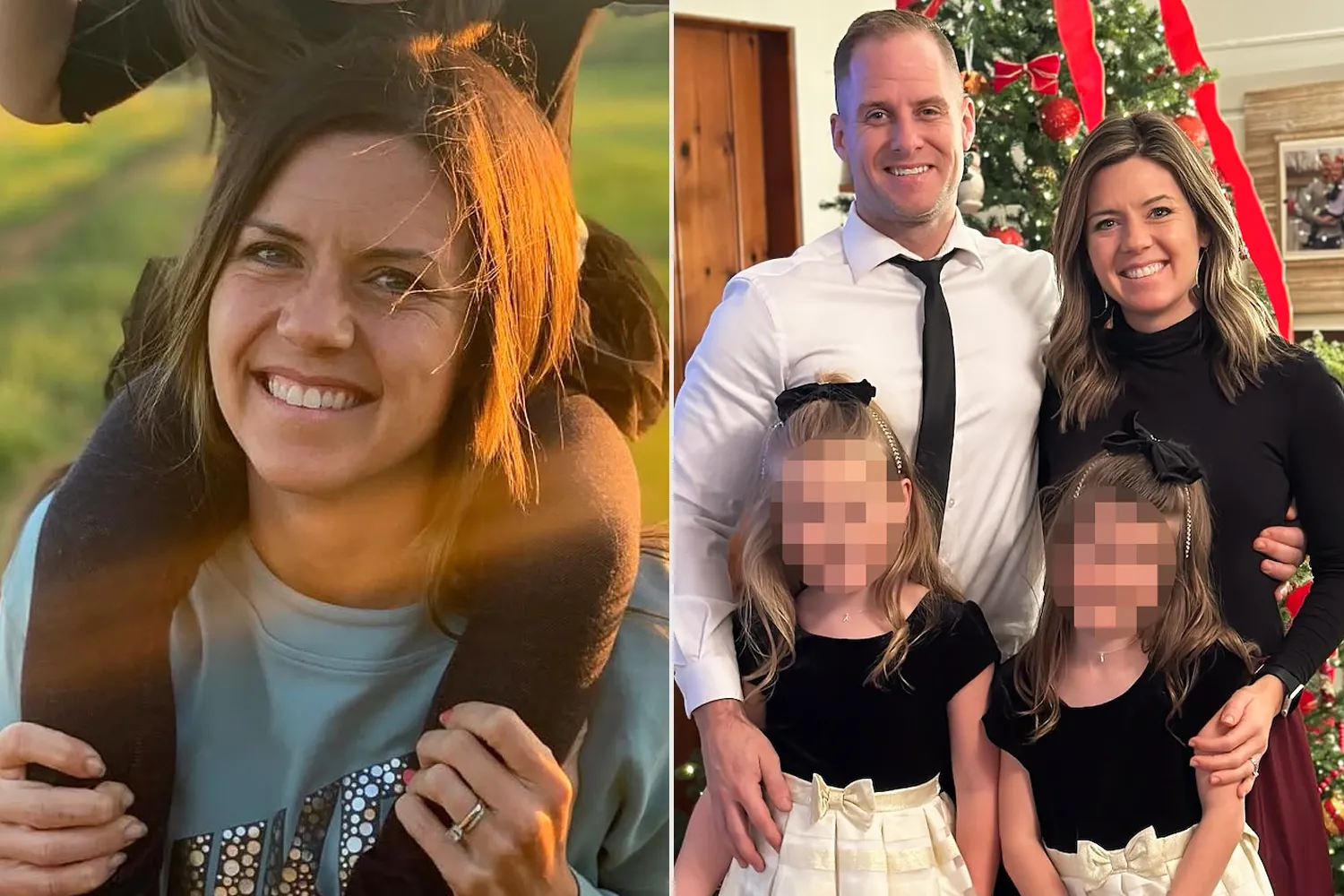
Two Very Different Images of a Marriage
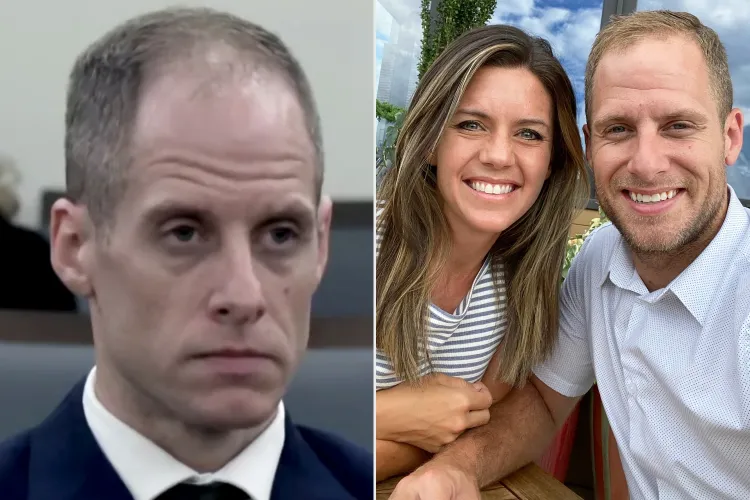
The allegations revealed during the trial stand in stark contrast to the public image Caleb once presented of his relationship with Ashley.
More than a decade before her death, Caleb appeared as a contestant during the 12th season of American Idol in 2013.
During his appearance, he publicly spoke about his faith, his love of singing and his affection for his wife.
Years later, he worked as a worship pastor and also worked for Ashley’s family.
Ashley, meanwhile, was deeply involved with children and her local community.
She was a mother of two daughters and was remembered for her work in education, athletics and church activities. She had worked as a substitute teacher and coached youth sports, while also serving as a mentor through her church community.
Those details have added another layer to a case already drawing attention because of Caleb’s brief television background.
At its center, however, is the death of a 37-year-old mother and the question jurors must now answer: what actually happened inside the Flynn home during the early hours of Feb. 16?
The Trial Could Turn on Digital and Physical Evidence
The alleged messages are expected to form an important part of the prosecution’s case, but they are only one piece of a much larger body of evidence jurors may hear.
Prosecutors have alleged that there was no evidence supporting Caleb’s initial account that an unknown intruder entered the home and killed Ashley. They are expected to present evidence involving the physical crime scene, the couple’s communications and events leading up to the shooting.
Witness testimony is also expected to play a significant role.
Among those expected to testify during the trial are the couple’s daughters and the woman prosecutors identify as Caleb’s mistress. The children were inside the home when their mother died, according to authorities. Arrangements were made for their testimony to be handled with additional protections because of their ages.
The woman who exchanged messages with Caleb has not been accused by authorities of involvement in Ashley’s killing.
For the jury, the task will be to determine whether the prosecution can connect the alleged statements, physical evidence and events inside the home into a case that establishes guilt beyond a reasonable doubt.
The defense will have the opportunity to challenge that evidence, question witnesses and offer an alternative interpretation of what happened.
As testimony continues, some of the most closely watched evidence will likely involve the digital trail left before Ashley’s death — particularly the messages prosecutors say were exchanged only hours before the shooting.
For now, Caleb Flynn remains accused, not convicted, and the final determination of what happened to Ashley Flynn rests with the jury hearing the evidence in court.