A Role That Opened a Door: How Kaylee Hottle Is Helping Make Hollywood More Inclusive
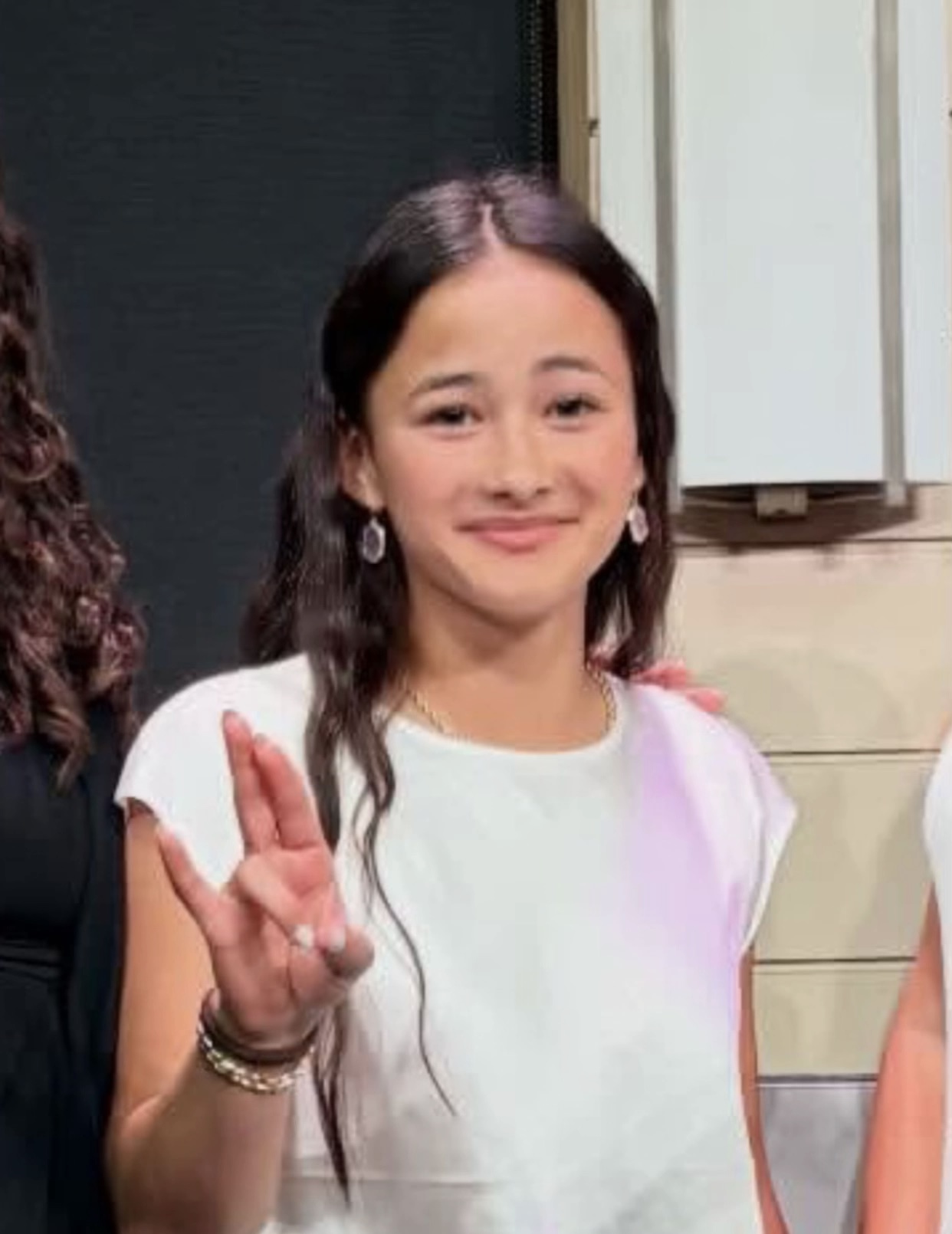
For a young actor, landing a role in a major Hollywood franchise can be life-changing.
For Kaylee Hottle, it became something bigger.
Her portrayal of Jia in Godzilla vs. Kong introduced her to audiences around the world, but it also placed a deaf young actress in the middle of a blockbuster franchise where representation was rarely the main conversation.
Suddenly, millions of viewers were watching a character communicate through American Sign Language while standing alongside some of the biggest stars and most recognizable creatures in modern cinema.
And Jia was not there simply to represent a community.
She was there because she belonged in the story.
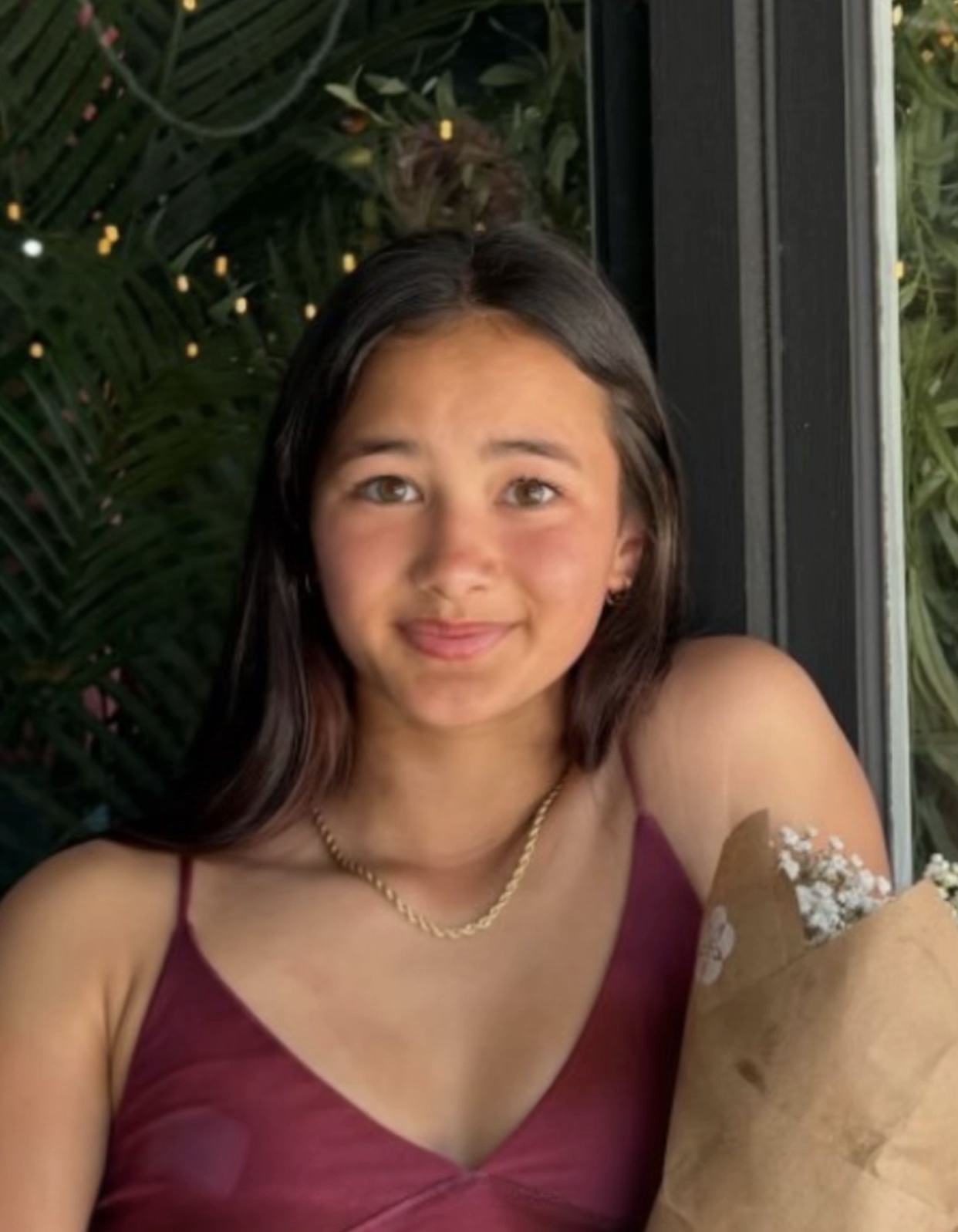
That difference is important.
Representation can sometimes feel artificial when a character exists only to deliver a message. Jia worked differently. She had relationships, emotions and a role to play in the unfolding story.
Her connection with Kong became especially memorable.
In a franchise built around spectacular battles, their relationship depended on quiet moments and visual communication. Jia could reach Kong in a way that many of the other characters could not.
Hottle had to make that relationship believable without relying heavily on spoken dialogue.
Her expressions became part of the storytelling.
Her gestures carried meaning.
Her silence became an active part of the performance.
For a young actress, that is a remarkable responsibility.
But it also gave audiences an opportunity to see deafness through a different lens.
Jia was not portrayed as someone who needed to be “fixed.” She was not defined by what she could not hear.
Instead, the character’s way of communicating became one of the things that made her uniquely capable of connecting with Kong.
That idea extends beyond the MonsterVerse.
For years, deaf characters in mainstream entertainment were often secondary figures, while deaf performers themselves had fewer opportunities to take prominent roles. Hottle’s casting offered a different image: a deaf actress participating in a massive production and becoming an important part of its emotional story.
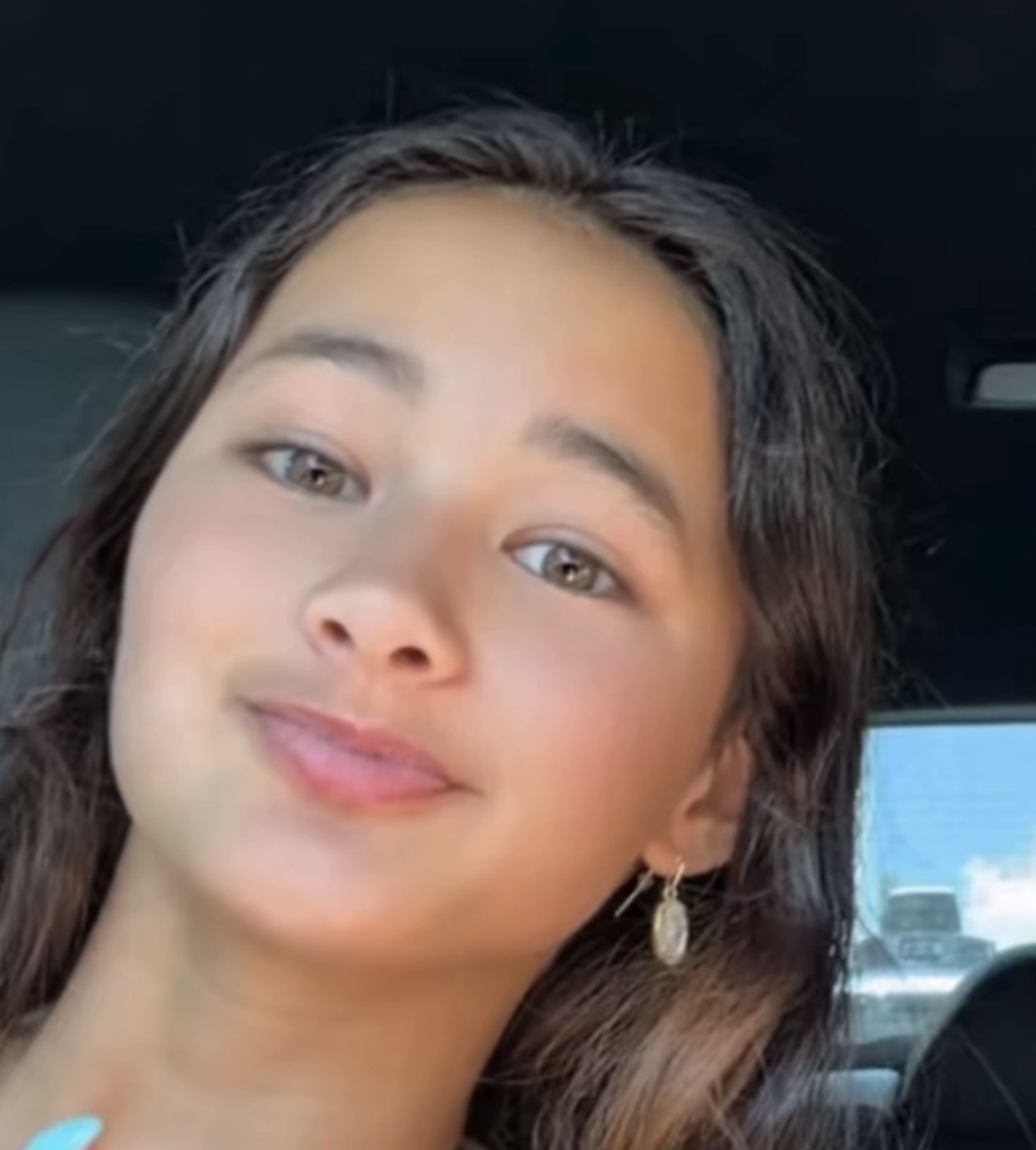
That visibility can matter enormously to younger viewers.
A child watching a movie may not think about casting decisions or Hollywood’s history of representation. They simply see someone like themselves occupying a place on screen that once seemed unusual.
A young deaf viewer can see Jia and think: I belong here too.
That is one of the quiet powers of representation.
It does not always happen through speeches or headlines.
Sometimes it happens through a character simply being there.
Hottle’s return in Godzilla x Kong: The New Empire strengthened that visibility. Jia was no longer just a new face introduced in one film; she had become part of an ongoing cinematic universe.
And Hottle continued to demonstrate that authentic representation does not have to come at the expense of entertainment.
The audience can come for Godzilla and Kong.
They can stay for Jia.
They can become invested in her relationships and emotions without needing her story to revolve entirely around deafness.
That may be the most important lesson from Hottle’s early career.
Being a deaf actress is part of her story, but it does not have to be the limit of it.
She can be an actress first.
A storyteller.
A performer.
And potentially, one of the people helping make the next generation of Hollywood more open to different voices — including voices expressed through sign language.
Her career is still young, and there is much more ahead.
But one door has already opened.
And when a young performer walks through that door, sometimes the people following behind can see a path that wasn’t visible before.
That is how representation becomes more than visibility.
It becomes possibility