George Hamilton Says He Woke From Surgery Not Knowing Who He Was. One Book Helped Him Reconstruct His Life
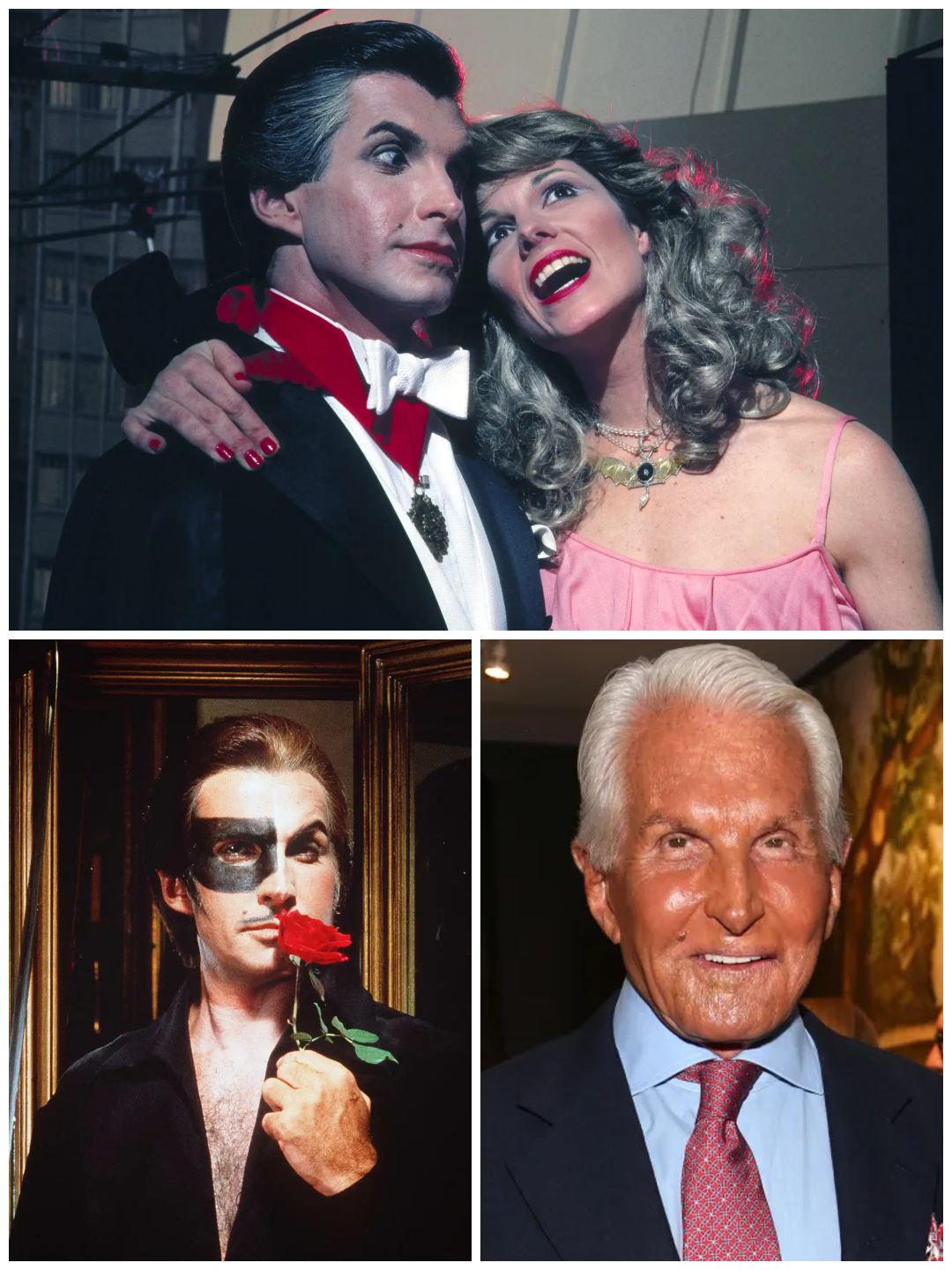
George Hamilton has spent most of his life being instantly recognizable.
For decades, audiences have known the actor for his film career, his polished Hollywood image, his famous tan and his long history in the public eye.
But Hamilton says there was a period when he could not recognize the most basic thing about himself.
His own identity.
In a new interview, the 87-year-old actor revealed that after undergoing surgery roughly four or five years ago, he woke up with severe memory loss and no clear sense of who he was.
Doctors initially suggested the problem might last only a few days.
According to Hamilton, it lasted much longer.
And as he tried to reconstruct the story of his own life, he turned to an unusually personal source for help:
His own autobiography.
Hamilton says he repeatedly read Don’t Mind If I Do: My Adventures in Hollywood, the memoir he published in 2008, almost as if he were studying the life of a stranger.
The experience forced him to confront an extraordinary question.
What happens when you read the story of your own life but do not fully remember living it?
Hamilton Says He Woke Up Without Knowing Who He Was
Hamilton described the memory loss during a recent interview with Page Six.
He said the episode followed an operation several years ago, although he did not publicly detail the specific procedure in the account.
When he woke up, he said, his memory had been profoundly disrupted.
“I didn’t know who I was,” Hamilton recalled.
Doctors apparently reassured him that the confusion could be temporary and might resolve within days.
Hamilton says that was not what happened.
The process of recovering his memories stretched far beyond that initial expectation.
Instead of simply waking up one morning with everything restored, he had to gradually piece together his life.
That meant confronting gaps that involved not only names and events but his own sense of identity.
For someone whose career had been documented for decades, however, Hamilton had one resource that most people would never have.
He had already written his life story down.
His 2008 Memoir Became a Kind of Personal Guidebook
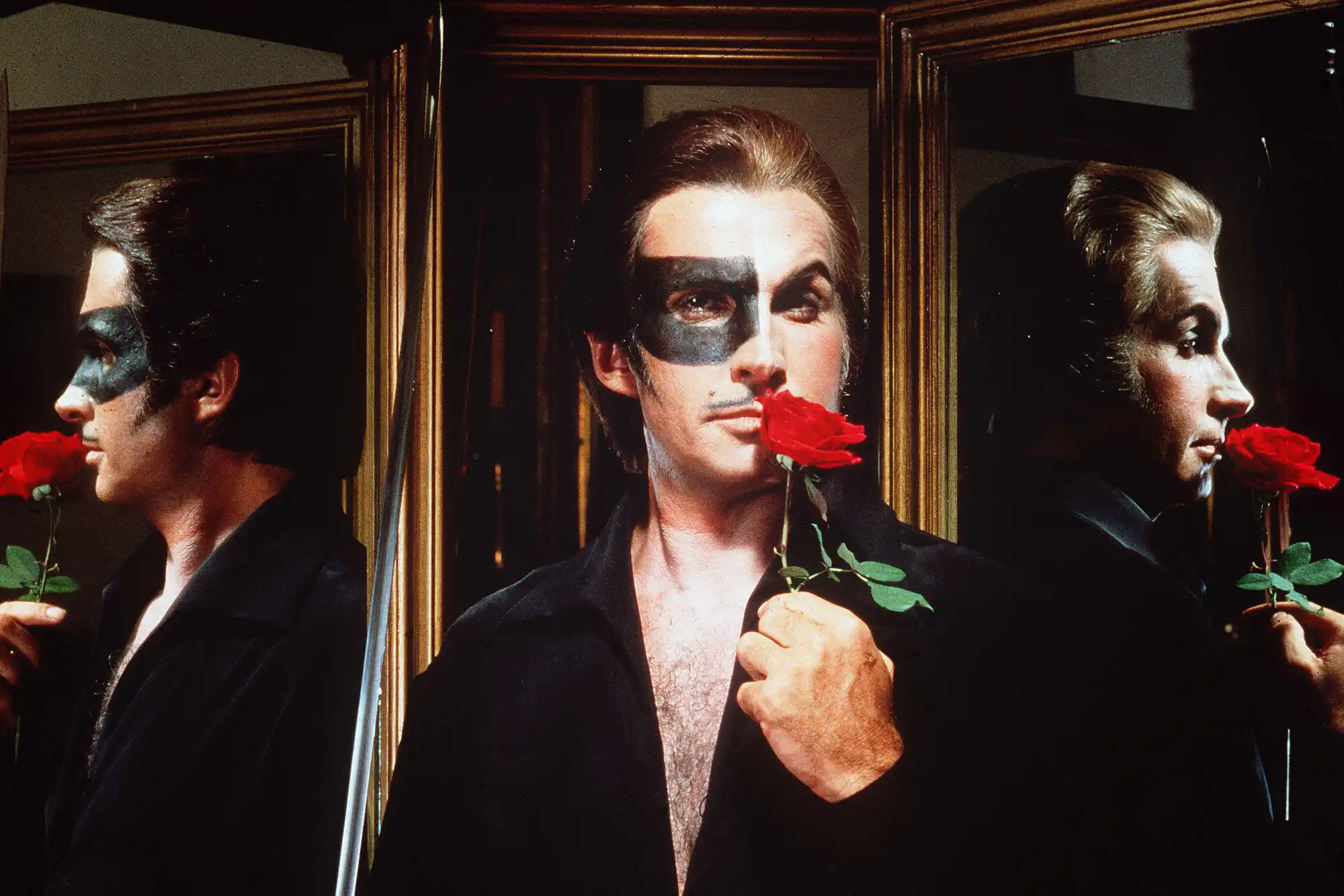
Hamilton’s autobiography, Don’t Mind If I Do: My Adventures in Hollywood, had been published years before his surgery.
The memoir recounts his childhood, rise in Hollywood, relationships, career and encounters with some of the most famous figures of his era.
After his memory loss, the book suddenly took on a completely different purpose.
It was no longer simply a memoir written for readers.
It became a reference manual for its own author.
Hamilton says he went through the book repeatedly, using the stories on its pages to understand who he had been.
The idea sounds almost like the premise of a film: a man wakes without a clear memory of his own life and then discovers a book written by a previous version of himself.
But Hamilton says that was essentially his reality.
As he read, he was not merely trying to remember events.
He was also trying to decide what he thought about the person being described.
He Wondered Whether He Even Liked the Man in the Book
One of the strangest parts of Hamilton’s account is the distance he felt from his own past.
He said he could read passages from the memoir and question whether he recognized the person on the page.
At times, he even wondered whether he liked him.
That reaction highlights how deeply memory is tied to identity.
A biography can explain where someone lived, whom they met and what they accomplished.
But it cannot recreate the feeling of actually having lived those moments.
Hamilton had access to the facts of his life.
What he was missing was the emotional connection to them.
That made the book useful but also unsettling.
He was learning about George Hamilton as though George Hamilton were someone else.
The experience gave him an unusual perspective on his own public persona.
For decades, audiences had known an image of Hamilton — confident, glamorous and unmistakably Hollywood.
After the surgery, Hamilton himself had to rediscover that image from the outside.
Childhood Memories Were Among the Strongest to Return
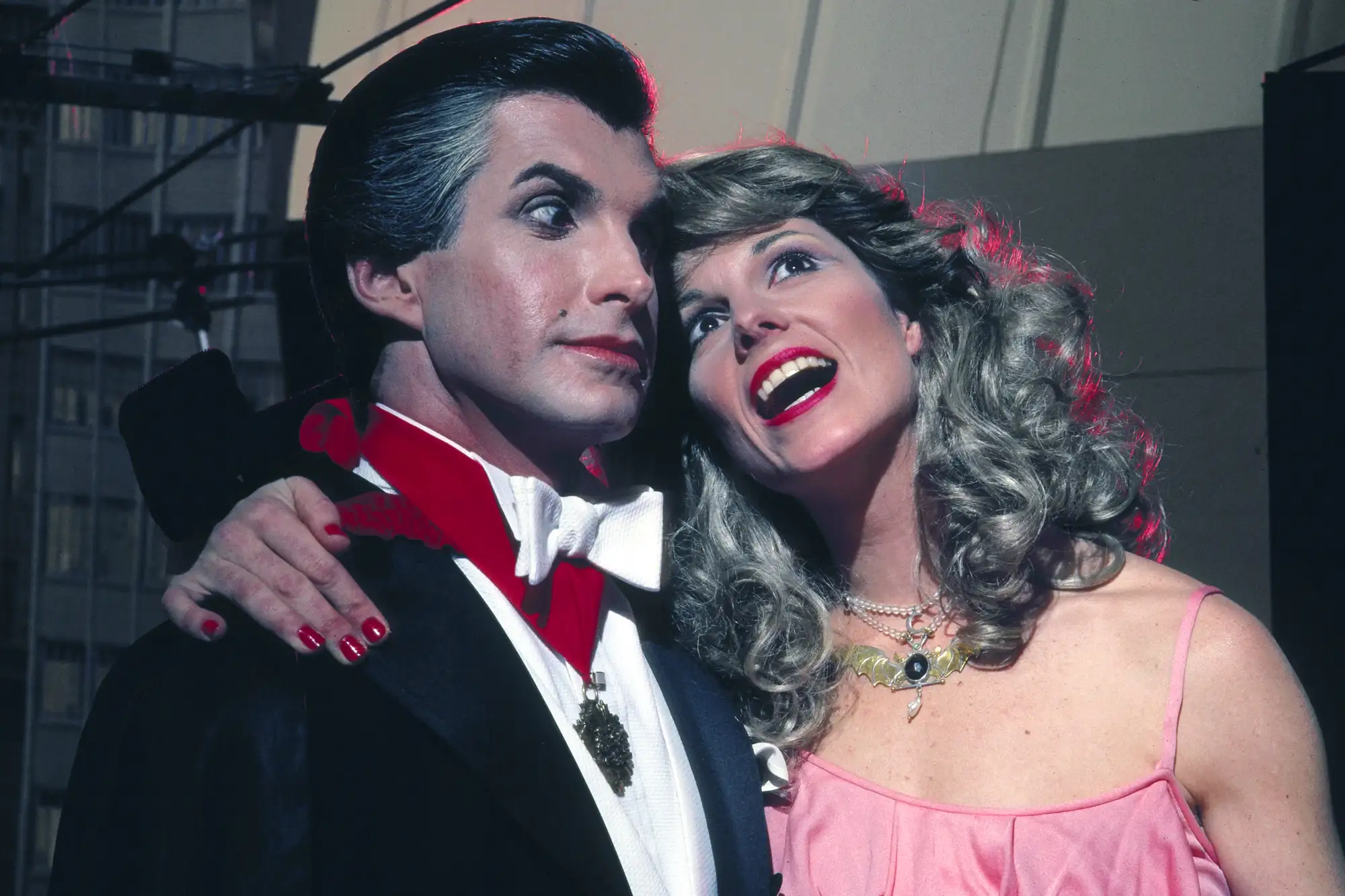
Although large parts of his life initially felt distant, Hamilton said some of his earliest memories eventually proved to be among the strongest.
Childhood experiences began returning with particular clarity.
That pattern surprised him.
The memories closest to the beginning of his life appeared more deeply rooted than some of the later experiences of fame and Hollywood.
For Hamilton, those childhood recollections became an important anchor.
They provided a foundation from which the rest of his identity could begin to reconnect.
It also created an interesting contrast.
His adult life had been exceptionally public.
His childhood had not.
Yet when his memory became unreliable, some of those early private experiences were the ones that remained most durable.
Hamilton Has Lived an Unusually Public Life
The story carries extra weight because Hamilton’s life has been so thoroughly documented.
Born in 1939, Hamilton became a Hollywood leading man while still relatively young.
He appeared in films such as Where the Boys Are, Light in the Piazza and Love at First Bite, and later became a familiar television presence as well.
His romantic relationships also attracted substantial attention.
Over the years, Hamilton was linked to prominent women including Lynda Bird Johnson, the daughter of President Lyndon B. Johnson.
His personal style eventually became almost as famous as his acting career.
The tan, tailored clothes and smooth charm became part of the George Hamilton brand.
That public identity may have made his memoir especially valuable after the memory loss.
He had decades of records, interviews and stories available.
But he still had to connect those facts to himself.
Reading a Memoir Is Usually About Remembering — Not Learning
Most people read an autobiography to revisit experiences they already understand.
Hamilton’s situation reversed that process.
He was using autobiography as evidence.
The stories were clues.
The names were reminders.
The events were pieces of a larger puzzle.
A chapter about his career might tell him where he had been.
A story about a relationship might explain who had mattered to him.
A childhood recollection might suddenly unlock an actual memory.
That made the act of rereading his memoir far more than nostalgia.
It became part of rebuilding continuity between the person he had been before surgery and the person who woke up afterward.
He Says the Recovery Took Time
Hamilton has not suggested that his memory returned instantly or perfectly.
Instead, his account emphasizes how gradual the process was.
The original expectation of a few days gave way to a much longer period of recovery.
Over time, memories returned unevenly.
Some remained stronger than others.
And the memoir remained one of the tools he used to navigate the gaps.
That detail is what makes his story so unusual.
Many celebrities write autobiographies as a way of preserving their stories for the public.
Hamilton ended up needing his for himself.
A Famous Life Became Something He Had to Relearn
For someone who has spent more than six decades in show business, George Hamilton has accumulated an extraordinary number of stories.
He has known presidents, movie stars and cultural icons.
He has appeared on screens around the world.
His face has been instantly recognizable to generations of viewers.
But after surgery, according to Hamilton, none of that recognition mattered if he could not recognize himself.
So he went back to the book he had written years earlier.
Page by page, he reread the story of George Hamilton.
Sometimes he recognized the man.
Sometimes he questioned him.
And slowly, memories began to reconnect.
For most authors, an autobiography is a record of a life already remembered.
For Hamilton, it unexpectedly became something else entirely.
A map back to his own.