Georgia Police Shoot and Kill Beloved Baby Donkey as Owner Demands Justice: “He Was My Son”
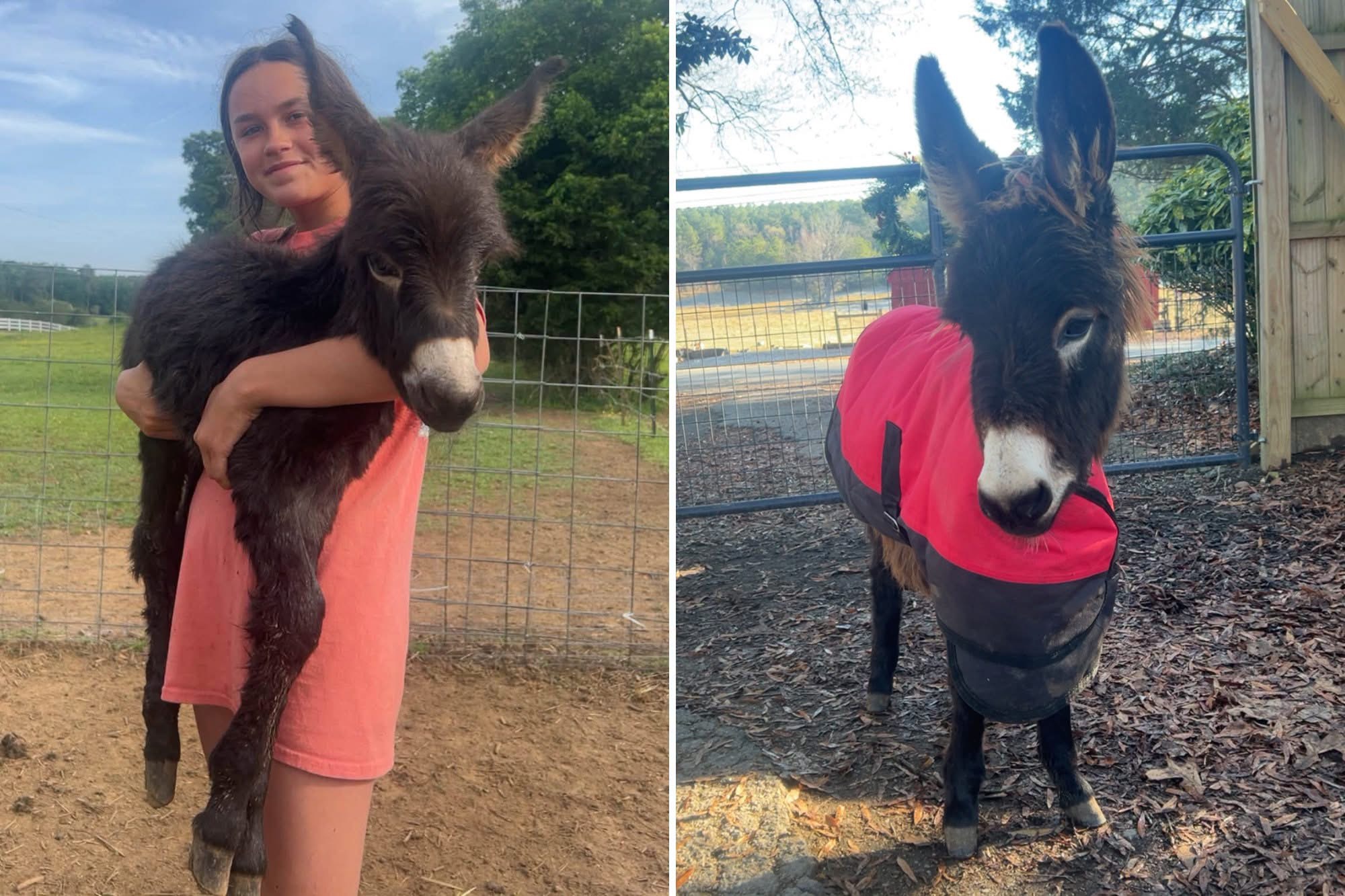
A Georgia family is demanding answers after police officers entered their property while pursuing a suspect and shot and killed their beloved pet donkey, HeeHaw.
Hannah Israel, 30, said officers entered the family’s pasture in Cedartown, near the Alabama border, at around 12:45 a.m. while chasing a suspect.
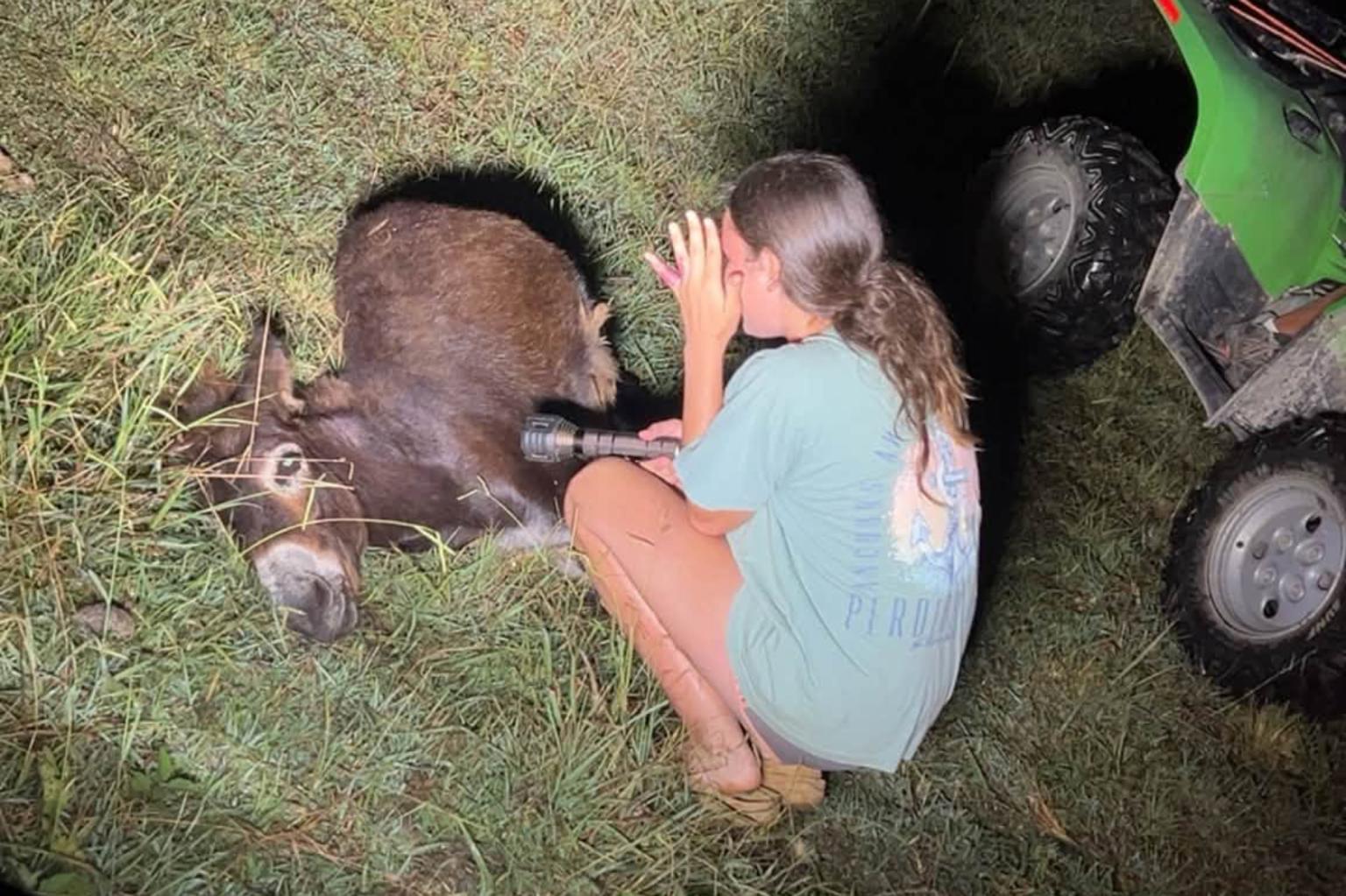
According to Israel, the officers encountered HeeHaw, who allegedly ran toward them while braying.
“They claimed he ran up to them braying and they thought they were in danger,” Israel said, adding that officers attempted to use a Taser before shooting the donkey.
HeeHaw was a bottle-raised donkey who had been cared for by Israel from a young age. She said he was raised in the house, regularly participated in local petting-zoo events and was friendly with people.
“He was shot and killed in his OWN pasture for doing what donkeys do,” Israel said, describing HeeHaw as an animal who simply alerted to the presence of a stranger.
Photographs taken after the shooting show Israel grieving beside HeeHaw’s body in the pasture. Other photos show the donkey wearing a red blanket and playing with objects around the farm.
For Israel, HeeHaw was far more than a farm animal.
“We are heartbroken. He was my son,” she wrote.
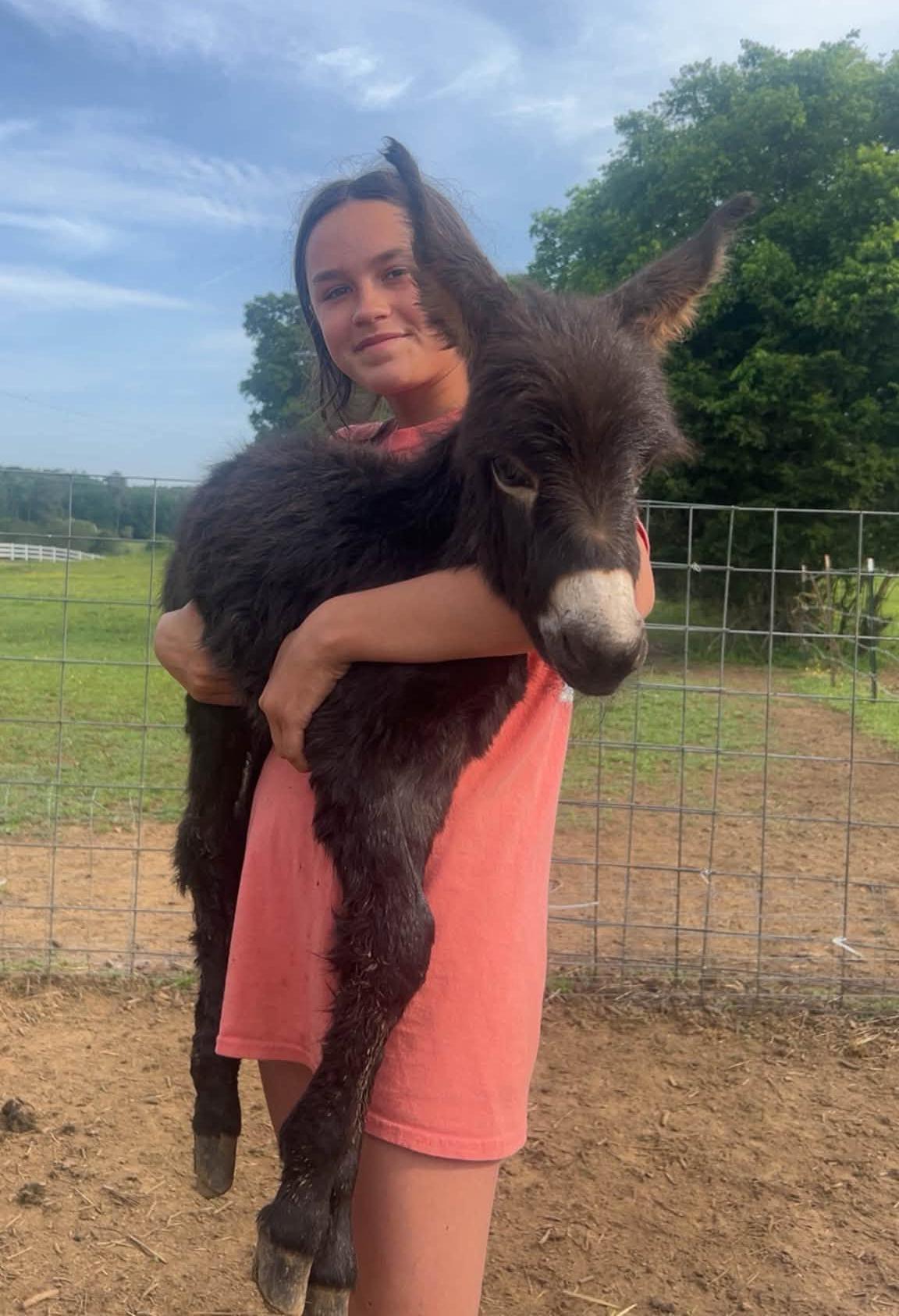
The shooting has sparked outrage among people who believe the donkey did not pose a serious threat to the officers. Israel has vowed to pursue legal action over his death.
Cedartown officials confirmed that the officer involved in the shooting has been placed on leave while the circumstances surrounding the incident are examined. Officials have not released further details about what happened during the encounter.
Meanwhile, a fundraising campaign established to help Israel with legal expenses had raised more than $76,000 as of Monday afternoon.
For a family mourning an animal they considered part of the family, the questions surrounding HeeHaw’s final moments remain painful.
They now want to know whether his death could have been prevented — and whether someone will ultimately be held responsible.
Course: NY Post