Johnny Cash Barely Knew “A Boy Named Sue” When He Sang It at San Quentin — The Prisoners Went Wild
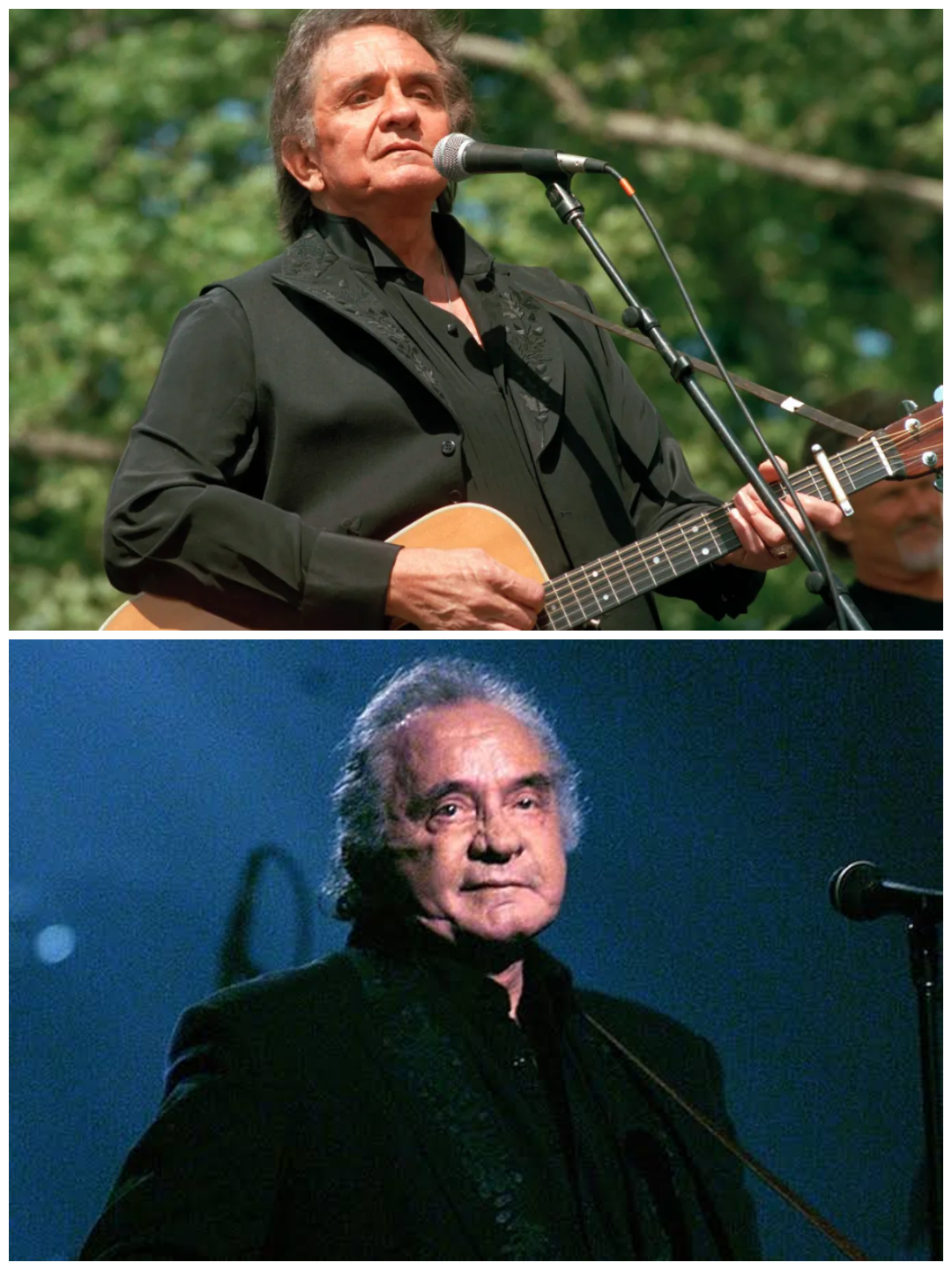
Johnny Cash walked into San Quentin State Prison in February 1969 with a song in his briefcase that he did not really know.
He had barely encountered it.
He had not spent days rehearsing it with his band. He had not carefully worked out an arrangement in a Nashville studio. He was not even convinced he should perform it.
In fact, Cash had told June Carter that there simply was not enough time to learn the song before the concert.
June told him to take the lyrics anyway.
So he did.
Then, during one of the most famous prison concerts in American music history, Cash pulled out the sheet of words, placed it on a music stand and took a chance.
The musicians around him had to follow along.
Cash essentially read the lyrics while performing.
The prisoners erupted.
And that nearly unrehearsed performance of Shel Silverstein’s “A Boy Named Sue” became Johnny Cash’s biggest pop hit.
Cash First Heard the Song at a Gathering of Songwriters
The unlikely story began shortly before Cash traveled to California.
Cash later remembered a gathering where several remarkable songwriters performed material.
Shel Silverstein — the writer, poet, cartoonist and songwriter whose sense of humor could be wonderfully strange — performed a song called “A Boy Named Sue.”
Its premise immediately stood out.
The narrator had been given the traditionally female name Sue by a father who abandoned him. Growing up with that name meant constant teasing and fighting, and the boy eventually became determined to find his father and settle the score.
When the confrontation finally came, however, the father revealed that the name had been deliberate.
He knew he would not be around to raise his son, so he had given him a name that would force him to become tough enough to survive.
It was funny, violent, sentimental and ridiculous at the same time.
In other words, it was almost perfectly suited to Johnny Cash.
Cash asked Silverstein to write down the lyrics.
But he still had no serious plan to make the song part of his upcoming San Quentin performance.
June Carter had other ideas.
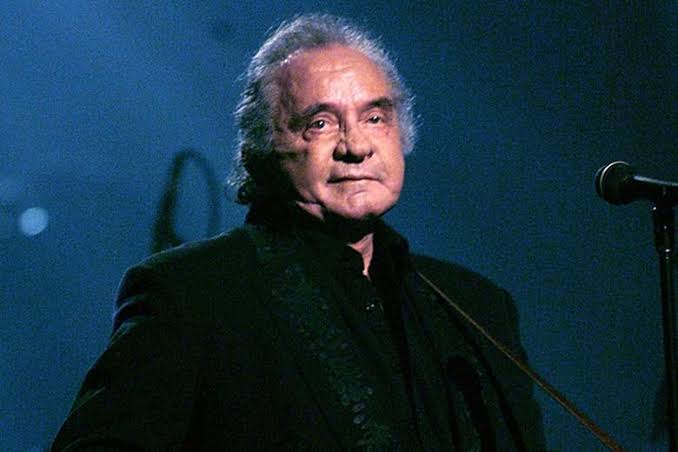
June Carter Heard Something Johnny Cash Almost Missed
Cash and June were preparing to leave for California when she asked about Silverstein’s song.
Had he brought it?
Cash explained the obvious problem.
He had not had time to learn it.
Performing a new song in front of an audience was one thing. Performing it while cameras and recording equipment captured a major prison concert was something else entirely.
June did not seem particularly concerned.
Her advice was wonderfully straightforward: bring the lyrics, put them on the music stand and read them while singing.
The audience would love it.
Cash reluctantly put the words in his briefcase.
That decision would change the trajectory of the concert — and give him one of the defining recordings of his career.
San Quentin Was Already an Unpredictable Place to Record an Album
Cash was no stranger to prison audiences.
His 1968 live album At Folsom Prison had become an enormous success and reinforced the connection between the Man in Black and people living outside respectable society.
Then came San Quentin.
On Feb. 24, 1969, Cash performed inside the California prison before an audience of inmates who responded to him with extraordinary intensity.
Cash understood them.
Or, at the very least, they believed he understood them.
He sang directly about imprisonment, anger, failure and people the rest of society had discarded.
At one point, he performed his newly written “San Quentin,” openly attacking the institution while standing inside it.
The prisoners roared their approval.
The atmosphere was already charged.
Then Cash remembered the strange piece of paper he had brought from home.

Cash Put the Lyrics on a Music Stand
According to Cash’s own later recollection, “A Boy Named Sue” was almost a last-minute decision.
He pulled out Silverstein’s lyrics.
He placed them where he could read them.
And when he finally felt brave enough, he started singing.
There was no polished studio arrangement waiting behind him.
The band had to pay attention and follow the song as it unfolded.
Cash himself was still reading the story as he performed it.
That lack of polish became part of the magic.
The San Quentin recording sounds alive because it genuinely was happening in the moment.
Cash pauses.
The crowd reacts.
His delivery shifts as he realizes which lines are landing.
The prisoners laugh at the absurdity of the story and cheer its violence.
Instead of an audience politely receiving a finished song, the recording captures performer and listeners discovering something together.
By the end, there was little doubt about June Carter’s prediction.
The inmates loved it.
The Prison Audience “Went Nuts”
Cash later remembered the response vividly.
The prisoners went wild.
It makes sense that they did.
“A Boy Named Sue” is essentially a story about a man shaped by a difficult life who learns that the thing he resented most may have helped him survive.
It is filled with fighting, bars, anger and rough humor.
Inside San Quentin, the song found an audience uniquely prepared to appreciate every turn.
The extraordinary reaction also gave the recording an energy that would have been nearly impossible to recreate in a studio.
That mattered because the performance was not simply remembered as an amusing part of the concert.
It was released.
And then something happened that Cash could hardly have predicted when he reluctantly put those lyrics into his briefcase.
“A Boy Named Sue” exploded.
The Song Became Cash’s Biggest Pop Crossover
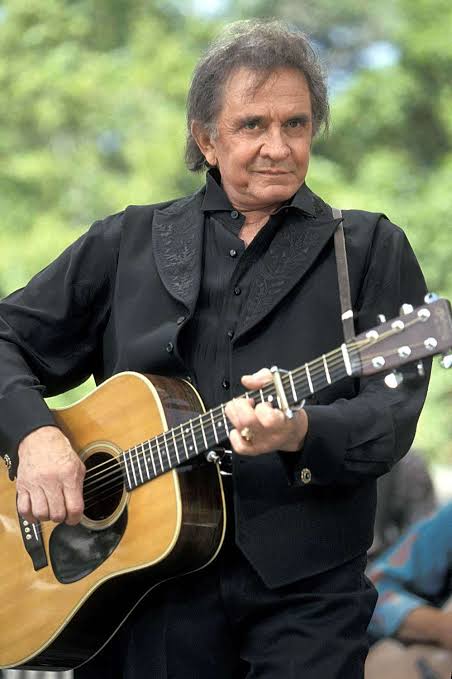
The live San Quentin recording became a massive hit in 1969.
It reached No. 1 on the country chart.
More remarkably, it climbed all the way to No. 2 on the Billboard Hot 100.
For an artist so closely identified with country music, that was an extraordinary crossover.
“A Boy Named Sue” became Cash’s highest-charting single on the American pop chart.
The recording eventually sold more than a million copies.
And the album Johnny Cash at San Quentin became an enormous success of its own, reaching No. 1 on the Billboard album chart.
The strange part was that one of the central performances had been anything but carefully manufactured.
Cash had essentially tried the song in front of prisoners before he properly knew it.
The roughness did not hurt the recording.
It made it unforgettable.
Shel Silverstein Was Exactly the Kind of Writer Cash Needed
The success also introduced millions of listeners to the peculiar songwriting imagination of Shel Silverstein.
Silverstein would become widely beloved for his children’s books and poetry, but his songwriting could be considerably more adult, strange and mischievous.
“A Boy Named Sue” fit Cash because neither man seemed interested in making everything neat or respectable.
Cash had spent his career singing about prisoners, killers, heartbreak, faith and people living on society’s edges.
Silverstein handed him a story that sounded almost like a tall tale someone might tell in a bar.
Cash turned it into theater.
The audience at San Quentin supplied the final ingredient.

One of Cash’s Biggest Hits Was Never Supposed to Happen That Way
Knowing the backstory changes the famous recording.
When Cash glances toward the lyrics and pushes through the long narrative, he was not acting as though he barely knew the song.
He really barely knew it.
There had been no elaborate preparation designed to produce a crossover smash.
June Carter had simply recognized something in the song that Cash initially did not have time to explore.
She persuaded him to bring the words.
Cash finally pulled them out.
The band followed.
The prisoners responded.
And the tape kept rolling.
That sequence of events produced a recording that reached higher on the pop charts than “Ring of Fire,” “I Walk the Line” or any of Cash’s other signature songs.
It is one of the great accidents of country music history.
Johnny Cash arrived at San Quentin carrying a song he had barely learned.
He left with the biggest pop hit of his career.
And it might never have happened if June Carter had accepted his first answer: “I don’t have time to learn it.”