Keanu Reeves Never Donated 70% of His Matrix Pay
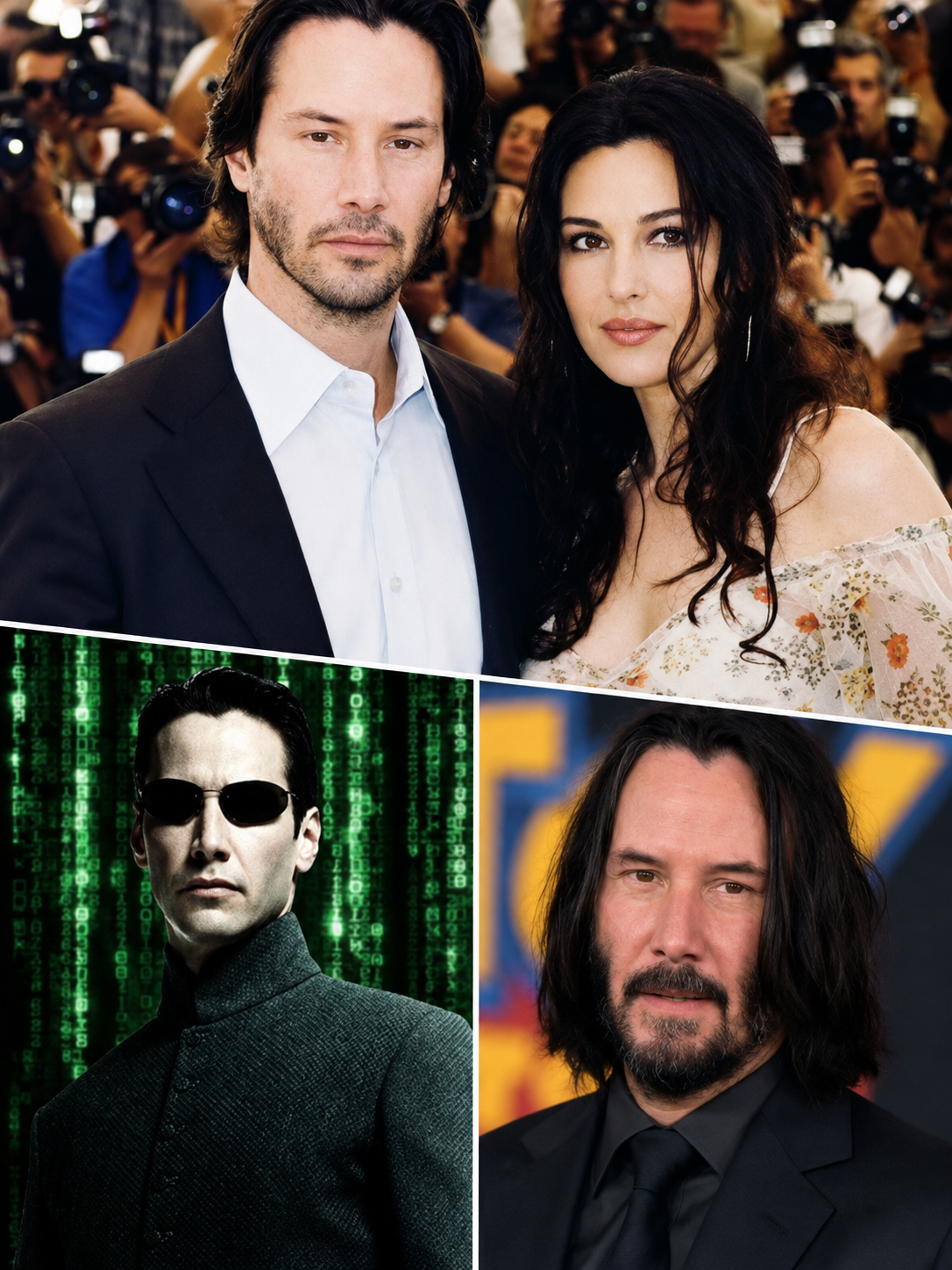
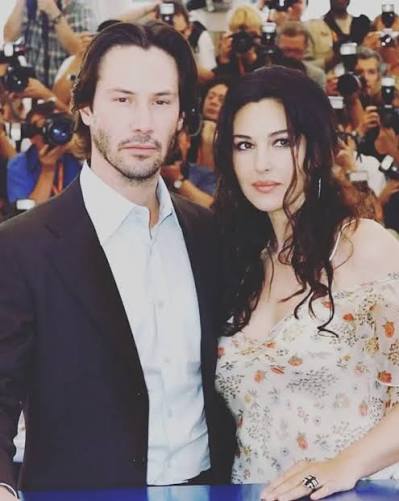
In May 2003, Keanu Reeves walked onto the red carpet at the Cannes Film Festival in a black tuxedo and bow tie.
He was there for the premiere of The Matrix Reloaded, the sequel to the film that had changed his career four years earlier.
By then, Reeves had become the face of one of Hollywood’s most valuable action franchises. He had also begun making choices about his money that would later be stretched into an internet legend.
The legend says he donated 70% of his earnings from the first Matrix movie to leukemia research.
That claim is false.
His publicist denied it in 2022, after the figure had spread through news sites and social media. Yet the documented story behind the myth shows something more useful than a single giant check.
Reeves repeatedly directed money, contract value and public attention toward other people. He usually did so without giving the public a precise total.
The Film That Created the Number
The Matrix opened in American theaters on March 31, 1999.
Reeves played Neo, a computer programmer who learns that the world around him is an artificial system. The movie became a major commercial success and later entered the Library of Congress’s National Film Registry.
Its success also produced one of the most closely watched contracts in Hollywood.
In August 1999, Variety reported that Reeves had received $10 million against 10% of the gross for the first film. The trade paper estimated that his salary and back-end deal would bring him close to $30 million.
Those figures became the raw material for later claims.
More than two decades afterward, reports began saying that Reeves had earned about $45 million and donated 70% of it, or $31.5 million, to leukemia research. Different versions changed the amount, the recipient and even which Matrix film had supplied the money.
The reports offered no hospital record, foundation filing, statement from Reeves or named recipient confirming the transfer.
In January 2022, Reeves’s publicist told Newsweek that the story was not true. The representative also confirmed the denial to The Independent.
That should have ended the claim.
Instead, it continued because the story fit what many people already believed about Reeves.
The Family Fact Behind the Myth
The false donation story was built around a real illness.
Reeves’s younger sister, Kim, was diagnosed with leukemia in 1991. Her treatment continued through much of the decade before she entered remission.
Kim gave one of the clearest firsthand accounts of her brother’s role.
In a 1999 interview with Woman’s Day, she said he supported and comforted her through the illness. She described him sitting beside her and holding her hand when her pain became severe.
That account confirms personal care.
It does not confirm the later claims that Reeves spent a specific number of millions on treatment, sold a home to live beside her or stopped working for a decade. Those details have been repeated online without dependable supporting records.
The dates also show that Reeves continued making films during those years.
The careful conclusion is smaller but firmer: his sister had leukemia, and she publicly credited him with helping her through it.

What Reeves Confirmed About His Foundation
Reeves discussed his charitable work in a 2009 interview with Ladies’ Home Journal.
He said he had a private foundation that had been operating for five or six years. According to Reeves, it helped a couple of children’s hospitals and supported cancer research.
He also explained why the public knew so little about it.
He did not want his name attached to the organization and preferred to let the foundation do its work.
That statement came directly from Reeves.
It confirms an organized, continuing effort rather than one isolated donation. It also explains why searches for a large public foundation carrying his name do not produce the kind of annual reports normally associated with celebrity charities.
The privacy created a gap.
Because Reeves did not provide dollar totals, beneficiary lists or promotional campaigns, other people filled the empty space with dramatic figures. A quiet foundation became a $31.5 million donation, and the estimate became a fact after enough websites repeated it.
The confirmed statement is still important.
By 2009, Reeves said the foundation had already existed for several years. Its work therefore began around the middle of the 2000s, after Kim’s long course of treatment and after the first three Matrix films had been released.
No verified record establishes that 70% of one movie salary funded it.

A Pattern Inside His Film Contracts
Reeves’s choices involving film compensation are better documented than the viral cancer donation.
A 2001 Wall Street Journal profile, summarized at the time by ABC News, reported that he reduced his own compensation on The Devil’s Advocate. The change helped the production afford Al Pacino.
The report said he made a similar choice on The Replacements when Gene Hackman’s compensation created a budget problem.
These were not charitable donations.
They were business decisions that placed the presence of another performer ahead of Reeves keeping every dollar available under his original deal.
His Matrix arrangement followed the same broad pattern, but later retellings distorted it.
The documented account says Reeves transferred part of his back-end participation from the sequels so members of the costume and special-effects departments could share in the films’ financial success.
An executive quoted in the original reporting said Reeves believed those departments had made the movie and should participate.
That is different from giving away all his sequel earnings. It is also different from donating the money to cancer research.
The accurate version has no clean viral number.
It describes an actor using part of a valuable contract to reward workers whose contributions were usually less visible than his own.
A Public Act During a Closed Summer
In 2020, Reeves attached his name to one cancer-related effort.
Camp Rainbow Gold, an Idaho organization serving children with cancer, had lost its largest fundraiser because of the COVID-19 pandemic. Its summer programs also had to change.
The organization replaced the canceled event with an online auction.
Reeves contributed a 15-minute Zoom conversation with the winning bidder. Local television stations and entertainment publications reported the offering when bidding opened in June.
The prize was simple.
It required no story about an eight-figure transfer and no calculation based on an actor’s estimated salary. Reeves offered his time, and the organization used his name to draw attention and bids.
That event also fits the work he had described in 2009.
The beneficiary served children affected by cancer, one of the areas Reeves had said his private foundation supported.
How the False Story Took Over
The 70% claim spread widely at the start of 2022.
Some articles presented it as a new revelation. Others cited one another, producing a chain in which repetition stood in for evidence.
The story combined four true elements: Reeves earned substantial money from The Matrix, his sister had leukemia, he supported cancer causes, and he had a reputation for changing financial arrangements to benefit others.
Then it added a false calculation.
The result was easy to share because it reduced years of choices to one number.
The correction required more care. It had to separate the private foundation from the movie contract, the cancer work from the technical crews, and the verified acts from claims added years later.
Reeves’s publicist made that separation clear.
He did not donate 70% of his Matrix salary to charity.
What Remains After the Myth Is Removed
Removing the false figure does not leave an empty story.
It leaves a sister’s firsthand description of a brother who stayed beside her during leukemia treatment.
It leaves Reeves’s own acknowledgment that he created a private operation supporting children’s hospitals and cancer research.
It leaves contemporary accounts of compensation changes that helped productions hire Al Pacino and Gene Hackman.
It leaves a back-end arrangement that gave selected costume and special-effects workers a financial interest in the Matrix sequels.
It also leaves the 15-minute conversation he offered when an Idaho children’s cancer organization lost its main fundraising event.
None of these facts requires Reeves to be presented as a saint.
They show a repeated method: when he possessed leverage, he sometimes redirected part of it. The leverage could be salary, contract participation, time or public attention.
The lack of promotion also had an unintended cost.
By declining to publish a detailed charitable record, Reeves left room for admirers and publishers to build a cleaner, larger story than the evidence supports.
His actual record does not need that help.
It reveals a person who appears more interested in where a resource goes than in making sure his name travels with it.
People often turn steady conduct into legend because one giant act is easier to remember than a series of quiet choices.