Kevin Bacon Went Undercover as a Teenager Before Footloose — His First Day Didn’t Go as Planned
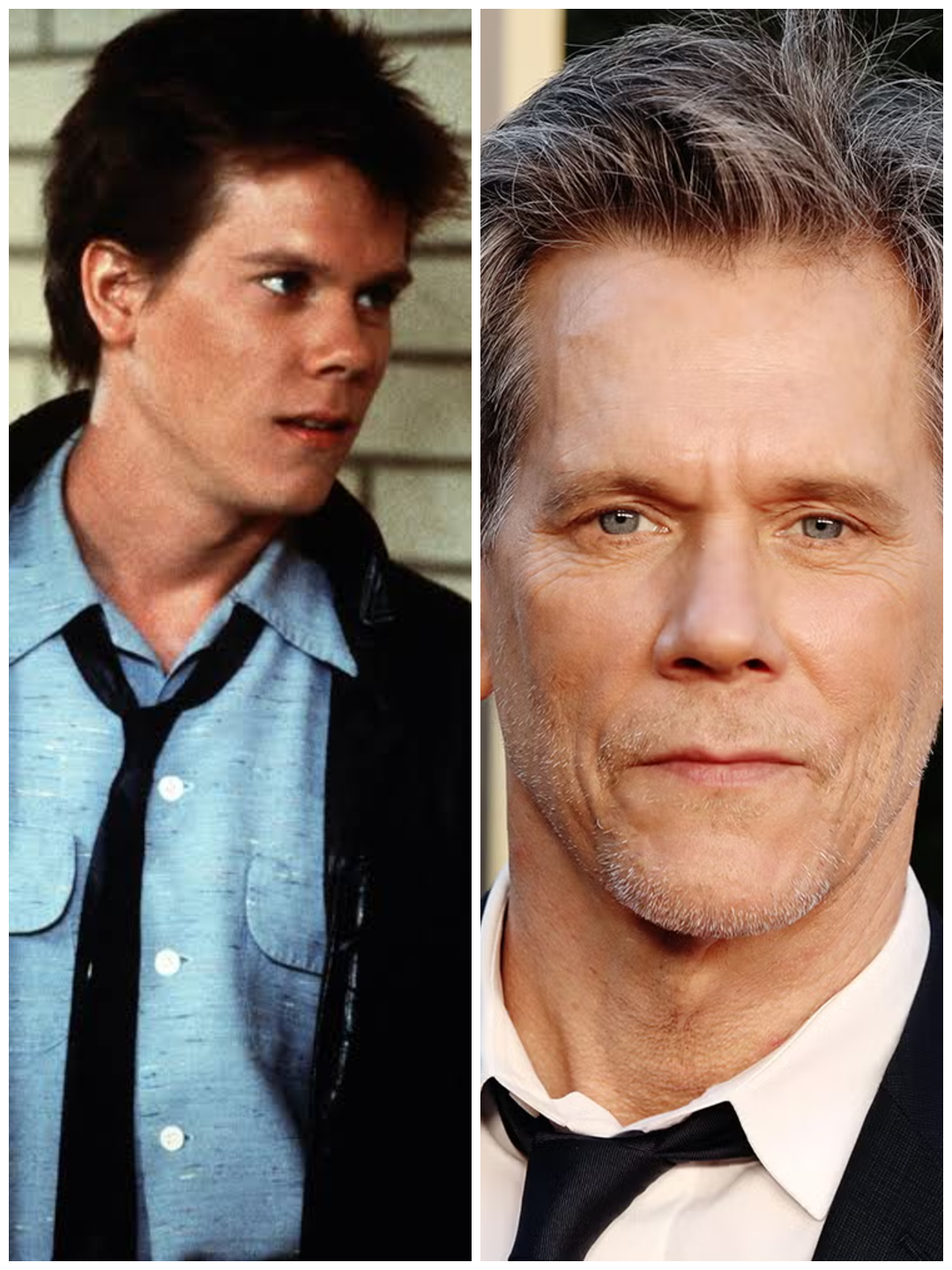
When Kevin Bacon walks into Bomont High in Footloose, everyone seems to notice him.
Ren McCormack is the new kid from the city, arriving in a small community where his clothes, music and attitude immediately mark him as different. He gets stared at. He attracts suspicion. Before long, simply being Ren seems enough to make certain people dislike him.
For audiences watching the 1984 movie, Bacon made that discomfort look natural.
There was a reason.
Before filming, Bacon had worried about something much more basic than Ren’s dancing or rebellious personality: Could a man in his mid-20s really convince audiences that he was a 17-year-old high school student?
Instead of answering that question inside an audition room, Bacon tried an unusual experiment.
He walked into a real Utah high school pretending to be a new student.
Most of the teenagers around him had no idea they were helping prepare the future star of Footloose for the role that would change his career.
Bacon Had to Believe He Could Still Pass for 17
Bacon was not yet the instantly recognizable star he would become after Footloose.
He had already worked in movies and television, including memorable roles before Ren McCormack came along, but he could still move through an ordinary school without everyone immediately knowing his face.
That created an unusual opportunity.
Ren was supposed to be 17. Bacon was already several years beyond high school himself, and he wanted to know whether putting him among actual teenagers would expose the difference.
The production arranged for him to spend time at a Utah high school as if he were a genuine new student.
Only a small number of adults knew what was really happening. The students — and most of the people Bacon encountered — were not told that the supposed newcomer walking through their halls was an actor preparing for a movie.
That meant Bacon would not receive the polite treatment a visiting performer might expect.
He would simply be the new guy.
And that distinction quickly became important.
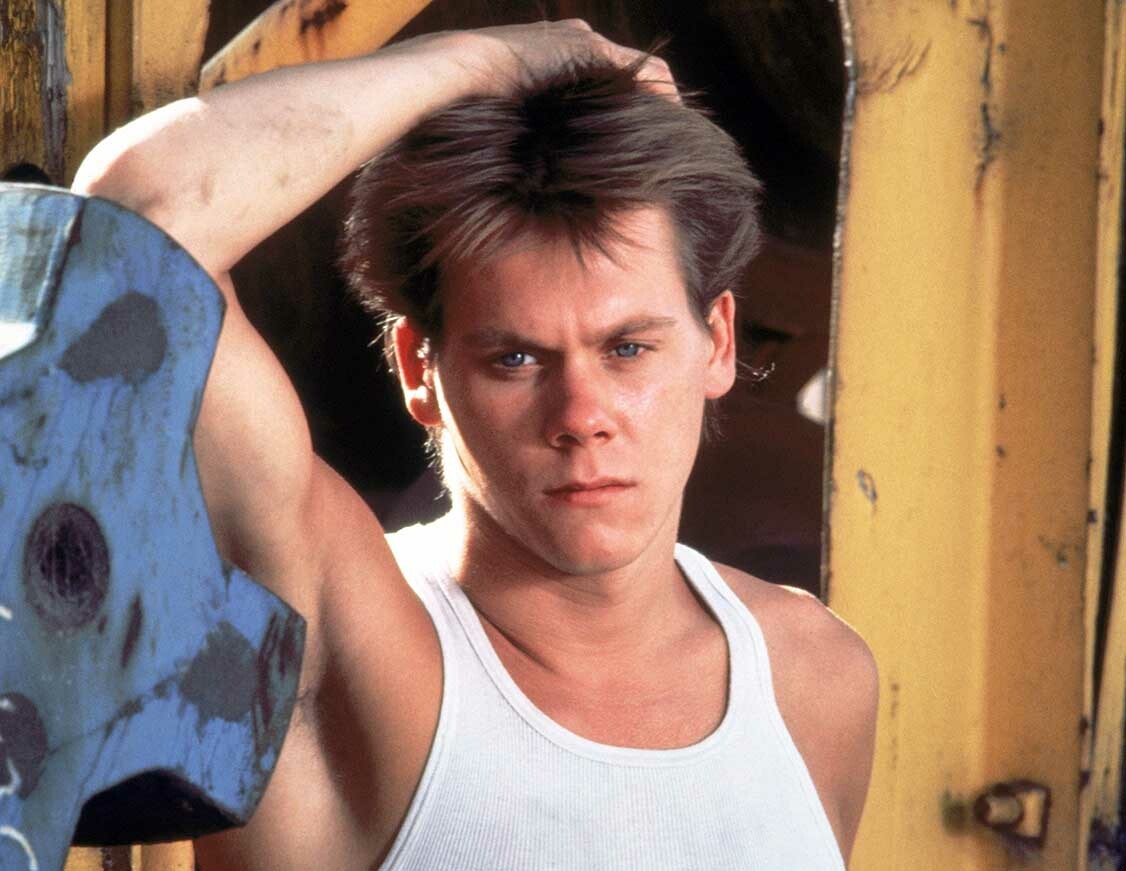
His Plan Was to Walk In Like a Confident City Kid
The experiment was useful for more than Bacon’s age.
Ren McCormack was an outsider.
He came from an urban environment and suddenly found himself in a community with unfamiliar social rules. Bacon understood that idea intellectually, but going into an actual school gave him a chance to experience some version of it himself.
He had an image in his head of how a city kid might handle the situation.
Ren could walk into the building with confidence. His look might seem cooler or more sophisticated than what the local students were used to. He could project the attitude of someone who was not intimidated by anybody.
Then Bacon actually entered the school.
The reality was very different.
Instead of feeling effortlessly cool, he immediately became aware that people were watching him.
His appearance did not give him an advantage. It made him a target.
The Students Stared at Him — Then Started Making Fun of Him
Bacon later remembered students reacting to the things that made him look different.
They made fun of his hair.
They made fun of his clothes.
Even the kind of narrow tie he thought might make him look stylish helped announce that this new student was not from their world.
And because the teenagers did not know they were dealing with an actor doing research, their reactions were real.
There was no reason for them to flatter him.
Bacon had entered expecting that a confident urban teenager might carry himself like a tough outsider. Once he was surrounded by actual high school students, that confidence disappeared quickly.
He found the experience intimidating.
The other boys seemed bigger. Bacon suddenly felt conspicuous rather than impressive. Instead of wanting to strut through the hallway, he became much more interested in surviving the attention and keeping his head down.
At one point, he later recalled, a larger student took him under his wing and essentially reassured him.
The parallel with Footloose was difficult to miss.
Bacon had gone to school to research Ren McCormack.
For a few hours, the students unknowingly gave him a version of Ren’s first day.

The Experience Changed How Bacon Thought About Ren
That was the real payoff from the experiment.
Bacon went into the school partly wondering whether he could physically pass for a teenager.
He came away understanding something more useful: what it might actually feel like to be Ren.
Being an outsider was not automatically empowering.
It could be uncomfortable.
It could make a teenager self-conscious.
And the qualities that might seem cool in one environment could immediately look strange in another.
That helped Bacon move away from the idea that Ren should simply arrive as an invulnerable big-city rebel.
Ren has confidence, certainly. He challenges authority, questions Bomont’s rules and refuses to accept that dancing should be treated as a threat.
But he also spends much of the movie trying to find his place.
He needs friends. He gets frustrated. He becomes the subject of gossip and suspicion. Adults judge him based on assumptions about who he is, while other teenagers test him because he is an outsider.
Bacon’s undercover trip gave him a small taste of that isolation before cameras ever started capturing Ren’s version of it.
Footloose Turned the Outsider Into a Generation-Defining Character
When Footloose opened in 1984, Bacon’s concerns about convincing audiences largely disappeared.
Ren became his breakthrough role.
The leather jacket, the Volkswagen Beetle, the warehouse dance and the movie’s explosive final celebration became enduring pieces of 1980s pop culture.
But the character works because Footloose is not only about dancing.
Ren arrives in a town carrying rules and grief that existed long before he got there. Dancing has been banned, rock music is treated with suspicion, and Reverend Shaw Moore has enormous influence over a community still shaped by tragedy.
Ren does not initially belong to any of it.
He is judged partly because he represents something unfamiliar.
That is exactly what made Bacon’s strange preparation so useful.
No acting coach had to explain what being stared at in a hallway felt like. For one day, Bacon could experience it.
Forty Years Later, the School Connection Became Something Completely Different
The irony is that Footloose eventually transformed Bacon’s relationship with Utah high schools.
The places where a nearly unknown young actor could once walk through the halls undercover became inseparable from one of his most famous movies.
Decades later, students celebrated Footloose rather than treating Bacon like an unwelcome new kid. When Bacon returned to Utah for the film’s 40th anniversary era, the reception was the opposite of his original experiment: he arrived as the man generations already knew as Ren McCormack.
That contrast makes the earlier story even better.
Before the fame, before the soundtrack became unavoidable, and before Ren became one of the defining teenage characters of the 1980s, Kevin Bacon needed to answer a very simple question.
Could he walk into a real high school and belong there?
The answer turned out to be more complicated than he expected.
He did not exactly belong — and that was precisely what made the experience perfect preparation for Footloose.