He Couldn’t Swim — But He Jumped Into a Raging River to Save a 5-Year-Old Boy
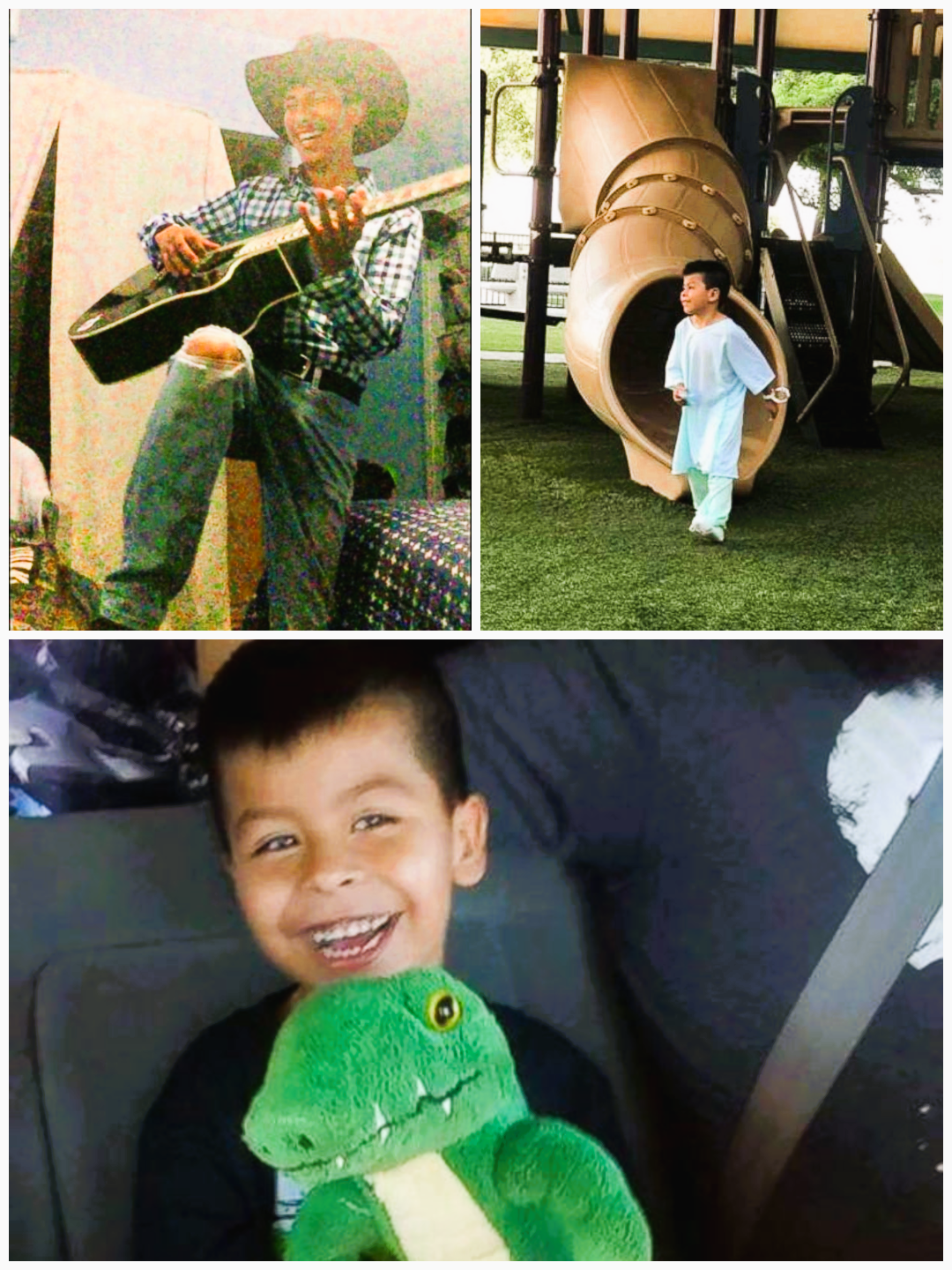
Victor Mozqueda did not know how to swim.
But when he saw a 5-year-old boy swept into the rushing Kaweah River at Sequoia National Park, that fact did not stop him.
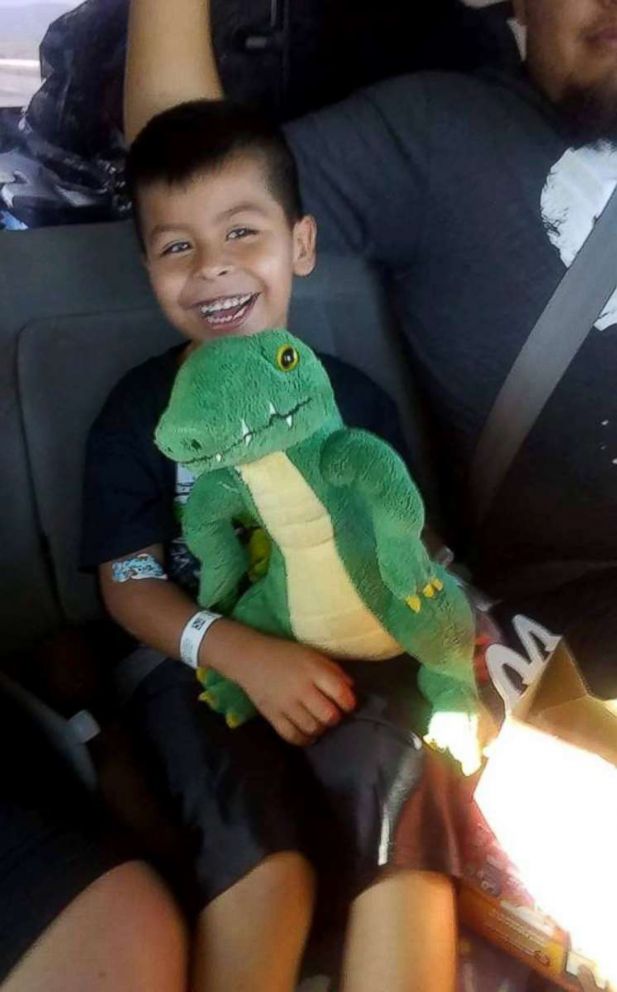
The 22-year-old from Santa Clarita, California, jumped into the water and fought the current to keep Vincent Gonzalez alive, repeatedly lifting the child above the surface so he could breathe.
Mozqueda ultimately managed to push the boy close enough to safety for Vincent’s father and others nearby to reach him.
The child survived.
Mozqueda did not.
What began as an ordinary walk beside the river became a tragedy that left one family grieving a young man and another forever grateful that his final actions saved their son.
A Slip Into a Dangerous Current
The incident happened on a Saturday near the Kaweah River inside Sequoia National Park.
Mozqueda was walking nearby when 5-year-old Vincent slipped and fell into the water.
The current was powerful.
Mozqueda’s sister later said her brother did not hesitate before going in after the child, despite not knowing how to swim himself.
Once in the river, he managed to reach Vincent.
What followed was a desperate struggle against the current.
According to a fundraising page created by Mozqueda’s sister-in-law, Carmen Hernandez, he refused to let go of the boy even as the two were pulled underwater multiple times.
Each time they resurfaced, Mozqueda worked to keep Vincent’s head above water.
He was fighting not only for his own survival, but for the life of a child who could not escape the river alone.

His Final Push Helped Save the Boy
Vincent’s parents also entered the water during the rescue attempt.
Three fishermen who were nearby helped as the situation unfolded.
Mozqueda’s final effort became the moment that gave Vincent a chance to survive.
Hernandez said Mozqueda managed to throw or push the child out of the strongest part of the current, allowing Vincent’s father to barely grab him.
Mozqueda’s sister, Maria Ventura, later described what her brother had done in almost unbelievable terms.
She said he appeared to find strength beyond what anyone would have expected, holding the child up and getting him within reach of his father.
Once Vincent was out of the river, the emergency was far from over.
He was not breathing normally and needed immediate help.
Vincent’s father and one of the fishermen performed CPR.
Their efforts worked.
The boy was resuscitated.
He was then taken by ambulance to a Life Flight helicopter and flown to Kaweah Delta Medical Center in Visalia, California.
For Vincent and his family, the rescue had succeeded.
But Mozqueda was missing.
Rescuers Searched for Two Hours
After Vincent was pulled to safety, attention turned back to the river.
Mozqueda had disappeared in the current.
Rescuers searched for him for approximately two hours before recovering his body.
He had drowned.
The outcome was devastating for his family.
Ventura said her brother had acted without stopping to consider his own danger.
He saw a small child in trouble and went after him.
For the people who loved Mozqueda, that instinct was entirely consistent with the young man they knew.
But knowing why he did it did not make the loss easier.
Ventura described her family as more than simply sad.
They wished he had not had to die.
The emotional contradiction is difficult to escape.
Mozqueda’s actions gave another family back their child.
His own family lost him in the process.
Vincent Went Home Healthy
The story could easily have ended with two deaths.
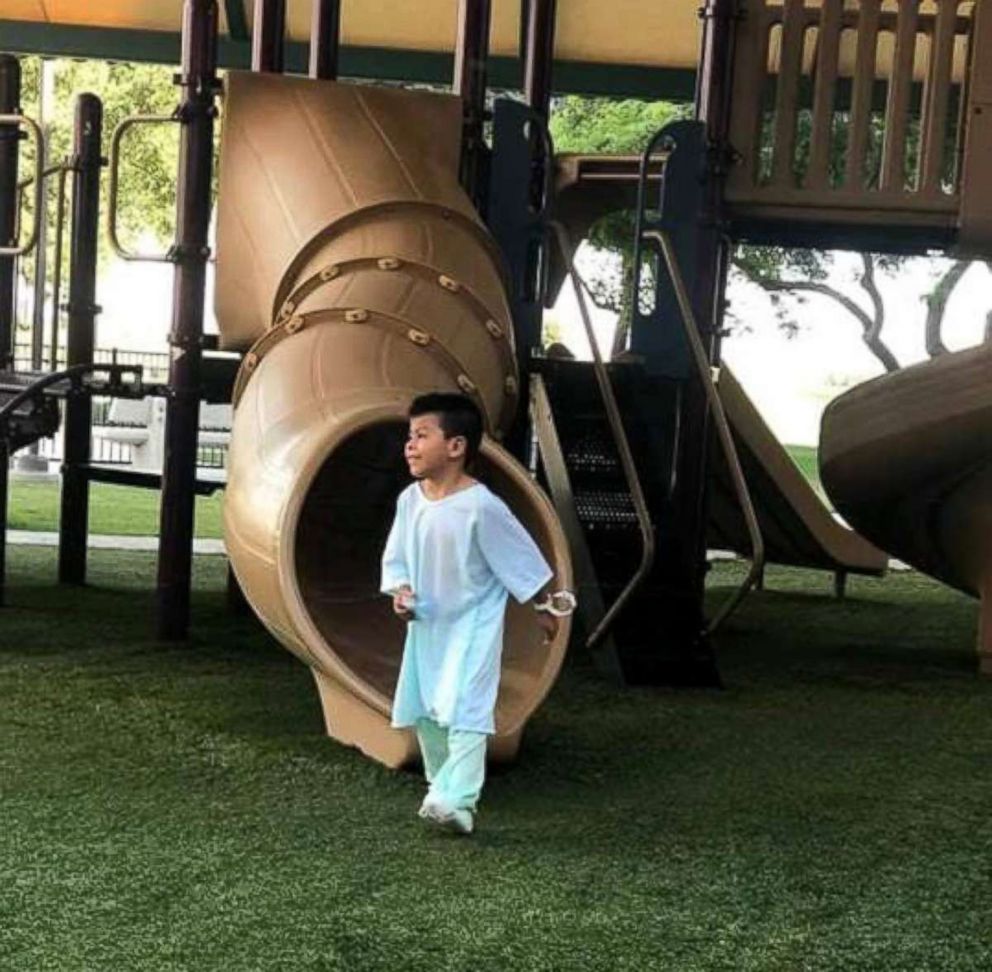
Instead, Vincent recovered.
His mother, Anita Baker, later said her son had been released from the hospital and returned home healthy.
For her family, that outcome came with an overwhelming sense of gratitude toward the stranger who had risked everything for their child.
Baker said words could not fully express what it meant to have her son back because of Mozqueda’s selfless decision.
That gratitude is inseparable from the knowledge that the man who saved Vincent did not survive himself.
Mozqueda had no obligation to enter the water.
He was not a trained rescuer.
He did not even know how to swim.
Still, when the child disappeared into the current, he acted.
A Split-Second Decision With Permanent Consequences
There was no time for a careful plan.
No rescue equipment.
No opportunity for Mozqueda to suddenly acquire the swimming skills he lacked.
There was simply a child in danger and a decision to be made.
He jumped.
That makes the story both heroic and deeply painful.
Mozqueda succeeded at the one thing he was apparently most focused on in those moments: keeping Vincent alive long enough to get him back to his family.
But the current took Mozqueda before anyone could do the same for him.
His family later established a fundraising page to help cover funeral expenses.
The page described how he continued holding onto Vincent through the struggle and used his final effort to move the child toward safety.
For those who knew Mozqueda, the description transformed his death from a drowning accident into the final chapter of an act of extraordinary selflessness.
The River Had Already Claimed Another Life
The location itself carried another troubling detail.
Sequoia District Ranger Dave Fox said Mozqueda’s death was the second river fatality at that spot in only two weeks.
The area was just inside the park gates.
Fox warned visitors that the rocks along the river’s edge were extremely slippery and urged people to stay away from the water.
The warning underscored how quickly an apparently scenic stop can become dangerous.
Rivers swollen or accelerated by seasonal conditions can look manageable from shore while hiding currents strong enough to overwhelm even experienced swimmers.
In Mozqueda’s case, the danger was even greater because he did not have swimming skills to rely on.
He entered anyway.
Two Families Changed by the Same Moment
The tragedy left behind two families connected by a few chaotic minutes beside the Kaweah River.
One family brought a 5-year-old boy home from the hospital.
The other began preparing for the funeral of a 22-year-old man.
Vincent will grow older because Mozqueda made a decision that cost him his own future.
That reality is what makes the rescue so difficult to reduce to a simple story of heroism.
There is triumph in the fact that the child survived.
There is heartbreak in the price.
Mozqueda’s family will never get him back.
Vincent’s family will always know why their son came home.
And at the center of both stories is the same image: a young man who could not swim, fighting a raging river anyway, lifting a child toward the surface and refusing to let go until someone else could take him to safety.