Lindsay Clancy’s Lawyer Responds to Patrick Clancy’s Emotional Interview as Defense Pushes to End Case
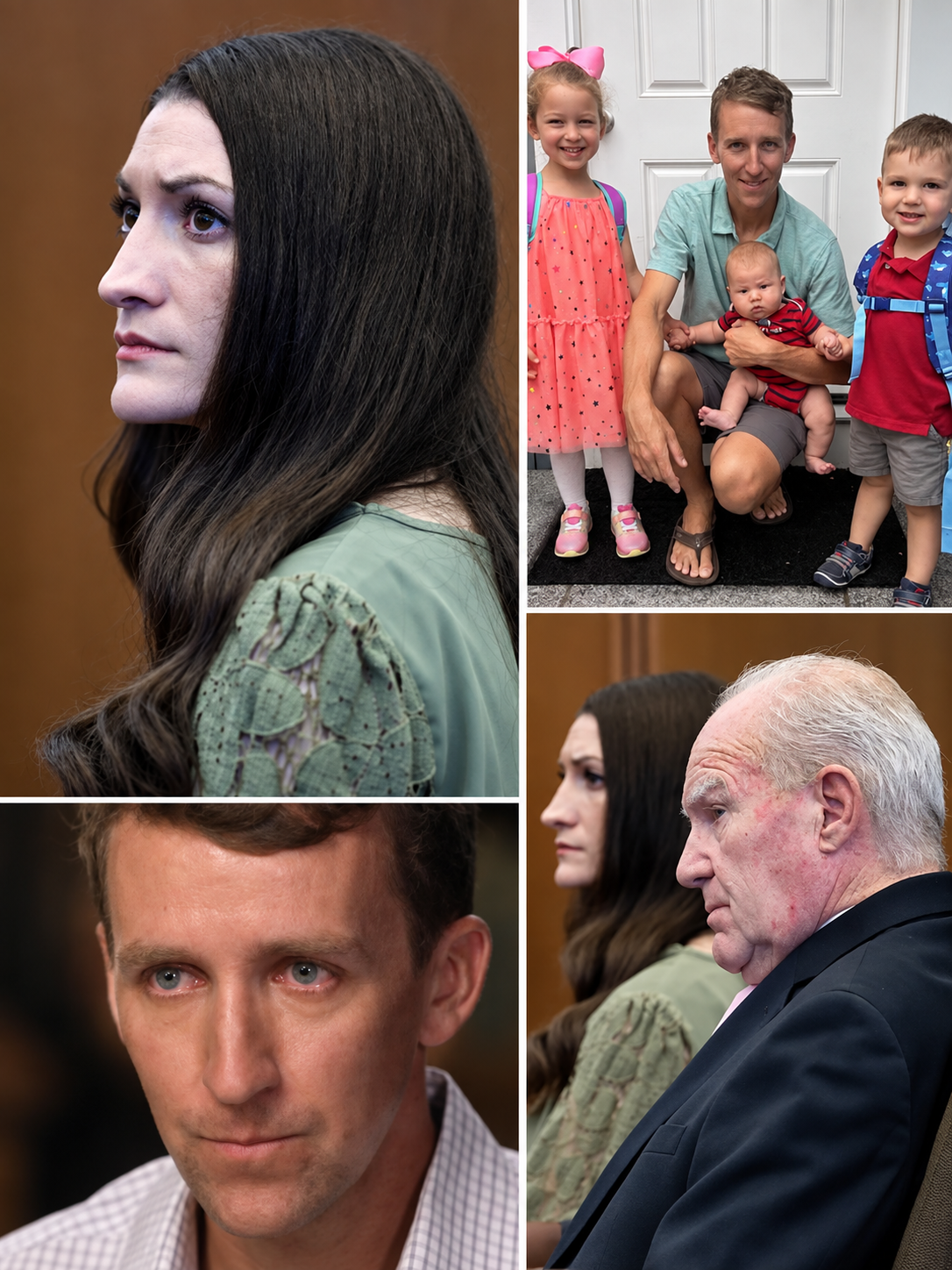
Lindsay Clancy’s defense attorney is responding to Patrick Clancy’s first major television interview since her murder trial ended in a mistrial, calling his comments largely consistent with what he has said throughout the case while making clear that Patrick speaks only for himself.
Kevin Reddington addressed the interview outside a Massachusetts courthouse on September 21, one day after Patrick publicly discussed the deaths of the couple’s three children, the emotional toll of the trial and the years of online speculation that followed the January 2023 tragedy.
“It’s pretty much what we’ve all heard all along,” Reddington said of Patrick’s interview, adding that he believed Patrick had been consistent in his views. Reddington also stressed that he does not represent Patrick and has no role in advising him about what to say publicly.
The comments come at a critical moment in Lindsay’s case.
Her trial ended on September 4 after jurors were unable to reach a unanimous verdict. Eleven jurors reportedly favored finding her not criminally responsible because of mental illness, while one juror believed she should be held criminally responsible.
Now, rather than preparing immediately for another trial, Lindsay’s lawyers are asking the court to dismiss the charges entirely.
Patrick Clancy Spoke Publicly About the Trial for the First Time
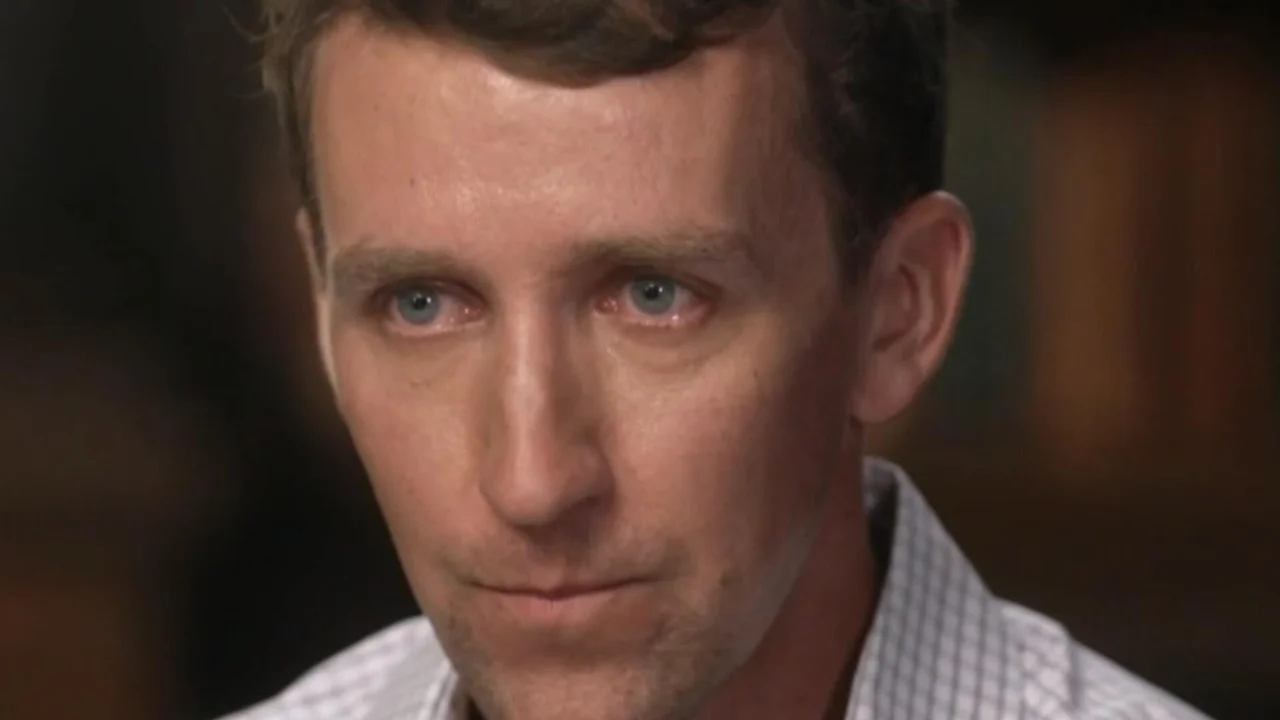
Patrick’s interview marked his first major televised discussion of the case since the mistrial.
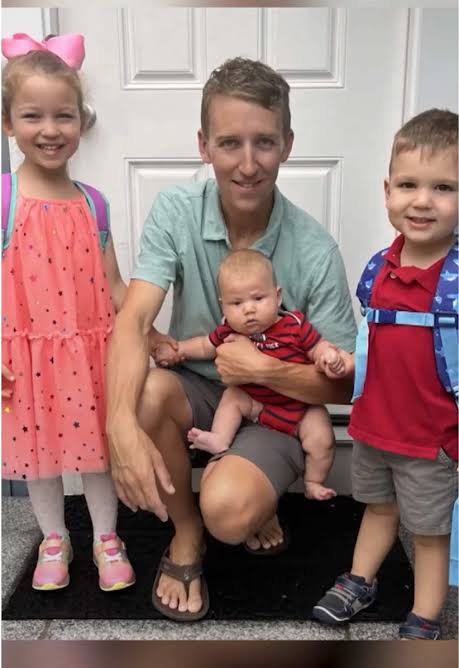
He spoke about losing Cora, Dawson and Callan, the three young children he shared with Lindsay, and described how the tragedy continues to shape nearly every part of his life.
Patrick also addressed his own role during Lindsay’s deteriorating mental health after the birth of their youngest child.
He said he believes he did the best he could with the information available to him at the time, while acknowledging that he did not fully understand the seriousness of what Lindsay was experiencing.
Throughout the case, Patrick has maintained that severe mental illness played a central role in the deaths.
He has also publicly forgiven Lindsay.
During the interview, he rejected online conspiracy theories suggesting that he was somehow involved in the children’s deaths or had failed them intentionally.
Patrick said those claims had been deeply harmful and argued that they distracted attention from what he sees as the broader issue raised by the case: the need for better understanding and treatment of perinatal mental illness.
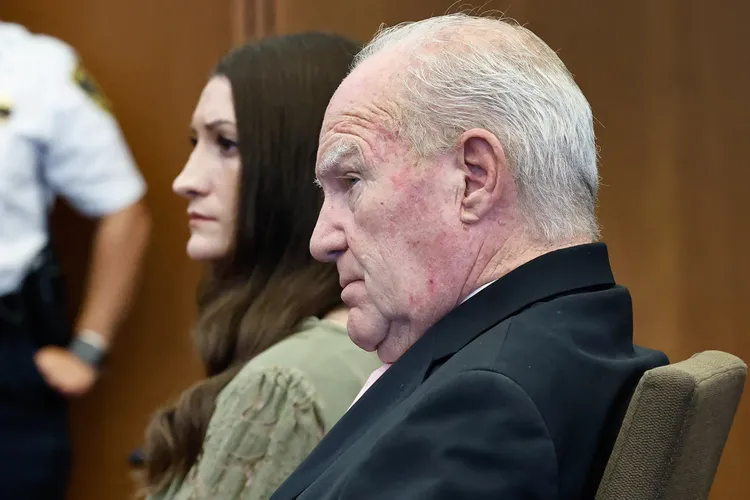
Reddington Says Patrick Has Been Consistent
Reddington’s reaction was notably measured.
He did not criticize Patrick’s decision to speak publicly, nor did he attempt to adopt Patrick’s statements as part of Lindsay’s legal strategy.
Instead, he emphasized separation between the two.
Reddington said Patrick made the decision to participate in the interview with advice from his own attorney.
“As I’ve said repeatedly, I don’t represent him,” Reddington told reporters.
That distinction matters because Patrick’s position has often aligned emotionally with Lindsay’s defense — particularly his belief that mental illness was responsible for what happened — but he is not a member of her legal team.
Reddington also said he had not spoken with Lindsay about the interview and could not say whether she had watched it.
Patrick Revealed a Panic Attack During the Trial
One of the most personal disclosures from Patrick’s interview involved the trial itself.
He said that on the second day of proceedings, he suffered a panic attack severe enough that he was placed in an ambulance.
The trial forced him to revisit the events of January 24, 2023, in extraordinary detail.
Patrick testified about returning to the family’s Duxbury home, finding Lindsay seriously injured outside after she had jumped from a window and then discovering the children inside.
Callan, the youngest, initially survived and remained hospitalized for four days before dying in Patrick’s arms.
Asked about Patrick’s panic attack, Reddington described the trial simply as “very emotional” for everyone involved.
Mistrial Left the Case Legally Unresolved
Lindsay’s trial ended without a verdict after days of deliberations.
The central question was not whether she caused the deaths of her children.
Her defense acknowledged that she did.
Instead, jurors had to decide whether she was criminally responsible at the time.
Her attorneys argued that she was suffering from postpartum psychosis and lacked the mental capacity required for criminal responsibility under Massachusetts law.
Prosecutors argued that her actions showed planning, awareness and control inconsistent with that defense.
The jury ultimately deadlocked.
According to multiple jurors who later spoke publicly, the panel was split 11-1, with the majority favoring a finding that Lindsay was not criminally responsible.
Judge William Sullivan declared a mistrial on September 4.
Defense Is Now Seeking Dismissal
Reddington and Lindsay’s other attorneys are now trying to prevent the case from returning to trial.
On September 21, the defense filed motions asking the court to dismiss the charges.
One legal argument centers on double jeopardy and whether the circumstances surrounding the mistrial should prevent prosecutors from trying Lindsay again.
Another defense avenue relies on Massachusetts Rule 25, which can allow a judge to enter a not-guilty finding after a mistrial if the evidence is considered legally insufficient.
If such a motion were granted, prosecutors could potentially be barred from retrying Lindsay on the same charges.
A hearing is scheduled for September 29, when the court is expected to consider the next phase of the case.
Prosecutors have not yet publicly announced whether they intend to seek another trial.
Defense Also Wants Judge to Examine Holdout Juror
The legal fight has become even more complicated because Lindsay’s attorneys are challenging the conduct of the one juror who reportedly favored criminal responsibility.
Reddington filed a motion asking Judge Sullivan to investigate whether juror Michael Desronvil accurately answered questions during jury selection and whether he improperly used a cellphone during deliberations.
Jurors are generally prohibited from using phones while deliberating.
The defense also wants the court to examine questions related to Desronvil’s personal history and whether any information should have been disclosed during voir dire.
Desronvil has denied misconduct and has defended his position in the case.
When reporters asked Reddington about the juror’s public comments, the attorney declined to debate them outside court.
“We take care of that in the courtroom,” he said.
Defense Continues to Blame Failures in Lindsay’s Medical Care
Throughout the case, Reddington has argued that Lindsay’s medical providers failed to recognize and adequately treat the severity of her psychiatric condition.
The defense has pointed to her treatment history, medications and hospitalization before the deaths as evidence that she was experiencing a profound mental health crisis.
Patrick has also expressed concern about the care Lindsay received.
He has said that, in hindsight, he wishes he and the family had understood more about postpartum psychosis and the danger it can pose in rare but severe cases.
Both Patrick and Lindsay have pursued civil claims related to her medical treatment.
Those claims are separate from the criminal case.
Patrick Is Trying to Rebuild His Life
Patrick has since moved to New York City and remarried.
He and his wife, Dr. Rachel Danis, revealed during the interview that they are preparing to start a family together.
Patrick said rebuilding his life does not mean forgetting Cora, Dawson or Callan.
He described keeping photographs, handprints and personal items belonging to the children in his home and said he continues to speak to them and dream about them.
He also discussed experiencing suicidal thoughts after their deaths and the long process of trying to find a reason to continue living.
September 29 Could Determine What Happens Next
The public interview may have brought renewed attention to the emotional side of the case, but the most consequential developments are now happening in court.
Reddington’s response makes clear that Patrick’s statements do not alter the defense strategy.
The focus is now on whether Judge Sullivan will allow prosecutors another opportunity to try Lindsay or whether one of the defense motions could bring the criminal case to an end.
For prosecutors, the mistrial preserved the possibility of a retrial.
For Lindsay’s attorneys, the 11-1 jury split and questions surrounding the holdout juror have become central arguments for why the case should not continue.
Patrick, meanwhile, has positioned himself outside that legal battle.
His public message is focused less on punishment than on grief, forgiveness and perinatal mental health.
More than three years after the deaths of Cora, Dawson and Callan, the emotional questions surrounding the case remain deeply personal.
The legal question is now much narrower.
On September 29, a Massachusetts courtroom may begin deciding whether Lindsay Clancy will face another jury — or whether one of the state’s most closely watched murder cases is moving toward a very different ending.