More Than 30-Hour Charlotte Standoff Ends With Armed Man Taken Into Custody Alive
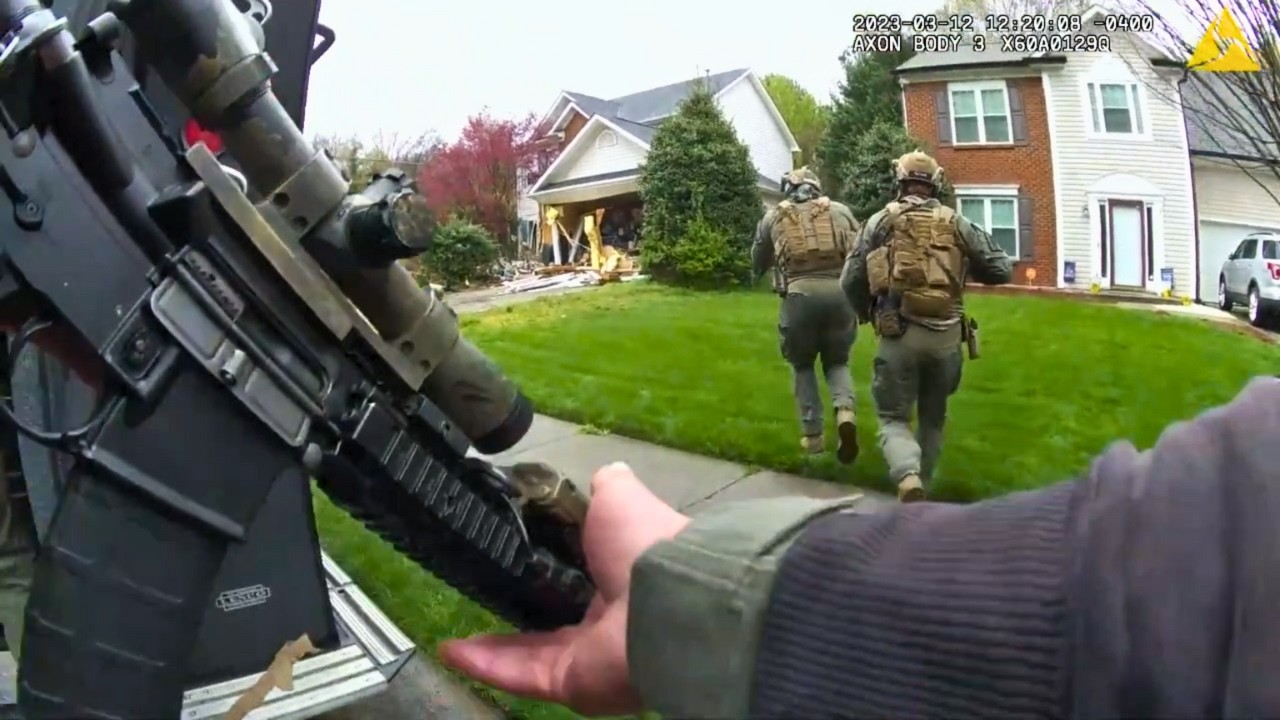
A police response to threats in a Charlotte, North Carolina, neighborhood turned into a sprawling standoff lasting more than 30 hours, involving SWAT officers, crisis negotiators, drones, armored vehicles, a police robot and a sniper who eventually fired on the armed man barricaded inside his home.
Despite the length and danger of the confrontation, the incident ended without a fatality.
The man was eventually taken into custody and transported to a mental health facility for treatment.
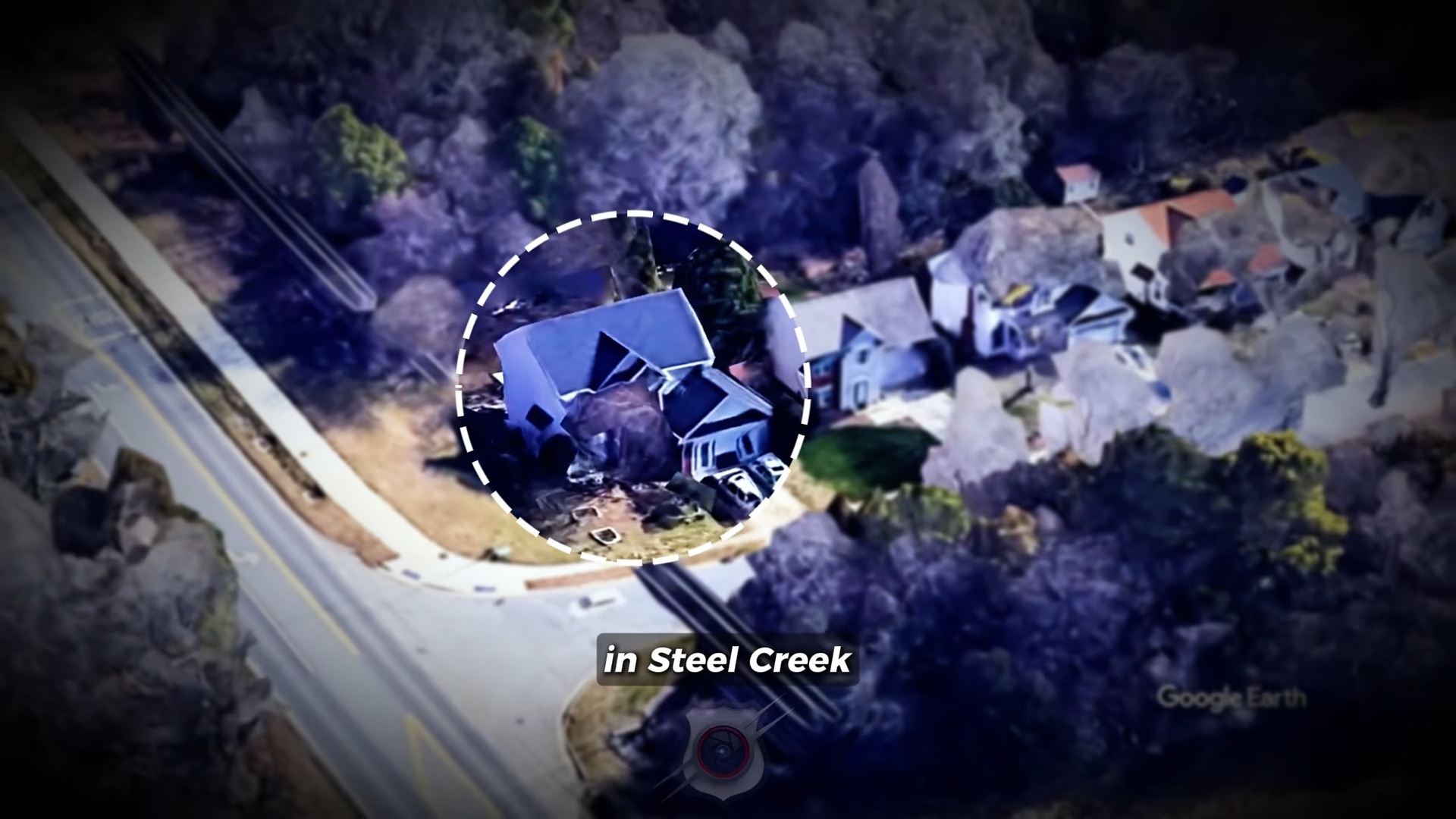
According to the footage, the March 11, 2023, call was far from law enforcement’s first encounter at the home on Greers Fork Drive in the Steele Creek area. Police had reportedly responded to the residence 46 times previously, including 13 incidents involving crisis-intervention teams.
This time, however, neighbors reported something more alarming: the man was outside, armed and threatening both police and people living nearby.
Neighbors Call 911 After Threats
The incident began with calls from frightened neighbors.
One caller told a dispatcher that the man was threatening residents and police while speaking through a megaphone in his front yard.
Another said the family had already been working with a crisis-response team and had been instructed to call 911 if the threats continued.
Officers arrived and attempted to make contact.
Instead of opening the door and speaking with them directly, the man shouted through a megaphone and refused to come outside.
His comments were often difficult to follow. At different points he made statements about political figures, claimed authority he did not have and insisted officers were not legitimate police.
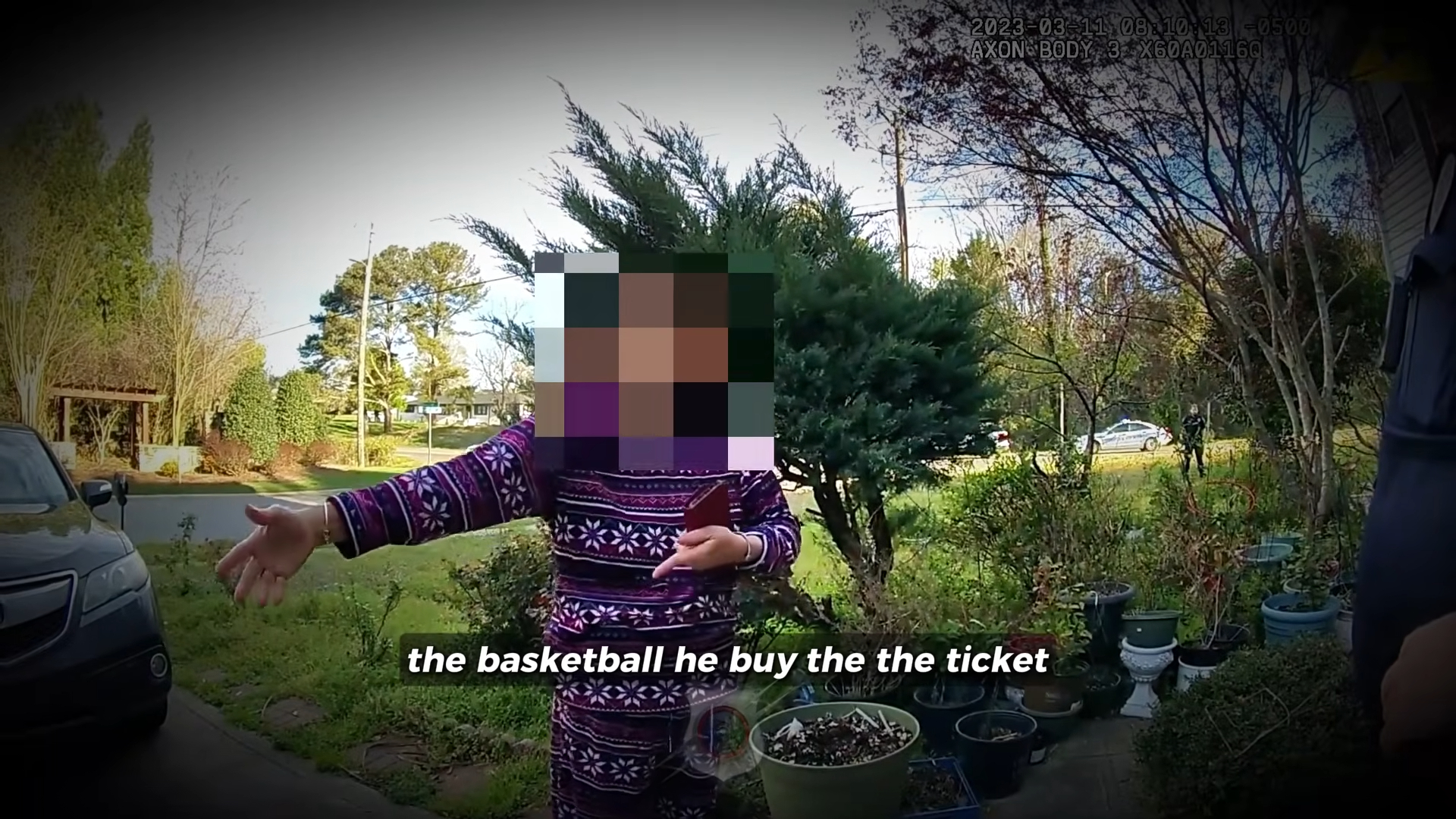
The situation became more concerning when his mother came to the door.
Although a language barrier made communication difficult, she was able to tell officers that her son was unstable and had access to a firearm.
She described what officers understood to be a revolver kept somewhere inside his room.
A family member later helped translate and confirmed that he had a revolver and at least one additional object that could potentially be used as a weapon.
At that point, officers began backing away from exposed positions.
SWAT was called.
Police Try to Negotiate a Peaceful Surrender
Once tactical officers arrived, the neighborhood was transformed.
Armored vehicles, shields and rifle teams surrounded the residence while negotiators began trying to establish a connection with the man inside.
Police also had an outstanding warrant to serve for allegedly communicating threats.
Negotiators repeatedly told him they wanted him to come outside safely.
“We need you to come outside with your hands up,” officers announced.
They emphasized that no one wanted to hurt him and that the situation could end peacefully if he cooperated.
The man refused.
At times, his statements suggested an altered or unstable perception of what was happening around him. He claimed to work for the government, made grandiose political statements and later adopted different names and identities.
At one point, he called 911 himself and claimed that police had kidnapped his mother and were trying to murder him.
The stalemate continued.
Minutes became hours.
SWAT Begins Using Drones and Armored Vehicles
After hours of unsuccessful negotiation, officers began applying more pressure.
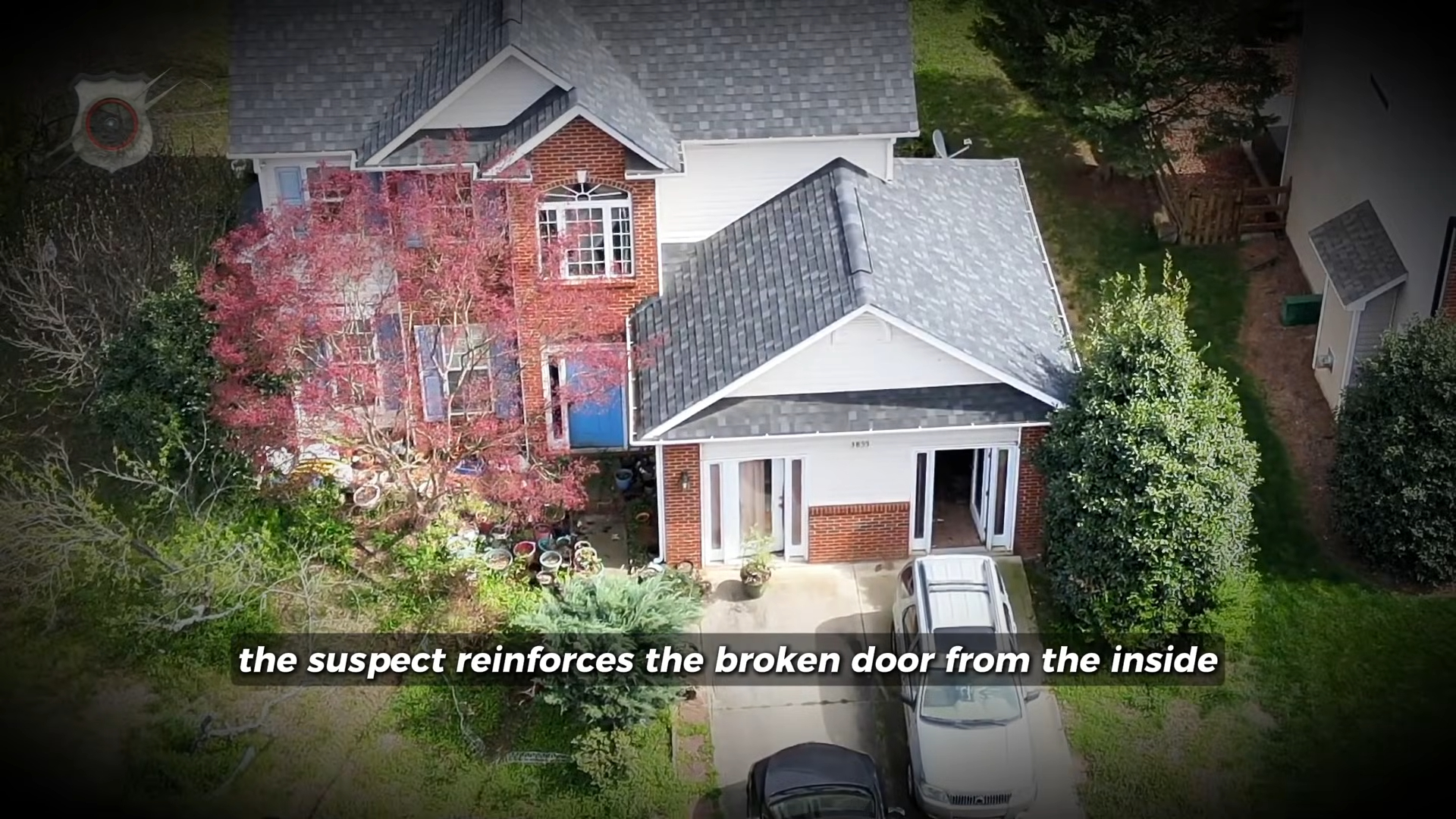
The front door was breached.
Rather than bringing the man outside, the move appeared to anger him further.
He threatened to shoot after officers damaged the door.
Police then used an armored vehicle to reopen the entrance and deployed a drone into the house to locate him without exposing officers to direct gunfire.
The technology did not last long.
According to the footage, the man emerged from a room wielding a baseball bat and destroyed the drone.
Officers continued negotiating anyway.
At one point, he told police that a “voice” was controlling him.
Negotiators tried to engage with him calmly and repeatedly reminded him that they were there because of the outstanding warrant and wanted to resolve the situation without anyone being hurt.
But he repeatedly returned to statements suggesting he believed he would die inside the house.
For officers, the challenge was becoming increasingly difficult.
They were dealing with an armed man who had refused to surrender, destroyed police equipment and repeatedly threatened violence, while still attempting to avoid a direct assault on the home.
A Sniper Fires After Police See a Gun
Tactical officers continued opening sections of the house to improve visibility.
Explosive charges were used on windows. Armored equipment opened additional access points. More drones and eventually a police robot were sent inside.
Then officers saw something that changed the situation immediately.
Through a sniper’s scope, the man appeared near a doorway while holding a gun.
“Gun in his left hand,” an officer called out.
A sniper fired.
The man stumbled backward and disappeared upstairs.
For several moments, police did not know whether he had been seriously wounded.
He stopped answering calls.
Negotiators switched back to loudspeaker announcements while tactical teams prepared for the possibility that he was injured — or that he was waiting to ambush officers entering the house.
Then came an unexpected development.
The man called 911.
He claimed police had shot someone who was holding a gun, but spoke about that person as though it were someone else.
During the call, he identified himself as “Lucifer” and said he was in heaven.
The call established one critical fact for officers outside:
He was still alive.
The Standoff Continues Through the Night
Darkness fell, but police did not rush the house.
Negotiations continued through the night while tactical teams removed barriers, damaged additional windows and cleared vehicles from around the garage.
The man continued shouting through his megaphone, at times referring to himself as Lucifer and talking about ghosts, angels and demons.
By the next morning, officers developed another plan.
Smoke was introduced near the entrance in an effort to influence his movement inside the home.
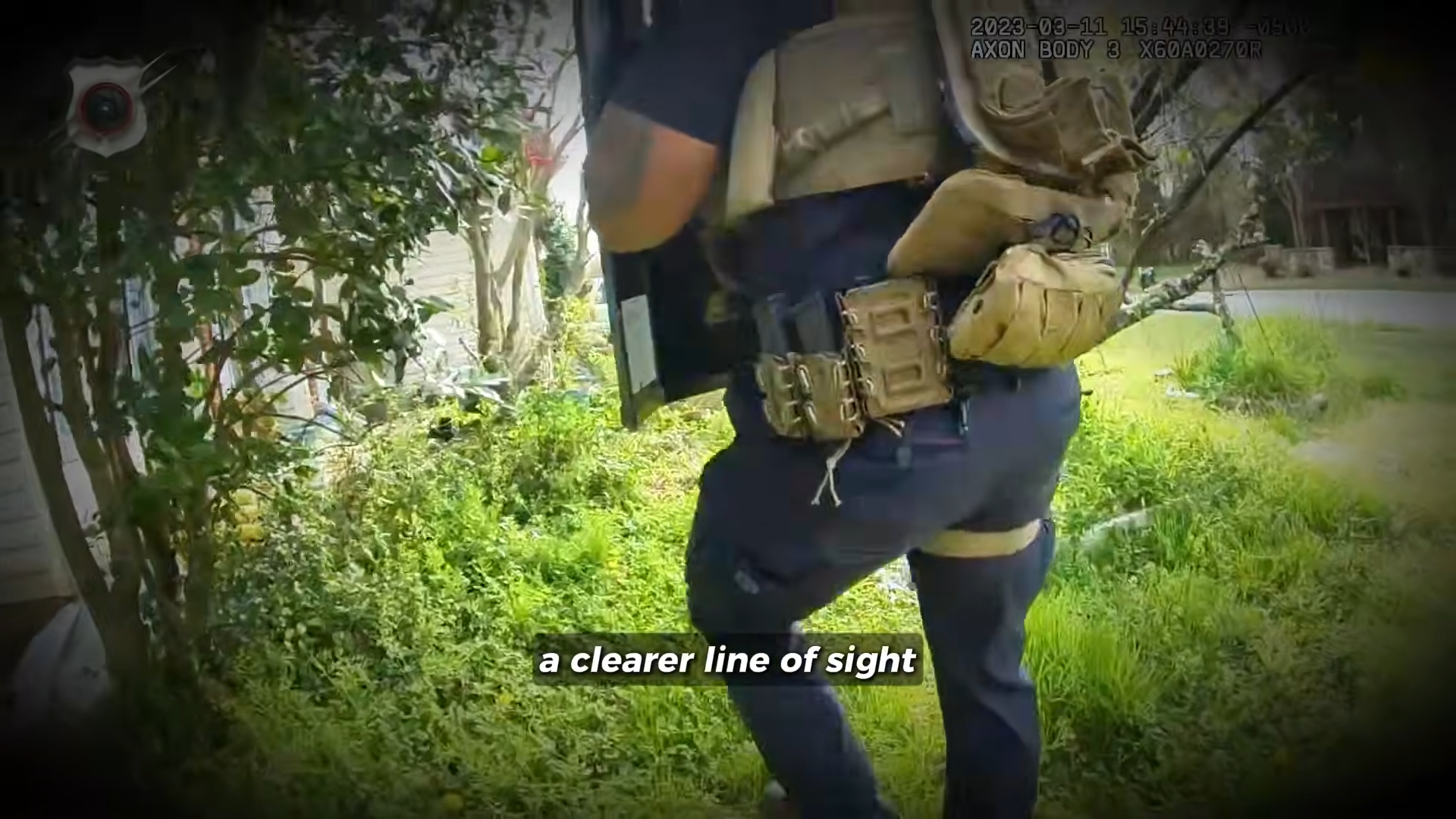
A tactical team also moved forward under sniper cover to cut the power.
Meanwhile, the man was reportedly posting videos on social media in which he claimed police were attempting to kill him.
The confrontation had now lasted more than a day.
Then, finally, he appeared.
A Few Steps From Surrender
After more than 30 hours, the man emerged into the doorway.
Officers immediately began encouraging him forward.
“Keep walking to me.”
“We’re not going to shoot you.”
“You’re doing good.”
For several moments, it appeared the standoff might end without another use of force.
Then he hesitated and began moving backward toward the house.
Officers decided they could no longer allow him to retreat.
Under sniper cover, a tactical team rushed forward.
Within seconds, the man was on the ground and in handcuffs.
A weapon was recovered.
The confrontation was over.
Taken for Mental Health Treatment
After being arrested, the man asked officers to take care of his dogs.
He was then transported to a mental health facility for treatment.
The transcript does not provide a later criminal court disposition, so the ultimate outcome of the communicating-threats warrant or any additional charges is not established by the footage.
What it does document is the extraordinary scale of the police response.
Officers spent more than 30 hours attempting to resolve an armed barricade without killing the person inside.
They negotiated repeatedly.
They used drones and robots before sending officers into danger.
They deployed armored vehicles and smoke.
A sniper fired after the man appeared armed, yet the confrontation still did not end immediately.
Ultimately, the final resolution came when officers were able to physically take him into custody alive.
For a neighborhood that had already seen police respond to the same residence dozens of times, the episode represented the most dangerous escalation yet — and a reminder of how difficult an armed crisis can become when public safety, mental-health concerns and the threat of violence all collide in the same place.