Old Photos and New Witness Accounts Deepen Mystery Around Philadelphia House Linked to Seven Missing Women
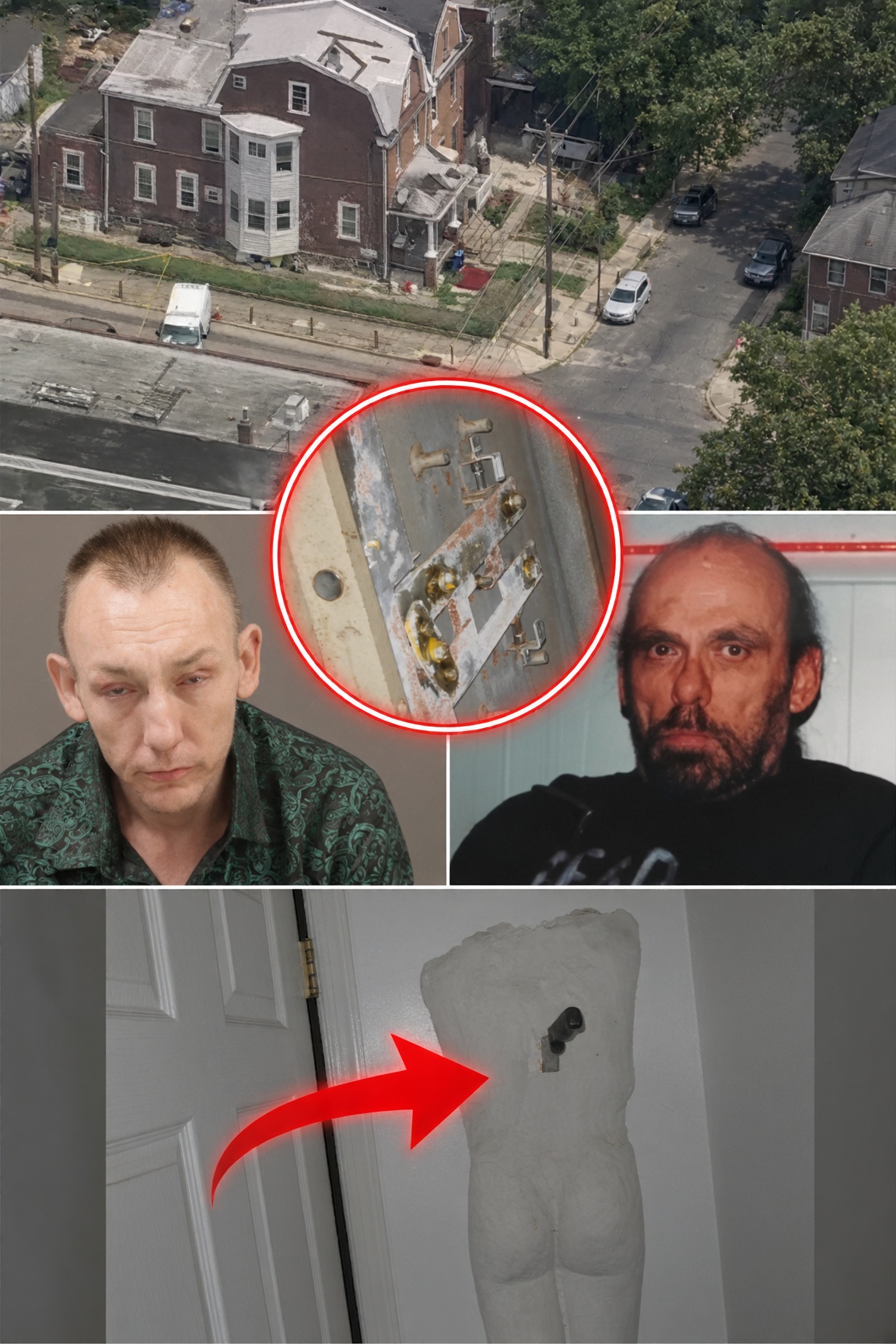
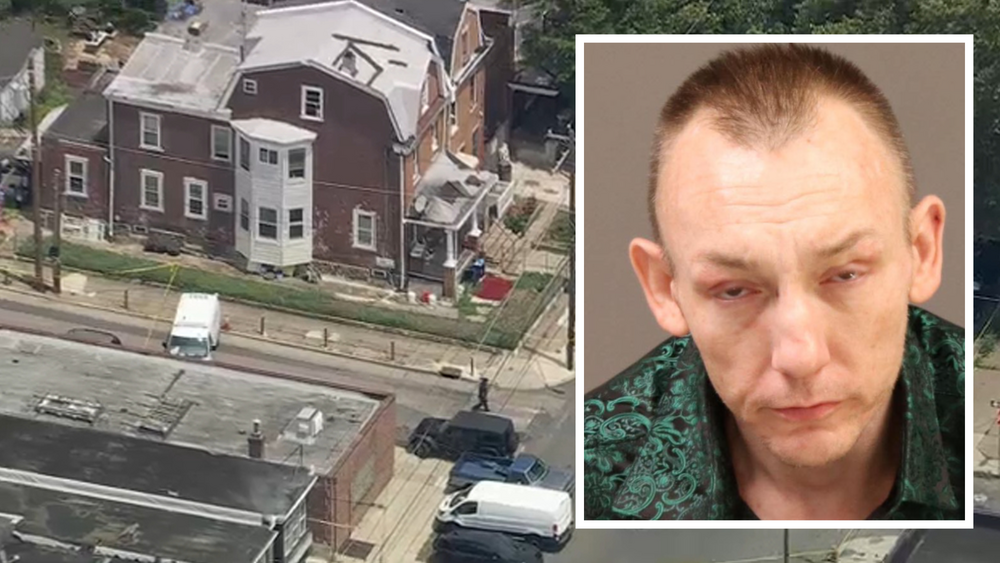
A sprawling investigation into a Philadelphia home linked to seven missing women is expanding beyond the property itself, as investigators receive old photographs from another house once occupied by Raymond “R.C.” Horsch and hear new accounts from women who say they spent time inside his homes years ago.
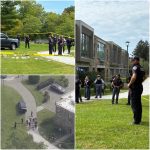
The latest developments come as Philadelphia police and the FBI continue examining an extraordinary archive of more than one million photographs and videos recovered from the West Chew Avenue property in the city’s Olney neighborhood.
Investigators have identified at least 58 people in the material so far. Seven women connected to the files are missing, and authorities say evidence involving five of them has raised serious concern that they may no longer be alive.
Yet the central mystery remains unresolved.
No human remains connected to the missing women have been recovered, and investigators have repeatedly cautioned that Raymond Horsch created violent and erotic staged imagery as part of his photography and filmmaking.
That has left detectives with an unusually difficult task: determining which images were performances — and whether some may instead document real crimes.
Photos From a Second Horsch Property Surface 16 Years Later
One of the newest pieces of evidence comes not from the Olney house, but from a property in Chalfont, Pennsylvania, where R.C. Horsch once lived.
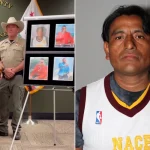
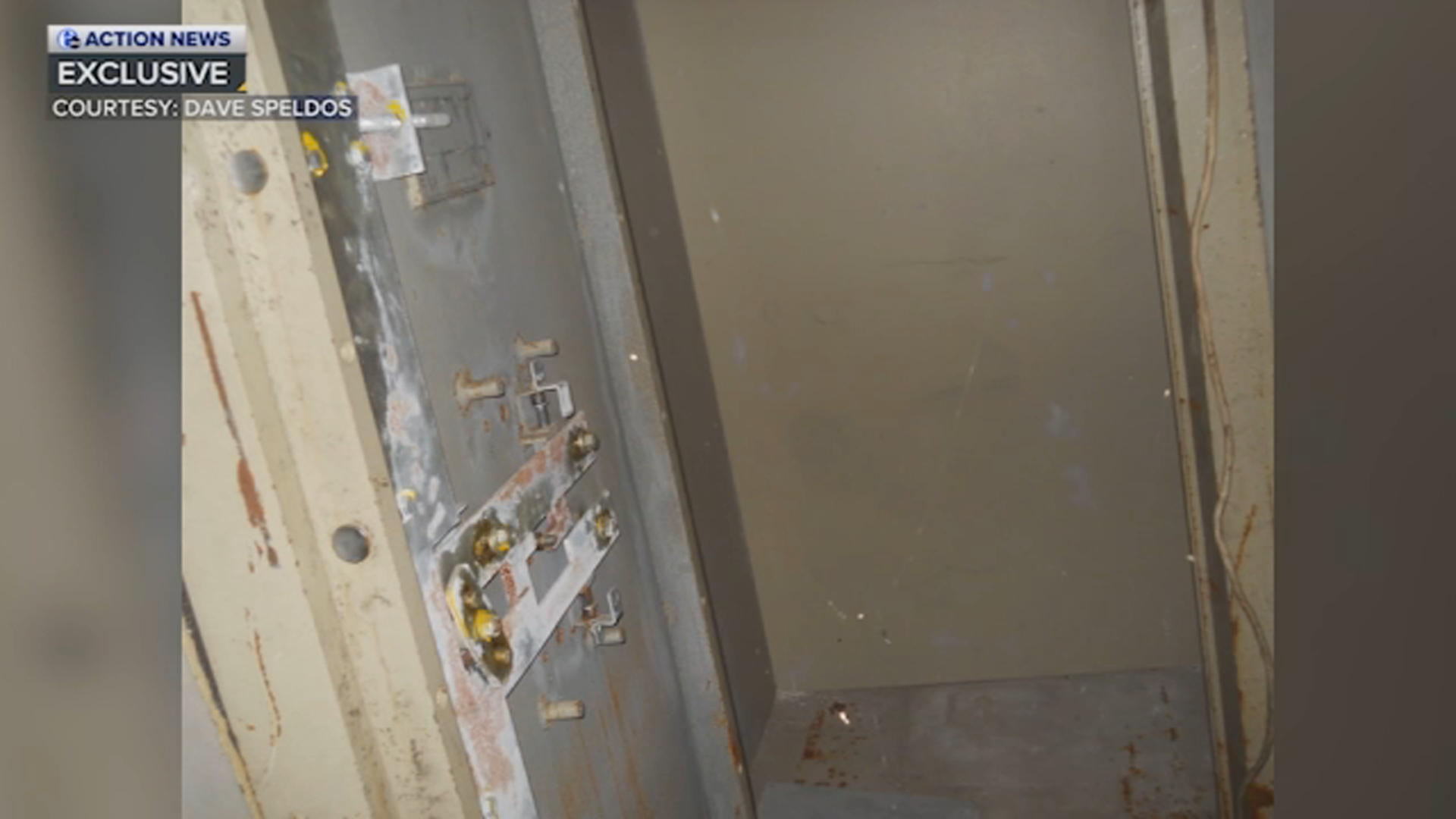
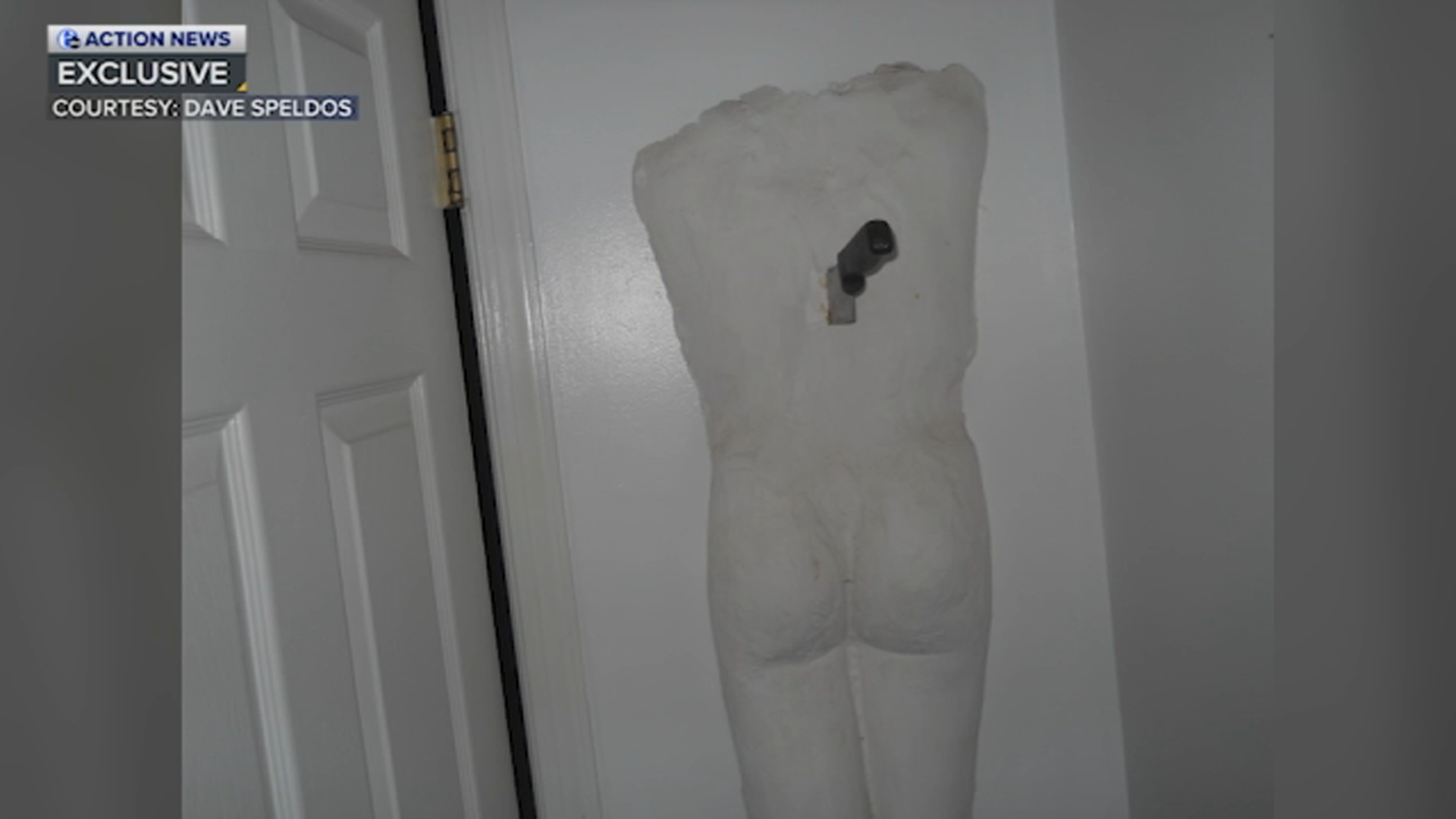
A former property-preservation contractor, Dave Speldos, recently turned over a collection of photographs he took inside the home in November 2010.
Speldos entered the property after it had gone into foreclosure and said his job required him to document every room before cleanup work began.
He kept the images for more than 15 years.
After recognizing Horsch’s name in recent coverage of the investigation, he contacted authorities and provided the photographs to local police and the FBI.
The images reportedly document an unusual assortment of items inside the property, including wigs, women’s underwear, sex toys, mannequins and a plaster mold resembling a human body with a knife positioned in its back.
Speldos also photographed remnants of a marijuana-growing operation in the basement.
But one feature stood out most clearly in his memory: what he described as a large, deteriorating vault-style door leading into an enclosed area.
Authorities have said they are aware of the former Chalfont property, although it has not been publicly established that any crime involving the missing women occurred there.
R.C. Horsch had already left the home by the time Speldos photographed it.
Woman Recalls Being Told Not to Enter Basement
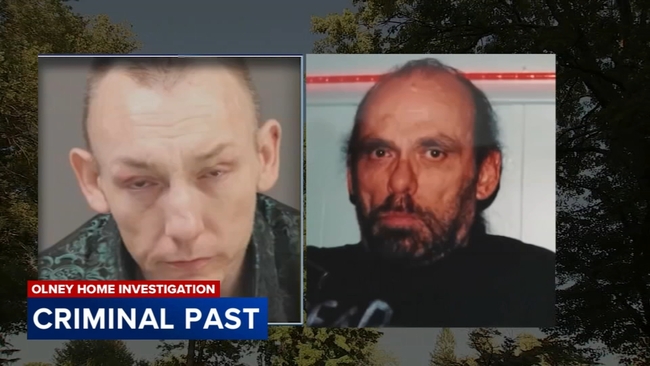
The new photographs surfaced just as two women who previously modeled for R.C. Horsch began publicly describing their own experiences inside his Philadelphia home.
Their accounts are significant because both women say they interacted with Horsch before the current investigation and saw the environment from inside.
Neither said Horsch physically threatened them.
One woman, identified as Cassandra Barone, said she began working with him around 2013 after he approached her in Kensington.
Barone said she was struggling with addiction at the time and accepted money and a place to stay in exchange for posing for photographs.
She recalled shoots involving fake blood, restraints and staged death imagery.
What stayed with her, however, was something much simpler.
She remembered the house having a strange smell.
She also said Horsch specifically told her not to go into the basement.
At the time, she did not treat the warning as evidence that something criminal was happening.
Years later, in light of what investigators have now recovered from the property, she said the memory has taken on a different significance.
Her account remains a witness recollection, not proof that any crime occurred in the basement.
Another Model Describes a Dirty but Apparently Professional Setting
A second woman, identified only as Christy, said she met Horsch for a photography session in the late 2000s after initially encountering him online.
She described him as professional during the shoot and said she did not feel she was in immediate danger.
She remembered the house as dirty and moldy, with a strong unpleasant odor.
Christy also said Horsch took her identification during the session.
She only modeled for him once.
The testimony from both women underscores one of the complications investigators now face: Horsch openly produced dark, violent imagery while presenting much of it as art or performance.
Archived descriptions of his work characterized some scenes as women acting out imagined deaths.
Police say that context makes it impossible to conclude from disturbing imagery alone that a real homicide occurred.
More Than One Million Files Under Review
The scale of the digital investigation is enormous.
Police and federal agents are examining more than one million photographs and videos seized from the Chew Avenue property.
Investigators have identified 58 people appearing in the material.
Some have been located alive.
Others have agreed to speak with investigators, while some have declined.
Seven women appearing in or otherwise connected to the evidence are classified as missing.
Authorities have said evidence involving five women is especially concerning because they are shown apparently injured, unconscious or lifeless in certain images and recordings.
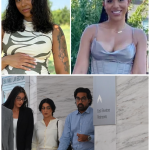
Among the women connected to the investigation are Gabrielle Amarando, Maribel Fresses, Amy McHale, Nicole Fusaro and Blair Tonzelli.
Two additional women have not been publicly identified, including one whose identity remains unknown.
Despite the disturbing nature of some files, police have emphasized that appearances on video are not enough to establish a death.
Some of R.C. Horsch’s known work deliberately simulated violence.
That distinction has become the core forensic challenge of the investigation.
A 2017 Video Creates Another Timeline Puzzle
One recovered video has drawn particular scrutiny.
Police say its metadata dates to 2017.
The recording allegedly shows R.C. Horsch with a woman inside a bedroom. According to investigators, the woman appears to use drugs, is given money and is then restrained to a bed.
A zip tie is later placed around her neck, and she eventually appears unconscious or lifeless.
A relative has identified the woman as Nicole Fusaro, who was officially reported missing in 2018.
Her remains have never been recovered.
The apparent mismatch between the video’s 2017 metadata and Fusaro’s documented 2018 disappearance creates an important unresolved timeline question.
Investigators have not said whether the file’s internal date was accurate, whether Fusaro’s official missing date reflects the last verified sighting, or whether some other explanation accounts for the discrepancy.
Police have also stressed that the video by itself does not establish that the woman died.
Amy McHale’s Final Voicemail Still Looms Over the Case
Another key piece of the investigation involves Amy McHale, R.C. Horsch’s former wife.
McHale disappeared in June 2016.
Her daughter has said McHale left a voicemail shortly before disappearing in which she said she was safe and staying at R.C. Horsch’s home on West Chew Avenue.
That communication became her family’s final known contact with her.
Horsch reportedly told relatives and investigators that McHale had been at the house but was gone by the time he woke up.
Nearly a decade later, her disappearance remains unresolved.
Investigators Also Examining Crematorium Connection
Investigators are now looking beyond Horsch’s homes and digital archive.
R.C. Horsch reportedly had access years earlier to a crematorium in Philadelphia’s Kensington neighborhood.
People familiar with the arrangement have alleged that he exchanged money and drugs with an employee in return for permission to photograph or film human remains inside the facility.
Horsch was not charged in connection with criminal activity associated with that crematorium.
The facility itself had previously been linked to a separate illegal body-parts operation involving funeral-home operators, but authorities have not established that Horsch participated in that scheme.
Investigators are nevertheless reviewing his connection to the site as they attempt to understand where some of his disturbing images were created.
Eugene Horsch’s Federal Trial Pushed to March
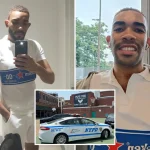
The investigation began after R.C. Horsch’s son, Eugene Horsch, was stopped in Philadelphia on June 19.
Authorities say a woman with him produced identification belonging to missing woman Blair Tonzelli.
The encounter eventually led investigators to the Chew Avenue home.
Eugene Horsch now faces federal charges involving firearms and false law-enforcement credentials, along with other allegations unrelated to the missing-women investigation.
He has not been charged with killing or causing the disappearance of any of the women.
His federal trial, previously expected earlier, has now been postponed until March 22, 2027 after his defense requested additional preparation time.
He remains in federal custody.
Investigators Are Trying to Separate Performance From Possible Evidence
R.C. Horsch died in 2025 at age 82 and was never charged in connection with the disappearances now under review.
That leaves investigators reconstructing events largely through digital files, witness accounts, metadata, property records and physical evidence collected years after many of the women vanished.
The old Chalfont photographs may now provide another visual reference point.
Investigators can compare architectural details, rooms, basement spaces and backgrounds in those photographs against scenes appearing in Horsch’s enormous digital archive.
The same process is underway with the Olney property.
The objective is not simply to find disturbing images.
It is to determine when and where each image was made, who appears in it, whether the person was seen alive afterward, and whether a scene represented performance or something real.
For the families of the missing women, that distinction could ultimately answer questions that have remained unresolved for years.
For investigators, however, the scale of the evidence means the case is far from finished.
More than a million files, two Horsch properties, decades of photography, conflicting timelines and seven missing women now sit at the center of an investigation in which even the most disturbing image cannot yet be taken entirely at face value.