One Role Changed Everything: The Movies That Pulled Hollywood Stars Back From the Edge
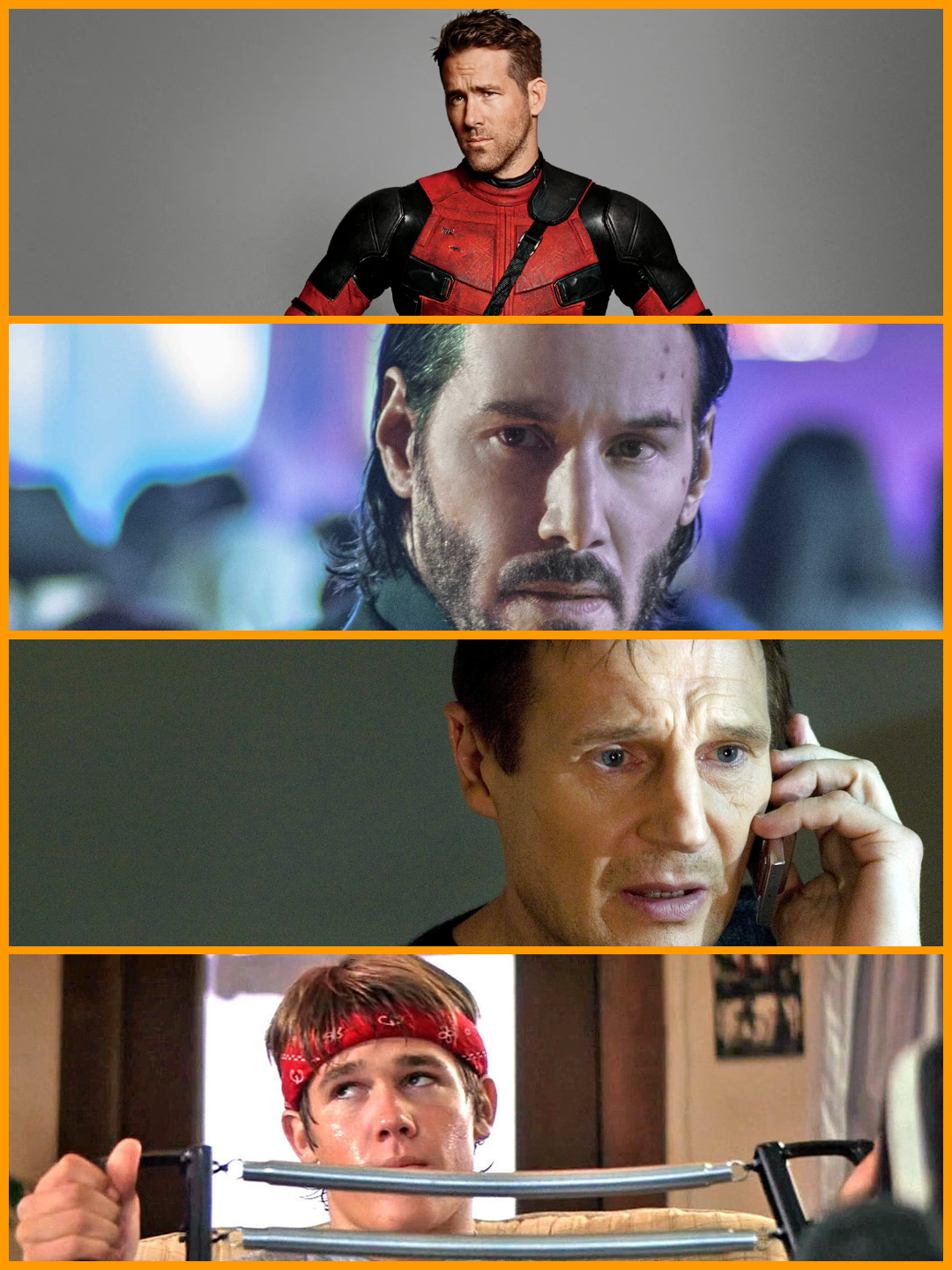
Hollywood careers rarely end with an official announcement.
Sometimes the leading roles simply become smaller. The calls arrive less often. A performer who once seemed unavoidable suddenly disappears from the center of the conversation.
But the opposite can happen just as quickly.
For a remarkable group of actors, one unexpected role was enough to change how Hollywood saw them again. Some had spent years trapped beneath the weight of an earlier success. Others were fighting fading popularity, disappointing movies or the feeling that audiences had already decided who they were.
Then the right character came along.
Robert Downey Jr. Found the Role That Changed Everything
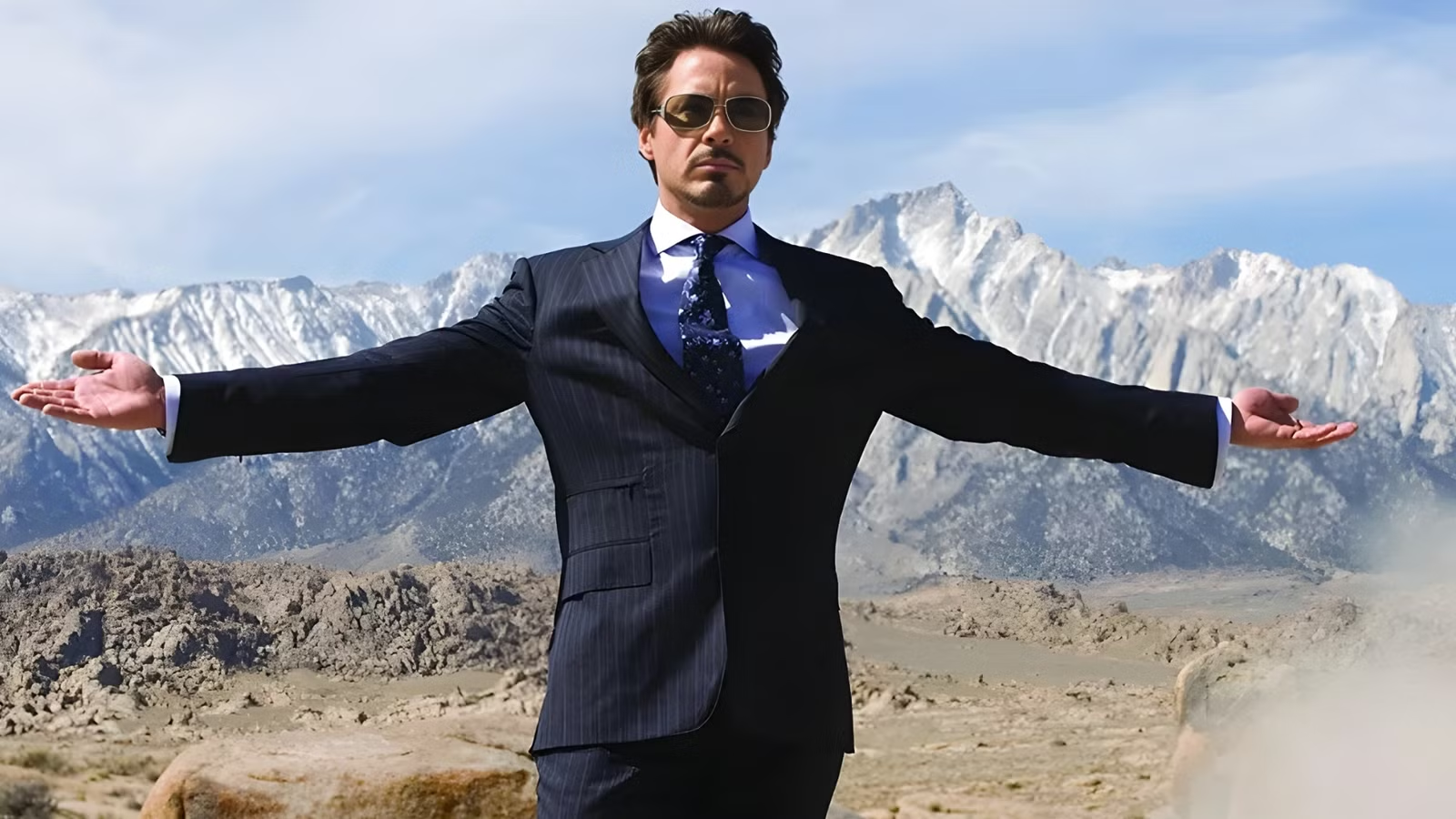
Few Hollywood comebacks are as dramatic as Robert Downey Jr.’s.
Downey had been a recognizable star during the 1980s, but personal struggles and substance abuse problems seriously damaged his career. By the time Iron Man arrived, casting him as the face of a potential superhero franchise was hardly an obvious choice.
Director Jon Favreau, however, pushed for Downey to play Tony Stark.
It proved transformational.
Released in 2008, Iron Man turned Downey into the center of what would become one of Hollywood’s biggest franchises. Instead of being remembered primarily for the problems that had disrupted his earlier career, he became inseparable from Tony Stark — the charismatic billionaire whose own story was built around rebuilding himself.
There was something almost perfectly fitting about the pairing.
The actor and the character both looked like men receiving another chance.
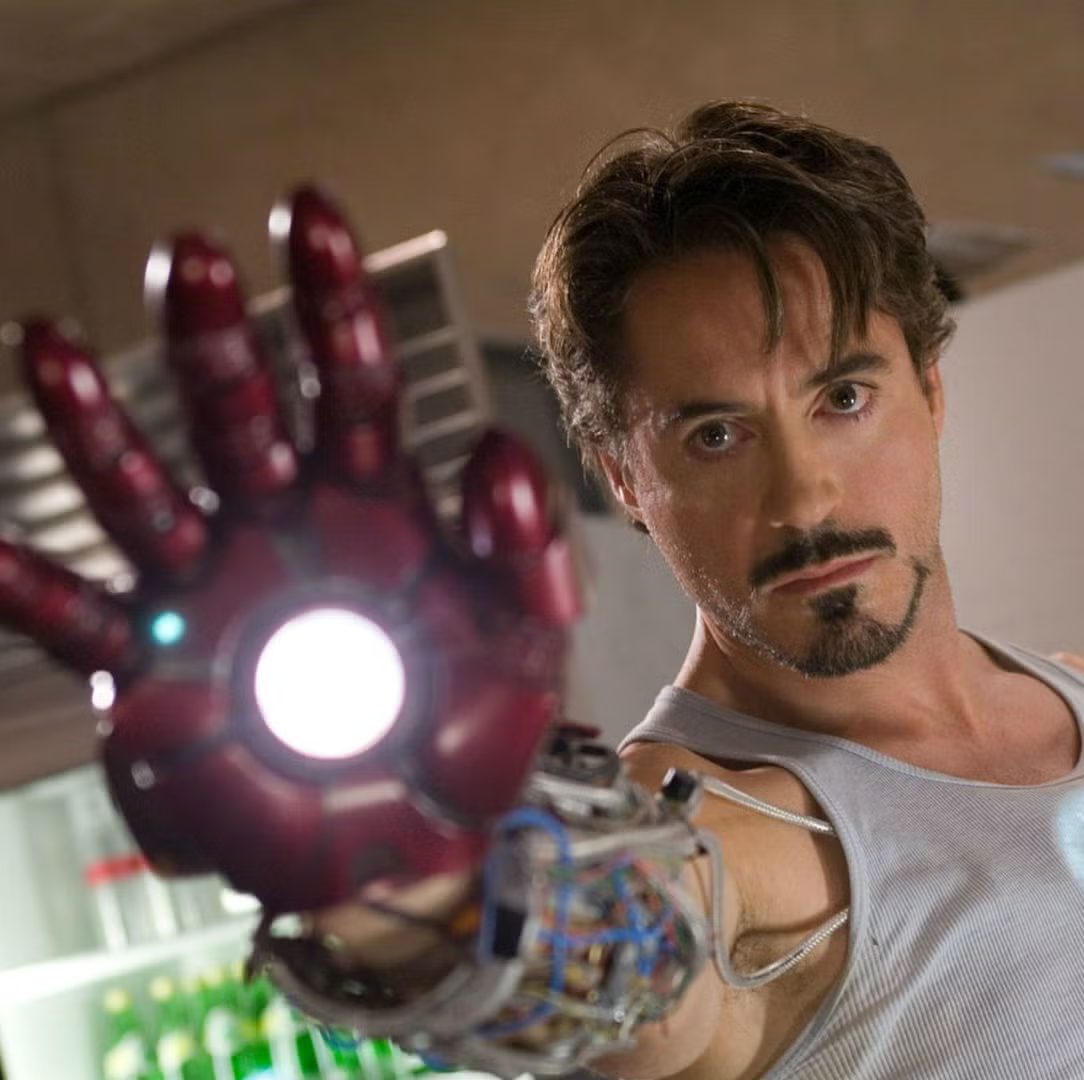
Sean Connery Finally Escaped James Bond’s Shadow
Sean Connery faced a different problem.
His years as James Bond had made him internationally famous, but that kind of success can become its own trap. During the years that followed, his career lost momentum, and audiences struggled to separate Connery from the tuxedo and 007 identity that had defined him.
Then came Brian De Palma’s The Untouchables in 1987.
Connery’s performance helped launch a major late-career resurgence and earned him an Academy Award. From there came prominent roles in movies including Indiana Jones and the Last Crusade, The Hunt for Red October and eventually The Rock.
Instead of being remembered simply as the former Bond, Connery entered an entirely new stage of his career.
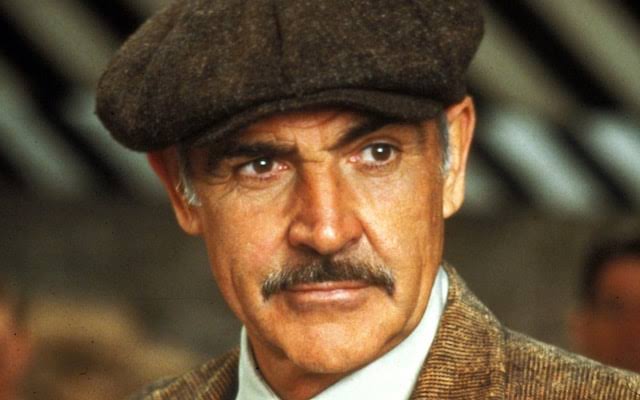
Josh Brolin Needed One Huge Second Act
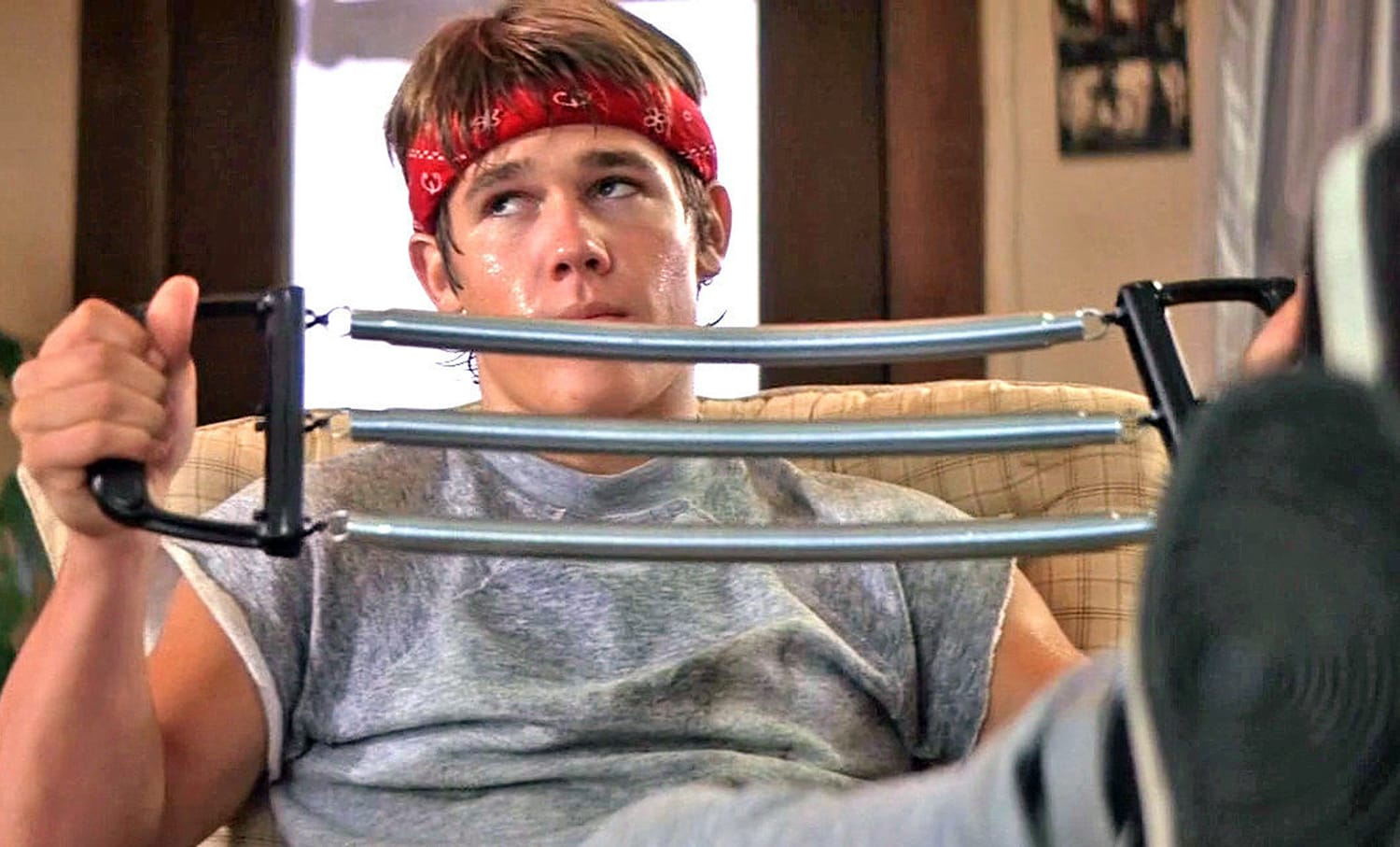
Josh Brolin already had a piece of movie history behind him because of The Goonies.
But childhood or youthful success does not guarantee lasting stardom.
For years, Brolin worked without reaching the level of recognition that would later define him. Then, roughly two decades after The Goonies, he appeared in the Coen brothers’ No Country for Old Men in 2007.
The role dramatically changed his trajectory.
Suddenly, Brolin was no longer simply an actor audiences might vaguely remember from years earlier. He had reintroduced himself as a formidable adult performer capable of carrying darker, more demanding material.
Matthew McConaughey Walked Away Before He Came Back
Matthew McConaughey’s reinvention was more deliberate.
He had become closely associated with romantic comedies and lighter movies, but eventually decided that continuing down the same path could limit him permanently.
So he stopped taking the easy offers.
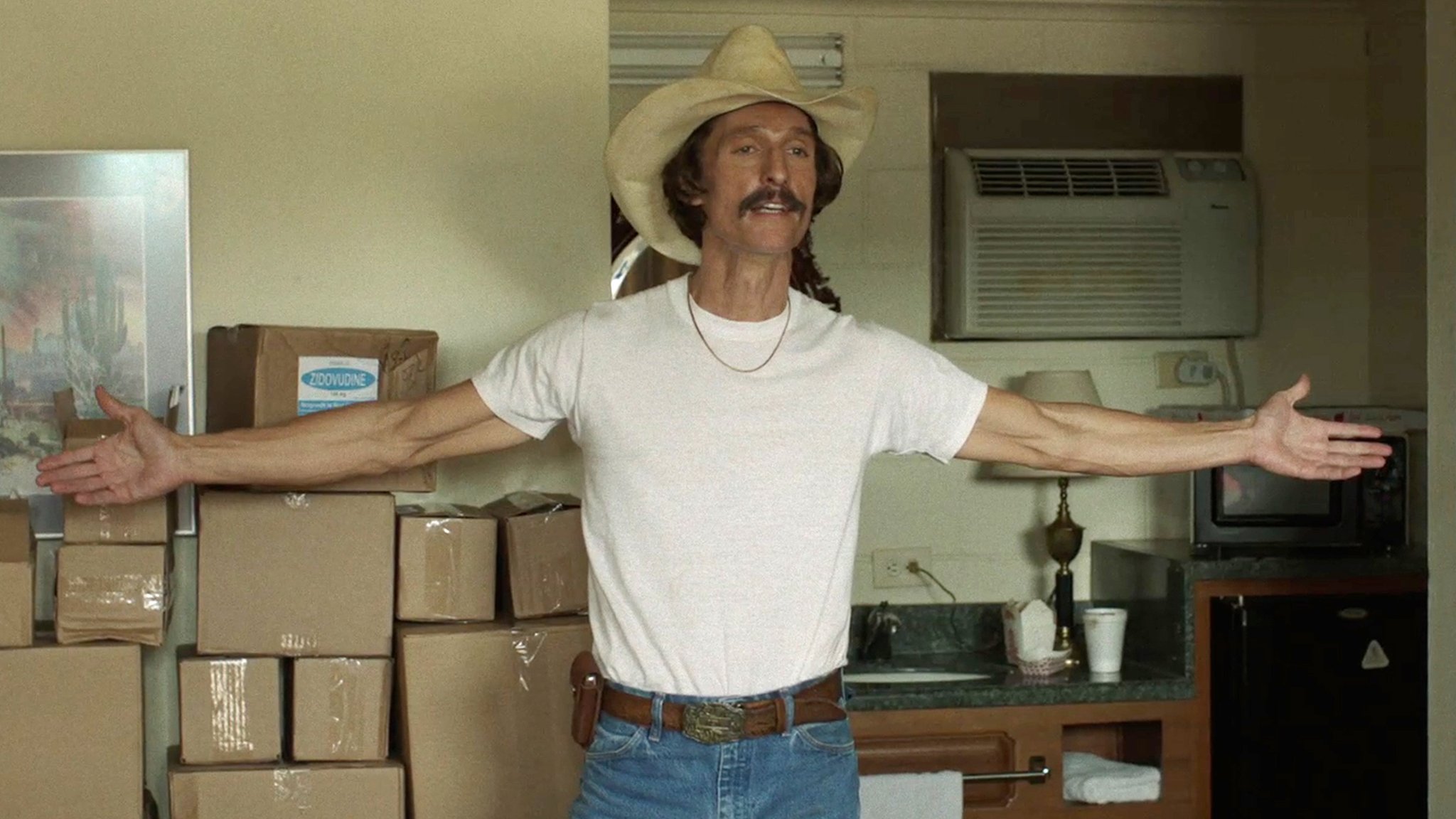
According to the account highlighted in the discussion, McConaughey went approximately 14 months without receiving another movie offer after turning away from the kind of work Hollywood expected him to accept.
The gamble eventually paid off.
Dallas Buyers Club became part of an extraordinary stretch that also included True Detective and Interstellar. The transformation was so pronounced that his career revival became known as the “McConaissance.”
The former romantic-comedy fixture had suddenly become one of Hollywood’s most respected dramatic stars.
Liam Neeson Became an Action Star at 56
Sometimes a comeback does not restore an old career.
It creates an entirely new one.
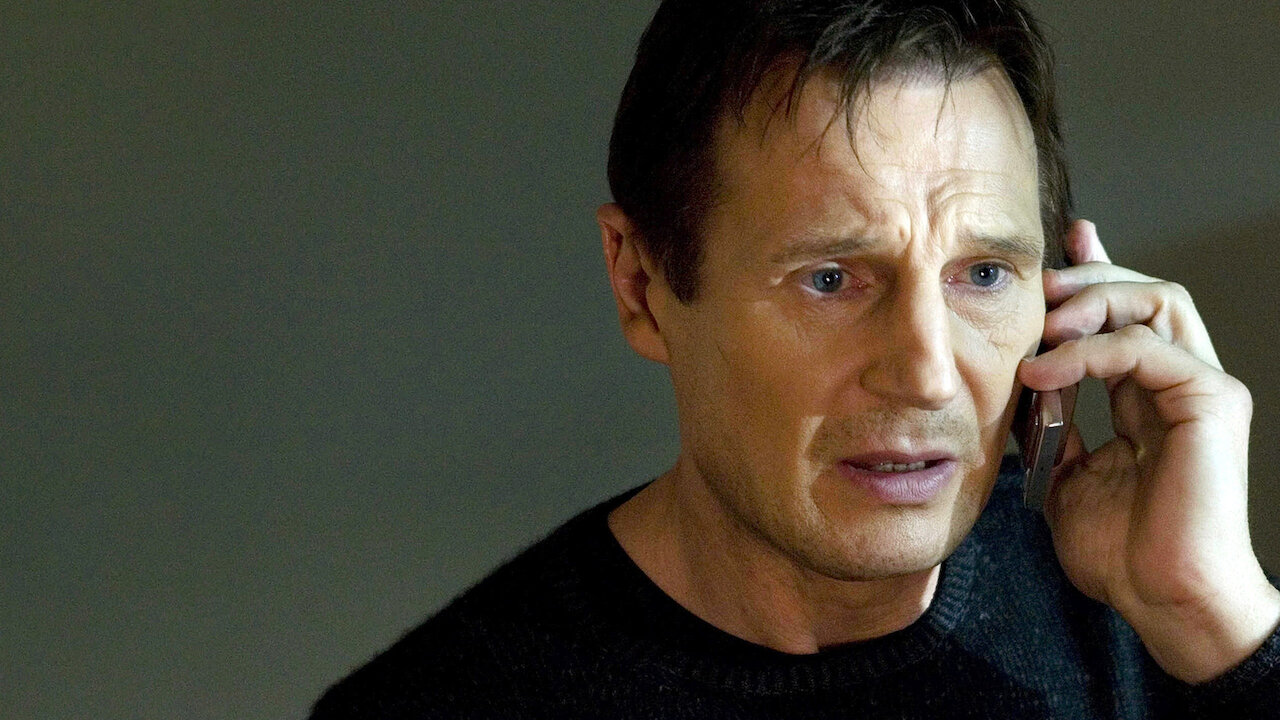
That is essentially what happened to Liam Neeson with Taken.
Neeson already had a long and respected acting career, but Taken revealed a version of him audiences had not previously expected: an older, controlled and intimidating action hero.
He was 56.
Rather than treating his age as a limitation, the movie turned it into part of his appeal. Taken redirected Neeson’s career and opened the door to an extended run of action-oriented roles that would have seemed unlikely only a few years earlier.
Keanu Reeves Put on the Suit Again
Keanu Reeves had already experienced enormous fame through movies including Speed and The Matrix.
But after The Matrix era, his career entered a quieter period. The cultural perception surrounding him had changed, and some audiences had begun treating him less like a major movie star and more like a relic of an earlier blockbuster era.
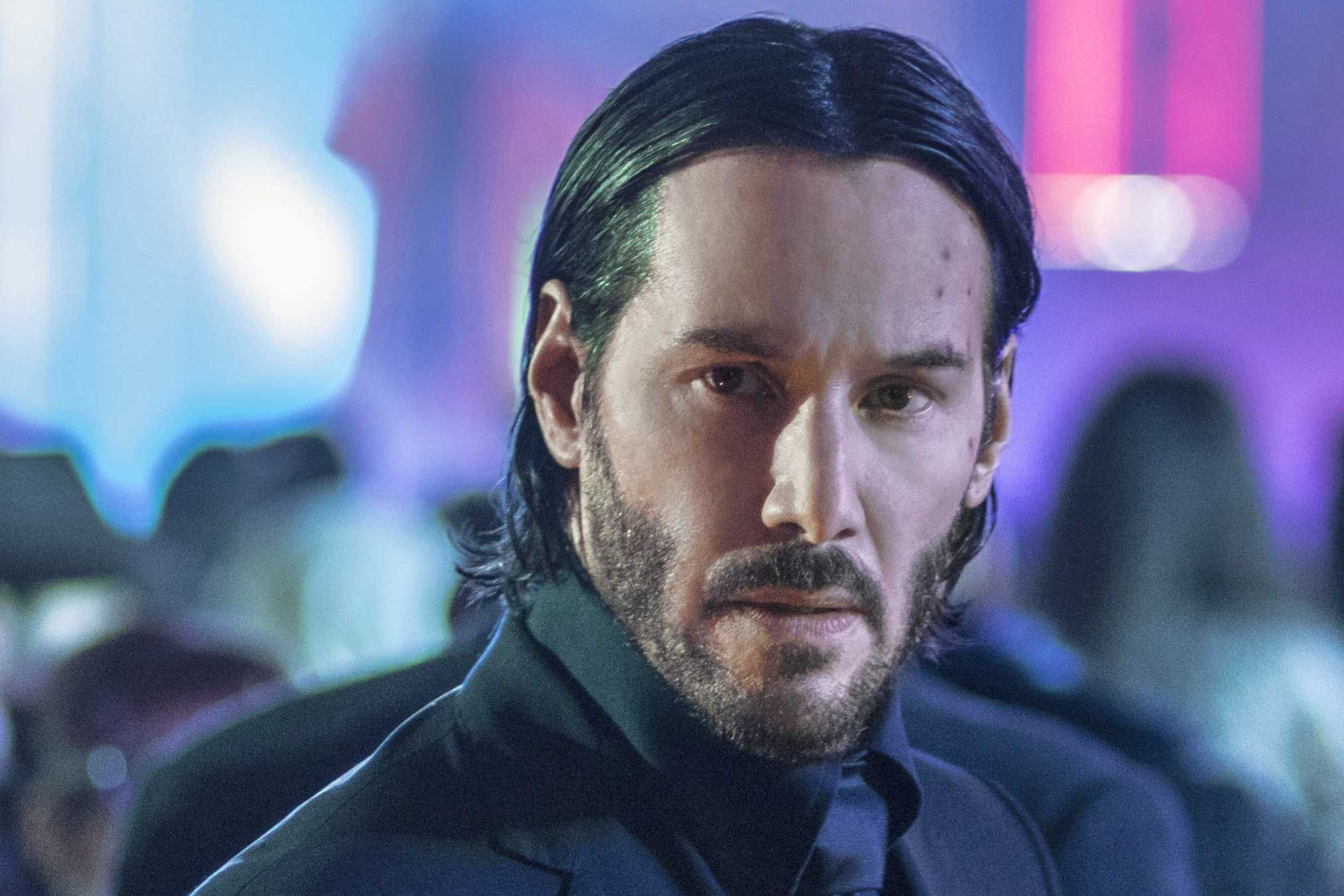
Then came John Wick in 2014.
The premise was straightforward. Reeves played a grieving former assassin drawn back into a violent world he had tried to leave behind.
The effect on his career was anything but small.
John Wick gave Reeves a new signature character and launched a franchise. More importantly, it reminded audiences why his particular combination of physical commitment, restraint and screen presence worked so well in action movies.
Michael Keaton’s Comeback Was Almost Too Perfect
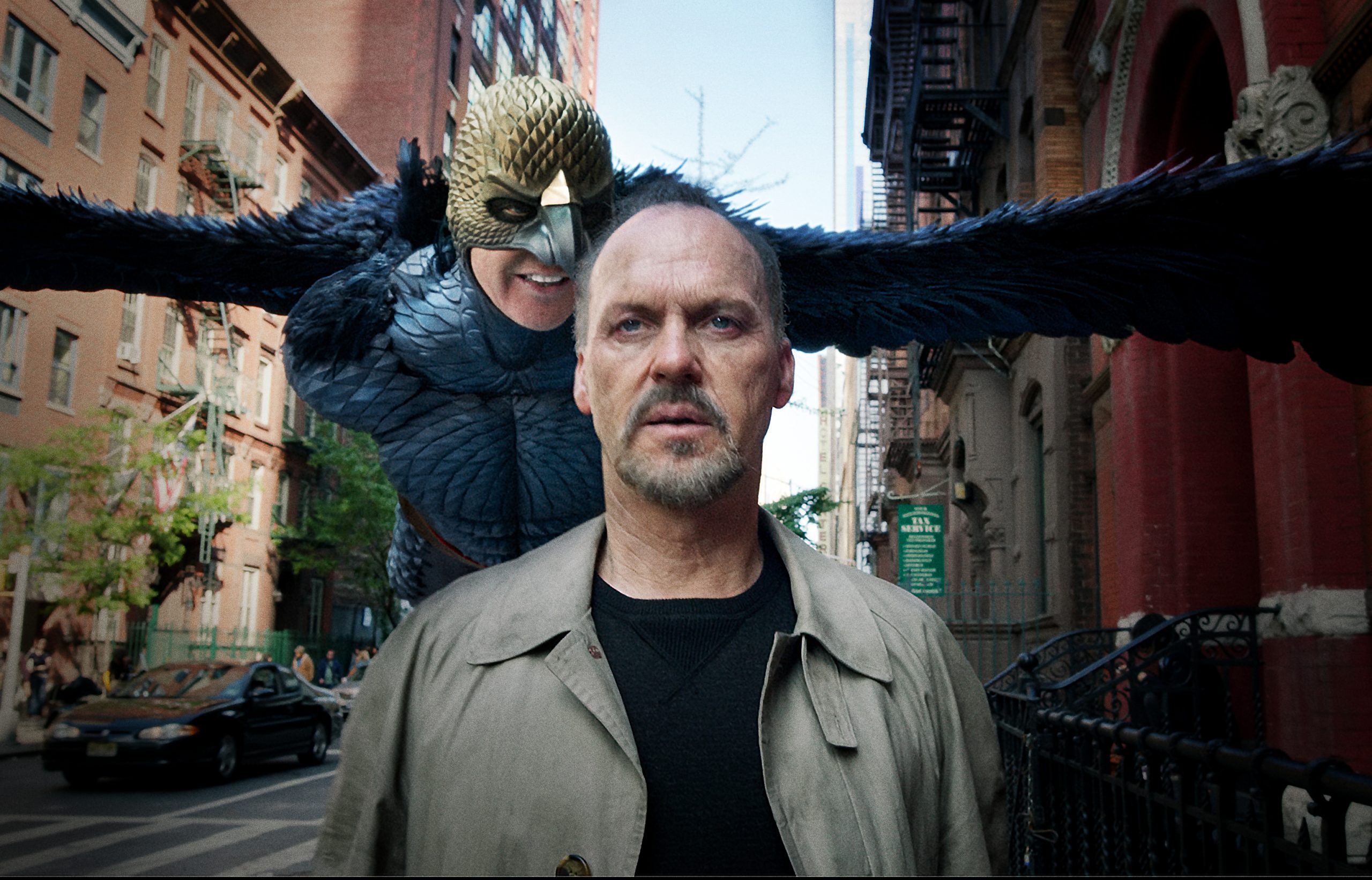
Michael Keaton’s Birdman revival carried an additional layer of irony.
Keaton had been an A-list star during the late 1980s and early 1990s, most famously playing Batman. His profile later declined, and he appeared in considerably less prestigious projects.
Then he played Riggan Thomson in 2014’s Birdman — an aging actor once famous for portraying a superhero who desperately wants to prove he is capable of something more meaningful.
The parallels were impossible to miss.
Keaton’s performance earned him an Academy Award nomination and pushed him back toward major dramatic roles.
The comeback story inside the movie began to resemble the comeback happening outside it.
Ryan Reynolds Finally Found the Superhero That Fit
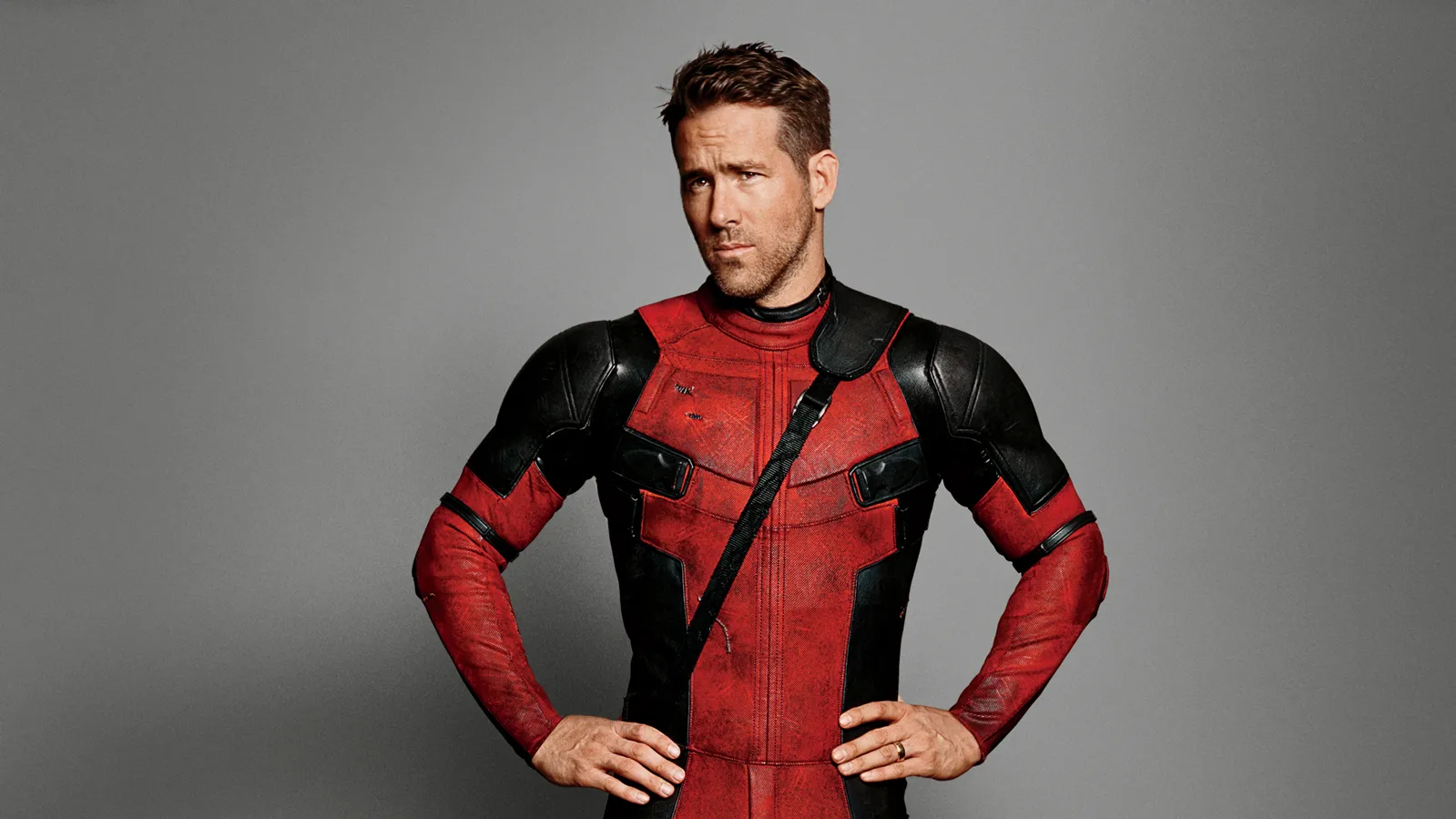
Ryan Reynolds had already tried the superhero world before Deadpool.
It had not gone particularly well.
Green Lantern became one of the most frequently cited disappointments of his career, and several other leading-man projects failed to establish him as the dependable box-office star Hollywood had once expected him to become.
Then, in 2016, Reynolds finally played the comic-book character that matched his comic instincts.
Deadpool changed everything.
The irreverent humor, self-awareness and rapid-fire delivery that could feel misplaced elsewhere became the character’s greatest weapons. Instead of asking Reynolds to fit himself into a conventional superhero mold, the movie built its identity around what he naturally did best.
As one assessment summarized it, Green Lantern damaged his trajectory and Deadpool revived it.
Even Tom Cruise Needed Audiences to See Him Differently
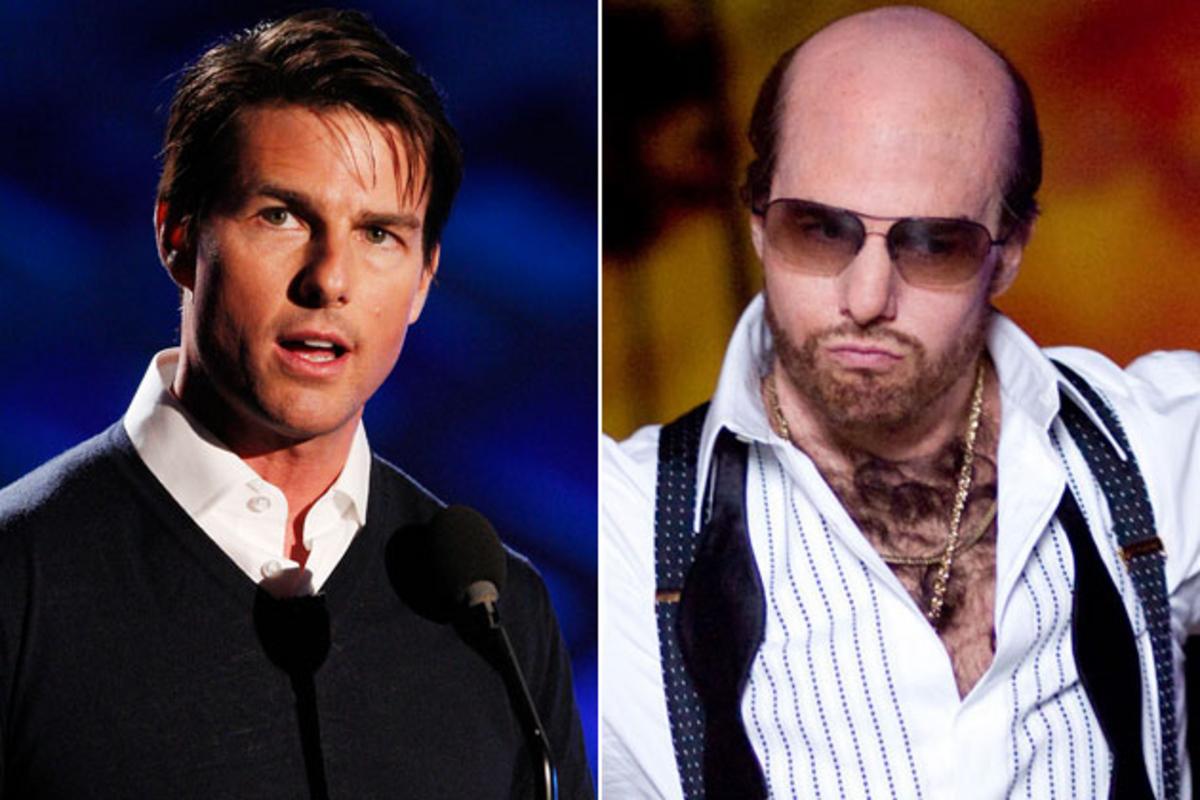
Tom Cruise’s appearance in Tropic Thunder was far smaller than many of the roles on this list.
It may also have been one of the smartest.
After a period in which his public image had become unusually intense and controversial, Cruise appeared almost unrecognizable as foul-mouthed studio executive Les Grossman.
He was crude, ridiculous and willing to make himself the joke.
For some viewers, particularly the memorable dance sequence near the film’s end became symbolic of something larger: Cruise reminding audiences that he could laugh at himself.
It didn’t rebuild his career from nothing. It changed the conversation around him.
And sometimes that is enough.
Hollywood Loves a Comeback Because It Rarely Looks Predictable
Drew Barrymore found renewed attention through Scream. Leslie Nielsen discovered an entirely new comic identity with Airplane!. Neil Patrick Harris returned to pop-culture relevance after playing an exaggerated version of himself in Harold & Kumar Go to White Castle. Winona Ryder’s appearance in Black Swan helped place her back in the conversation, while Christoph Waltz’s Inglourious Basterds performance transformed years of relatively low international visibility into Oscar-winning recognition.
Adam Sandler reminded audiences of his dramatic abilities in Uncut Gems. Ben Affleck rebuilt his reputation as a filmmaker through The Town before Argo went on to win Best Picture.
Their stories are different, but the pattern is strikingly similar.
Hollywood can spend years deciding what kind of performer someone is.
Then one movie can make everyone reconsider.
A fading star can become an action hero. A former superhero can become an acclaimed dramatic actor. A performer associated with tabloid trouble can become the face of a billion-dollar franchise.
The remarkable thing about a Hollywood comeback is not simply that someone becomes famous again.
It is that sometimes, after years of being told who they are, an actor needs only one role to show audiences who they can still become.