Teen Found in California Vineyard Regains Her Name Nearly 50 Years Later Through DNA
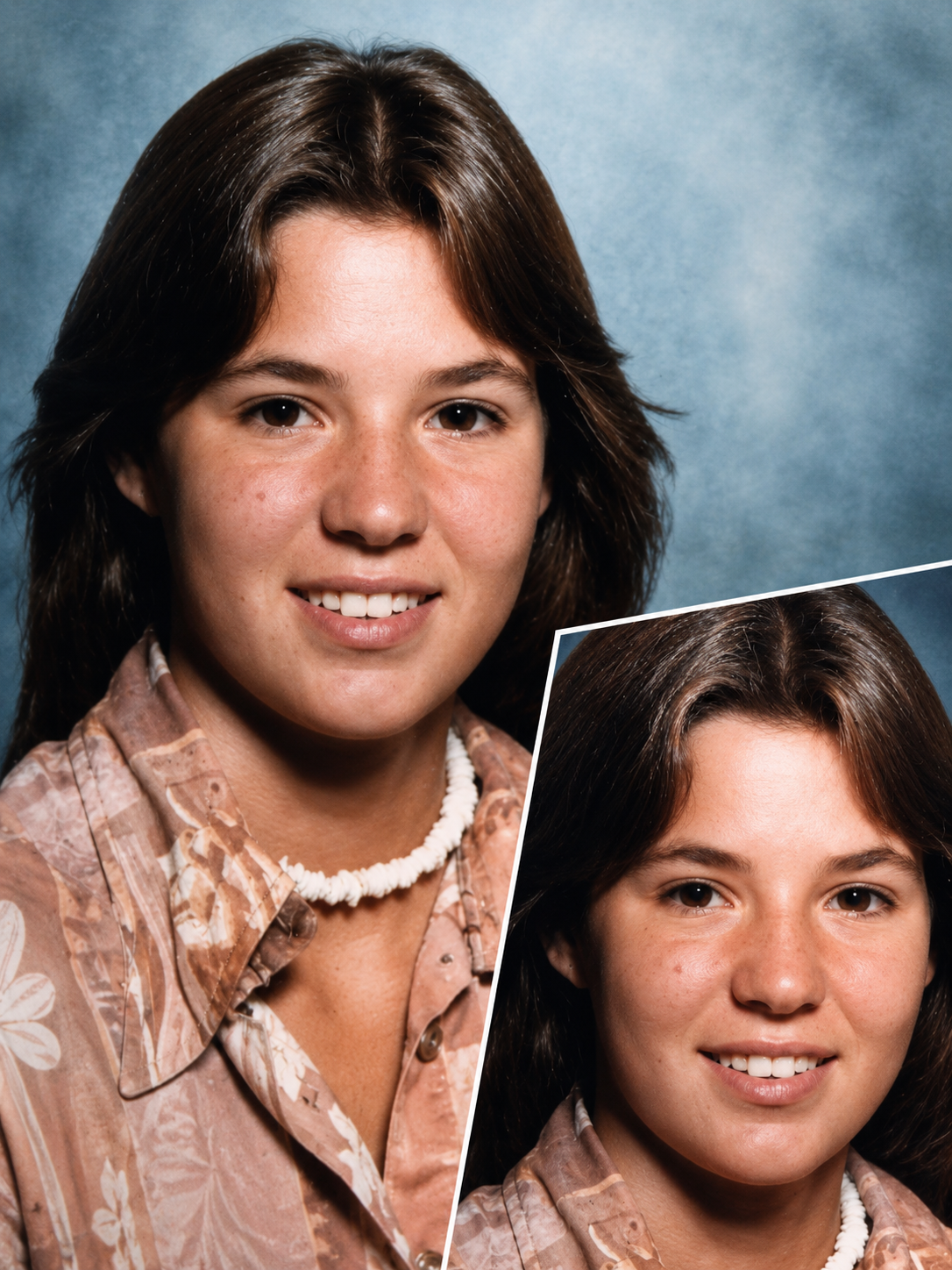
For almost half a century, the teenager buried in a shallow grave beneath a California vineyard was known only as an unidentified homicide victim.
Investigators had her remains, but not her name. They had tried fingerprints, dental records and eventually DNA testing, yet every effort ended without an answer.
Her family lived with a different mystery.
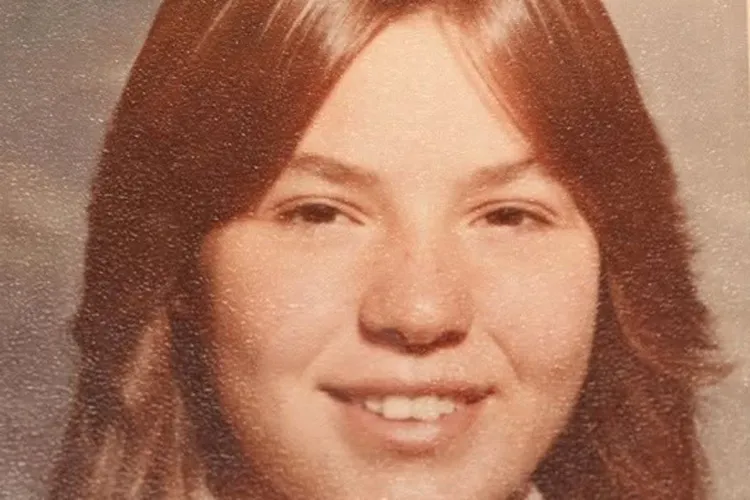
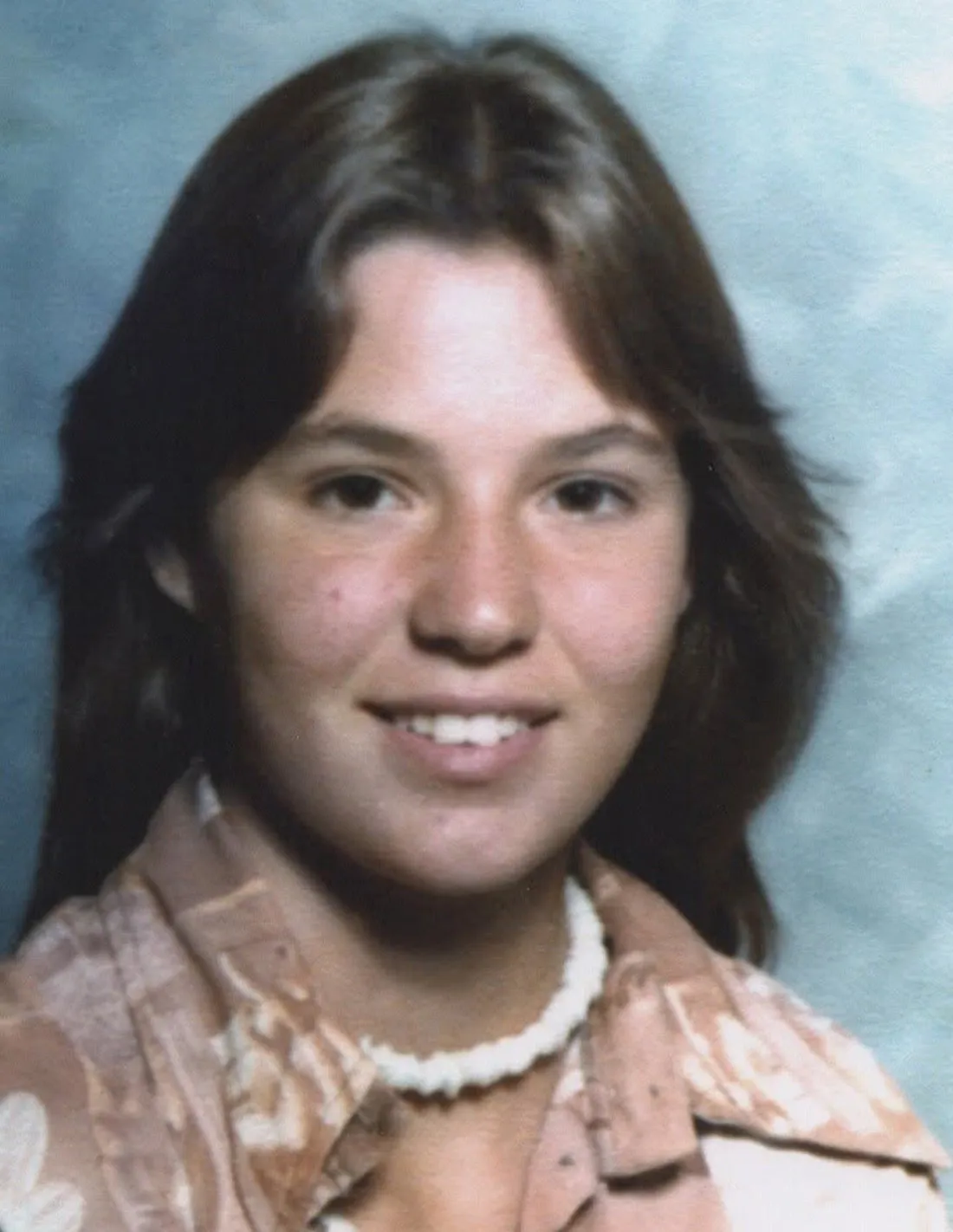
Michelle Louise Collier had disappeared as a 15-year-old, leaving her relatives with no clear understanding of where she had gone or what had happened to her.
Now, nearly 48 years after a tractor driver discovered the teenager’s remains in Kern County, authorities have finally connected those two stories.
The Kern County Sheriff’s Office announced on Thursday, July 30, that the girl found in the vineyard in June 1978 was Michelle, a teenager from Fresno.
The identification was made possible by advanced DNA analysis, genealogical research and relatives who submitted their genetic information to a database.
For Michelle’s family, the discovery brought heartbreaking confirmation after decades of uncertainty. It also gave them something they had long been denied: the opportunity to bring her home and give her a proper burial.
A Shallow Grave in a Vineyard
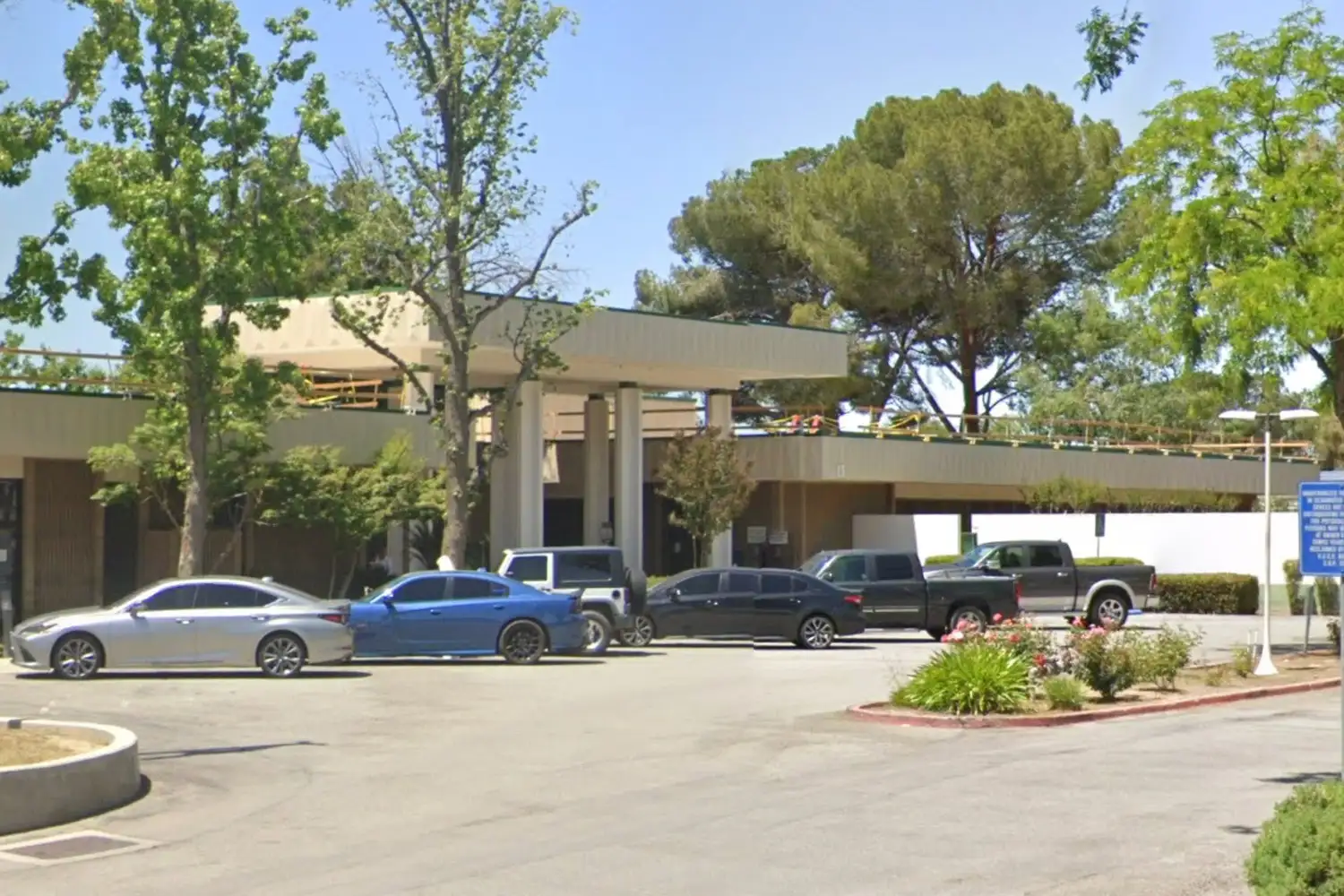
Michelle’s remains were discovered in June 1978 when a tractor driver came across a shallow grave in a Kern County vineyard.
Authorities determined that the victim was a young woman, but identifying her proved impossible.
Traditional investigative tools produced no match.
Fingerprints did not reveal who she was. Dental X-rays also failed to connect her to a known missing person. At the time, DNA science had not developed far enough to provide the kind of answers investigators can sometimes obtain today.
Without a name, detectives could not fully reconstruct the teenager’s life, trace her final movements or determine who might have wanted to harm her.
The death was investigated as a homicide, but the case eventually went cold.
Michelle remained separated from her identity and from the family that did not know her remains had already been found.
The Case Was Reopened Decades Later
Investigators returned to the mystery in 2007.
Nearly three decades had passed since the discovery in the vineyard, and DNA technology had advanced considerably. Michelle’s remains were exhumed so authorities could collect a genetic sample.
That sample was submitted to the California Department of Justice.
The new testing created hope that the victim might finally be identified. However, the available databases did not contain DNA from relatives who could be linked to her.
Once again, investigators reached a dead end.
The scientific evidence existed, but there was no family reference sample capable of turning it into a name.
The case remained open for years as authorities waited for technology and available genetic records to provide another path forward.
Genealogy Created the Breakthrough
The eventual solution came through Forensic Investigative Genetic Genealogy, commonly known as FIGG.
The technique combines advanced DNA analysis with traditional family-tree research. Instead of depending only on a direct match between an unidentified person and a close relative already in a law-enforcement database, investigators can use genetic connections to locate possible branches of a family.
From there, genealogical research can help narrow the possibilities until authorities identify a likely person.
The Kern County Sheriff’s Office worked with its homicide detectives and coroner’s office, the California Department of Justice, the National Center for Missing and Exploited Children and private DNA laboratory Othram.
Othram offered the forensic genealogy analysis, and the sheriff’s office asked the state justice department to send the preserved samples for additional testing.
After decades in which Michelle’s DNA had produced no answer, the new approach finally created a connection to her family.
Relatives Supplied the Missing Link
Michelle’s older sister, Cynthia Dunbar, explained that several relatives helped investigators confirm the identification.
Her brother Kevin, Kevin’s wife Nancy and a cousin named Michael submitted their DNA to the genealogy database.
Those samples helped establish that the unidentified teenager was Michelle Louise Collier.
The result ended one mystery while deepening another.
Michelle’s family now knew where she had been for nearly five decades. But the circumstances surrounding her death remained unclear.
Kern County Sheriff’s homicide detective Ashley Thompson said during a July 28 press conference that investigators still do not know exactly what happened to Michelle.
The identification restored the teenager’s name, but it did not solve her homicide.
The investigation is continuing.
A Sister’s Long-Awaited Answer
For Cynthia and the rest of Michelle’s family, the announcement carried both relief and grief.
Michelle disappeared 48 years ago. Only recently did her relatives learn that she had been found shortly after she vanished but had remained unidentified ever since.
For decades, they had been separated not only by death, but by the absence of information.
Cynthia thanked the detectives whose persistence helped resolve the identification. She said their dedication and close attention to the case had made it possible for the family to bring Michelle home.
The answer cannot restore the years Michelle lost or explain why her life ended at 15.
It does, however, allow her relatives to stop wondering whether she might still be somewhere waiting to be found.
They can now acknowledge what happened, mourn her openly and prepare a burial under her real name.
Science Reached Where Earlier Methods Could Not
Michelle’s case reflects how dramatically cold-case investigations have changed since the 1970s.
When her remains were discovered, investigators relied on fingerprints, dental comparisons and missing-person reports. Those methods were valuable, but only when the correct records existed and could be connected.
DNA later offered new possibilities, yet Michelle’s 2007 testing still failed because no suitable relatives appeared in the databases being searched.
Forensic genealogy changed the process by allowing investigators to explore more distant genetic relationships and construct possible family connections.
The technology did not solve the case by itself.
Detectives still needed to preserve evidence, reopen the investigation, coordinate with several agencies and persuade relatives to provide samples. Genealogical findings also had to be studied and confirmed before authorities could formally restore Michelle’s identity.
The breakthrough was the result of science, cooperation and a refusal to let the passage of time erase the teenager from the investigative record.
Her Death Remains Unsolved
Although the identification represents a major development, the central criminal question remains unanswered.
Authorities have not explained how Michelle died, why she was in Kern County or how she came to be buried in the vineyard.
No suspect was announced in connection with her death.
Investigators must now attempt to rebuild events that occurred nearly half a century ago. Witnesses may have died, memories may have faded and physical evidence may be limited.
Yet knowing Michelle’s identity gives detectives information they never had before.
They can examine her background, relationships and movements before her disappearance. They can speak with surviving relatives and search for connections between her life in Fresno and the location where she was found.
A nameless victim offers investigators few paths into the past.
Michelle’s restored identity opens those paths again.
Bringing Michelle Home
The sheriff’s office said it was grateful to reunite Michelle with her family and return the name that had been missing from her case for 48 years.
Officials emphasized that every unidentified person deserves to be recognized and that every family deserves answers, regardless of how much time has passed.
For Michelle’s relatives, those words now carry a deeply personal meaning.
The teenager discovered beneath a vineyard was never simply an unsolved case or a collection of remains waiting in official custody.
She was their sister, their relative and a 15-year-old girl whose disappearance left a permanent absence.
Her family can finally give her the burial she was denied in 1978.
But their search for truth is not finished.
Michelle has her name again. She has been returned to the people who never stopped belonging to her.
The next task is to discover who took her life—and why she was left in a shallow grave so far from home.