Parking-Lot Complaint Escalates as Woman Refuses to Leave Car and Deputies Prepare Forced Removal
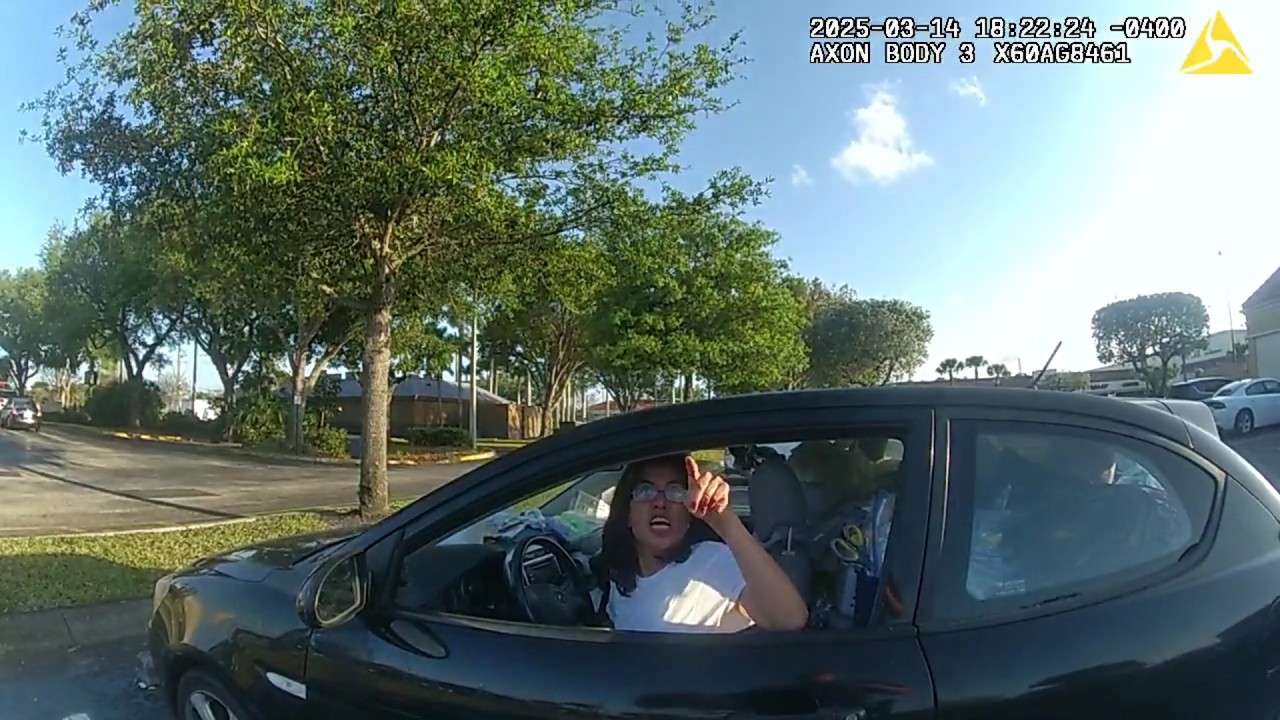
What began as a complaint about a woman using a private parking lot as a bathroom escalated into a prolonged confrontation with Palm Beach County sheriff’s deputies, ending only after officers surrounded her vehicle and forcibly removed her from the car.
The encounter unfolded after businesses or property representatives complained about a woman identified in the footage as Amy, who had reportedly been defecating and urinating in the parking lot, leaving trash behind and remaining on private property despite being told to leave.
From the beginning, the conversation was anything but straightforward.
Amy told deputies she had been sick for days, had not eaten, was diabetic and had not seen a psychiatrist in months. She also complained that someone was using her debit card and described a series of other problems she believed were happening around her.
Deputies repeatedly tried to redirect the conversation toward the immediate issue: the property owners wanted her to clean up the area and leave.
But as the interaction continued, Amy became increasingly agitated, refused to provide identification and eventually closed herself inside her vehicle.
That refusal transformed a nuisance complaint into a much more complicated police response.
Deputies Respond to Complaints About the Parking Lot
The initial conversation centers on complaints that Amy had been using the parking lot as a bathroom.
She acknowledged that she had relieved herself outside but said she had been ill and blamed conditions around the area for making her situation worse.
Deputies told her that people were complaining and that she could not continue using the middle of a parking lot for that purpose.
Amy responded that people complained about nearly everything she did — her smell, her vehicle, her music and her presence generally.
She also began talking about unauthorized debit-card transactions, saying hundreds of dollars had been spent and accusing someone connected to law enforcement of using the card.
The deputy repeatedly explained that he knew nothing about those allegations and was there for a different reason.
The conversation then moved into Amy’s health.
She said she had not seen a psychiatrist since December.
When the deputy offered to take her to a hospital so she could speak with someone, she initially appeared to agree, then immediately rejected the idea.
The officer explained that he was simply offering a service because she had raised the issue herself.
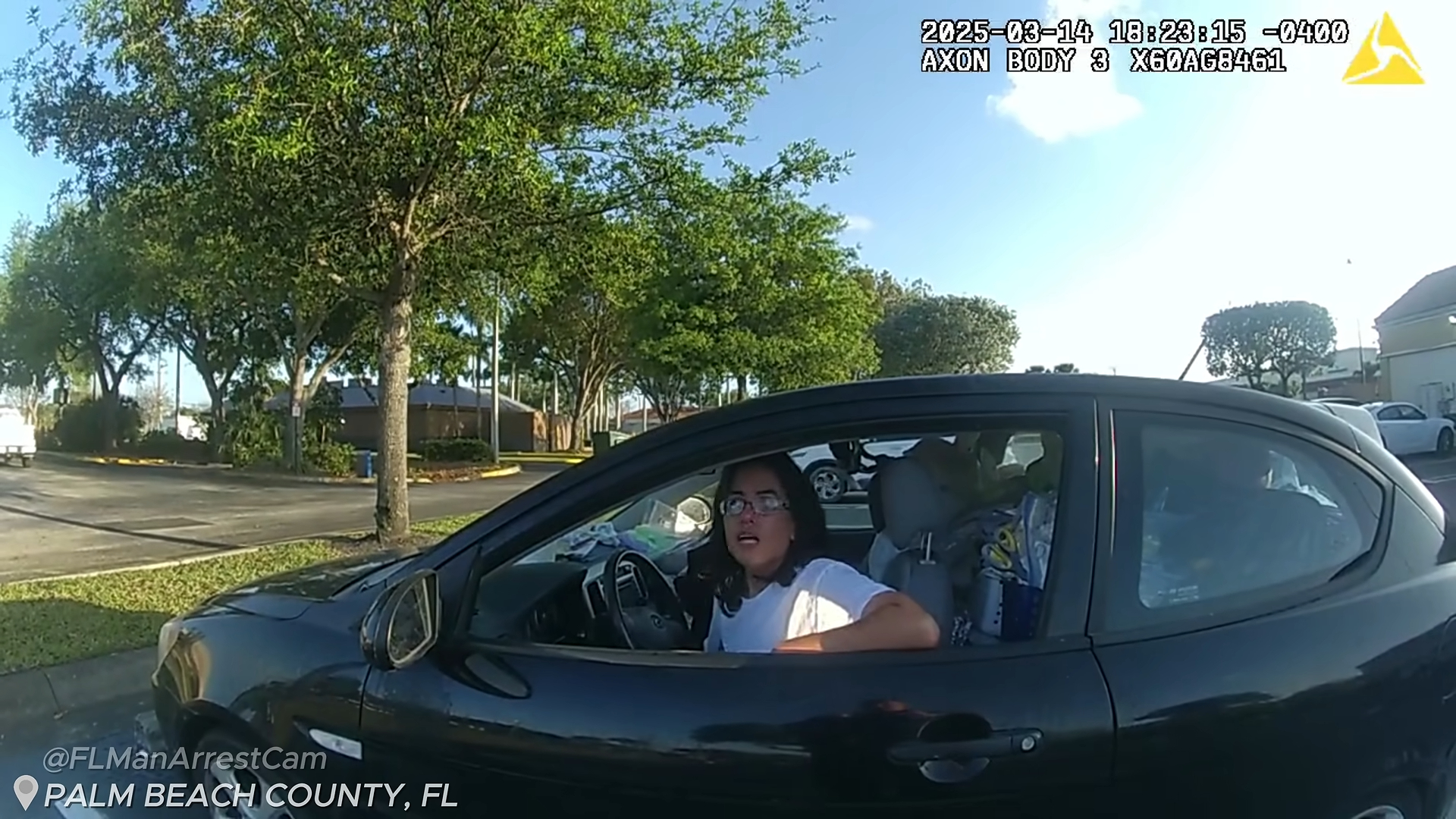
“I Do Not Want to Arrest You”
Despite the increasingly tense conversation, the deputy initially made clear that his goal was not to take Amy into custody.
He told her that he wanted her to stop using the parking lot as a bathroom, clean up the mess and leave the private property.
“I do not want to arrest you,” he said while explaining why the complaints had been made.
Amy repeatedly challenged what behavior was and was not allowed.
She asked whether urinating outside was illegal, whether changing clothes was allowed, whether brushing her teeth was acceptable and whether cleaning herself in public could create another complaint.
The deputy continued trying to distinguish between ordinary behavior and conduct that could amount to indecent exposure or create a sanitation problem.
He also pointed out that diapers, toilet paper and other trash had been left around the property.
Amy said she normally cleaned up after herself but acknowledged that she was angry.
Eventually, the deputy returned to the property owner’s request.
“Clean up your mess and then go somewhere else,” he told her.
Amy’s response revealed the deeper problem beneath the dispute.
“Where do I go?” she asked.
She said she had been removed from other properties and did not know where else she could stay.
The deputy told her that he could not decide where she should live or spend her time but that the private property owners had the right to ask her to leave.
Officers Reconsider What They Can Legally Enforce
As the encounter continued, deputies discussed what law or ordinance actually applied.
One officer questioned whether the conduct itself amounted to a criminal offense because no one had reported seeing Amy expose herself.
They discussed littering and the fact that she had reportedly used bleach in an attempt to clean areas where she had defecated.
One deputy noted that the central problem was not simply the bathroom issue but Amy’s overall condition and inability to care for herself.
“She can’t even take care of herself,” an officer said while discussing the situation with colleagues.
By this stage, Amy had retreated into her car.
Officers repeatedly called her name.
She did not come out.
The confrontation became more concerning when deputies noticed a pair of scissors inside the vehicle near her head.
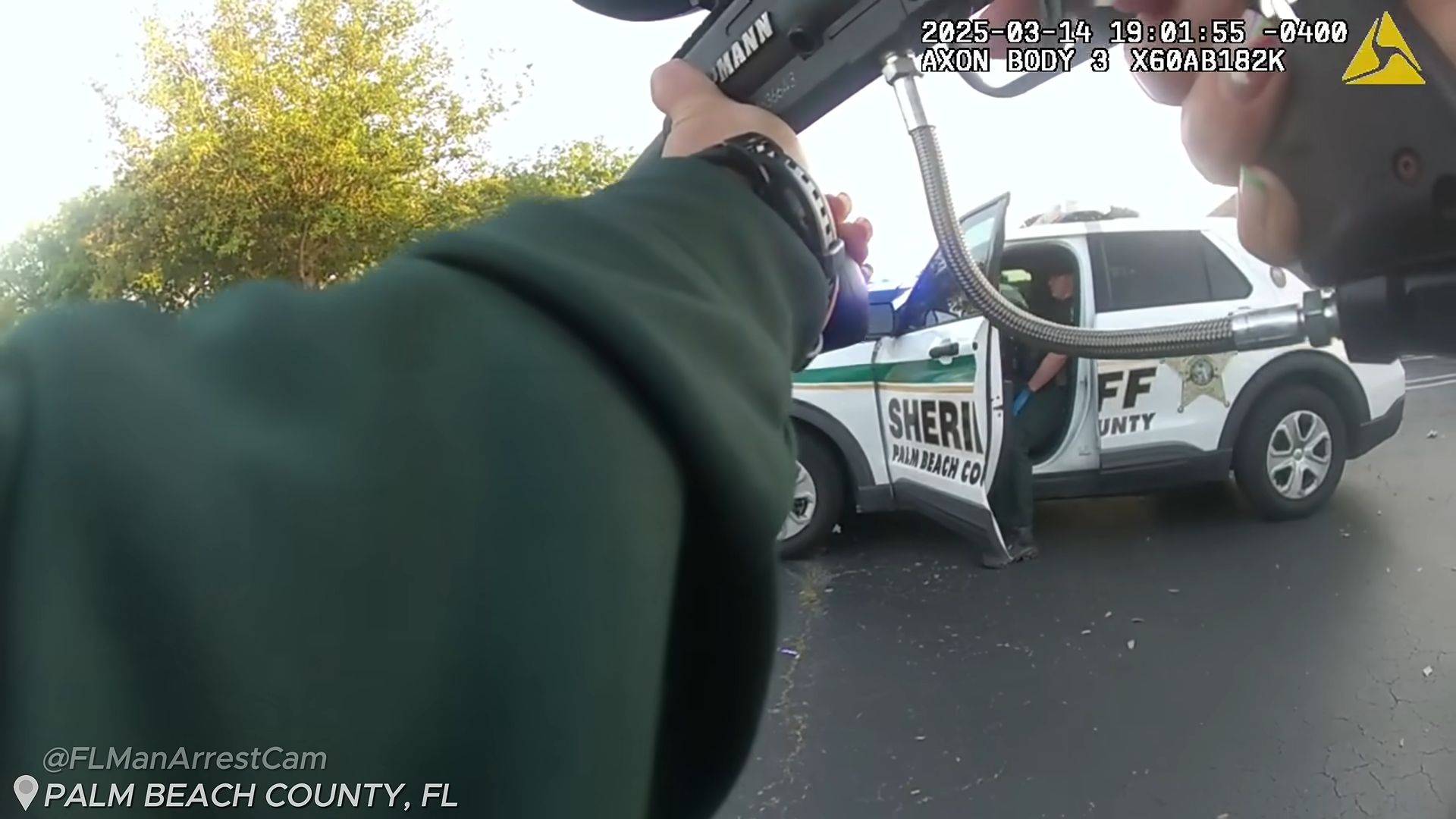
They began discussing tactical options, including breaking a window, using less-lethal equipment and positioning officers safely around the car.
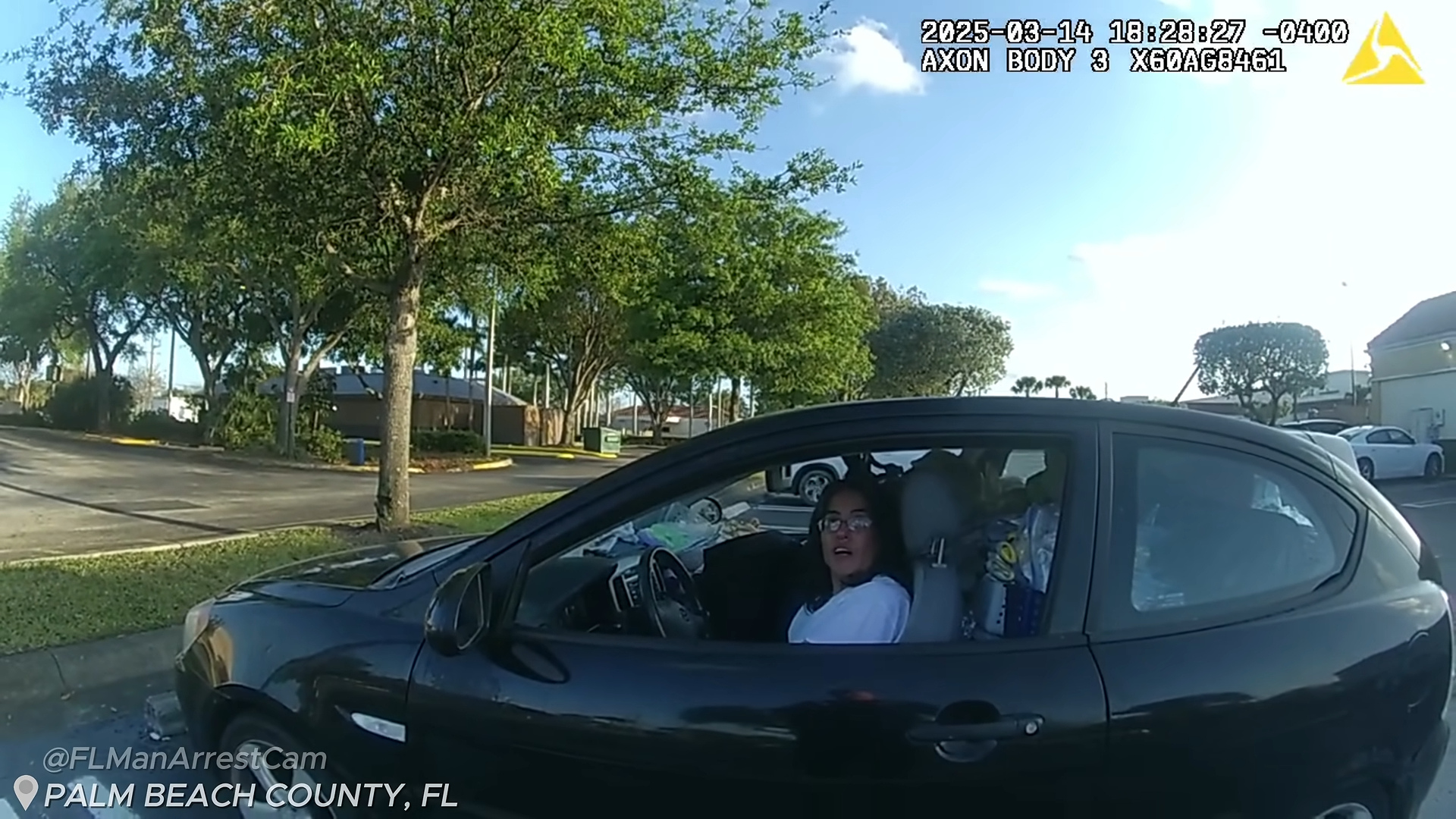
Deputies Surround the Vehicle
The tone changes dramatically around 16 minutes into the footage.
Deputies make formal announcements identifying themselves as the Palm Beach County Sheriff’s Office and repeatedly order Amy to exit the car with her hands visible.
“Your safety is our most important,” one deputy tells her.
The commands become increasingly direct.
“Come out of the car.”
“Put your hands up and come out.”
Officers warn that if she refuses, they will force her out.
They also continue warning one another about the scissors inside.
The officers appear to deliberately slow the situation down rather than immediately rushing the car.
They discuss where to stand, what tools to use and which side of the vehicle would give them the safest access.
Multiple warnings are given over several minutes.
At one point an officer tells Amy not to be afraid and says they are there to help her.
Still, she remains inside.
Eventually, deputies move in.
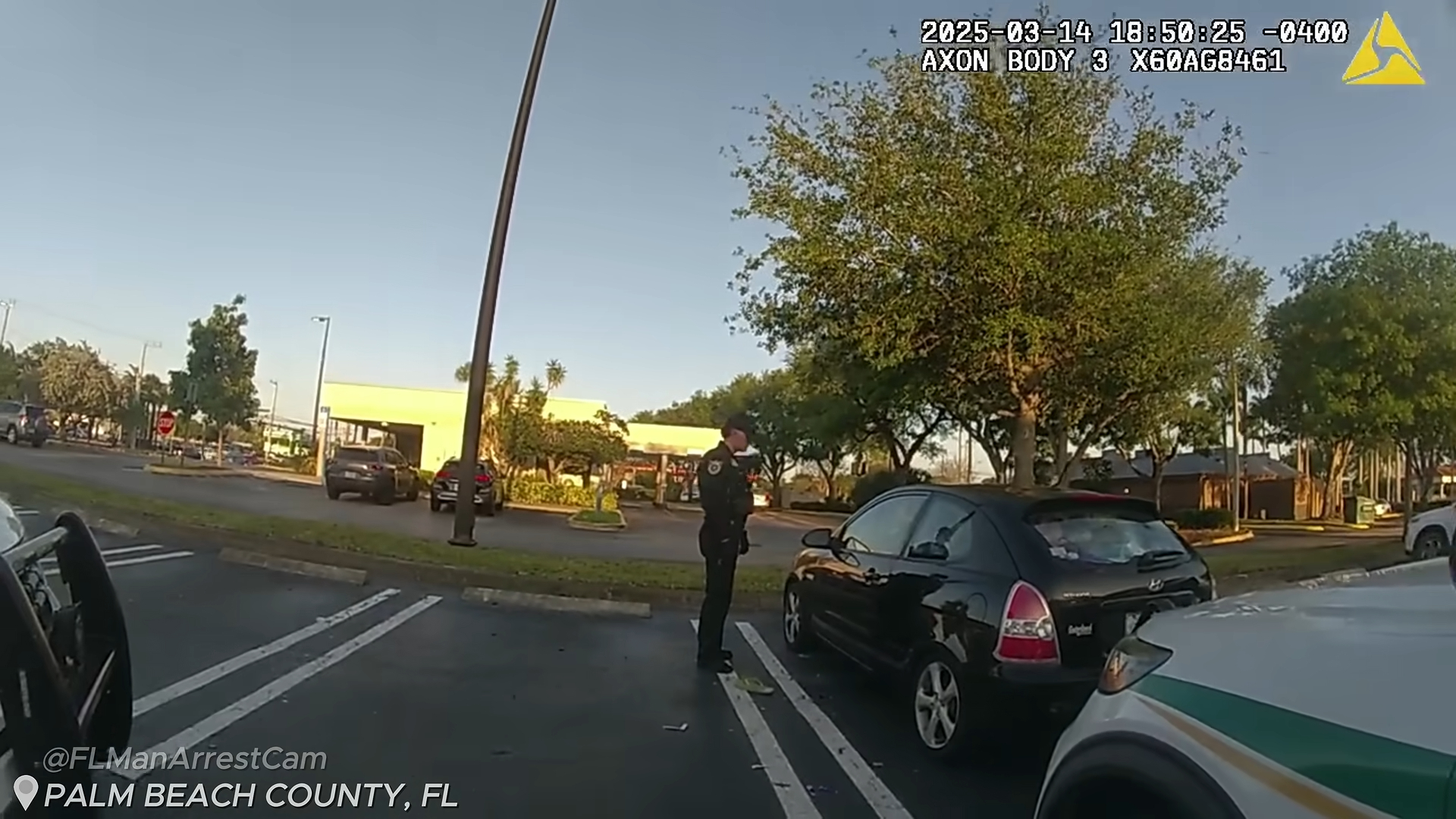
Forced Removal Ends the Standoff
Shortly after the 18-minute mark, deputies again order Amy out.
This time, officers force entry and remove her from the vehicle.
She is immediately ordered to the ground.
“Get on the ground,” officers repeatedly shout as they take control of her.
Once restrained, Amy protests the way she was removed.
Deputies respond that they had repeatedly given her opportunities to exit voluntarily.
“We gave you plenty of options not to do that to you,” one officer tells her.
“We did not want to do that to you.”
Amy continues arguing and asks officers to turn off her car and retrieve her shoes.
At one point, she tells them, “What you guys do is horrible.”
The immediate confrontation, however, is over.
A Complaint That Became a Crisis Response
The footage shows how quickly a relatively minor property complaint can become a much more complex law-enforcement problem.
Deputies initially appeared focused on getting Amy to clean the parking lot and leave.
They offered medical help.
They tried to explain the complaints.
They repeatedly said they did not want to arrest her.
But the situation changed as Amy refused to cooperate, locked herself inside the vehicle and officers noticed an object they considered potentially dangerous.
By the end, the encounter was no longer primarily about sanitation, litter or private property.
It had become a safety operation involving multiple deputies, less-lethal options, repeated commands and a forced removal from a vehicle.
The transcript provided does not include a final list of criminal charges or a later court outcome, so it is unclear what legal consequences followed the incident.
What the footage does show is a confrontation that began with an attempt to resolve a parking-lot complaint informally — and ended with deputies deciding that waiting for voluntary compliance was no longer enough.