Patrick Clancy Opens Up About Forgiving Lindsay, Surviving Grief and Building a Future After Losing His Three Children
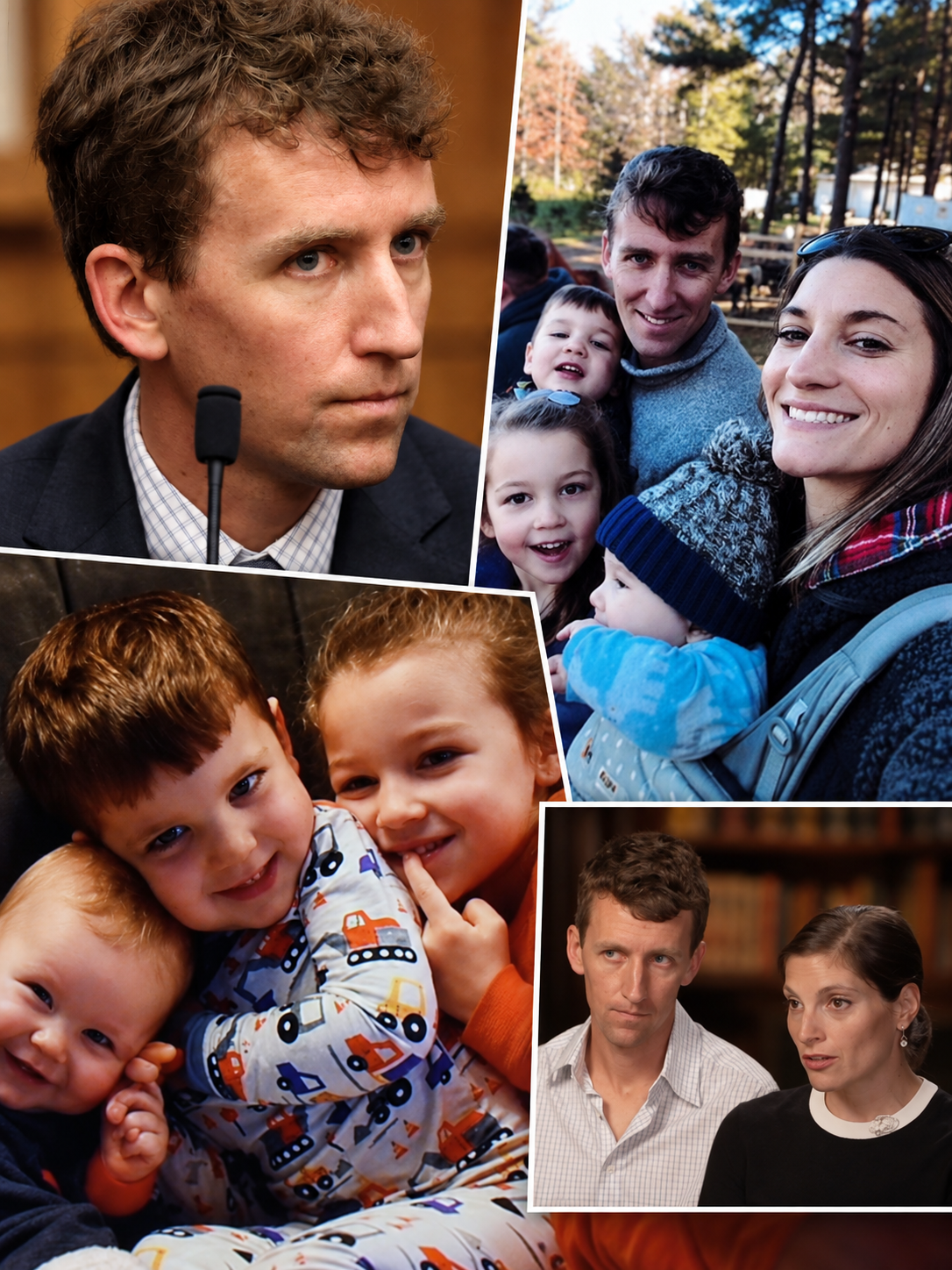
More than three years after losing all three of his children in one devastating night, Patrick Clancy is speaking publicly about the grief that nearly consumed him, why he chose to forgive his former wife Lindsay and how he has slowly begun building a life he once believed he might never have.
Patrick, 36, described years marked by nightmares, guilt, therapy and an almost constant effort to remain connected to Cora, Dawson and Callan, the three young children Lindsay killed inside the family’s Duxbury, Massachusetts, home on January 24, 2023.
His comments come only weeks after Lindsay’s closely watched murder trial ended without a verdict.
A jury deliberated for seven days before becoming deadlocked over whether Lindsay should be held criminally responsible for the children’s deaths. Eleven jurors reportedly accepted the defense position that she was suffering from severe mental illness, while one juror disagreed.
A mistrial was declared September 4.
For Patrick, however, the legal battle is only one part of a much longer story.
His life since that night has been shaped by a question much more personal: how to continue living after everything that defined his family disappeared in a matter of hours.
‘I Didn’t Think I Would Live to See 35’
Patrick described reaching a period when he no longer imagined himself having a meaningful future.
At his lowest point, he said he was uncertain whether he would even live long enough to reach his 35th birthday — and had become emotionally indifferent to that possibility.
The trauma followed him into his sleep.
He experienced severe nightmares and would sometimes wake up screaming.
Patrick eventually underwent eye movement desensitization and reprocessing, commonly known as EMDR, a form of therapy frequently used to address traumatic memories.
He described the treatment as transformational.
Rather than trying to suppress memories of the night his children died, the therapy helped him confront them in a structured way. Over time, he said the intensity of the nightmares and other trauma symptoms began to diminish.
The treatment could not erase what happened.
But it helped him begin imagining that survival might eventually mean more than simply making it through another day.

He Says His Children Still Appear in His Dreams
Patrick continues to talk to his children.
He said he asks them for help and likes to believe they remain present in his life in some form.
His dreams have become one of the places where that connection feels most vivid.
One dream involving his eldest child, Cora, remains especially powerful.
Patrick recalled seeing her and embracing her as though she had simply returned after being away.
For him, dreams like that are painful but also comforting.
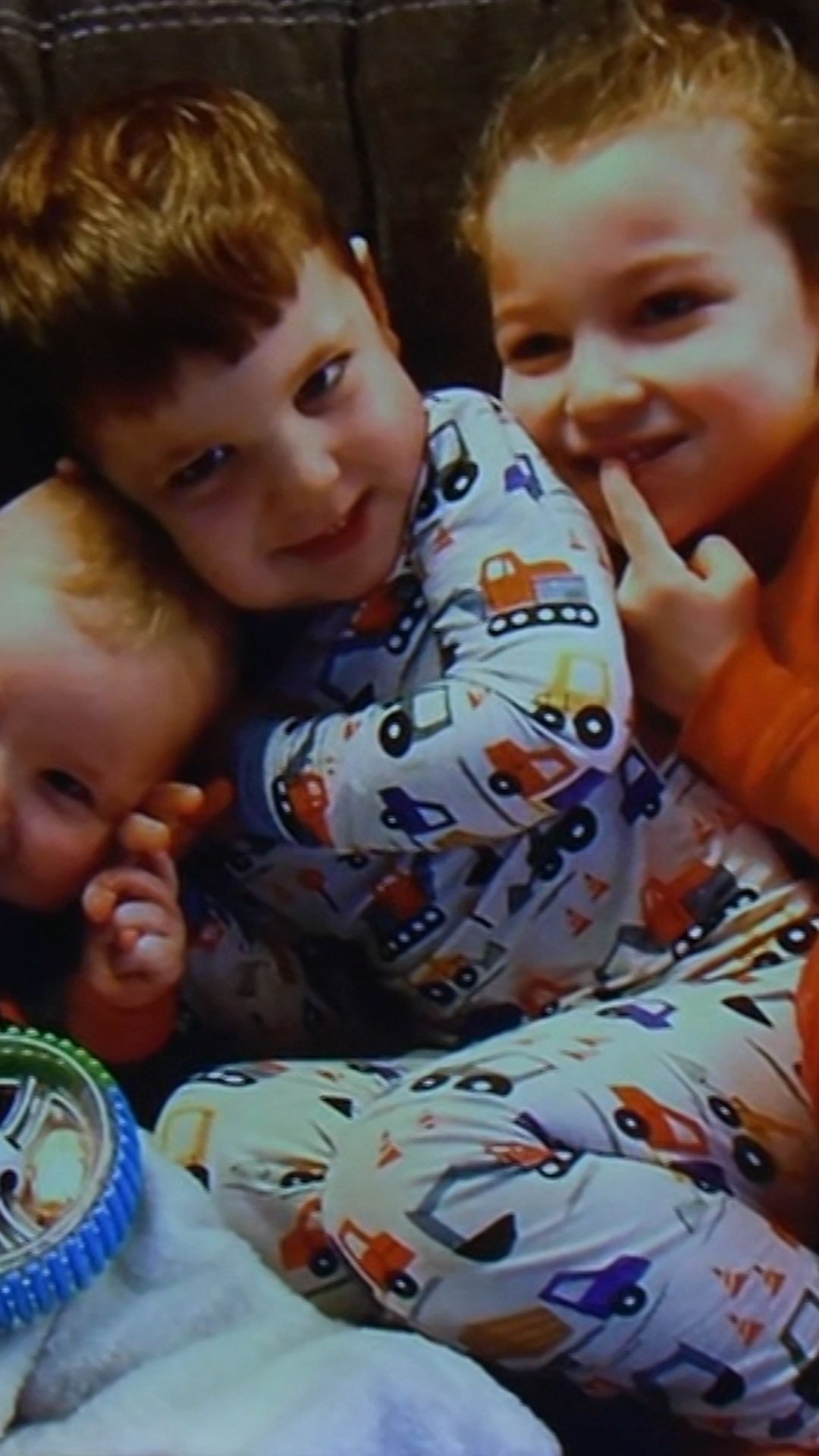
Cora was 5 when she died. Dawson was 3. Their younger brother Callan was only 8 months old.
Patrick has repeatedly emphasized that he does not want their identities reduced to how they died.
He remembers Cora’s personality and intelligence, Dawson’s energy and humor, and Callan as the baby of the family whose life was only beginning.
Their memory, he says, remains central to the person he is now.
Why Patrick Says He Forgave Lindsay
One of the most difficult aspects of Patrick’s story has been his continuing compassion toward Lindsay.
After the children’s deaths, he publicly asked people to forgive her.
He has not reversed that position.
Patrick believes Lindsay was profoundly mentally ill when she killed their children.
Her defense argued during trial that she had developed postpartum psychosis after Callan’s birth and could not appreciate the criminal wrongfulness of her actions.
Prosecutors disputed that interpretation.
They argued that evidence surrounding the killings showed planning and awareness and contended that Lindsay understood what she was doing.
Patrick’s position is more personal than legal.
He has said he does not see forgiveness as meaning that what happened was acceptable or that there should be no accountability.
Instead, he views Lindsay as someone who was suffering from a severe psychiatric condition and believes hatred would not restore his children or help him survive their loss.
Patrick also revealed that Lindsay never explicitly asked him to forgive her.
When he later asked what she remembered about killing the children, he said she described the memory as feeling dreamlike.
Warning Signs Emerged Months Before the Killings
Patrick also described watching Lindsay’s mental health deteriorate during the months after Callan was born.
By October 2022, approximately five months after the birth, Lindsay told him she had gone several nights without sleeping.
Her anxiety and psychological distress intensified.
The family sought professional help, and Lindsay received psychiatric treatment and numerous medications.
She was hospitalized at one point and then discharged.
Seventeen days after leaving psychiatric treatment, the children were killed.
The defense presented that medical history as evidence of a rapidly worsening psychiatric crisis.
Patrick has supported the contention that Lindsay’s mental condition was central to what happened and has questioned whether the medical system adequately recognized the severity of her illness.
Both Patrick and Lindsay have separately pursued legal claims connected to her medical treatment.
Patrick Returned Home to an Unimaginable Scene
On January 24, 2023, Patrick briefly left the family home after Lindsay asked him to run errands.
When he returned, he encountered the scene that would permanently divide his life into a before and after.
Lindsay had attempted suicide by jumping from an upstairs window.
Patrick then discovered the children.
All three had been strangled.
Cora and Dawson were pronounced dead that night. Callan was transported to a hospital but died several days later.
Patrick testified during Lindsay’s trial about those moments and about the family’s attempts to seek help before the tragedy.
The prosecution and defense did not dispute that Lindsay killed the children.
The central issue for jurors was whether she was legally criminally responsible at the time.
They ultimately could not agree.
A New Marriage and Another Chance at Family Life
Patrick eventually moved to New York City, where he hoped to live with greater anonymity.
There he met Dr. Rachel Danis, a physician specializing in reproductive medicine.
The two met in Central Park in January 2024.
Their relationship developed slowly against the extraordinary backdrop of Patrick’s grief and the continuing criminal proceedings surrounding Lindsay.
They later married.
Patrick has described Rachel not as someone replacing the family he lost, but as someone who became part of a life he once did not believe he would have.
The couple is now looking toward starting a family of their own.
Patrick has said any future children will grow up knowing about Cora, Dawson and Callan.
Their names, photographs and stories will remain part of the family.
Online Conspiracy Theories Added Another Layer of Pain
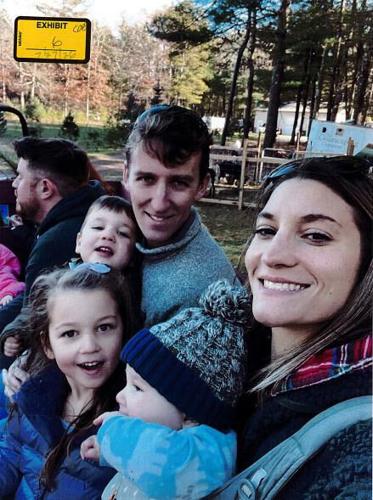
Patrick has also addressed the intense speculation that spread online during Lindsay’s trial.
Social-media users dissected his marriage, his behavior before and after the killings and his later relationship with Rachel.
Some posts went much further, suggesting without evidence that Patrick was somehow involved in the tragedy.
He described those theories as deeply harmful.
Beyond the personal attacks, he believes they distract from a more important discussion about perinatal mental illness and the difficulty families can face when attempting to obtain appropriate care.
Patrick has repeatedly returned to that issue when discussing why he chose to speak publicly.
He wants the focus to remain on his children and on what families might learn from the circumstances that preceded their deaths.
Lindsay’s Legal Future Remains Uncertain
Lindsay remains charged with three counts of murder.
The mistrial did not acquit her, and prosecutors retain the option of trying the case again.
Her defense has since asked the court to examine issues involving the lone juror who opposed the insanity verdict and has separately argued that the case should be dismissed rather than retried.
The juror has defended his decision, saying he believed the prosecution proved Lindsay understood her actions.
The case is scheduled to return to court September 29.
Whatever happens next legally, Patrick’s personal position appears unlikely to depend on the verdict.
He has spent more than three years separating two realities that can seem impossible to hold at the same time: Lindsay killed their children, and he believes she was gravely ill when she did it.
For Patrick, moving forward has not meant leaving Cora, Dawson and Callan behind.
Instead, he says he is learning how to carry them with him — through memories, dreams, conversations and a future he once thought he would never live long enough to see.