Pennywise Was Almost Much More Monstrous — Tim Curry Thought the Scarier Version Was Actually Less Frightening
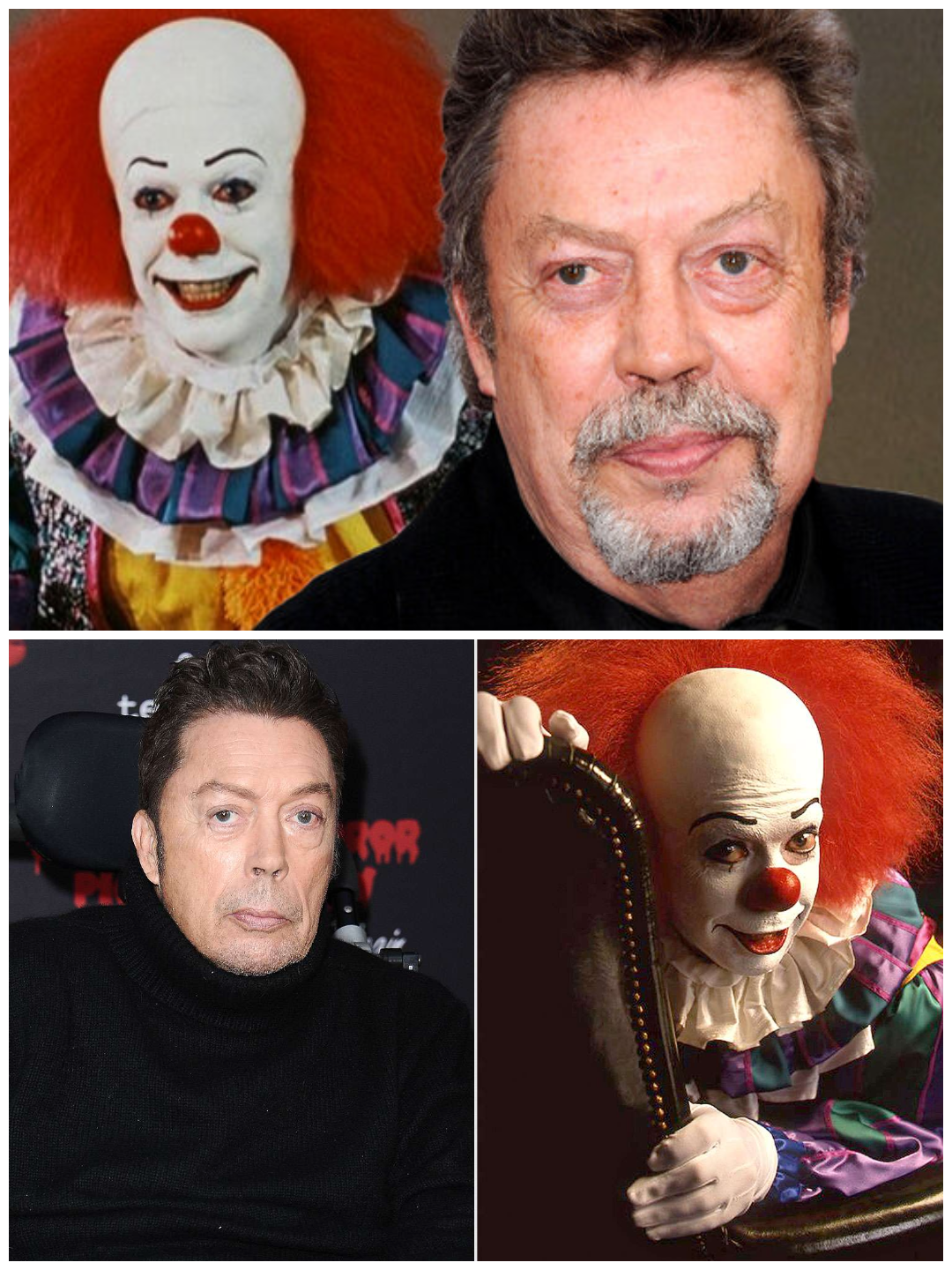
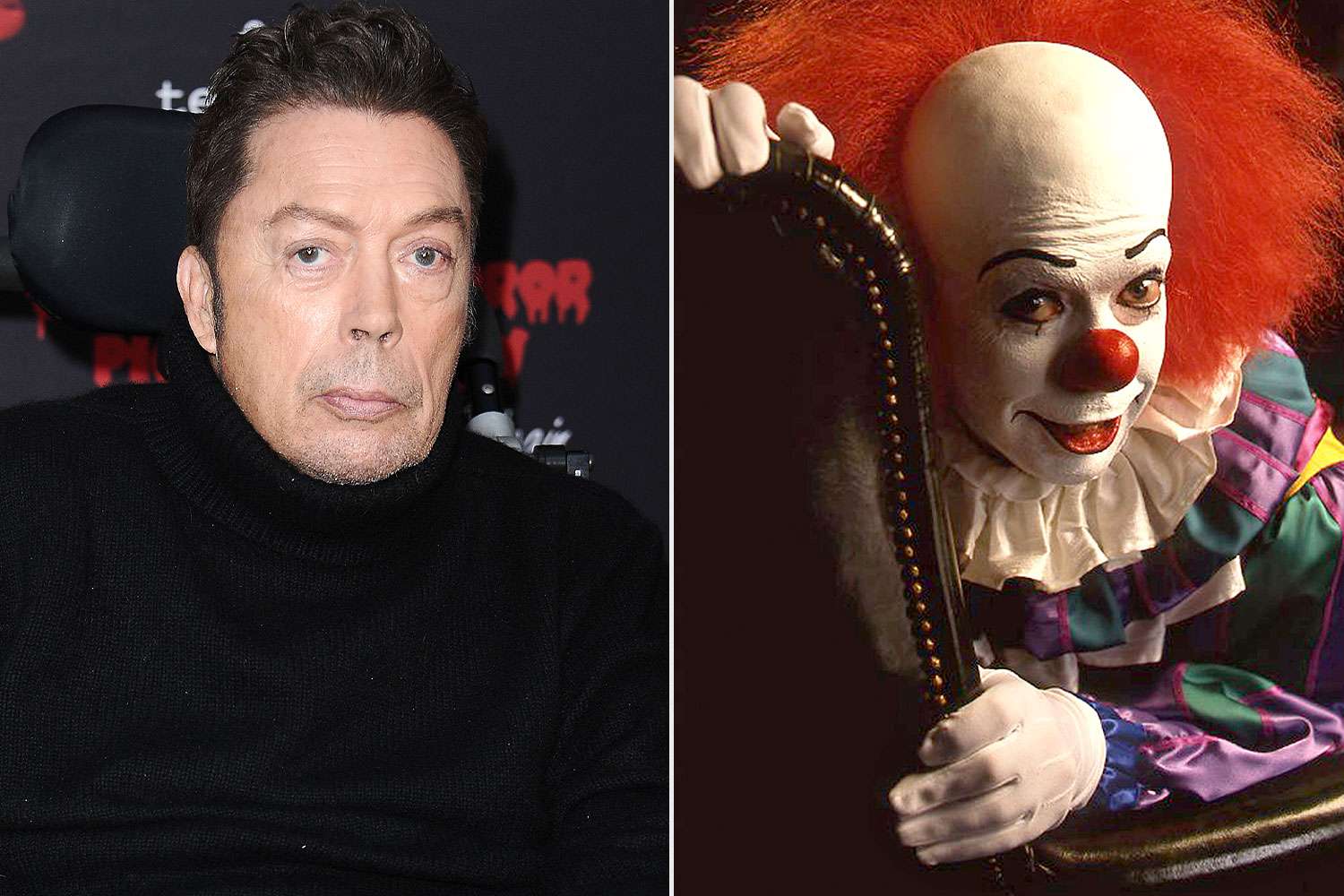
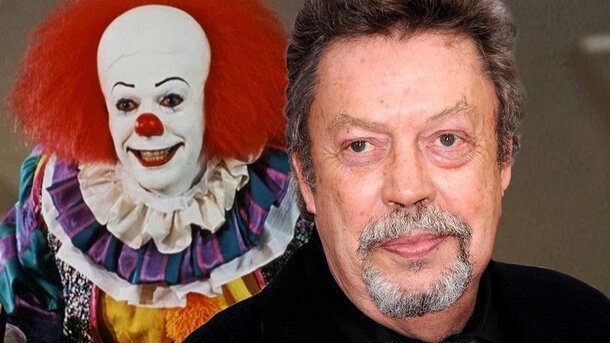
Tim Curry’s Pennywise has terrified viewers for decades with surprisingly little help from elaborate monster makeup.
The orange hair, white face, red nose and exaggerated smile were enough.
But when Stephen King’s It was being filmed in 1990, Pennywise almost looked very different.
Much more different.
According to Curry, the production tested a heavily prosthetic version of the character that was far more obviously monstrous. The makeup was technically impressive and looked frightening on its own.
Curry nevertheless believed it created a problem.
It was doing too much of the frightening for him.
During an interview conducted on the Vancouver set of It on June 27, 1990, Curry explained that he found psychological horror much more disturbing than simply covering an actor with latex and gore.
For him, the truly frightening moment was not necessarily when a monster revealed a grotesque face.
It was when an audience looked into an apparently human face and suddenly understood what the person behind those eyes intended to do.
That philosophy helped shape the Pennywise audiences ultimately saw.
The Original Pennywise Was Going to Look More Like a Monster
Special makeup effects artist Bart Mixon worked with director Tommy Lee Wallace and Curry to develop Pennywise’s appearance.
The production had an obvious challenge.
Pennywise was not really a clown.
He was the form frequently adopted by an ancient supernatural creature that preyed on children in Derry, Maine.
It would therefore have been easy to make him visibly inhuman from the moment he appeared.
The filmmakers experimented with exactly that approach.
Curry remembered a version that depended much more heavily on prosthetics. He described it as frightening-looking and beautifully made, but argued that the makeup itself was already telling the audience how to feel.
That conflicted with what Curry thought made Pennywise effective.
A clown is traditionally supposed to be cheerful and inviting.
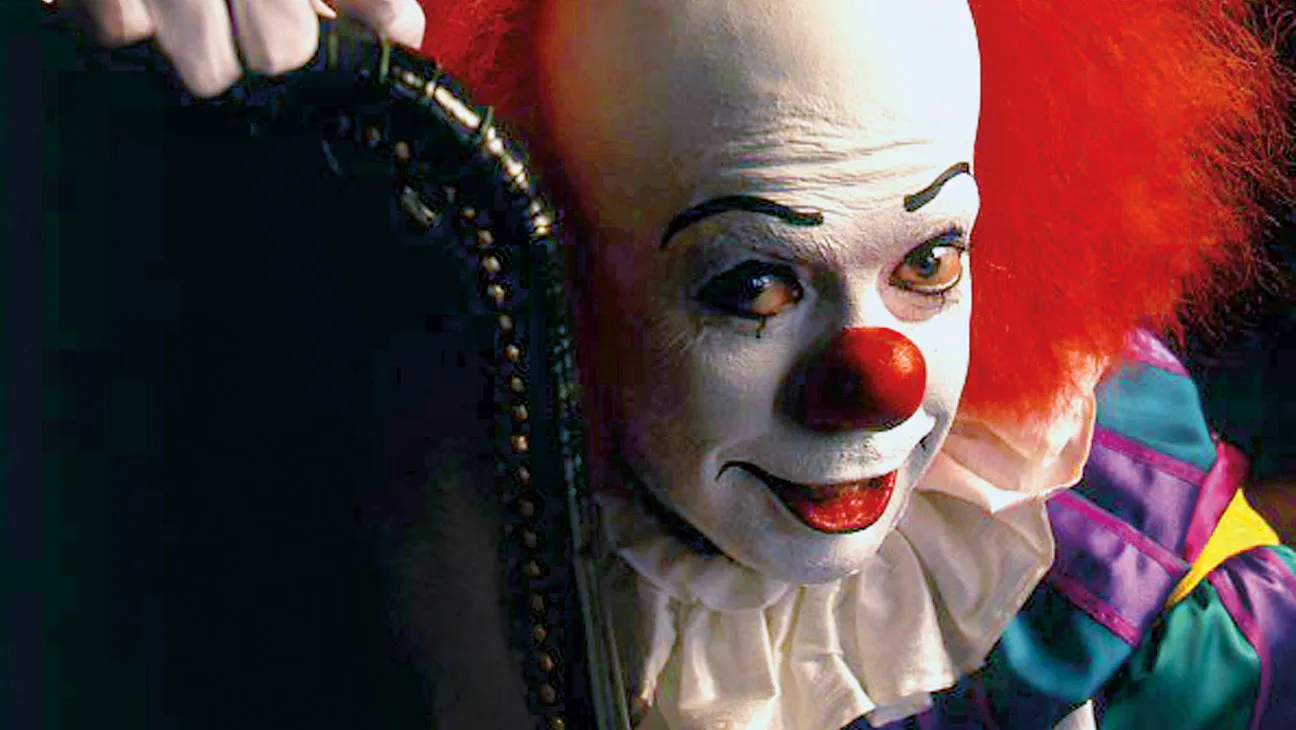
Curry described his own conception of Pennywise as essentially a friendly image that had somehow gone terribly wrong — “a smile gone bad.”
If the character looked unmistakably monstrous immediately, that contradiction disappeared.
Curry Wanted the Audience to See the Person Underneath
Curry had good reason to be skeptical of excessive prosthetics.
He had already endured one of the most elaborate makeup transformations of his career while playing Darkness in Ridley Scott’s Legend.
That process took roughly six and a half hours to apply and another hour and a half to remove.
In other words, Curry could spend about eight hours dealing with makeup before or after the acting itself.
Pennywise was easier by comparison, but still required around three hours in the makeup chair during filming.
Curry did not reject prosthetics entirely.
He acknowledged that transformative makeup could free an actor from concerns about his own appearance and allow broader physical choices.
But he believed horror could lose something when makeup effects became the entire performance.
In the 1990 interview, he argued that horror movies had drifted too far away from the mind.
What disturbed him most was the instant when viewers recognized violent intent in another person’s eyes.
That, to Curry, was more unsettling than simply adding more fake blood and latex.
For Pennywise, that meant audiences needed to be able to see Tim Curry.
Especially his eyes.
Director Tommy Lee Wallace Eventually Agreed: Less Was More
Wallace later confirmed that Curry strongly resisted being buried underneath rubber appliances.
The director recalled that Curry had already worked on projects requiring extensive prosthetics and believed all that material would interfere with what he could do naturally.
Wallace eventually concluded that Curry had been right.
His eyes, mouth and sardonic sense of humor supplied much of what Pennywise needed.
The production retained some prosthetic elements — including the enlarged forehead that helped make the clown subtly unnatural — but avoided turning Curry into a full monster for his ordinary Pennywise scenes.
That decision became essential to the character’s appeal.
Pennywise could smile.
He could joke.
He could speak almost gently.
Then something in Curry’s expression could change.
Suddenly the clown no longer looked safe.
Even the Familiar Pennywise Face Wasn’t Finished When Shooting Began
The version audiences know today was not locked down during the earliest days of production.
Curry said the design continued changing after filming had already started.
For approximately the first five days, he recalled, Pennywise’s face was not exactly the same from one day to the next.
The changes were small, but important.
The shape of the mouth evolved.
The eyebrows were particularly difficult to settle.
Curry said finding the correct eyebrow design was one of the hardest parts of establishing the face.
That might sound like an insignificant detail, but eyebrows dramatically alter how a face reads.
Move them slightly and a smile can look friendly, surprised, mocking or threatening.
For a character whose horror depended on transitioning between playful clown and predator, those tiny adjustments mattered.
Makeup artist Mixon was still touching up Curry during the very interview in which he discussed the design.
The performance and appearance were evolving together.
They Wanted Pennywise to Be Able to Lure Children
Mixon later explained another crucial reason for keeping Pennywise relatively approachable.
The creature wanted children to come closer.
A completely monstrous face would defeat that purpose.
The clown therefore needed to look friendly enough to be enticing before revealing what he really was.
That is especially clear in one of Pennywise’s most famous encounters.
When young Georgie meets him in a storm drain, Pennywise does not immediately behave like a traditional movie monster.
He talks.
He smiles.
He tries to make the child comfortable.
The horror comes from knowing there is something wrong underneath that friendliness.
Curry’s version leaves room for that uncertainty.
The viewer sees a clown who could almost be amusing — until Curry’s voice, eyes or smile suddenly shift.
A more elaborate creature design might have looked more impressive in a still photograph.
But it could have removed the possibility that anyone would trust him for even a second.
The Monster Makeup Wasn’t Completely Abandoned
The heavier creature effects did still have a place in the miniseries.
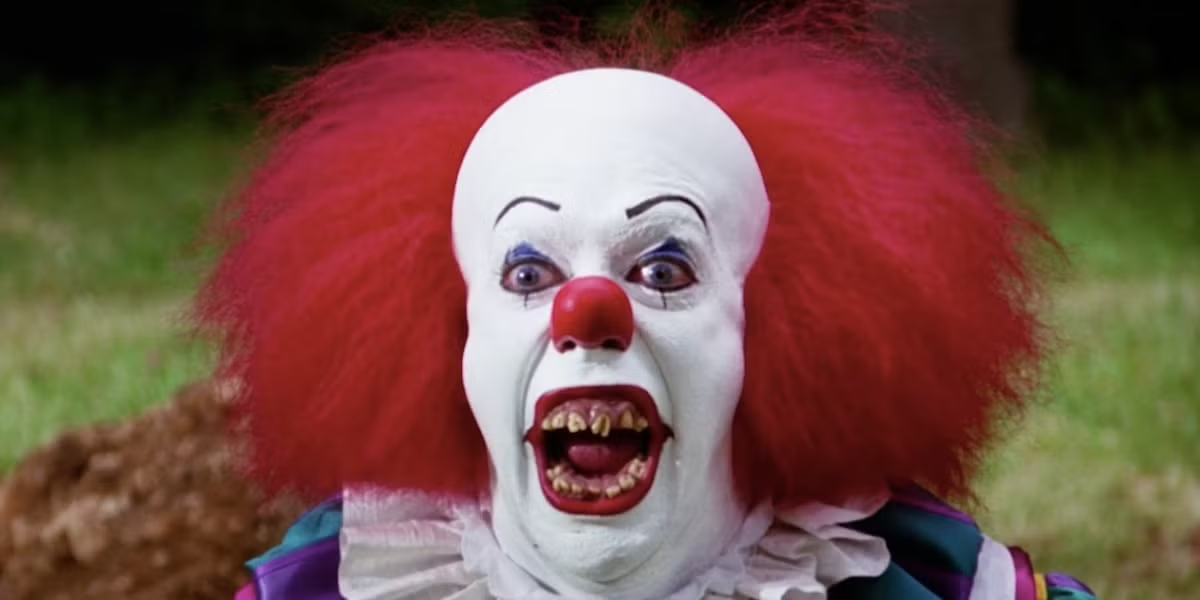
When Pennywise is injured or begins revealing more of his supernatural nature, the makeup becomes significantly more extreme.
Mixon created different teeth for the character, including smaller sharp teeth Curry could still speak through and a much larger set used for brief shock moments.
Those larger teeth were so substantial that Curry could barely close his mouth while wearing them.
The production therefore used monster effects strategically rather than constantly.
Most of the time, viewers saw Curry’s face.
When Pennywise’s disguise started breaking down, the effects could suddenly become more aggressive.
That contrast made the transformation more meaningful.
If Pennywise had looked monstrous from the beginning, there would have been nowhere left to go.
Curry Didn’t Think of Pennywise as Charming
Interestingly, Curry did not romanticize the character.
He described Pennywise as pure evil and essentially irredeemable.
The creature could change forms, often becoming whatever frightened its victim most.
Curry joked during the 1990 interview about not revealing the final transformation, but he was very clear about Pennywise himself: there was no hidden goodness inside him.
What fascinated Curry was the contradiction between what Pennywise was and what a clown was supposed to represent.
Children were supposed to associate clowns with entertainment and comfort.
Pennywise weaponized that expectation.
The ordinary clown face therefore became part of the horror rather than something the production needed to hide underneath a monster.
The Simpler Version Became the One People Couldn’t Forget
The 1990 It miniseries had limitations.
It was made for network television, and its visual effects could not compete with what theatrical horror films could show.
Yet Curry’s Pennywise became the element people remembered most.
His performance influenced how an entire generation imagined Stephen King’s creature.
That lasting effect supports Curry’s instinct about the makeup.
The scariest version was not necessarily the one with the most latex.
It was the one that allowed viewers to watch a smile change.
To see amusement turn into cruelty.
To realize, through Curry’s eyes, that the cheerful clown talking to a child had already decided what he wanted to do.
The production had tested a version that looked more terrifying before Curry even moved.
Curry preferred something harder to manufacture.
He wanted the audience to discover the monster themselves.
And more than three decades later, that comparatively simple clown face remains one of horror television’s most recognizable images.
The version with more prosthetics may have looked scarier.
Tim Curry understood that looking frightening and being frightening were not always the same thing.