Tyne Daly Sang One Song on Dolly Parton’s Short-Lived TV Show — A Broadway Producer Was Watching
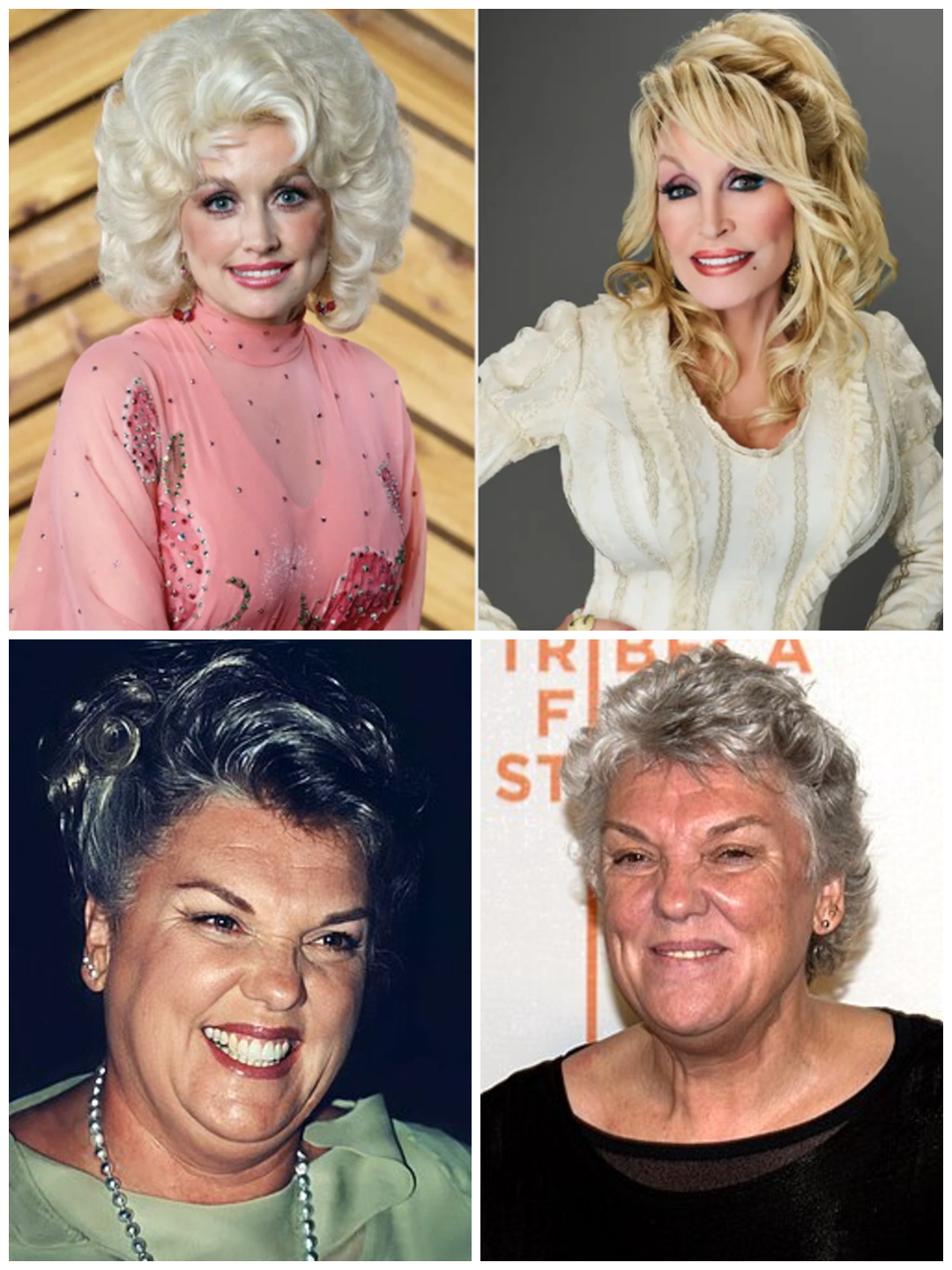
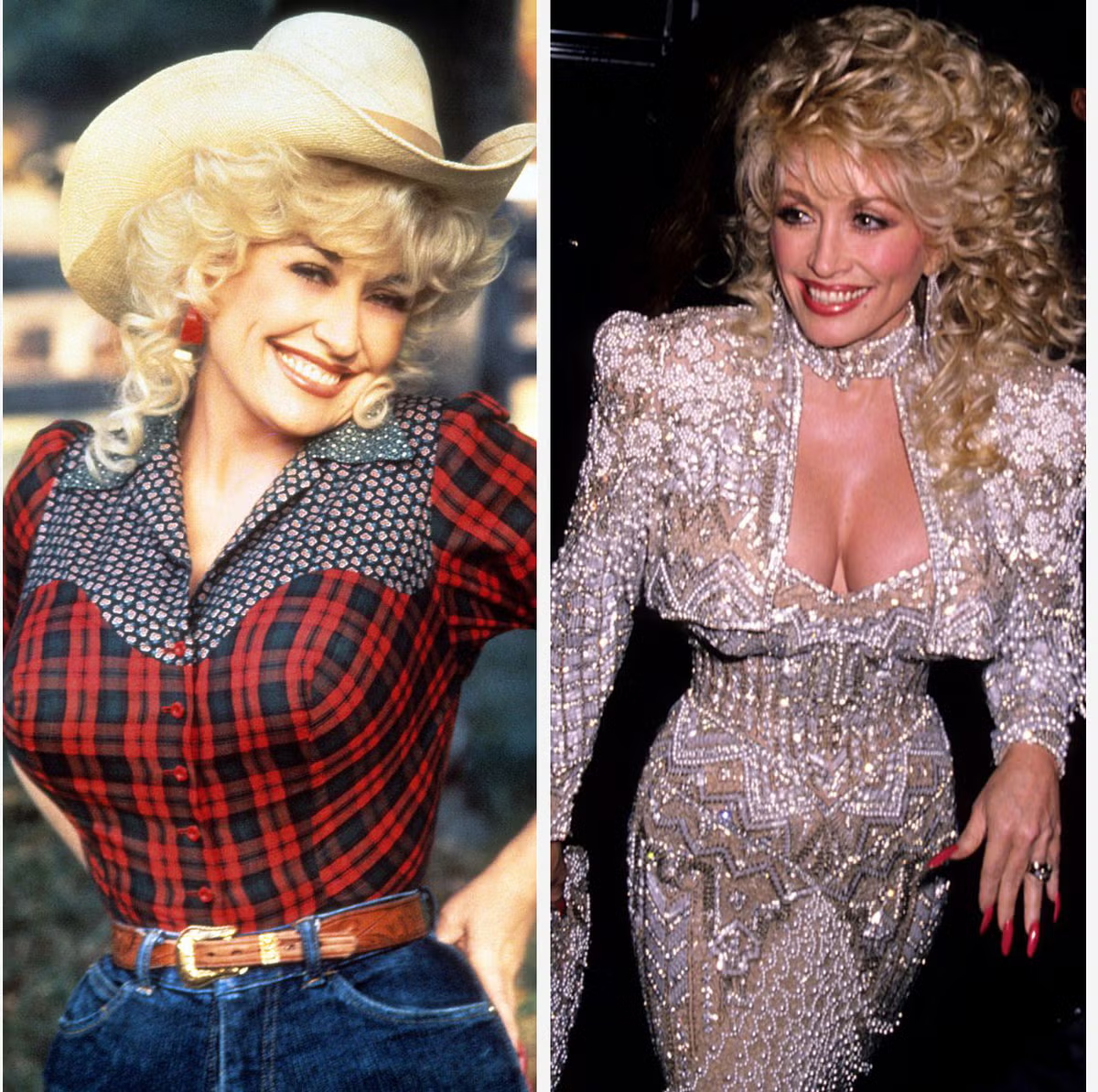
Dolly Parton’s 1987 variety show is mostly remembered today as an expensive television experiment that never quite worked.
ABC spent heavily on Dolly, building the series around one of the biggest stars in country music and filling episodes with elaborate production numbers, comedy sketches and celebrity guests. But the show struggled to find a steady audience and lasted only one season.
Twenty-two episodes aired before it disappeared.
Yet buried inside that short run was a moment that quietly changed another performer’s career.
One night, Cagney & Lacey star Tyne Daly appeared on the show and sang with Parton.
It could easily have been forgotten as another celebrity duet on a variety program full of them.
Instead, a Broadway producer was watching.
And what he saw eventually helped lead Daly to one of the most demanding roles in American musical theater — Mama Rose in Gypsy.
She would go on to take the role to Broadway and win a Tony Award.
The remarkable part is that the path to that triumph began not in a Broadway audition room, but on Dolly Parton’s failed television show.
Dolly Was Supposed to Be a Major Television Event
By the late 1980s, Parton was already far more than a country singer.
She had crossed into pop music, starred in movies including 9 to 5, The Best Little Whorehouse in Texas and Steel Magnolias, and become one of the most instantly recognizable entertainers in America.
ABC wanted to build an old-fashioned variety series around that appeal.
The network reportedly committed a substantial budget to Dolly, which premiered in September 1987. Each episode mixed music, comedy and guest appearances, with Parton functioning as singer, host and center of the entire production.
The concept looked promising.
Variety television had once been a dependable format for stars such as Carol Burnett, Sonny and Cher and Glen Campbell. Parton’s warm personality seemed perfect for it.
But television had changed.
By the late 1980s, the traditional variety-show format was no longer as dominant as it had been a decade earlier.
Despite the money, big-name guests and Parton’s charisma, Dolly struggled in the ratings.
ABC canceled the series after one season.
At the time, that made the show look like a rare failure in Parton’s otherwise remarkably durable career.
But one guest appearance ended up having consequences no ratings report could have predicted.
Tyne Daly Was Famous — Just Not as a Singer
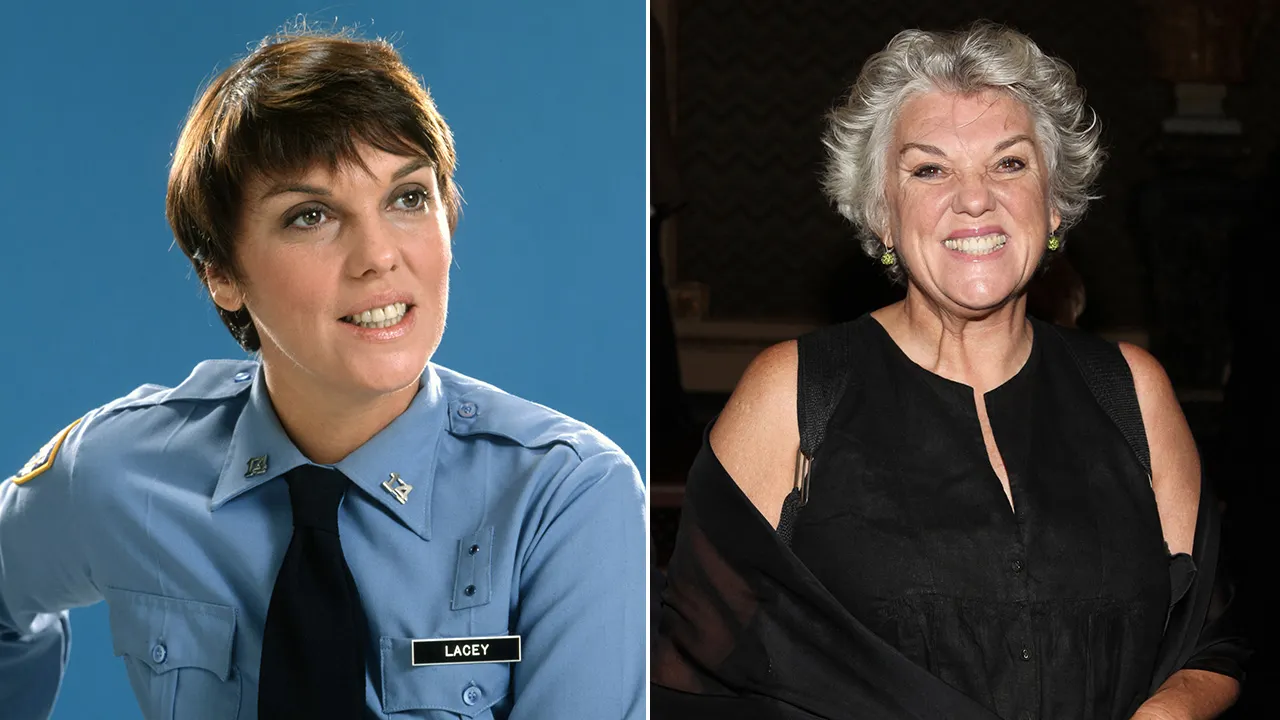
When Tyne Daly appeared on Dolly, television audiences already knew her extremely well.
She had spent years starring as Detective Mary Beth Lacey opposite Sharon Gless on the acclaimed CBS drama Cagney & Lacey.
The show made Daly one of television’s most respected dramatic actresses.
She was not primarily known as a musical-theater performer.
That distinction matters.
A viewer tuning into Dolly could easily have seen Daly’s musical appearance as nothing more than a playful change of pace: a famous dramatic actress stepping outside her usual role to sing beside Dolly Parton.
But Daly had more musical ability than much of the public realized.
And one particular viewer noticed.
Broadway producer Barry Brown saw Daly perform on the show.
According to accounts of the history of Dolly and Daly’s later casting, that television appearance became an important step toward Brown considering her for Mama Rose in a revival of Gypsy.
It was an unlikely audition without actually being an audition.
Mama Rose Is Not a Casual Broadway Role
Anyone familiar with Gypsy understands why the casting was surprising.
The 1959 musical, with music by Jule Styne, lyrics by Stephen Sondheim and a book by Arthur Laurents, centers on Rose, an overpowering stage mother determined to turn her daughters into stars.
Mama Rose is one of the most celebrated roles in musical theater.
She is funny, manipulative, loving, frightening, ambitious and emotionally enormous.
The part has traditionally been associated with powerhouse performers.
Ethel Merman originated the role on Broadway. Later productions featured stars including Angela Lansbury.
Casting a television actress best known for playing a police detective was therefore not the obvious choice.
But Daly had something the role needed beyond a conventionally beautiful singing voice.
She had force.
She had dramatic authority.
And after seeing her sing on Dolly, Brown had evidence that she could also handle musical material.
That small television appearance helped open a door.
Daly First Took Rose to Los Angeles
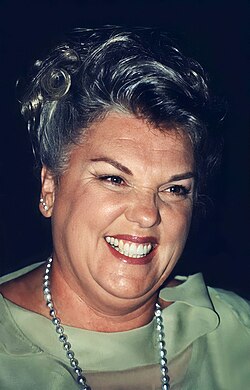
Daly was eventually cast as Rose in a revival of Gypsy that began in Los Angeles.
It was a major gamble.
She had substantial acting credentials, but audiences had not spent years thinking of her as a Broadway musical star.
The production therefore depended on people accepting Daly in an entirely new way.
She did not try to imitate Ethel Merman.
Instead, Daly approached Rose as an actress first.
Her version emphasized the character’s hunger, desperation, humor and emotional contradictions.
That interpretation worked.
The production drew enough attention and confidence to continue moving forward.
Daly’s performance became the reason people wanted to see it.
Soon, the revival was headed for New York.
The Broadway Move Turned the Gamble Into a Triumph
When Daly brought Gypsy to Broadway in 1989, any lingering doubt about her casting disappeared.
Critics responded strongly to her performance, particularly the dramatic intensity she brought to Rose.
The role culminates in “Rose’s Turn,” one of musical theater’s most famous breakdowns onstage.
By that point in the story, Rose’s ambitions, disappointments and need for attention finally burst into the open.
For Daly, it was an opportunity to use exactly the qualities that had made her such a formidable television actress.
She did not need to suddenly become a different kind of performer.
She made the musical role serve the dramatic strengths she already had.
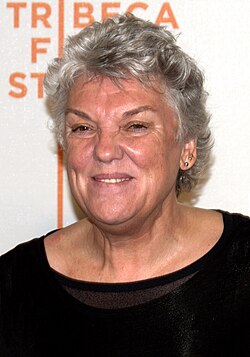
In 1990, Daly won the Tony Award for Best Actress in a Musical for Gypsy.
A performer known to millions as Mary Beth Lacey was now a Tony-winning Broadway star.
And somewhere in the chain of events leading there was a Dolly Parton television duet.
It Was Exactly the Kind of Career Turn Nobody Could Plan
Hollywood careers often look logical only in retrospect.
An actor auditions for a role, gets the job and becomes famous.
A singer releases a hit and receives bigger recording opportunities.
Tyne Daly’s path to Gypsy was far stranger.
She did not appear on Dolly because she was campaigning to become Broadway’s next Mama Rose.
The show was not a televised audition for musical producers.
It was entertainment.
But that is sometimes how careers change.
A performer gets seen doing something unexpected by exactly the right person at exactly the right moment.
Barry Brown reportedly saw enough in Daly’s performance to imagine her in a role much bigger than the television segment itself.
That imagination eventually became a Broadway production.
Dolly’s “Failure” Produced an Unexpected Success
There is also an irony in where the story began.
Dolly itself did not become a television success.
The series was expensive, ambitious and short-lived.
For Parton, it became one of several experiments in a career defined partly by her willingness to try things that might fail.
Yet a failed show does not mean every moment inside it was wasted.
One performance gave an established actress the chance to reveal a side of herself that most viewers had never seen.
One producer happened to notice.
Within a few years, Daly was standing on a Broadway stage accepting theater’s highest honor.
That does not suddenly make Dolly a forgotten masterpiece.
But it does make the series more interesting than its ratings suggest.
Television history is filled with canceled programs that disappeared without leaving much behind.
Dolly left behind at least one remarkable ripple.
One Song Changed the Way People Saw Tyne Daly
The most satisfying part of the story is that Daly did not need to become young, glamorous or reinvent herself to make the transition.
She was already an accomplished middle-aged actress when Broadway came calling.
What changed was not Daly.
It was what someone realized she was capable of doing.
A short musical appearance allowed a producer to look past the category in which television had placed her.
She was not only Mary Beth Lacey.
She could sing.
She could command a stage.
And she could become Rose.
More than three decades later, Daly’s Tony-winning Gypsy remains an important chapter in her career.
But the path toward that stage began in a place almost nobody would think to look.
On a variety show that lasted 22 episodes, Tyne Daly stood beside Dolly Parton and sang.
Millions of viewers may have forgotten the moment.
Barry Brown didn’t.