Sandra Birchmore’s Journals Can Be Used at Matthew Farwell Trial as Judge Clears Key Evidence Before October Proceedings
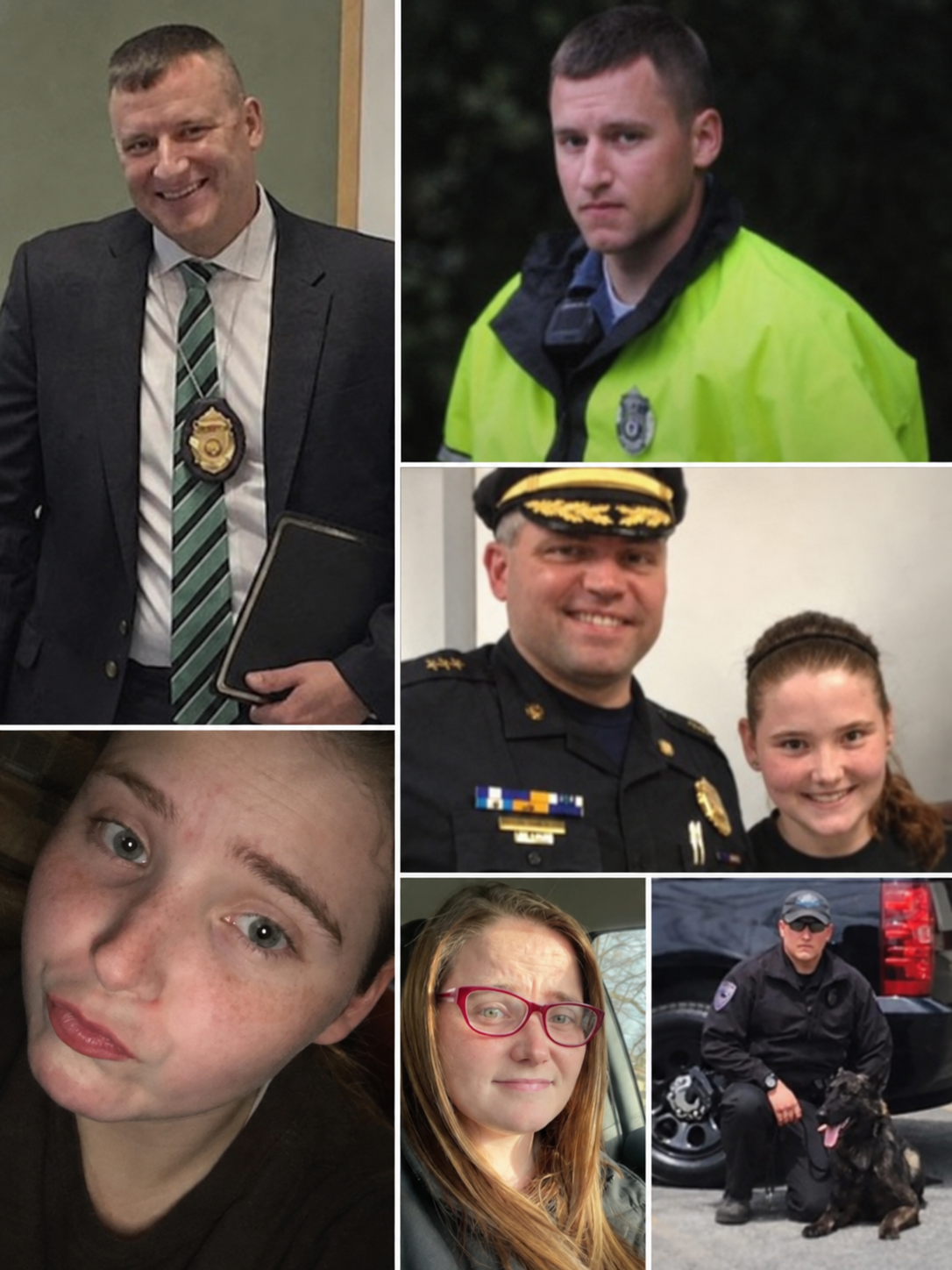
A federal judge has ruled that prosecutors may use portions of Sandra Birchmore’s handwritten journals, electronic messages and other personal communications at the upcoming trial of former Massachusetts police officer Matthew Farwell, giving the government access to some of the most personal evidence in a case centered on allegations of years of grooming, sexual abuse and an eventual killing staged to look like suicide.
U.S. District Judge Denise Casper issued the ruling as attorneys prepare for Farwell’s October trial in Boston.
Farwell is accused of strangling Birchmore, a pregnant 23-year-old teacher’s aide, in February 2021 after allegedly learning she might expose their years-long sexual relationship, which federal prosecutors say began when Birchmore was a minor.
He has pleaded not guilty.
The government’s case alleges that Farwell killed Birchmore to prevent information about his alleged sexual exploitation of her from reaching law enforcement. He is federally charged with killing a witness or victim, along with a separate count tied to the death of Birchmore’s unborn child.
Birchmore’s Own Words Will Now Be Part of the Case
One of the central pretrial disputes involved whether jurors would be allowed to hear statements Birchmore made before her death.
Judge Casper ruled that prosecutors may introduce selected communications recovered from Birchmore’s cellphone, laptop and social-media accounts, along with oral statements she made to witnesses and excerpts from handwritten journals.
Those materials could become especially important because Birchmore cannot testify herself.
Prosecutors are expected to use the communications to help explain her relationship with Farwell, her emotional state, what she believed about her pregnancy and what she told others about Farwell’s alleged conduct.
The defense had opposed allowing some of those statements into evidence.
Farwell’s attorneys have maintained that Birchmore died by suicide and have argued that her history of mental-health struggles and previous suicidal thoughts should be presented to the jury.
Earlier this month, the judge ruled that the defense may introduce evidence related to that mental-health history.
The result is that jurors are likely to hear two very different interpretations of Birchmore’s life in the weeks before her death.
Prosecutors Say the Relationship Began When Birchmore Was a Child
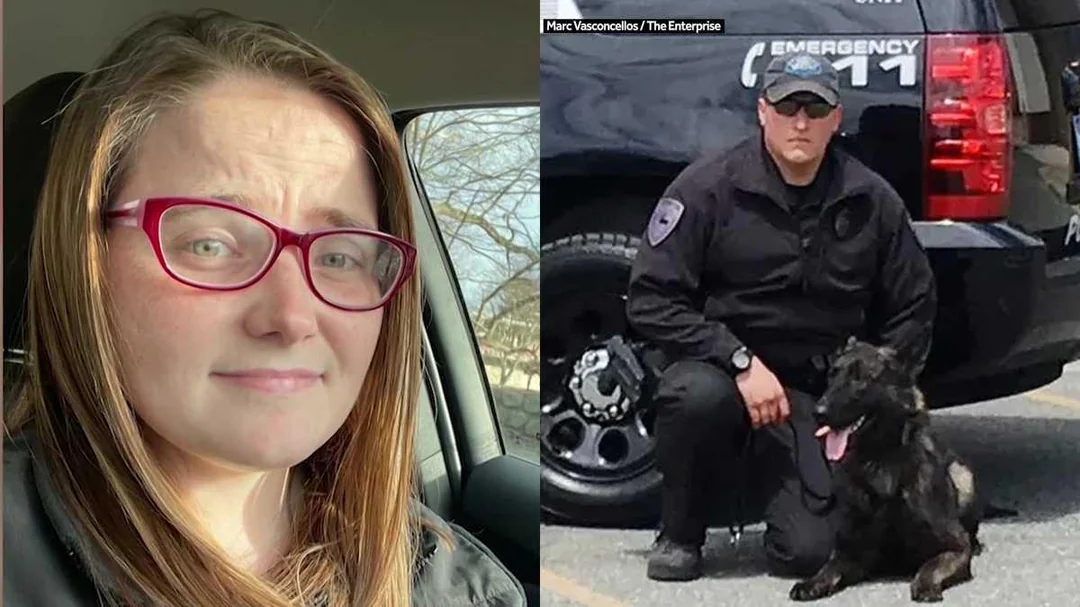
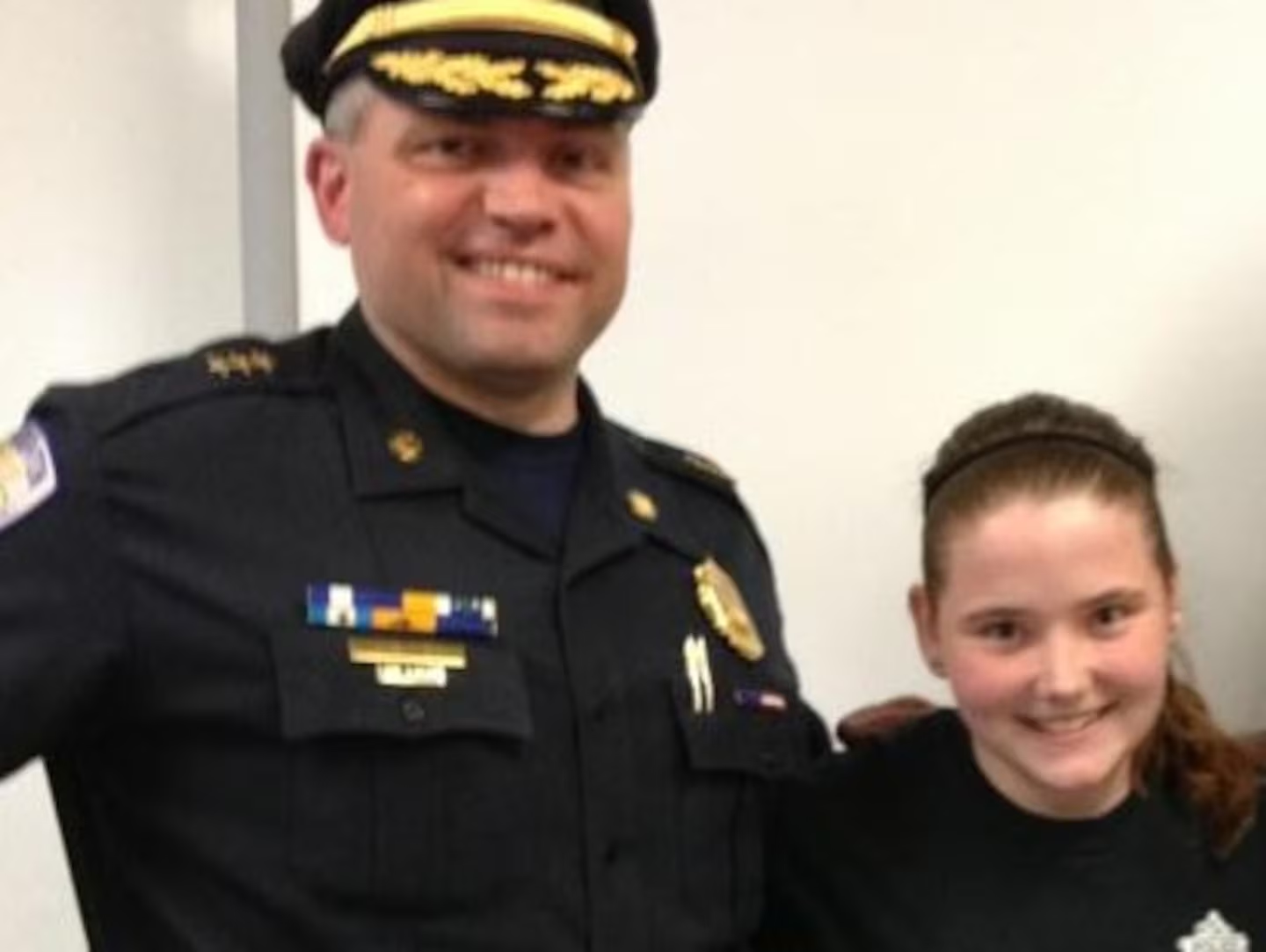
Birchmore first became involved with the Stoughton Police Explorers program when she was 12, according to federal court records.
The youth program was intended to introduce young people to careers in law enforcement.
Prosecutors allege that Farwell began grooming Birchmore while she was still a child and sexually assaulted her in April 2013, when she was 15 and he was 27.
They say the relationship continued after she turned 18.
Farwell later became a Stoughton police detective.
A broader internal investigation also examined the conduct of other officers connected with Birchmore, including Farwell’s twin brother William Farwell and former officer Robert Devine.
Only Matthew Farwell currently faces federal criminal charges connected to Birchmore’s death.
Pregnancy Became Central to the Government’s Motive Theory
Federal prosecutors say the relationship reached a crisis point in late 2020 after Birchmore became pregnant.
According to government filings, Birchmore told Farwell that he was the father of her unborn child.
Prosecutors allege that Farwell reacted badly and became increasingly concerned that Birchmore would reveal information about their relationship.
The government further alleges that Farwell had agreed to try to impregnate Birchmore in exchange for her silence about his alleged sexual abuse and extramarital relationship.
Prosecutors say that by January 2021, Farwell learned another person had already contacted the Stoughton Police Department about his relationship with Birchmore.
That disclosure, prosecutors argue, created a powerful motive.
Their theory is that Farwell realized he could no longer control what Birchmore might tell police or others.
Government Says Farwell Killed Birchmore During a February Storm
Birchmore died in early February 2021.
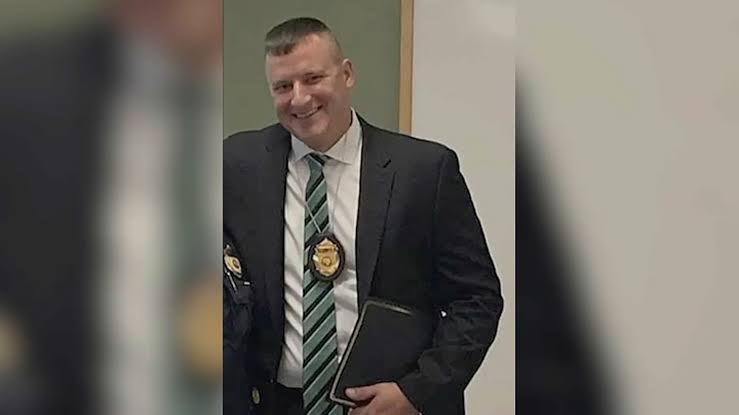
Federal prosecutors allege that Farwell strangled her inside her Canton apartment and then staged the scene to make her death look like suicide.
At the time, local investigators concluded that Birchmore had died by suicide.
That determination remained in place for years.
The federal investigation began later, and prosecutors ultimately reached a very different conclusion.
Farwell was arrested in August 2024 and has remained detained while awaiting trial. A federal judge previously described the government’s evidence as extremely strong when denying release.
Birchmore’s official death report was later changed from suicide to “undetermined,” according to recent court reporting.

Defense Will Be Allowed to Present Suicide Evidence
The judge’s decision allowing Birchmore’s journals does not mean the prosecution will control the entire narrative surrounding her mental health.
Farwell’s attorneys successfully argued that jurors should also be permitted to hear about evidence of depression, mental-health struggles and prior suicidal thinking.
The defense intends to argue that Birchmore took her own life and that investigators later reinterpreted the evidence after federal authorities became involved.
Prosecutors strongly dispute that theory.
They contend that forensic evidence, Birchmore’s communications and Farwell’s alleged behavior before and after her death support homicide rather than suicide.
That disagreement is likely to become one of the central battles of the trial.
Journal Entries Could Help Establish Birchmore’s State of Mind
The newly admitted journal material could matter for several reasons.
First, prosecutors may use it to challenge the argument that Birchmore intended to die.
Second, the writings could help jurors understand the nature of her relationship with Farwell from her perspective.
And third, the entries may shed light on what she believed about her pregnancy and future shortly before her death.
Other communications are expected to serve a similar purpose.
Federal investigators recovered Birchmore’s phones and laptop after her death and reviewed extensive electronic messages between her and Farwell.
Those records form a major part of the government’s timeline.
Exactly which journal entries and messages will be shown to jurors may still depend on evidentiary objections raised during trial.
Farwell’s Wife Was Giving Birth Around the Same Time
Another striking part of the prosecution’s timeline concerns Farwell’s own family.
Prosecutors allege that Farwell killed Birchmore after taking his wife, Michelle, to a Boston-area hospital for a scheduled C-section.
His wife gave birth to the couple’s third child only hours after the alleged killing.
The government is expected to use timing records, communications and other evidence to reconstruct Farwell’s movements during that period.
The defense will have the opportunity to challenge that reconstruction and the government’s interpretation of the timeline.
Trial Begins in October
Jury selection is scheduled to begin Oct. 5 in federal court in Boston.
The trial is expected to last several weeks.
Cameras will not be permitted inside the federal courtroom.
Potential witnesses include people who knew Birchmore, investigators, forensic experts and individuals connected to the Stoughton Police Department.
William Farwell is also listed among potential government witnesses.
The upcoming proceedings will not simply focus on how Sandra Birchmore died.
They will also examine a relationship that prosecutors say began when she was a vulnerable teenager seeking mentorship from police officers and continued for years under an extraordinary imbalance of power.
Farwell denies the government’s allegations and remains presumed innocent.
But after the latest ruling, jurors will now hear Sandra Birchmore’s own words as they decide between two fundamentally different explanations for her death.
The defense says she died by suicide.
Federal prosecutors say Matthew Farwell killed her — and then created a scene designed to make everyone believe she had taken her own life.