Patrick Clancy Reveals the Heartbreaking Reason He Left Massachusetts After Losing His Three Children

More than three years after the deaths of his three young children, Patrick Clancy is speaking publicly about why he made the difficult decision to leave the Massachusetts community where his family had built its life.
Patrick moved from Duxbury to New York City in April 2023, only months after the deaths of Cora, 5, Dawson, 3, and Callan, 8 months.
For years, the move was largely another private chapter in a life transformed by tragedy. Now, Patrick says there was a specific moment when he realized remaining in the familiar streets of Duxbury had become emotionally unbearable.
It happened when he unexpectedly drove past his children’s school.
The timing could not have been worse.
Parents were arriving to drop off children who had once been classmates and friends of Cora and Dawson. Patrick suddenly found himself looking at a version of everyday life his own family would never experience again.
He said that was when he knew he could no longer stay.
An Ordinary Drive Became Too Painful
Before January 2023, Duxbury represented home.
It was where Patrick and his then-wife, Lindsay Clancy, were raising their three children and building the routines familiar to countless young families — school, meals, errands, birthdays and time together at home.
That changed completely on January 24, 2023.
Patrick returned from running errands that evening and discovered Lindsay seriously injured outside their home after she had jumped from a second-story window in what authorities described as an apparent suicide attempt.
While calling 911, Patrick entered the house and eventually discovered the children in the basement.
Cora and Dawson died that night. Callan initially survived and was taken to a hospital, but died several days later.
Lindsay was subsequently charged in connection with the children’s deaths.
Her defense has acknowledged that she killed the children but has argued that she was not criminally responsible because she was suffering from severe mental illness, including postpartum psychosis. Prosecutors have challenged that interpretation and argued during trial that her actions were deliberate.
For Patrick, the legal proceedings unfolded alongside a separate reality: nearly every part of the town where he lived carried reminders of the children he had lost.
Months after the deaths, one seemingly routine drive made that impossible to ignore.
Passing their school as other children arrived triggered an overwhelming reaction.
He soon decided to leave Massachusetts.
New York Offered Something Duxbury Could Not
Patrick relocated to New York City in April 2023.
At first glance, Manhattan might appear an unusual destination for someone coping with profound grief. Its streets are crowded, noisy and constantly moving.
But Patrick eventually discovered that the anonymity of the city gave him something he desperately needed.
About five weeks after moving, another emotional moment helped confirm that he had made the right choice.
May would have marked Callan’s first birthday.
Patrick went to St. Patrick’s Cathedral in Manhattan and lit a candle for his son.
He quietly told Callan that he loved him.
Then he stepped outside onto Fifth Avenue.
There, surrounded by strangers, traffic and the movement of one of the busiest parts of New York, Patrick began crying uncontrollably.
No one stopped.
No one stared.
No one treated him as the man whose family tragedy had become nationally known.
People simply continued with their day.
For Patrick, that lack of attention felt unexpectedly comforting.
It was one of the first moments when he understood what New York could offer him: enough space to grieve without constantly feeling watched.
He realized he could walk through the city carrying an enormous personal loss while still being allowed to exist anonymously among millions of other people.
He Says His Children Remain Part of His Daily Life
Moving hundreds of miles away did not mean leaving his children behind emotionally.
Patrick says he continues to think about Cora, Dawson and Callan constantly.
He has described dreaming about them and even talking to them.
One recurring emotional experience involves imagining what life might have looked like if they were still alive.
In one dream, Patrick recalled being back in the kitchen of the family’s former home when Cora suddenly walked into the room.
His reaction in the dream was not complicated.
He simply wondered where she had been.
Then she hugged him.
Those dreams can temporarily restore a version of family life that disappeared in January 2023, only for Patrick to wake and confront the loss again.
He has also spoken publicly about reaching an extremely dark point after the children’s deaths, including moments when he questioned whether he wanted to continue living.
Therapy, support from others and time became important parts of his attempt to keep moving forward.
Lindsay Clancy’s Trial Ended Without a Verdict
Patrick’s decision to discuss his move comes shortly after another major development in the case.
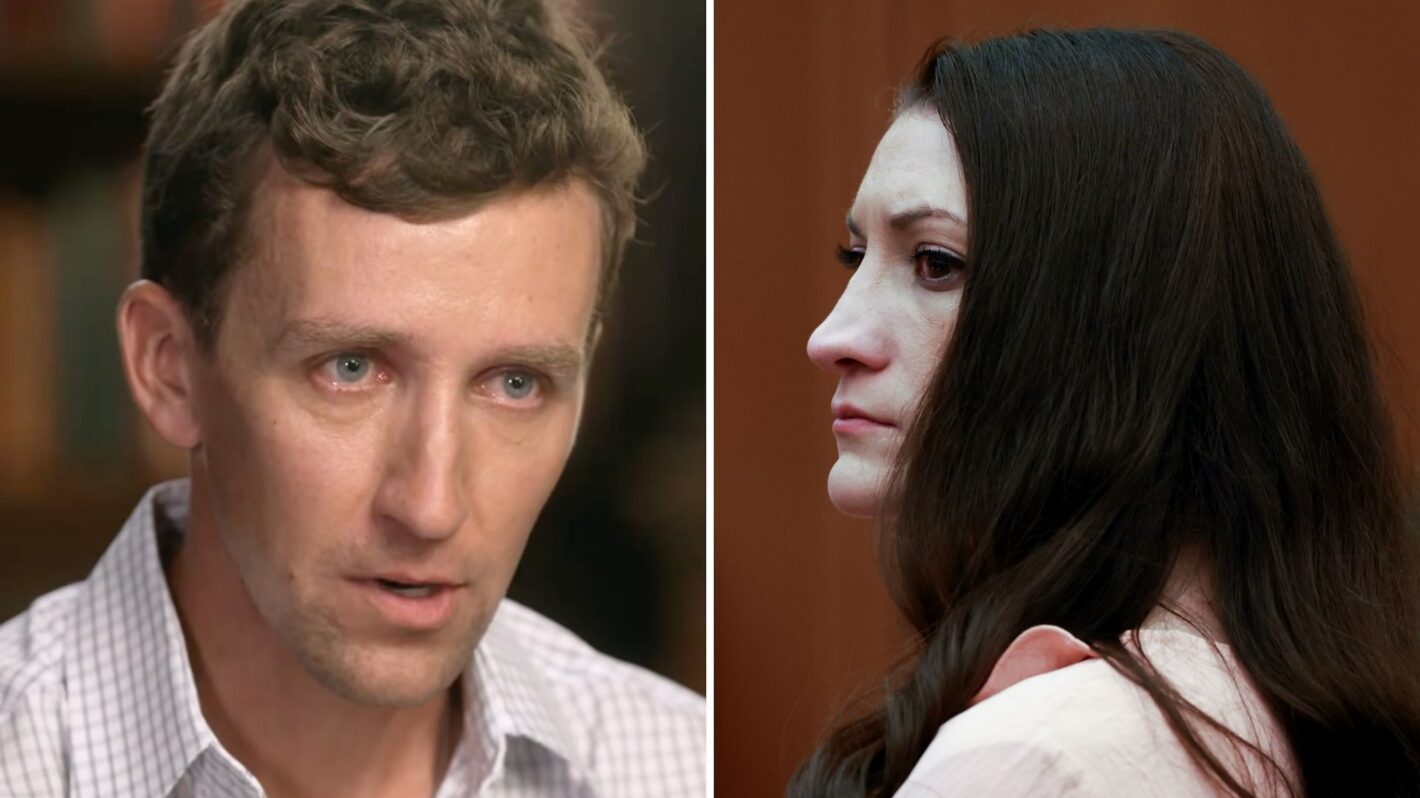
Lindsay Clancy’s murder trial ended in a mistrial on September 4, 2026, after jurors told the judge they could not reach a unanimous verdict.
The central dispute was not over whether Lindsay caused the children’s deaths.
Instead, the trial focused heavily on her mental state and whether she was legally criminally responsible for her actions.
Her attorneys argued that postpartum psychosis and the effects of medication had severely distorted her perception of reality.
Prosecutors argued that the evidence showed planning and awareness inconsistent with the defense’s position.
After the mistrial, multiple jurors said the panel had been split 11-1, with the majority supporting a finding that Lindsay was not criminally responsible.
Prosecutors have not yet publicly announced whether they will pursue another trial.
Her next court hearing is scheduled for September 29.

Patrick Has Chosen Forgiveness
One of the most striking aspects of Patrick’s public statements has been his position toward Lindsay.
He has said he forgives his former wife and believes serious mental illness played a central role in what happened.
That does not erase his grief or the reality of losing his children.
Instead, Patrick has described forgiveness as part of how he has tried to understand an event that permanently changed his life.
He has also pushed back against online conspiracy theories that have attempted to place responsibility on him or suggest alternative versions of what happened inside the family home.
Patrick has argued that such claims distract from what he views as a much more important issue: recognizing and treating severe perinatal mental health disorders.
Building a New Life in Manhattan
New York eventually became more than simply a place Patrick had gone to escape painful reminders.
It became where he began rebuilding his life.
Patrick later met Dr. Rachel Danis, a reproductive endocrinologist and fertility specialist, after the two crossed paths in Central Park.
Their relationship developed over time, and they married in April 2026.
The couple now lives in Manhattan.
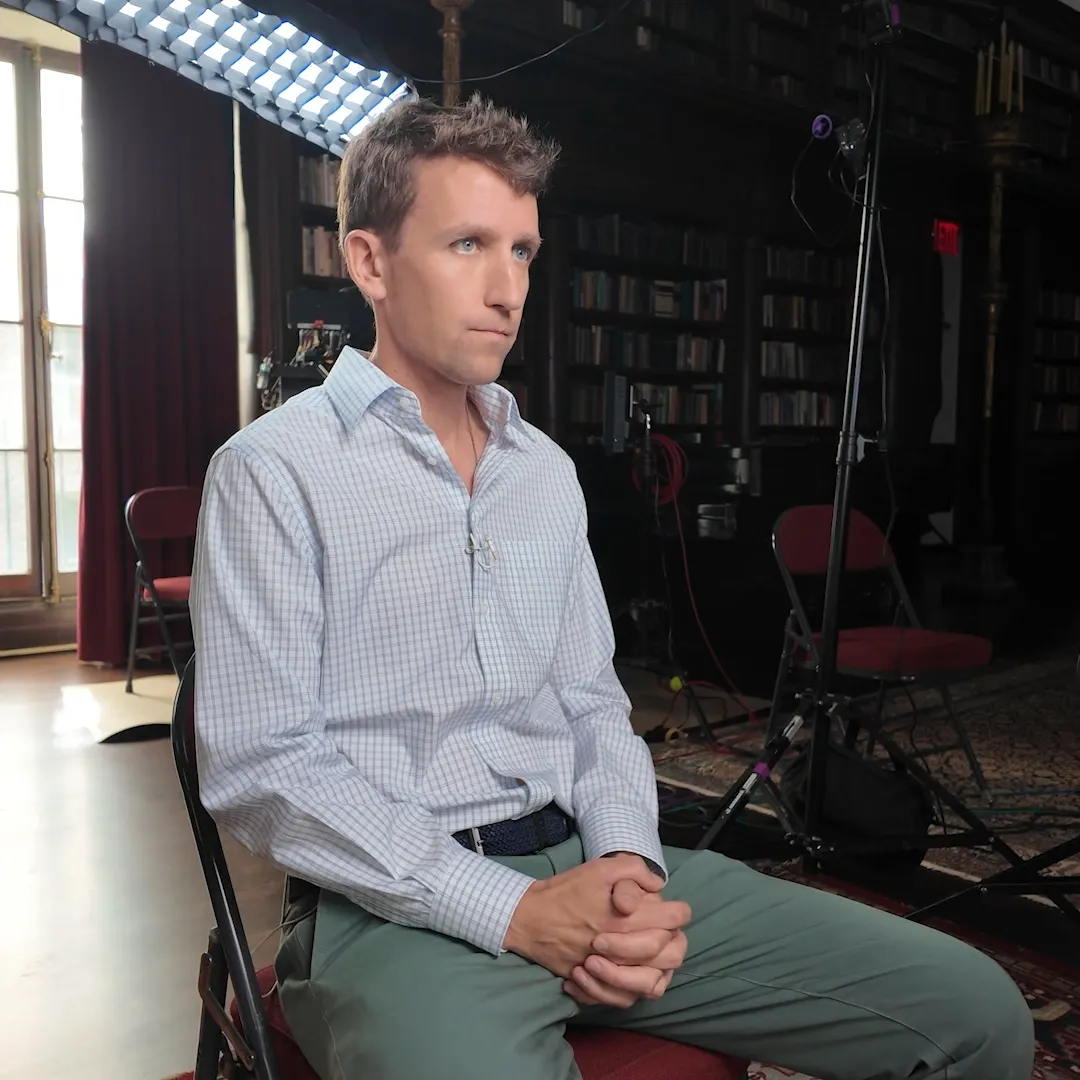
In his recent television interview, Rachel appeared alongside Patrick as they revealed that they are starting a family together.
For Patrick, that announcement carries emotions that few people could easily understand.
Moving forward does not mean replacing Cora, Dawson or Callan, nor does beginning another family erase the family he lost.
Instead, he has described his life as one in which grief and hope now exist beside each other.
A City Where He Could Grieve Without Being Watched
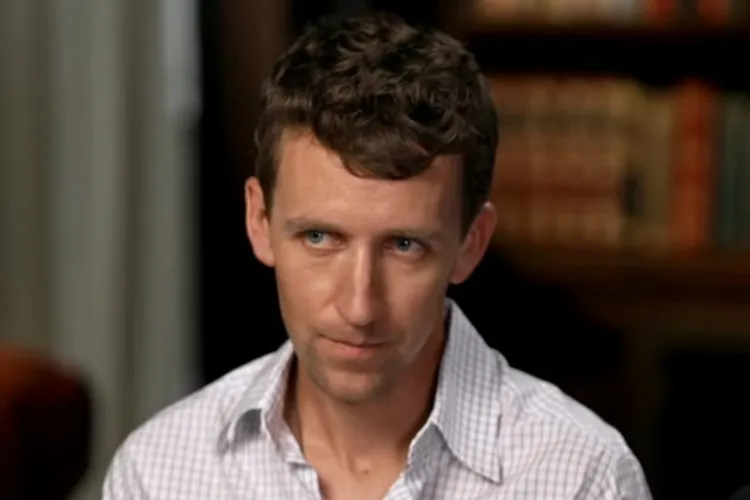
Patrick’s explanation for leaving Massachusetts ultimately comes down to a series of small but powerful moments.
Seeing his children’s classmates arriving at school reminded him of everything that would never happen.
Lighting a candle for Callan on what should have been his first birthday gave him a private ritual of remembrance.
And crying openly on Fifth Avenue while thousands of strangers passed without reacting gave him something he had struggled to find elsewhere.
Privacy.
New York did not remove Patrick’s grief.
It simply gave him room to carry it.
More than three years after the night that changed his life, Patrick remains connected to the memories of Cora, Dawson and Callan while attempting to build a future that once seemed impossible.
The legal case surrounding their deaths remains unresolved.
But Patrick’s own path has continued — from the home in Duxbury, to a candle inside a Manhattan cathedral, to a new marriage and the possibility of becoming a father again.
Through all of it, he says the three children he lost remain with him.