Shania Twain Says One Habit Keeps Her 15-Year Marriage to Her “Forever True Love” Strong
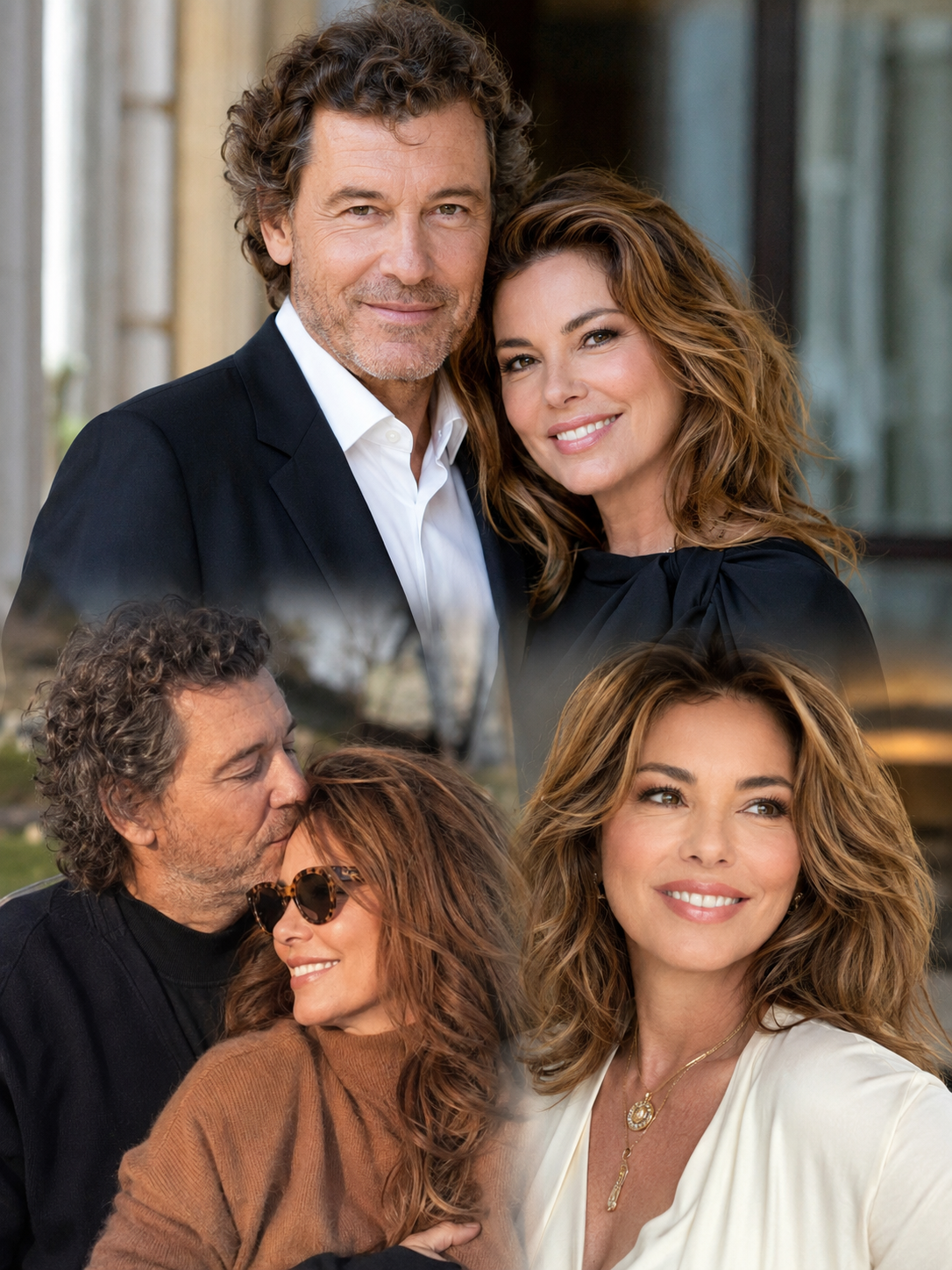
Shania Twain’s second marriage began after one of the most painful chapters of her life, but the country-pop star says its lasting strength comes from something far less dramatic than grand romantic gestures.
After 15 years with Frédéric Thiébaud, Twain credits their commitment to honest, ongoing communication as the habit that keeps their relationship grounded.
The singer, who turned 60 in 2025, recently described Thiébaud as her “forever true love” while reflecting on the marriage they have built since exchanging vows on January 1, 2011. She said she feels especially blessed because her husband refuses to allow distance or silence to settle between them when something needs to be addressed.
“He’s really good at reminding both of us that we have to keep communication open,” Twain told People.
That approach does not always come naturally to her.
When tension arises, Twain said her instinct is often to withdraw, meditate, play guitar or quietly work through her emotions alone. Thiébaud, however, prefers to bring the issue into the open. Rather than postponing a difficult discussion, he wants them to talk, understand what happened and resolve it together.
Twain has come to value that difference between them.
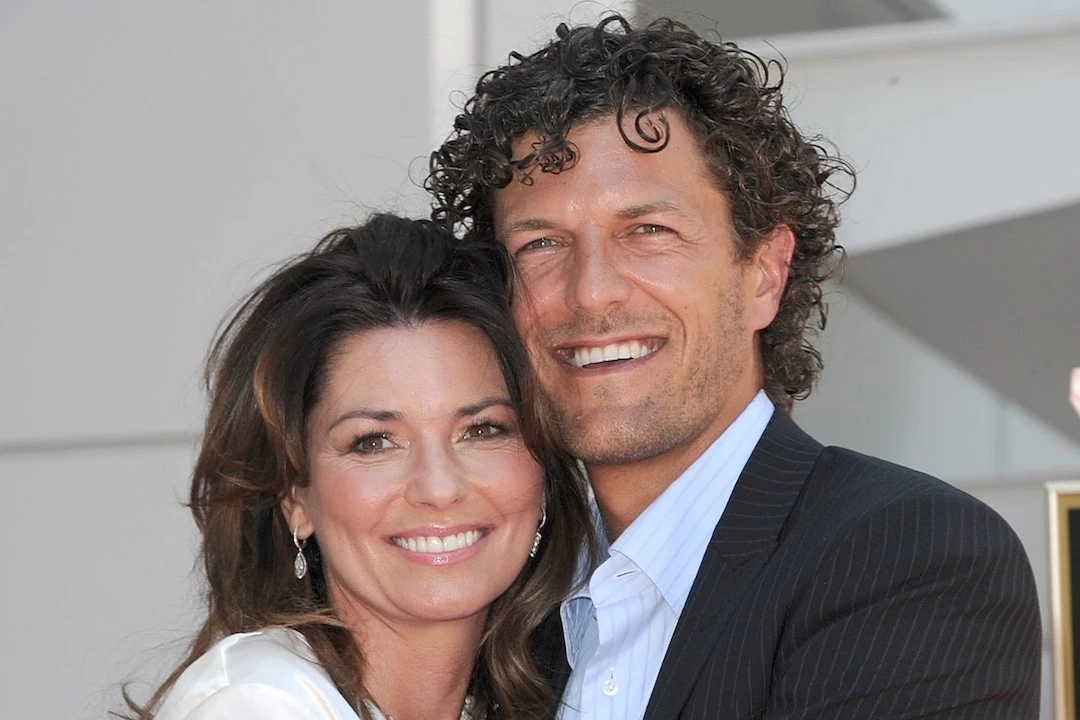
She described her husband as exceptionally comfortable discussing emotions, a quality that has encouraged her to become more direct about her own feelings. His willingness to keep talking, even when a conversation may be uncomfortable, has become one of the defining strengths of their marriage.
For Twain, that openness carries special meaning because their relationship emerged from a period shaped by secrecy and betrayal.
Before marrying Thiébaud, Twain spent more than a decade married to British record producer Robert John “Mutt” Lange. The two married in December 1993 and became one of music’s most commercially successful creative partnerships.
Lange produced and co-wrote much of the material that transformed Twain into a global superstar, including songs from The Woman in Me, Come On Over and Up! Their collaboration helped blur the traditional boundaries between country and pop, producing hits such as “You’re Still the One,” “That Don’t Impress Me Much” and “Man! I Feel Like a Woman!”
They also had a son, Eja, born in 2001.
Behind the public success, however, the marriage eventually collapsed. Twain has said she learned in 2008 that Lange had become involved with Marie-Anne Thiébaud, one of her close friends. Marie-Anne was then married to Frédéric Thiébaud.
Lange denied the affair when the separation first became public, while Marie-Anne also denied the allegation. Twain nevertheless maintained that the betrayal ended both marriages. Her divorce from Lange was finalized in 2010.
The discovery left Twain emotionally devastated. She has spoken candidly about feeling as though she had lost not only her husband, but also her closest confidante, her family structure and the creative partner who had been central to her career.
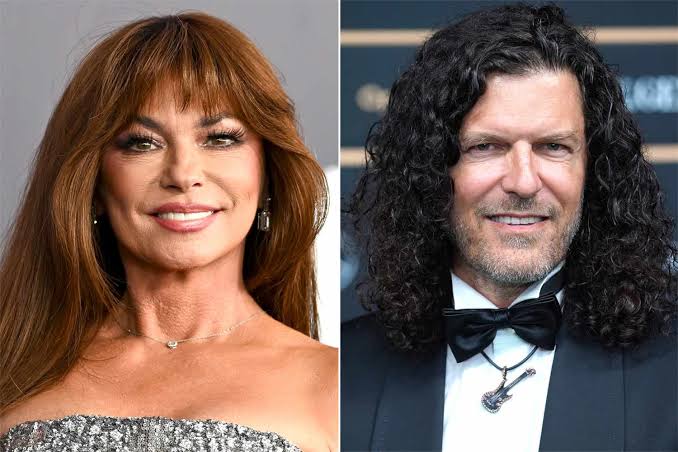
Thiébaud was living through a parallel crisis.
Initially, the two supported one another as friends. They understood the confusion, humiliation and grief surrounding the breakdown of their marriages in a way few others could. Their conversations created a bond that gradually became something deeper.
Twain did not immediately view him as a future husband. After her divorce, she had little desire to marry again. Trusting another person seemed especially difficult after the way her first marriage had ended.
Thiébaud’s patience and emotional steadiness slowly changed her outlook.
Twain described him during that period as compassionate, understanding and dependable. What began as mutual support eventually developed into a romantic relationship in 2009. By late 2010, they were engaged.
They married at sunset on New Year’s Day 2011 in Rincón, Puerto Rico, during an intimate ceremony attended by approximately 40 relatives and close friends.
The marriage also joined two families connected by an unusually complicated history. Twain continued raising Eja, while Thiébaud had a daughter, Johanna, from his previous marriage. Rather than allowing the circumstances that brought them together to define their future, Twain and Thiébaud focused on creating stability for themselves and their children.
Over the years, Twain has repeatedly emphasized that their romance should not be reduced to the scandal surrounding their former spouses. In her telling, Thiébaud was not simply another heartbroken person who happened to understand her pain. He became the person who helped her believe that trust and commitment were still possible.
Their connection has also survived a demanding period in Twain’s professional life.
Around the time her first marriage was ending, she was already struggling with serious problems affecting her voice. After contracting Lyme disease, Twain developed dysphonia, a condition that made singing difficult and at times threatened the career she had spent decades building.
She later underwent multiple throat surgeries and worked to regain control of her voice. After a lengthy absence, she returned to recording and performing, including Las Vegas residencies, international tours and new albums.
Thiébaud largely remained outside the spotlight, but Twain has credited him with providing emotional support throughout her recovery and return to the stage. A former business executive, he occasionally appears beside her at public events but generally maintains a private life.
Their contrasting temperaments appear to be part of what makes the relationship work.
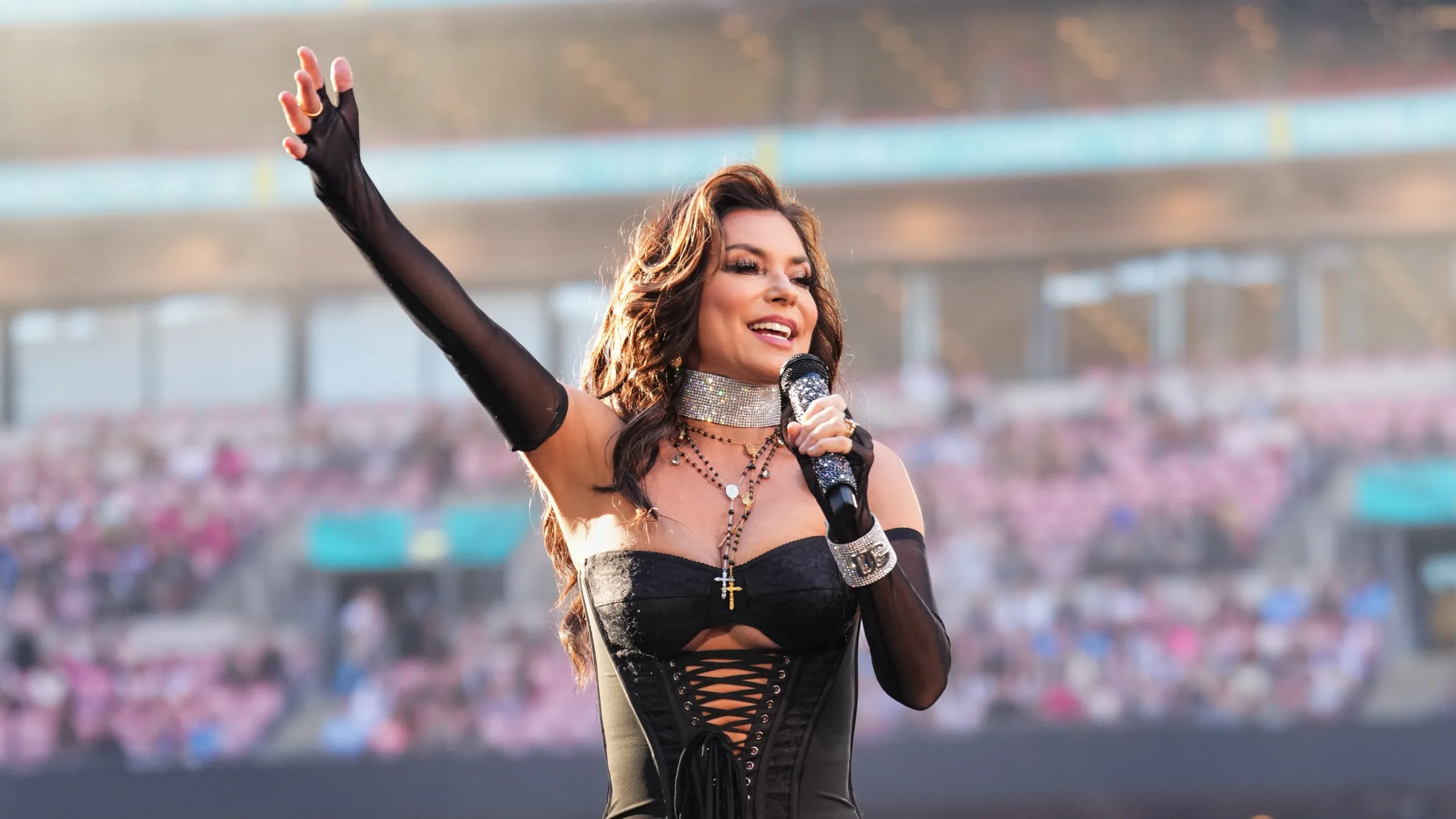
Twain is naturally introspective. Music, solitude and reflection help her process complicated feelings. Thiébaud is more inclined to put those feelings into words immediately.
Instead of viewing those differences as evidence that they are incompatible, Twain sees them as complementary. His insistence on communication prevents difficult feelings from remaining hidden, while her reflective nature brings patience and perspective to their conversations.
The lesson she draws from their marriage is not that strong couples avoid conflict. It is that they remain emotionally available when conflict arrives.
Twain has also suggested that the connection feels deeper than the circumstances under which it developed. Looking back, she believes Thiébaud could have been her lifelong partner even if they had met much earlier. She has said she can imagine the two of them falling in love as teenagers and remaining together through every stage that followed.
That belief helps explain why she calls him her “forever true love.”
The phrase may sound like something from one of Twain’s romantic ballads, but her description of marriage is notably practical. Fifteen years of commitment, she suggests, have depended not on maintaining a flawless love story but on refusing to shut each other out.
Their relationship was born from shared heartbreak, yet it endured because they did not remain trapped in that heartbreak.
Twain has worked toward forgiveness without pretending the past never happened. She has said that forgiving Lange does not mean approving of his choices or forgetting their consequences. Instead, it allowed her to stop carrying responsibility for someone else’s actions.
Thiébaud offered a similar opportunity to move forward.
Together, they transformed a period associated with betrayal into a partnership built around transparency. The irony is difficult to miss: after losing one marriage amid allegations of hidden infidelity, Twain found her most lasting relationship with a man who insists that nothing important be left unspoken.
Fifteen years after their Puerto Rico wedding, Twain’s gratitude is not centered on fame, luxury or even romance in its most glamorous form.
She feels blessed because she found someone willing to keep the conversation going—and because, after everything they survived before falling in love, neither of them takes being heard for granted.