She Went Six Nights Without Sleep After Giving Birth — Then a Terrifying Hallucination Changed How She Saw Motherhood and Mental Health
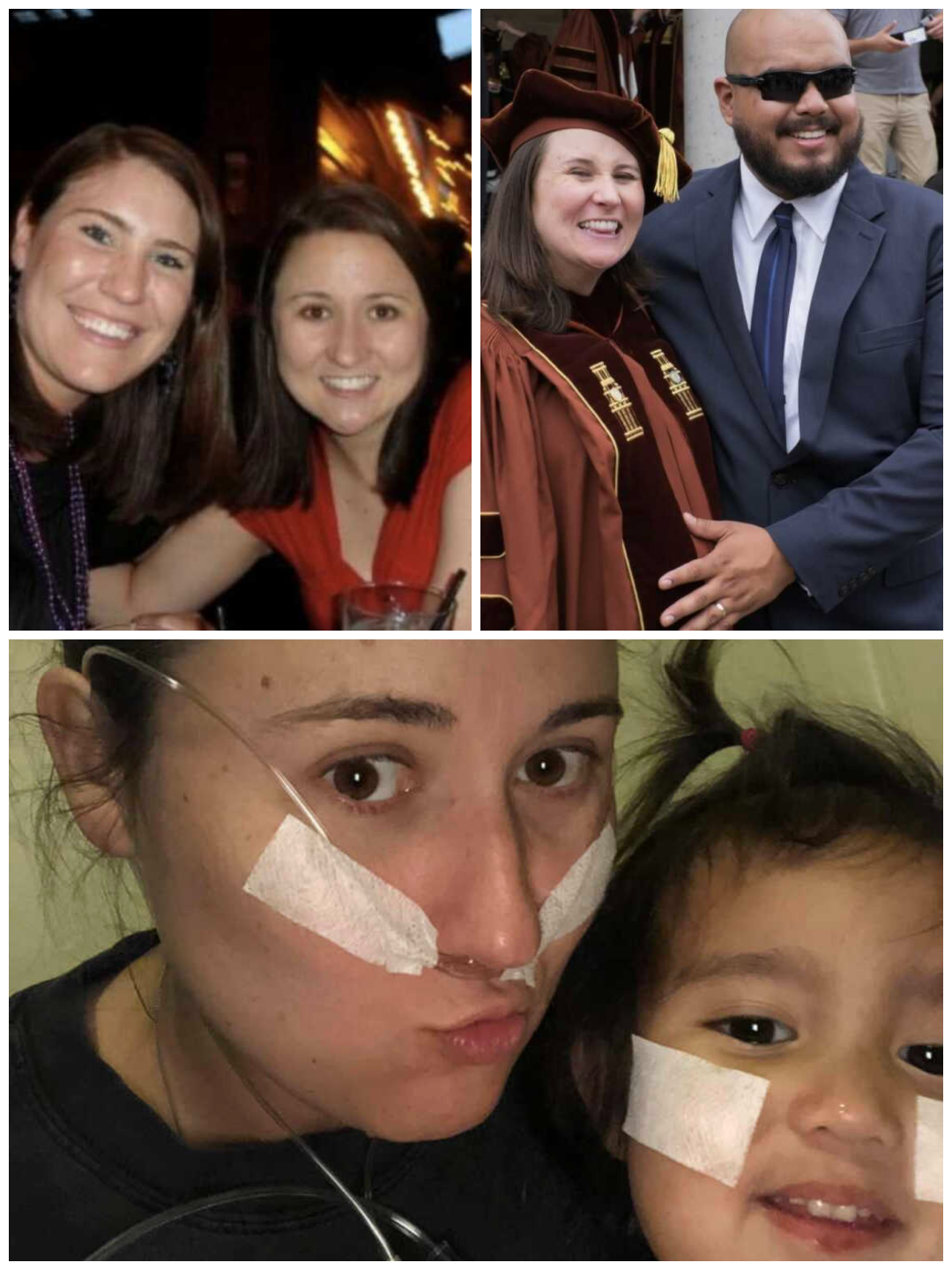
Six days after giving birth to her first daughter, Heather Gonzales sat in a recliner with her newborn at her breast and became convinced something impossible was happening.
She believed the baby was growing rapidly as she fed her, while her own body was shrinking and giving away its life force.
Then another terrifying thought took over: perhaps she was not really sitting in her living room at all. Maybe she was unconscious in a hospital somewhere, trapped inside her own mind and close to death.
Heather screamed for her husband, Edward.
When he rushed into the room, she pushed their newborn daughter, Shiloh, into his arms and began jumping and repeatedly insisting that she was not going to die.
It was the beginning of an acute postpartum mental health crisis that would lead to nearly a month in psychiatric hospitalization—and eventually transform Heather into an advocate determined to make sure other mothers with bipolar disorder understood risks she had not been prepared for.
Her Mental Health Struggles Had Begun Years Earlier
Heather’s experience did not begin with pregnancy.
Looking back, she could identify signs of intense anxiety stretching into childhood. Sleep had long been difficult, and she remembered becoming consumed by fears at night and putting enormous pressure on herself academically and athletically.
At 17, she began feeling disconnected from reality and started treatment for depression.
College brought increasingly severe depressive episodes. At one point, Heather took a leave of absence because her symptoms had become too difficult to manage.
After later attempting to discontinue antidepressants under medical supervision, her condition deteriorated severely. She experienced suicidal thoughts and eventually survived a suicide attempt involving medication.
At 23, a psychiatrist changed her diagnosis from major depressive disorder to bipolar II.
Years later, Heather came to believe bipolar I more accurately described her experiences because she eventually developed full manic episodes involving hallucinations and delusions.
Despite repeated setbacks, relationships remained one of her strongest sources of stability.
Friends supported her during depressive episodes. Her parents remained involved. And while working at a camp for children with special needs, Heather met two people who would become central to her life: her future husband, Edward, and one of her closest friends, Mary.


Pregnancy Brought a Risk They Did Not Fully Understand
In late 2015, Heather became pregnant with Shiloh.
Because of her psychiatric history, she and Edward expected postpartum depression could be a concern. Heather continued medications considered as safe as possible during pregnancy and remained in contact with the psychiatric nurse managing her care.
But Heather said nobody had adequately prepared her for postpartum psychosis.
That distinction became crucial.
About 48 hours before Shiloh’s delivery, painful contractions began. Heather and Edward went to labor and delivery three times before she was finally admitted.
Through all of it, Heather was not sleeping.
The birth itself was safe and uncomplicated.
Immediately afterward, Heather felt unusually powerful and energized rather than exhausted. Even though she had received an epidural, she described feeling an extraordinary high after delivering her daughter.
She still did not sleep.
After going home, another three nights passed without meaningful rest. Heather repeatedly woke Shiloh to breastfeed, watched her obsessively and sang lullabies to her.
By the sixth night, her perception of reality began collapsing.


The Hallucinations Became Impossible to Ignore
The episode in the recliner frightened both Heather and Edward.
The following morning, Heather voluntarily entered a psychiatric facility.
Edward suddenly found himself caring for their newborn without paternity leave while also trying to support his hospitalized wife.
Heather’s condition became more severe during treatment.
She described experiencing elaborate delusions in which she believed she was in hell, had harmed Shiloh, was connected to a school shooting, or that members of her family had died.
Because she was volatile and confused, she spent much of her hospitalization under close one-on-one observation.
Edward continued working and caring for their daughter, yet still brought Shiloh to see Heather every day.
Heather was often barely capable of holding or changing her baby.
Even so, the visits continued in hopes of preserving some connection between mother and daughter.
After 29 days in inpatient psychiatric care, Heather transitioned into a partial hospitalization program for another 10 days.
Then she returned home.
The crisis had eased.
Motherhood, however, still felt frighteningly unfamiliar.
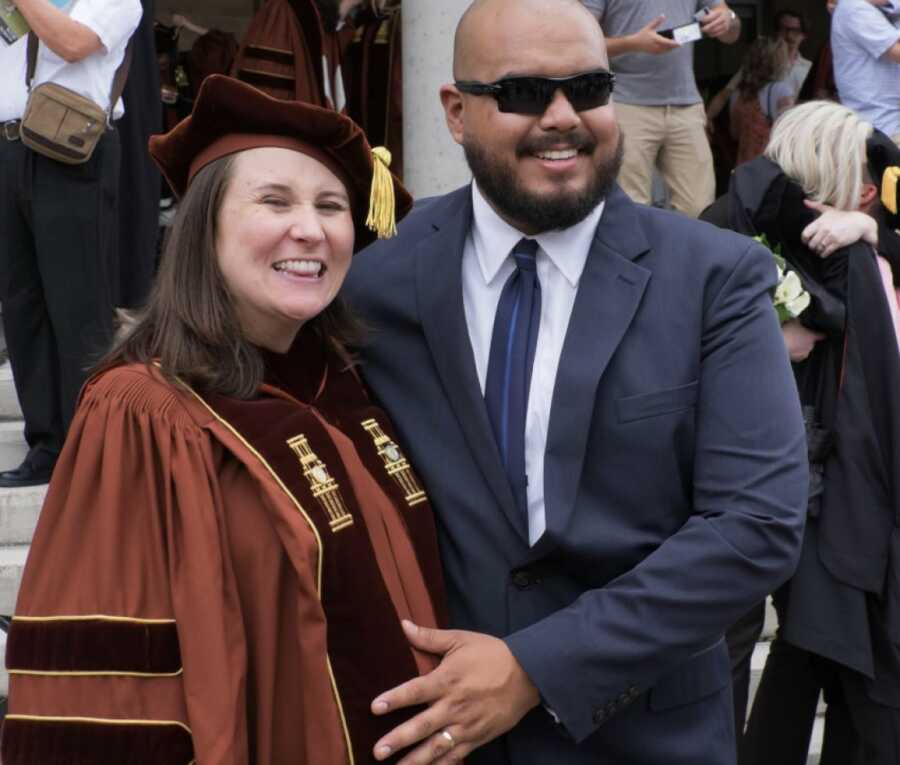
She Felt She Had Lost the Beginning of Motherhood
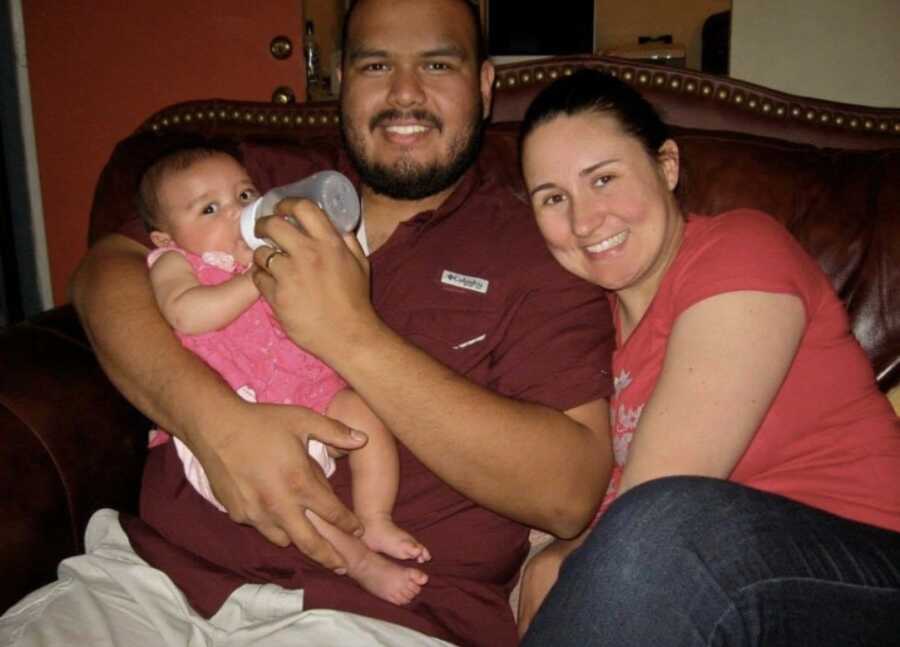
Heather struggled throughout much of Shiloh’s first nine months.
She believed the hospitalization had robbed her of the early bonding experience she expected to share with her newborn.
Breastfeeding and constant physical closeness had been disrupted. When Heather came home, she sometimes felt that her daughter barely knew her.
She described feeling like a terrible mother.
Eventually, the relationship began changing.
Heather and Edward later moved closer to her parents. She returned to work, and co-sleeping helped Heather feel increasingly connected to Shiloh.
For a period, life became more stable.
Then insomnia returned.
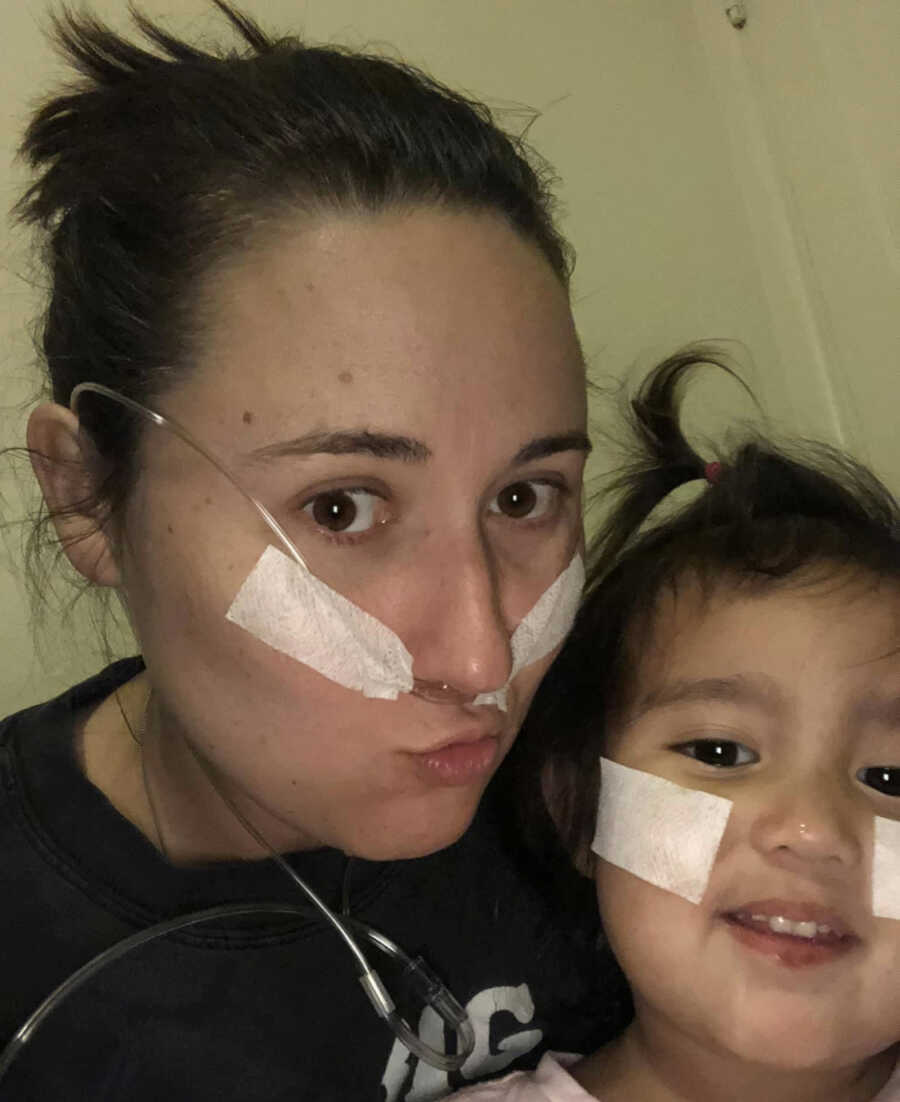
After several sleepless nights caused by work stress, Heather recognized warning signs and asked Edward to take her to a psychiatric hospital before the situation became dangerous.
This time, doctors identified a true manic episode involving tactile, auditory and visual hallucinations as well as delusional thinking.
The episode also affected her career, and Heather eventually lost her job after complications surrounding the period when she remained unwell.
She Turned Pain Into Something Other Mothers Could Use
After stabilizing, Heather began processing what had happened through writing.
She wrote and illustrated a postpartum picture book, You’re Doing a Great Job, Mama, contrasting the shame and inadequacy many new mothers feel with the unconditional way their babies experience them.
Creating the book helped Heather make peace with parts of her early experience with Shiloh.
She also began writing publicly about mental illness.
For several years, however, one fear remained powerful: becoming pregnant again.
Heather and Edward wanted Shiloh to have a sibling, but Heather was terrified another pregnancy could trigger the same psychiatric nightmare.
She initially decided she would not risk it.
Then, when Shiloh was 4, seeing her friend Mary become pregnant prompted Heather to reconsider.
She spoke with her medical team.
Her psychiatrist believed another pregnancy could potentially be managed differently if Heather remained on appropriate medication and, crucially, protected her sleep after delivery.
Seven months after raising the idea with Edward, Heather was pregnant again.

Her Second Pregnancy Came With an Entire Safety Plan
This time, Heather entered childbirth surrounded by preparation.
At 19 weeks, she changed obstetricians and found a doctor who recognized how deeply traumatized she remained by her first postpartum experience.
Her OB and psychiatrist worked together.
Medication was adjusted carefully.
Appointments were scheduled frequently.
Heather’s husband, parents and friends prepared alongside her.
Edward would handle nighttime duties during the first two or three weeks after delivery, when Heather believed her risk was greatest.
The family planned multiple postpartum appointments, and Heather had to meet with psychiatric professionals before leaving the hospital.
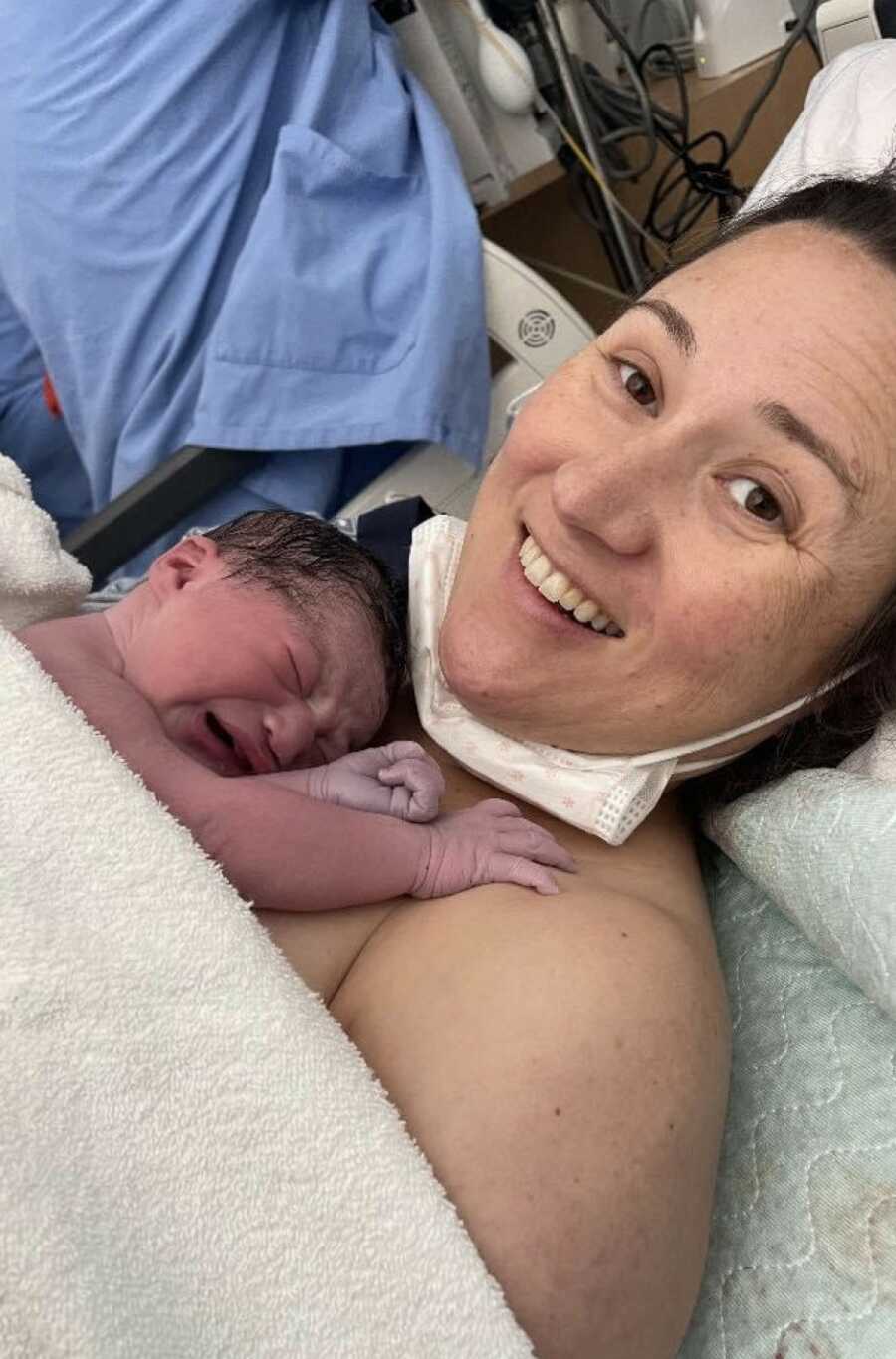
Her second daughter, Vida, was born after an induction when Heather was 36.
The first night brought something that felt almost miraculous.
Heather slept four hours.
But insomnia returned the following night, followed by panic attacks and emerging delusional thoughts after she went home.
Heather recognized the warning signs immediately.
Edward contacted her psychiatrist at 4 a.m.
Medication was adjusted aggressively, with the goal of making Heather sleep and preventing the crisis from becoming another episode like the one after Shiloh’s birth.
This Time, She Was Able to Stay With Her Baby
Heather still experienced manic symptoms.
She became irritable, sometimes spoke aggressively to people she loved and spent excessive amounts of money.
But the outcome was dramatically different.
She did not descend into the severe psychosis and prolonged hospitalization she had experienced after Shiloh’s birth.
Most importantly to Heather, she remained present enough to bond with Vida during the newborn period.
Her family understood how deeply she grieved missing those early weeks with Shiloh, so they worked together to protect her mental health while keeping her connected to the new baby.
For Heather, the contrast between the two births revealed the importance of preparation, sleep, informed medical care and a support network that understood her psychiatric history.
It also gave her a new mission.
The Diagnosis She Once Hid Became the Story She Refused to Stop Telling
Heather began focusing her writing and social media work on maternal mental health.
She connected with women who had experienced perinatal mood disorders and became involved with groups working on education, support and policy surrounding maternal mental health.
She wanted women with bipolar disorder to understand that postpartum mental illness can extend far beyond depression.
She also wanted mothers to know that protecting their mental health may sometimes need to take priority over expectations surrounding breastfeeding or the image of a “perfect” postpartum experience.
Most of all, Heather wanted to attack the shame she had carried for years.
She once saw bipolar disorder as a label that marked someone as unstable.
After surviving depression, mania, psychosis, hospitalization and two very different postpartum experiences, she no longer wanted silence to control the conversation.
Her first daughter’s birth led to six sleepless nights and a terrifying break from reality.
Her second came with doctors, family and a carefully constructed safety net.
The difference convinced Heather that knowledge and support could matter enormously.
She could not rewrite what happened after Shiloh was born.
But she could speak openly enough that another mother might recognize the warning signs earlier, prepare differently and understand that needing psychiatric help does not erase her worth as a parent.
For Heather, that became the purpose hidden inside the most frightening chapter of her life: turning a story she once felt ashamed to tell into one she hoped would make someone else feel less alone.