🦠 U.S. Humanitarian Worker Tests Positive for Ebola While Serving in Democratic Republic of Congo
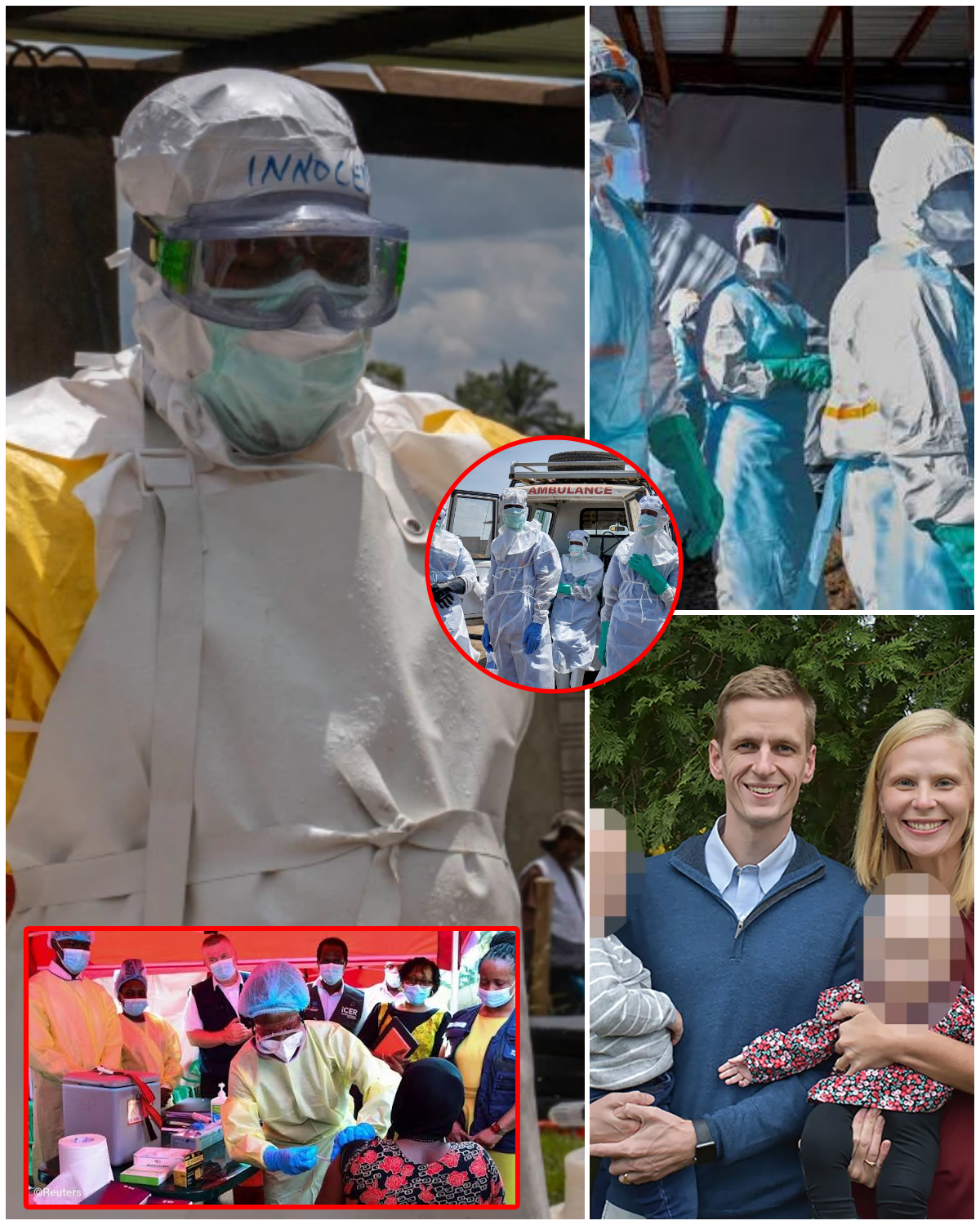
A U.S. citizen working for a humanitarian organization in the Democratic Republic of Congo (DRC) has tested positive for the Bundibugyo strain of the Ebola virus, according to the U.S. Centers for Disease Control and Prevention (CDC).
The announcement comes as the ongoing Ebola outbreak in the DRC continues to grow, with health officials reporting more than 1,800 confirmed infections and hundreds of deaths.
CDC Monitoring the Situation
In a statement released Friday, the CDC confirmed that the American humanitarian worker had contracted the virus while serving in the Democratic Republic of Congo.
The agency said it is working closely with the individual’s employer, other U.S. government agencies, and public health partners in the DRC to help prevent further transmission of the disease and identify anyone who may have had high-risk contact with the patient.
Officials have not released additional information about the individual’s identity or condition.
Outbreak Continues to Expand

Government data released in the Democratic Republic of Congo showed that the number of confirmed Ebola cases has reached 1,830, including 648 deaths.
Health authorities continue to focus their response on affected communities while attempting to limit the spread of the virus through surveillance, treatment, and contact tracing.
Risk to the United States Remains Low
Despite the confirmed infection involving an American citizen, the CDC emphasized that no Ebola cases have been identified within the United States.
According to the agency, the current outbreak remains limited to remote areas of the Democratic Republic of Congo and neighboring Uganda.
As a result, the CDC continues to assess the overall risk to the American public and international travelers as very low.
Previous American Patient Recovered
The latest case follows another infection involving an American humanitarian worker earlier this year.
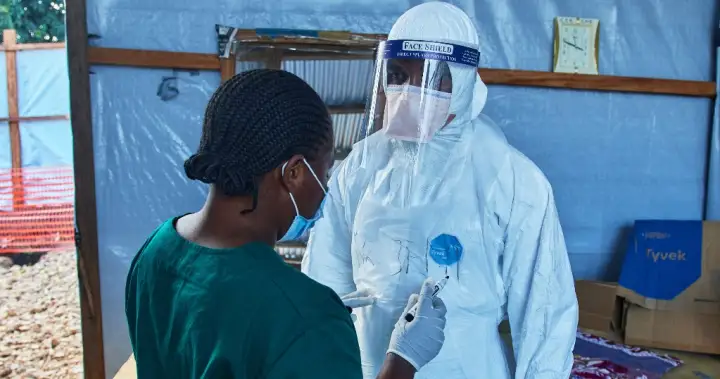
In May, international Christian medical organization Serge announced that missionary physician Dr. Peter Stafford tested positive for Ebola after developing symptoms while working in the Democratic Republic of Congo.
Stafford, who had been living in the country with his wife, Dr. Rebekah Stafford, and their four young children since 2021, was evacuated to Berlin, Germany, where he received treatment in isolation.
His wife, another physician, and the couple’s children were closely monitored for signs of infection during the incident.
Recovery After Serious Illness
Following his recovery, Dr. Stafford described the experience as physically demanding.
He recalled suffering from a high fever, severe weakness, and periods when he struggled even to walk without assistance.
His wife later spoke about the emotional challenges the family faced, especially explaining the situation to their children, who were told they could not hug or visit their father while he remained in quarantine.
She also reflected on the contrast between the extensive international medical support available to her husband and the more limited healthcare resources available to many local residents in the Democratic Republic of Congo.
Despite the difficult experience, the family said their children have adjusted well following the ordeal.
Ebola Reported Outside Africa
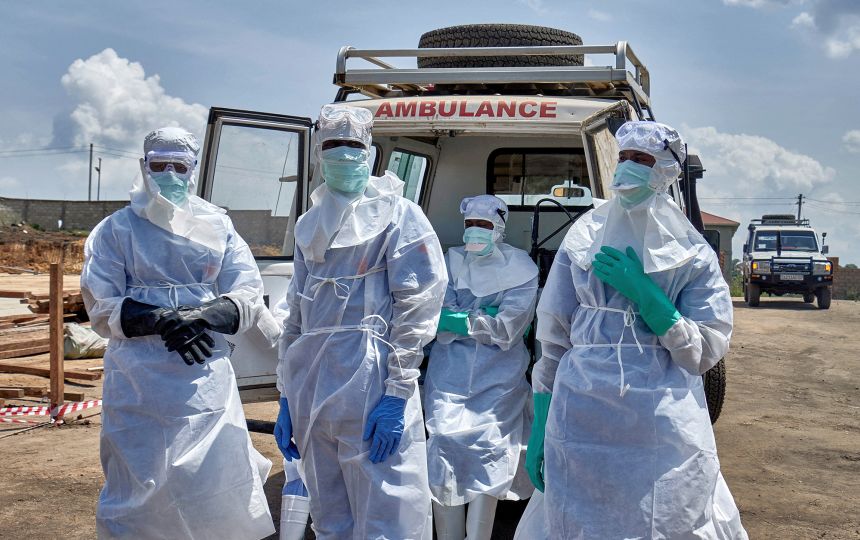
Last month, health officials confirmed the first Ebola case outside Africa linked to the current outbreak.
French authorities announced that another humanitarian worker tested positive after returning to France from a mission in the Democratic Republic of Congo.
The patient became the first confirmed Ebola case reported in France associated with the ongoing outbreak.
Continued International Response
Health organizations continue to monitor the situation closely as efforts focus on containing transmission within affected regions.
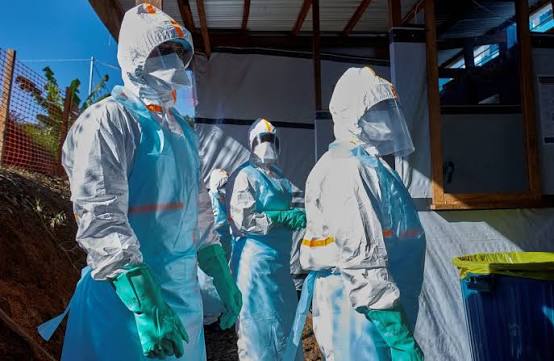
International agencies remain engaged in supporting surveillance, patient care, contact tracing, and public health measures designed to prevent the virus from spreading beyond the current outbreak areas.
While officials continue to monitor developments carefully, public health authorities stress that the risk of widespread international transmission remains low at this time.
Source: edition.cnn.