Sydney Towle’s Final Message Was Simple: Choose Kindness Because You Never Know What Someone Is Carrying
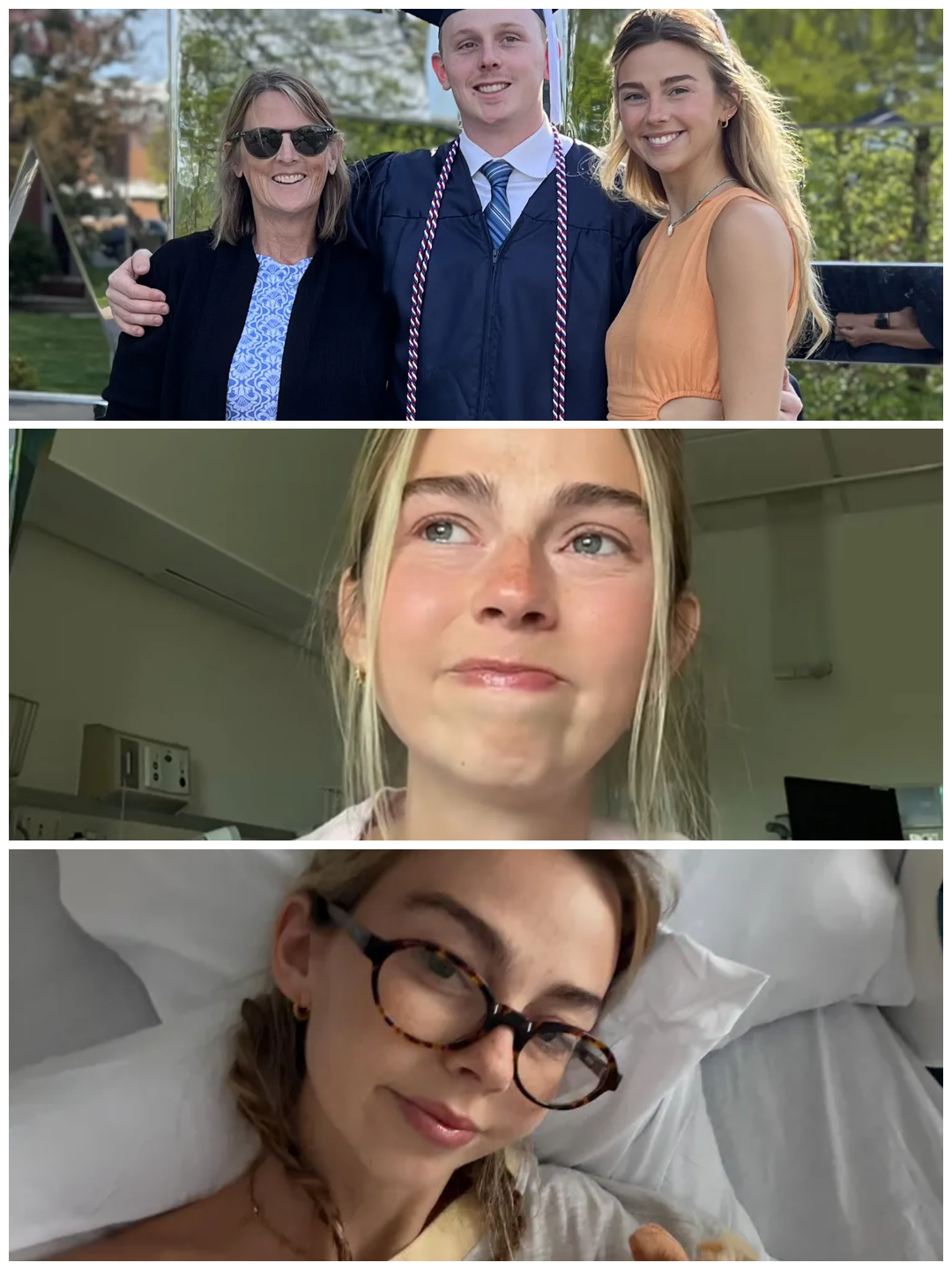
Eight months before her death, Sydney Towle was asked to imagine something most 25-year-olds rarely have reason to consider: If she could make one final video, what would she want people to hear?
Towle did not focus on cancer, fear or everything illness had taken from her.
Her answer was remarkably simple.
“Treat people with kindness.”
The social media creator, who spent three years publicly documenting her life with a rare form of bile duct cancer, died on Wednesday, Aug. 5, 2026. She was 26. In the days surrounding her death, a November 2025 conversation resurfaced, giving new emotional weight to words she had shared months earlier about compassion, empathy and the way one small act can change another person’s day.
She Had Already Thought About Her Last Message
Towle discussed the idea during an appearance on Danielle Robay’s Question Everything podcast in November 2025.
The episode centered on the extraordinary reality of facing cancer at such a young age. But when Towle considered what she might say if she knew she were recording her final message, she did not offer a complicated philosophy about life.
She returned to kindness.
Towle explained that people rarely know the full story of what someone else is experiencing. A person who appears fine may be facing fear, grief, illness or another private struggle invisible to everyone around them.
Because of that uncertainty, she believed compassion mattered.
A little positivity, she said, could have an impact far beyond the moment in which it was offered. Something as small as treating another person gently could improve that person’s day—or even stay with them for much longer.
At the time, the conversation was an expression of how Towle had come to view life while dealing with serious illness.
After her death, those words became something more: a message left behind.
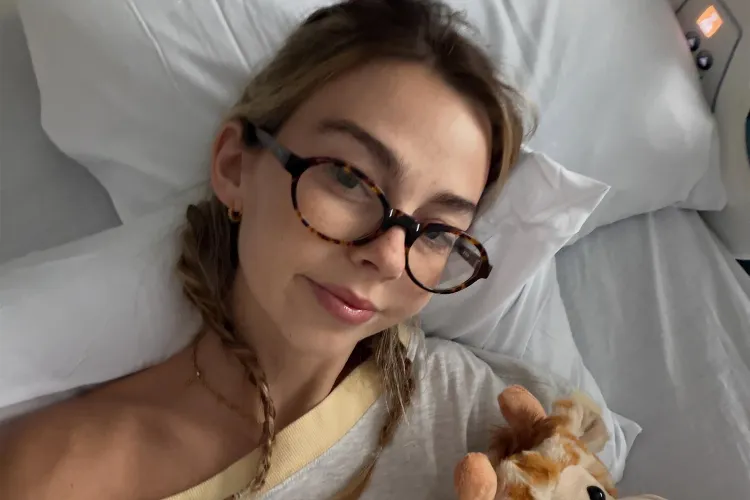
Cancer Entered Her Life at Just 23
Towle was only 23 when she was diagnosed with cholangiocarcinoma, a rare cancer affecting the bile ducts.
The diagnosis placed her in an unusual position from the beginning. The disease is far more commonly associated with older adults, yet Towle was confronting it decades earlier than most patients.
Over the next three years, she allowed people online to follow parts of that experience.
Her presence on social media became closely connected to her cancer journey, but she continued sharing more than medical updates. Her public story also became about trying to remain hopeful while living with an illness that repeatedly challenged that hope.
That openness allowed followers to witness both determination and vulnerability.
It also meant that when her condition worsened, many people who had followed her journey understood just how hard she had fought.
A Conversation With Her Doctor Changed Everything
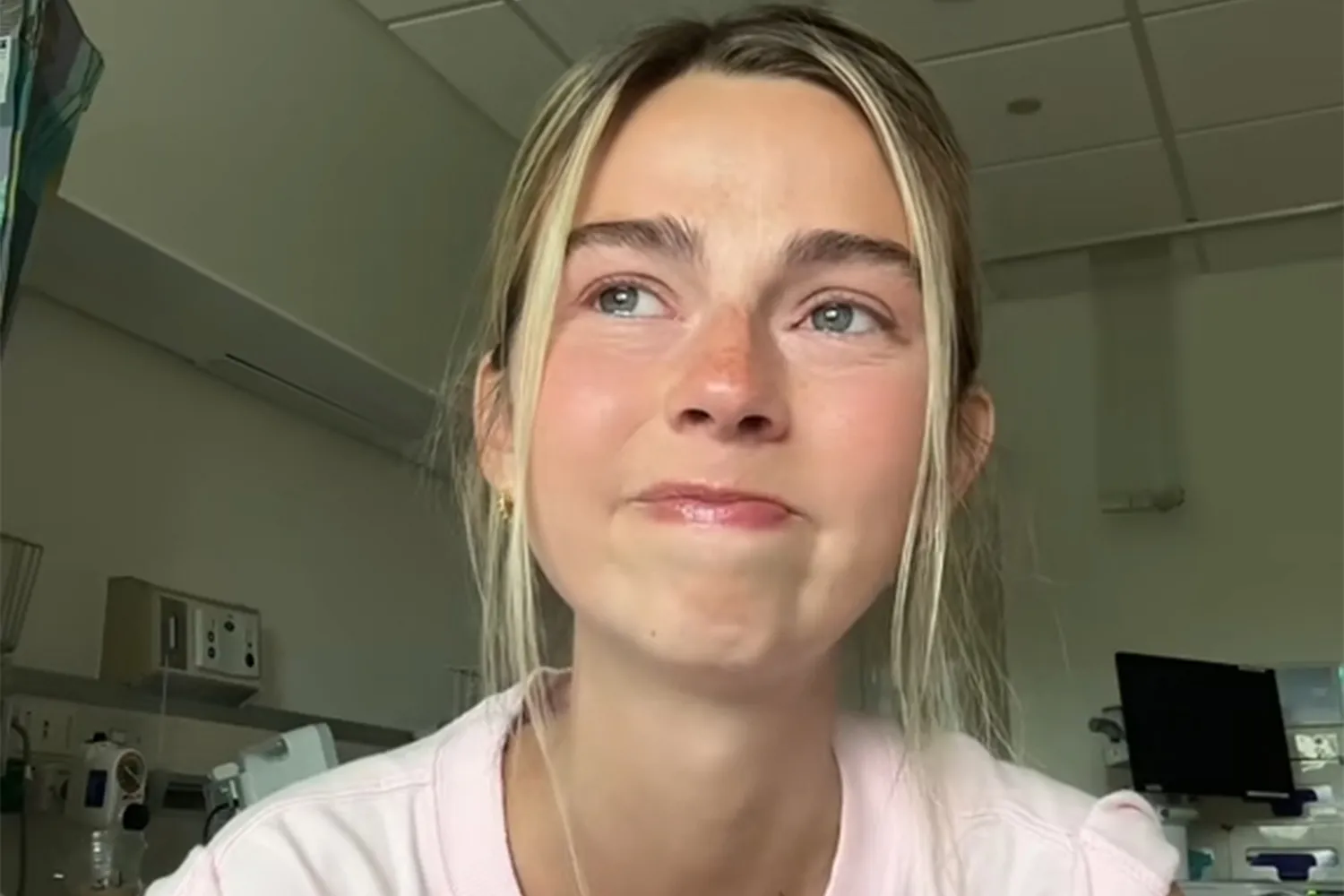
One of the most difficult turning points came in May 2026.
Towle later recalled meeting with a doctor expecting to discuss what would happen next with treatment.
Instead, she said the physician would no longer continue treating her and suggested that the time had come to consider end-of-life care.
Towle described being completely shocked.
She and her mother had entered the conversation expecting another treatment discussion, not a recommendation involving hospice or the final stage of her life.
According to Towle, no one had previously presented hospice as the direction they were moving toward. The abrupt change forced her and her family to confront a possibility they had not expected to face that morning.
Even then, her story did not immediately become one of surrender.
She continued navigating the illness while the people around her tried to balance hope with the growing reality of how advanced the cancer had become.
Her Brother Remembered How Long She Kept Fighting
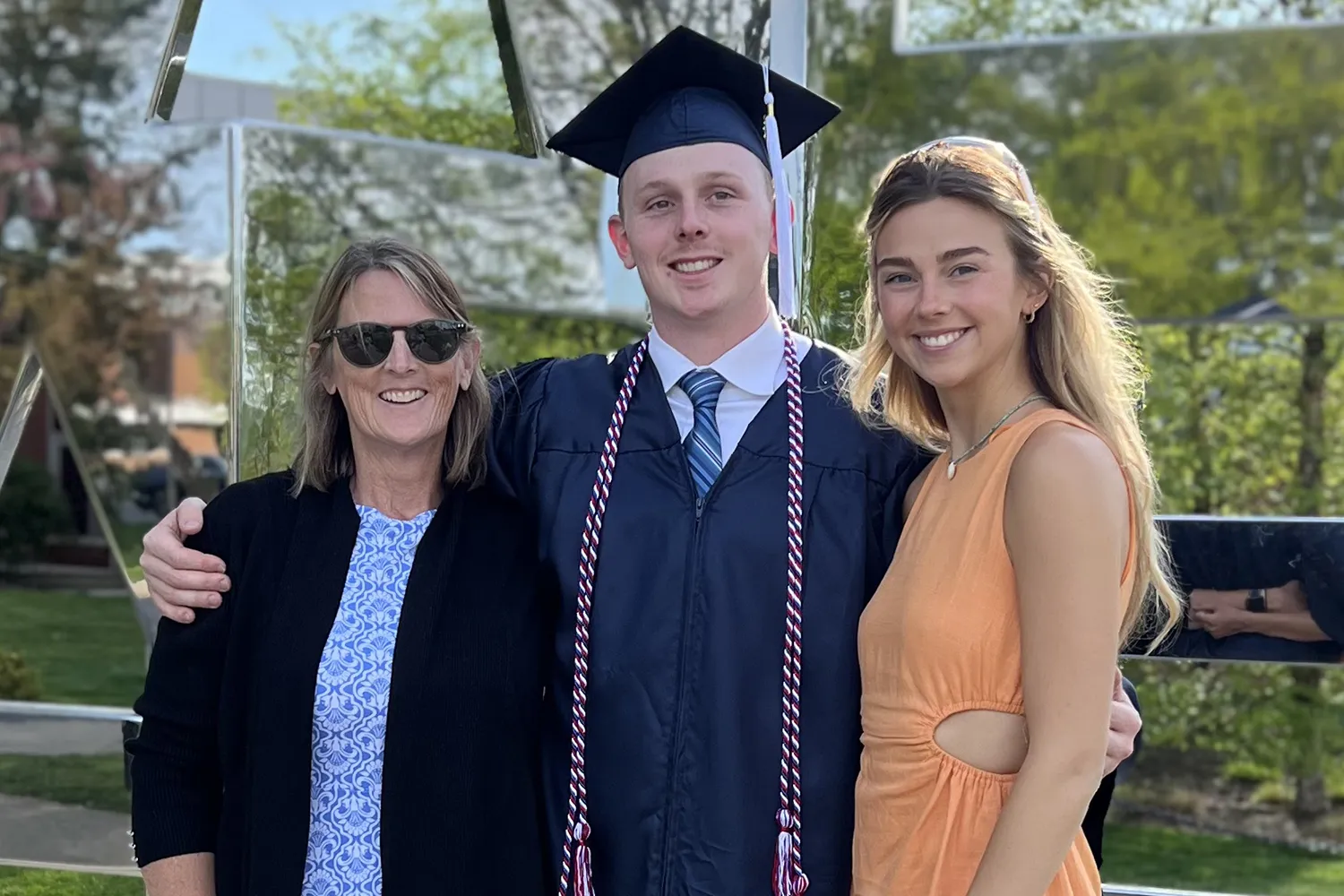
After Towle’s death, her brother Austin spoke about the final period of her life.
By the time hospice became necessary, he said, her cancer had progressed so far that comfort had become the priority.
But the memory he wanted people to keep was not simply of his sister entering end-of-life care.
It was of how long she resisted giving up.
Austin said Sydney continued fighting until she had reached the point where she could no longer continue physically, mentally or emotionally.
His message reflected the same determination that had defined much of her public journey: maintain hope for as long as hope remains possible.
That determination makes Towle’s earlier comments about kindness especially striking.
She knew personally how dramatically someone’s life could change without strangers necessarily understanding what was happening behind the scenes.
Illness had made the invisible struggles of others feel important to her.
Instead of using that experience to argue that people should feel sorry for her, she used it to encourage them to become more considerate toward everyone else.
Her Family Announced Her Death With a Sunlit Photograph
Towle’s family announced on Thursday, Aug. 6, that she had died the previous day.
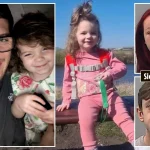
They shared a photograph of Sydney standing on a mountaintop, smiling as sunlight shone behind her.
The image was accompanied by a tribute remembering her as a daughter, sister and friend, as well as an “endless ray of sunshine.”
Her family also expressed pride in how hard she had fought.
It was a fitting image for someone whose final public message had centered not on darkness, but on the possibility of giving another person a little more light.
Her Message Became Bigger After Her Death
Towle never claimed that kindness could solve cancer or remove the hardest parts of life.
Her point was smaller—and perhaps more practical.
People cross paths every day without knowing what the person beside them is carrying.
Someone may be frightened.
Someone may be grieving.
Someone may have just received news that changes everything.
And sometimes the person struggling is still smiling.
Towle understood that reality intimately.
Her cancer diagnosis came at 23. For three years, she faced treatments, uncertainty and eventually conversations about the end of her life while remaining visible to an online audience.
Yet when asked what she wanted people to remember, she did not center herself.
She centered how they treated one another.
That may be why the November 2025 interview feels so different after Aug. 5, 2026.
Towle was speaking hypothetically when she imagined making one last video.
She could not know precisely when those words would become part of her legacy.
But the message she chose required no revision.
Be compassionate. Be empathetic. Offer positivity when you can, because the stranger in front of you may be facing something you cannot see.
Sydney Towle spent her final years confronting an illness few people her age ever expect to encounter.
What she wanted to leave behind was not a lesson about dying.
It was a reminder about how to live with other people while they are still here.