The Night the Music Fell Silent: Inside Janis Joplin’s Final Hours at the Landmark Hotel
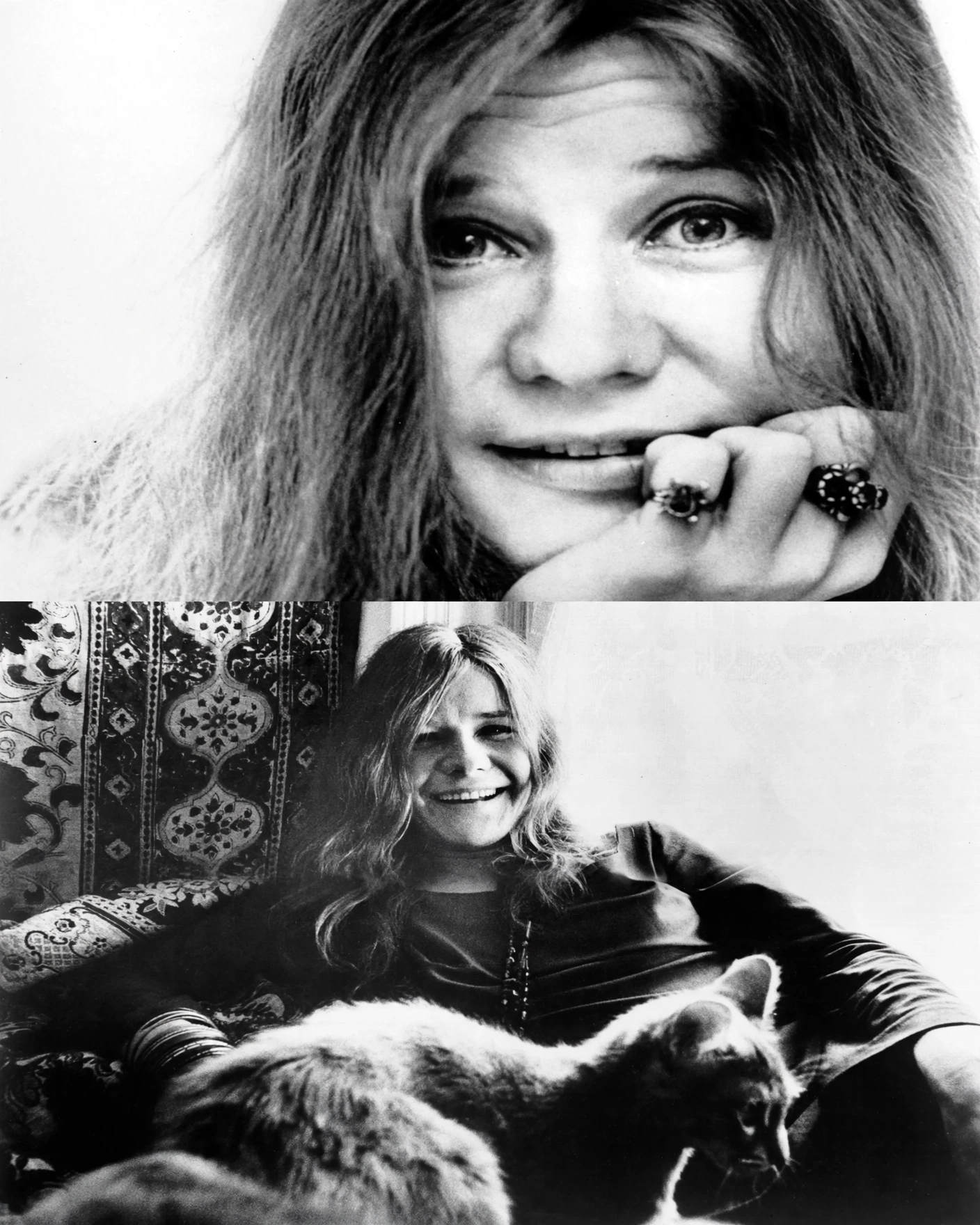
The hallway was quiet. No crowds, no music, no echo of applause—just a closed door at the end of a corridor in Los Angeles.
Inside that room at the Landmark Hotel, one of the most powerful voices of a generation had fallen silent.
Janis Joplin had spent her life filling spaces with sound—raw, emotional, unforgettable. But on that final night in October 1970, there was only stillness. No one knew that the energy she had given the world for years had reached its end behind that door.
Just days earlier, she had been in the studio.
Joplin was in the middle of recording what would become her final album, Pearl. It was a period that many close to her described as one of renewed focus. Her voice was as strong as ever, and her performances carried a depth shaped by everything she had lived through—success, heartbreak, and constant pressure.
There was a sense that she was entering a new chapter.
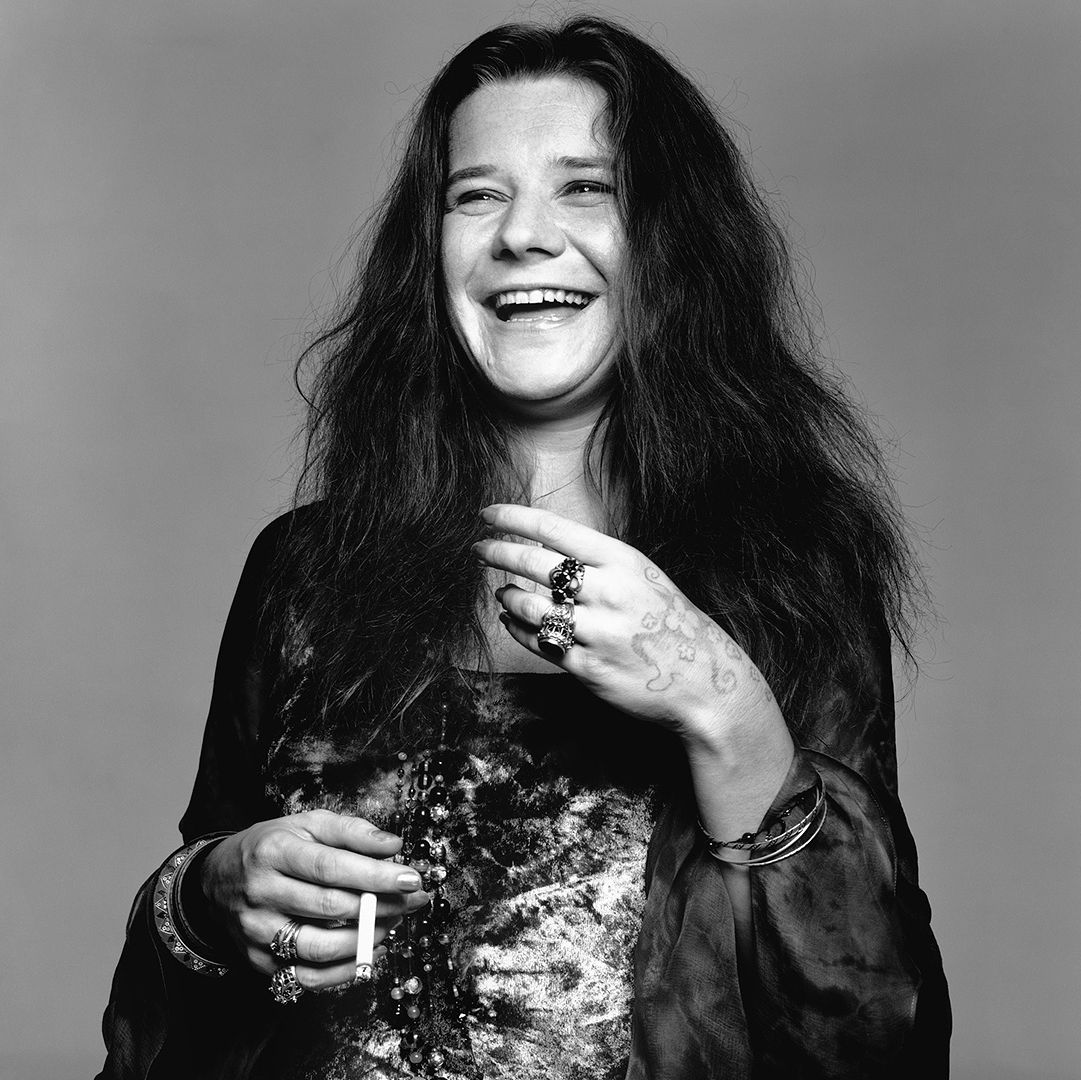
Her music had always been more than performance. It was expression—unfiltered, vulnerable, and powerful. Audiences didn’t just listen to her; they felt her. Every note carried something personal, something real.
That authenticity made her unforgettable.
But it also came at a cost.
Behind the spotlight, Joplin’s life had never been easy. Fame arrived quickly, but it did not bring stability. The expectations of the industry, the demands of constant attention, and the struggle to maintain personal balance created a tension that followed her throughout her career.
She was surrounded by people, yet often felt alone.
Those close to her knew that beneath the confidence and bold stage presence was someone searching—for connection, for acceptance, for peace. Music became both her escape and her identity, a place where she could be fully herself even when the world around her felt uncertain.
In the days leading up to her final night, she appeared engaged in her work.
Recording sessions continued, and there were plans for what would come next. She was not a fading star—she was still creating, still pushing forward, still giving everything to her art.
That is what made the sudden silence so difficult to comprehend.
On October 4, 1970, concern began to grow when Joplin failed to appear for a scheduled recording session. It was unusual enough to raise alarm. When her manager went to check on her at the Landmark Hotel, the truth became unavoidable.
Janis Joplin had died.
She was 27 years old.
The news spread quickly, sending shockwaves through the music world. Fans, fellow musicians, and those who had worked alongside her struggled to process what had happened. Just days earlier, she had been recording, laughing, creating.
Now, there was only the echo of her voice left behind.
Her death marked the loss of not just a singer, but a presence.
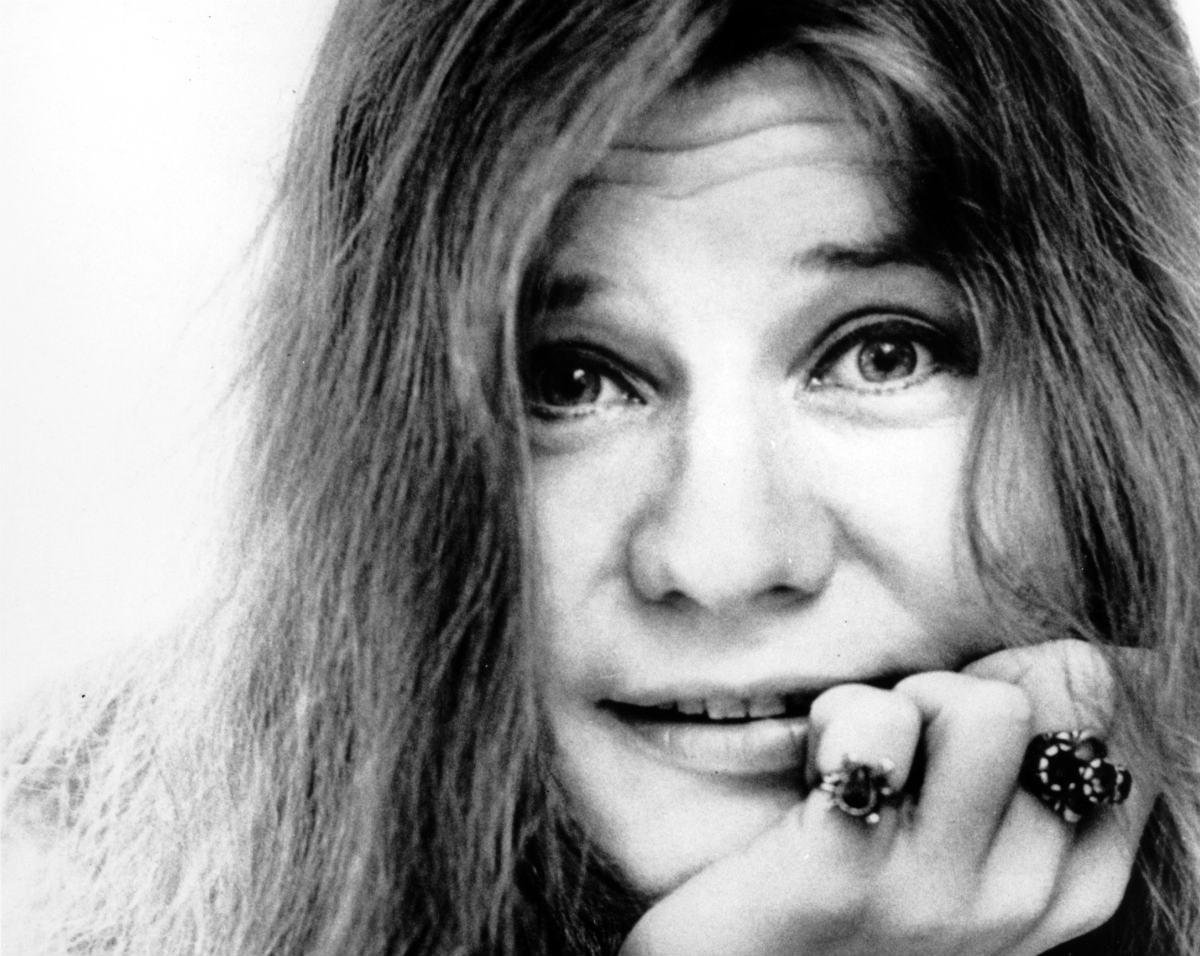
Joplin had been part of a cultural movement that defined an era. Her performances captured the spirit of the late 1960s—freedom, rebellion, emotion, and intensity. She did not follow expectations; she reshaped them.
Her voice, often described as both powerful and fragile, carried a kind of honesty that could not be imitated.
It connected.
It stayed with people.
And it still does.
The album she had been working on at the time of her death, Pearl, would later be released and become one of her most celebrated works. Songs from that record carried a different weight, shaped by the knowledge that they were part of her final recordings.
They became more than music.
They became a farewell.
For those who listened, there was something haunting about it—the realization that the voice pouring through the speakers had been captured just days before everything changed.
In the years since, Janis Joplin’s story has been remembered as both inspiring and heartbreaking.
She rose from an outsider to one of the most recognized voices in music. She challenged norms, embraced individuality, and gave everything she had to her art. But she also lived with the pressures that often come with that level of visibility.
Her life reflected both extremes.
Joy and pain.
Connection and loneliness.
Strength and vulnerability.
The quiet room at the Landmark Hotel became part of that story—a place where everything stopped, even as her music continued to live on.
It is easy to remember Janis Joplin for her performances, her energy, her unforgettable voice.
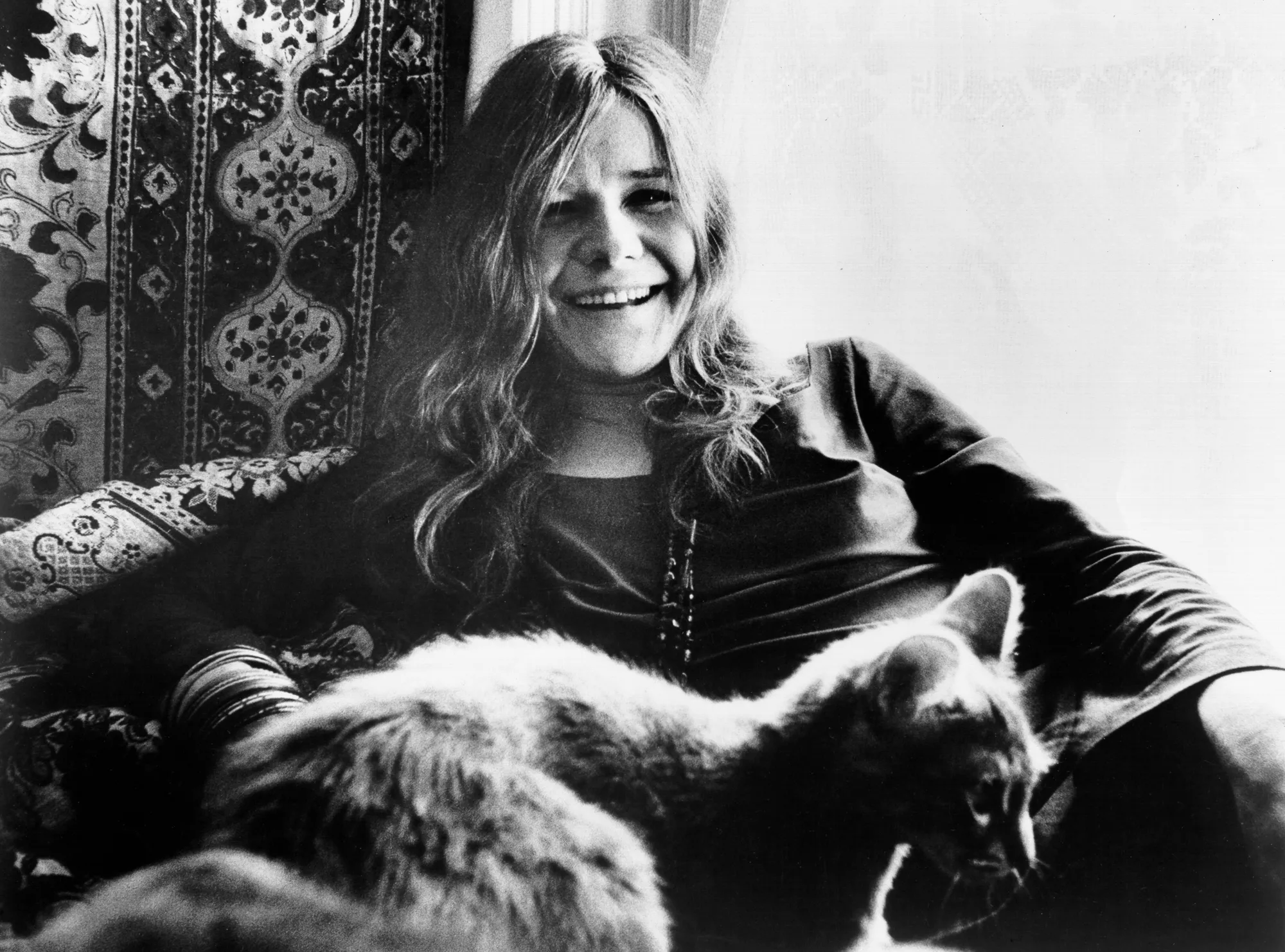
But moments like that final night remind us of something deeper.
Behind the sound was a person.
Someone who felt deeply, who lived intensely, and who gave the world something real.
The silence that followed her passing did not erase her presence.
If anything, it made it louder.
Because long after the music stopped in that hotel room, her voice never truly did.