Their Differences Never Stopped Them From Becoming Extraordinary

For a long time, Hollywood treated Deafness as something that needed to be explained.
These performers showed that it simply needed to be understood.
Marlee Matlin, Troy Kotsur and Lauren Ridloff came from different generations and built very different careers. But each of them challenged the same old assumption:
That a person needs a conventional voice to make an unforgettable impact.
Marlee Matlin: The Door Opener
In 1987, Marlee Matlin made history when she won the Academy Award for Best Actress for Children of a Lesser God.
She was only 21.
More importantly, she became the first Deaf performer to win an acting Oscar.
For a young Deaf person watching from home, that image carried a message far bigger than the award itself.
A Deaf actress could lead a major movie.
She could compete at the highest level.
She could stand on the biggest stage in Hollywood.
And she didn’t have to hide who she was to do it.
Matlin’s career continued for decades, helping make Deaf performers more visible and showing the entertainment industry that authentic representation could belong in mainstream stories.
She wasn’t simply breaking a barrier for herself.
She was helping make the barrier easier for someone else to break.
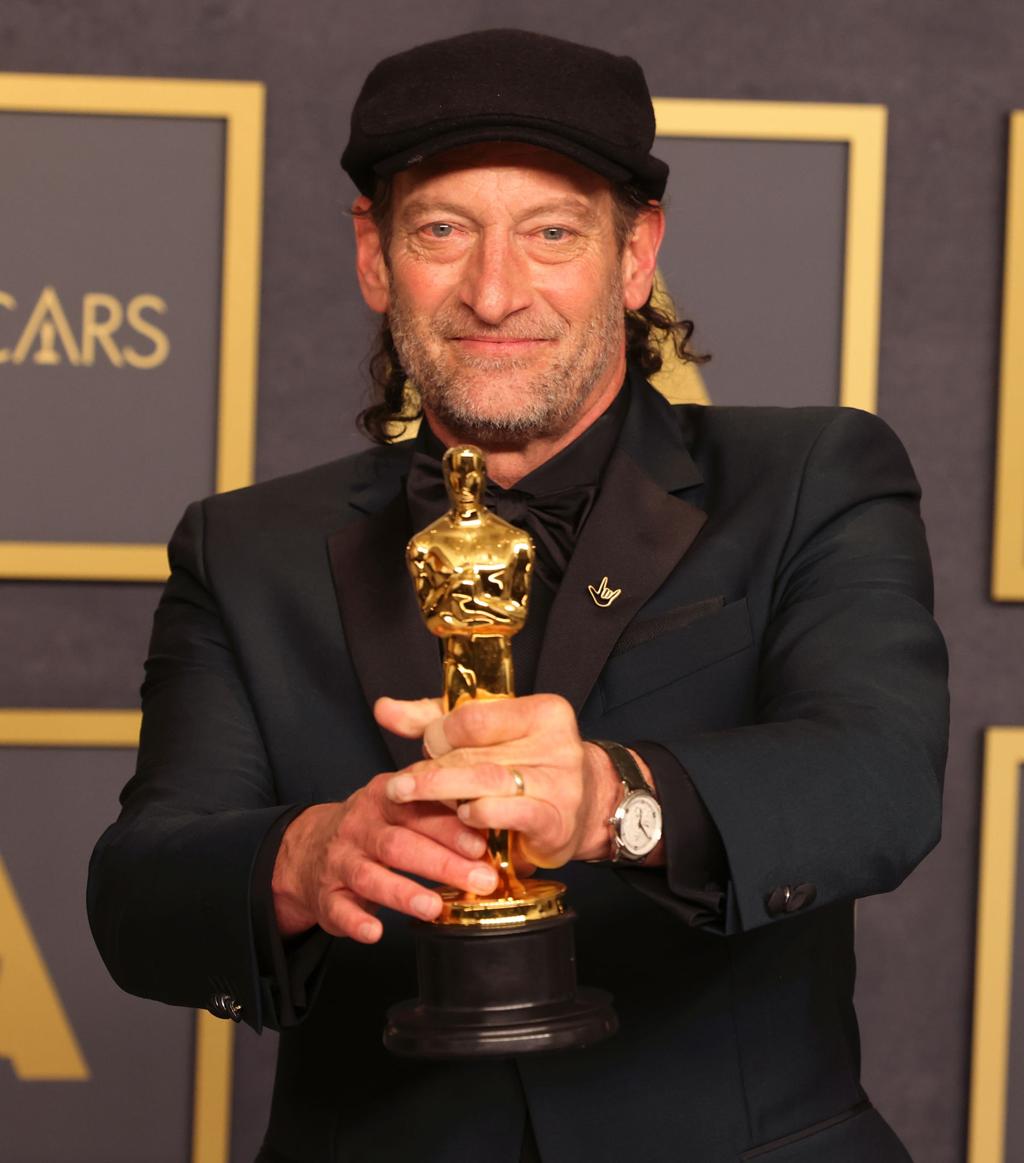
Troy Kotsur: Turning Representation Into Recognition
Decades later, Troy Kotsur created another historic moment.
His performance as Frank Rossi in CODA earned him the Academy Award for Best Supporting Actor in 2022, making him the first Deaf male actor to win an acting Oscar.
But what made his performance so powerful wasn’t simply the fact that he was Deaf.
It was that he was allowed to be completely human.
Frank was a father.
He was funny.
He was stubborn.
He was loving.
He had fears and frustrations.
His entire identity wasn’t reduced to his disability.
And that is what authentic representation can look like.
A character doesn’t have to be perfect to be inspiring.
They simply need to be allowed to exist as a complete person.
Kotsur’s Oscar became another reminder that Deaf actors weren’t asking Hollywood for sympathy.
They were proving they had the talent to earn the industry’s highest recognition.
Lauren Ridloff: A Deaf Hero in a Superhero World
Then came Lauren Ridloff.
Her journey took Deaf representation somewhere very different.
The Marvel Cinematic Universe.
As Makkari in Eternals, Ridloff became the first Deaf superhero in the MCU.
Suddenly, audiences weren’t seeing a Deaf character only in a family drama or a story specifically about disability.
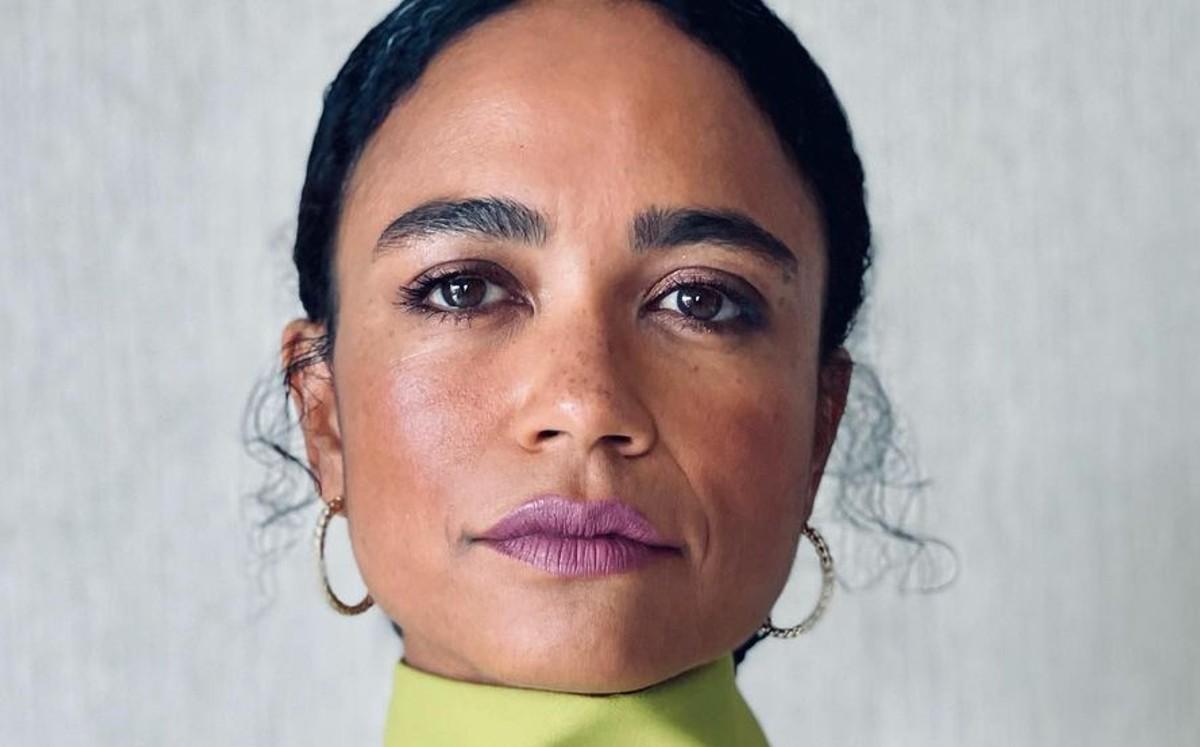
They were seeing a Deaf superhero.
Makkari was powerful.
She was incredibly fast.
She was confident.
And she communicated through American Sign Language.
Her Deafness wasn’t presented as something that prevented her from being extraordinary.
It was simply part of who she was.
That mattered.
Because when a Deaf character can stand alongside superheroes without the story constantly treating their Deafness as a problem, audiences begin to see disability differently.
Not as a weakness.
Not as something that needs to be overcome.
But as one part of a person’s identity.
Different Generations, One Powerful Message
Marlee Matlin.
Troy Kotsur.
Lauren Ridloff.
Three different careers.
Three different generations.
Three very different stories.
But their journeys form a remarkable progression.
One helped prove that a Deaf actress could win an Oscar.
Another proved that a Deaf actor could do the same.
Another brought Deaf representation into the world of superheroes.
And each achievement made the next one easier to imagine.
That’s the power of representation.
A young person sees someone like them succeed and realizes that the future might be bigger than they thought.
Maybe they can become an actor.
Maybe they can become an athlete.
Maybe they can become a director, a doctor, a teacher or anything else they dream of becoming.
The person on the screen doesn’t have to live the same life.
They just have to make the dream feel possible.
They Never Asked the World to Feel Sorry for Them
Perhaps the most inspiring thing about these performers is that their stories aren’t about asking for pity.
They are about opportunity.
Give someone the opportunity to learn.
Give them the opportunity to work.
Give them the opportunity to compete.
Give them the opportunity to tell their own story.
Then let their talent speak for itself.
That is what these performers have done.
They didn’t erase the challenges that come with being Deaf.
They simply refused to let those challenges become the definition of their lives.
Their hands became part of their storytelling.
Their expressions became part of their performances.
Their experiences became part of what made their work authentic.
And audiences learned to pay attention in a different way.
A Lesson That Goes Beyond Hollywood
Their stories aren’t only for people who want to become actors.
The message is much bigger.
Everyone has something that makes their journey harder.
Maybe it’s a disability.
Maybe it’s a lack of confidence.
Maybe it’s rejection.
Maybe people around you don’t believe in your dream.
Sometimes the hardest part isn’t the obstacle itself.
It’s believing that you can still move forward while carrying it.
The lives and careers of these performers offer a simple reminder:
You don’t have to be exactly like everyone else to succeed.
You don’t have to follow someone else’s path.
You don’t have to hide the things that make you different.
And you certainly shouldn’t allow someone else’s limited expectations to become your own.
The world may see a barrier.
You may see a reason to keep going.
And sometimes, the thing people once thought would hold you back becomes the very thing that makes your story unforgettable.
Marlee Matlin opened the door.
Troy Kotsur walked through it and made history.
Lauren Ridloff carried that representation into a new universe.
And the story continues with every person who watches them and thinks:
“If they can do it, maybe I can too.”
They may not hear every sound the world makes.
But through their talent, courage and determination, they have given the world something worth listening to.
A reminder that your limitations do not get to decide your potential.