They Searched Through the Night for 5-Year-Old Saylor Hayes. By Morning, the Hope Was Gone
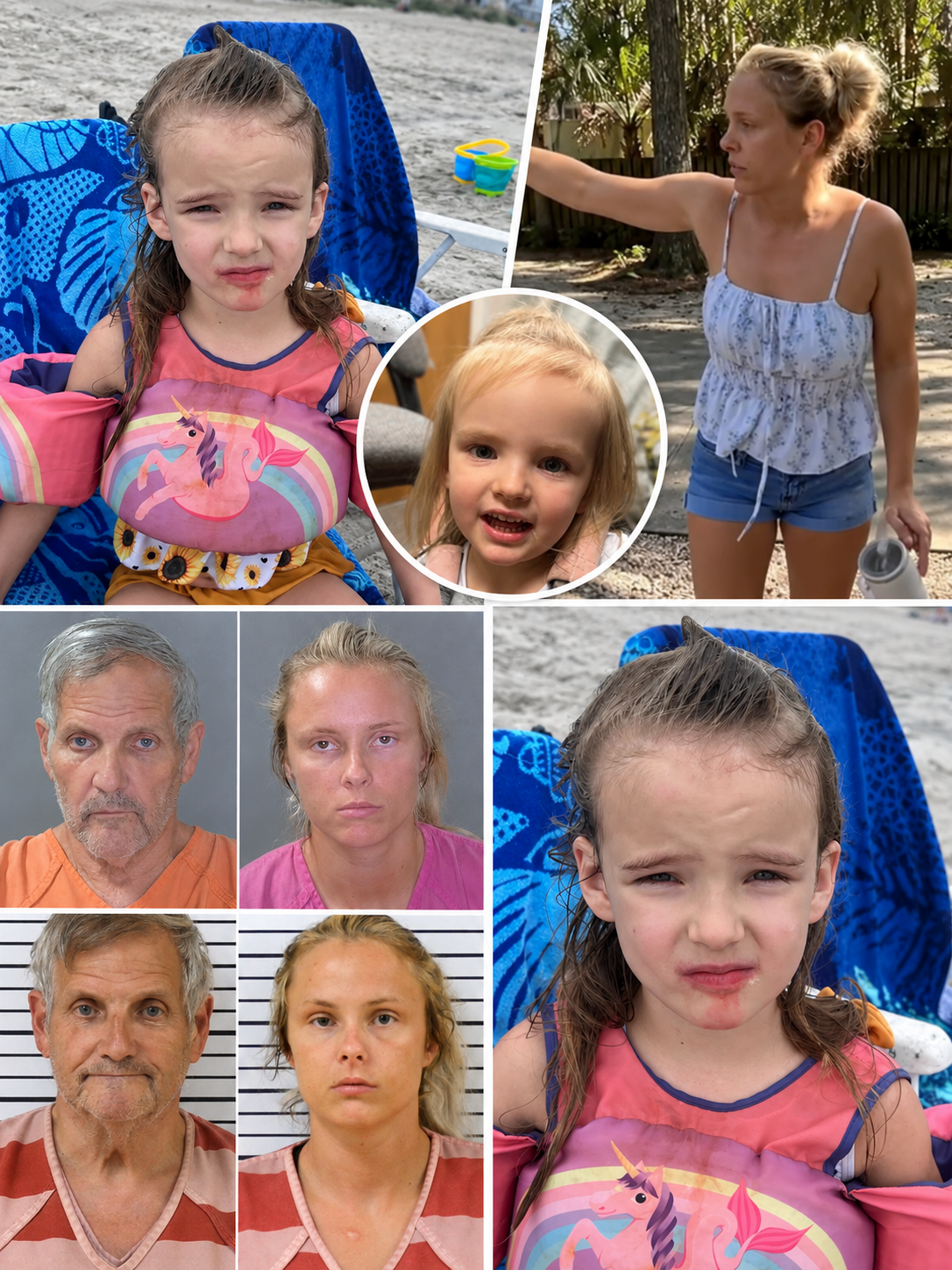
On Sunday afternoon, August 30, the search was still about finding a little girl alive.
Five-year-old Saylor Hayes had disappeared from the rental home where her family was staying in the Hagley community near Pawleys Island, South Carolina. Within hours, sheriff’s deputies, firefighters, wildlife officers, search crews and residents were moving through the area, checking roads, yards, shoreline and water.
The search did not stop when daylight faded.
It continued into the night.
By the next morning, however, the purpose of that search had changed.
At approximately 9:45 a.m. on August 31, agents with the South Carolina Department of Natural Resources located Saylor’s body in the water near the area where she had last been seen.
A search that had begun with the possibility of bringing a 5-year-old child back safely was over.
She had been found.
But too late.
Saylor, whose family was visiting from Virginia, had wandered away from a rental home along Old Waccamaw Drive late Sunday morning. The Georgetown County Sheriff’s Office publicly announced the search shortly after noon and asked residents in the surrounding area to help look for her.
Authorities described her as nonverbal and released information about what she had been wearing when she disappeared: a light blue one-piece bathing suit.
From there, the search expanded rapidly.
The Georgetown County Sheriff’s Office was joined by numerous agencies, including the South Carolina Department of Natural Resources, Charleston County Sheriff’s Office, Horry County agencies, Midway Fire Department and other local emergency responders. South Carolina Law Enforcement Division personnel also assisted, while the U.S. Coast Guard provided marine resources.
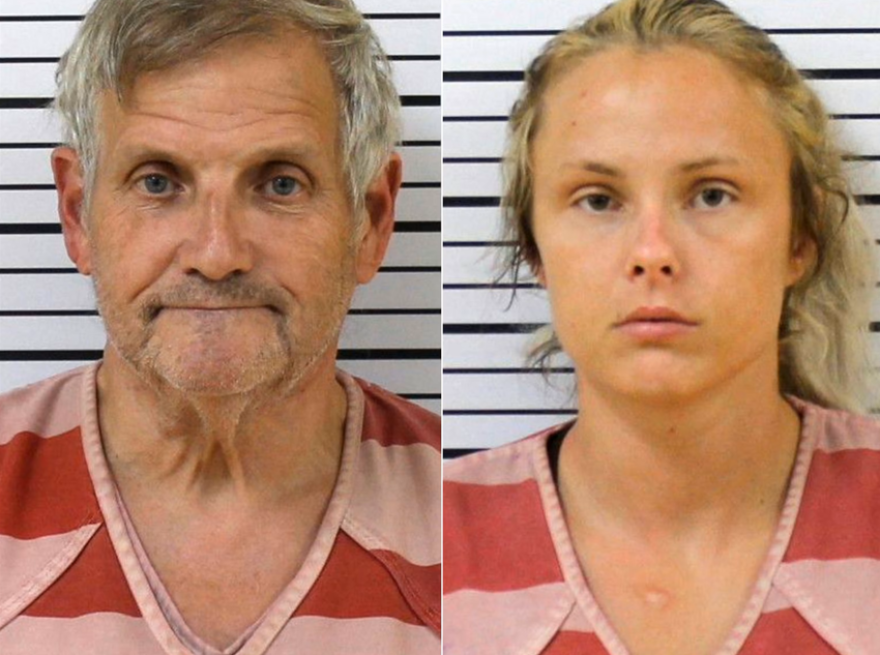
Searchers worked both land and water.
K-9 teams were deployed. Boats moved along the shoreline. Divers entered the water. Drones were used from above. A Charleston County Sheriff’s Office helicopter joined the effort, and SLED sent additional aerial and underwater resources.
Residents searched their own properties and surrounding areas. Some watched docks and checked places near their homes.
The scale of the response reflected the urgency that surrounds every missing-child search: the understanding that time matters, and that each hour can carry the possibility of a different outcome.
On Sunday evening, Georgetown County Sheriff Carter Weaver made clear that crews intended to keep going.
“We’re here until we find her,” he said.
At that point, Saylor was still a missing child.
That distinction matters.
There had been no announcement of a death. There had been no recovery. The effort was still organized around finding her and returning her to the people waiting for news.
The search continued overnight with ground crews and boat patrols along the shoreline.
Then Monday morning arrived.
On the second day of the search, Department of Natural Resources agents found Saylor in the water near where she had disappeared.
The Georgetown County Sheriff’s Office announced that the intensive search involving hundreds of people and multiple agencies had ended. The agency thanked those who had participated and extended condolences to Saylor’s family.
The distance between hope and loss had been little more than a night.
That short timeline is what makes Saylor’s story especially painful.
On Sunday, people were searching roads and water believing there was still a child to bring home.
On Monday morning, the same area became the place where her body was recovered.

The geography of the tragedy was equally narrow. Saylor was not found miles away after a search stretching across the state. Authorities said she was located in waters near the area where she had last been seen and close to the rental home from which she disappeared.
In the days afterward, investigators began the separate work of trying to understand precisely how Saylor died.
The Georgetown County Coroner’s Office examined her remains before an autopsy was performed by a forensic pathologist at the Medical University of South Carolina.
Officials reported that no obvious external or internal trauma was observed. The examination did note pulmonary edema, a buildup of fluid in the lungs, but that finding by itself did not establish a final cause of death.
As of the latest publicly released forensic information, the cause and manner of Saylor’s death had not been finalized. Additional laboratory testing was still pending, and officials indicated that a final report could take several weeks.
That uncertainty is important.
It means the public facts support describing where Saylor was found and what the preliminary examination showed, but not declaring exactly how she died before the forensic process is complete.
There are other investigative developments surrounding the case, but they do not change the central tragedy of those first two days.
A 5-year-old girl disappeared.
A large network of first responders and ordinary residents searched for her.
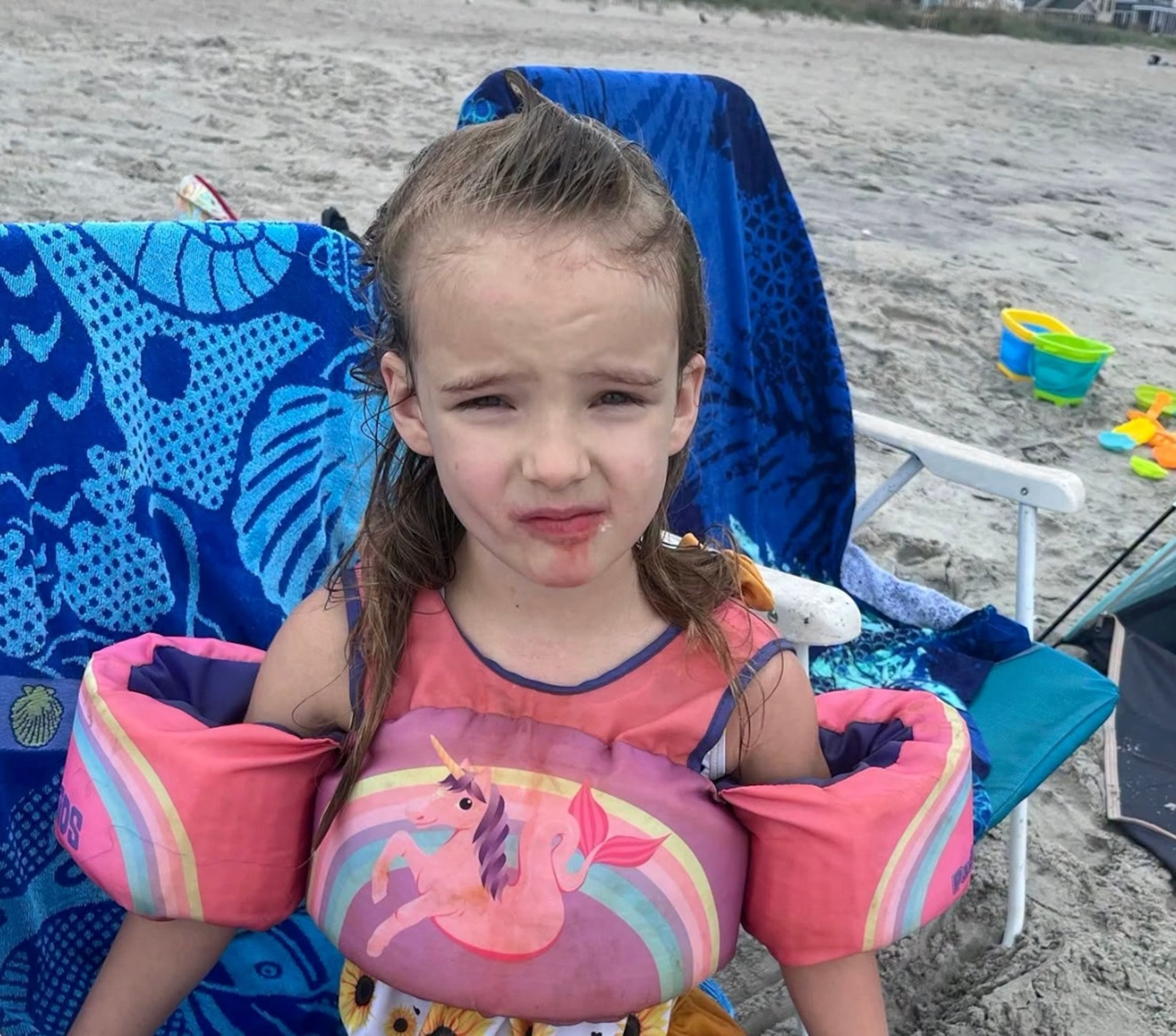
They searched into the night.
And by the next morning, the effort that had begun as a rescue had ended in recovery.
For communities involved in missing-child searches, there is usually one outcome everyone is working toward: the moment a child is located alive, reunited with family and carried away from danger.
That was not the ending in Pawleys Island.
Saylor’s disappearance lasted only from one Sunday morning into the following Monday.
Measured on a calendar, it was brief.
Measured by what changed during those hours, it was enormous.
One afternoon, her name was being shared because people hoped someone might see her.
The next morning, it was being shared because she had died.
Hundreds of people and numerous agencies had come together around a single purpose: finding a little girl.
They succeeded in finding Saylor.
The sorrow is that the search ended without being able to bring her back.