Whitney Houston Had the Voice the World Adored—But Nowhere Safe to Be Imperfect
- NgoPhong
- August 4, 2026
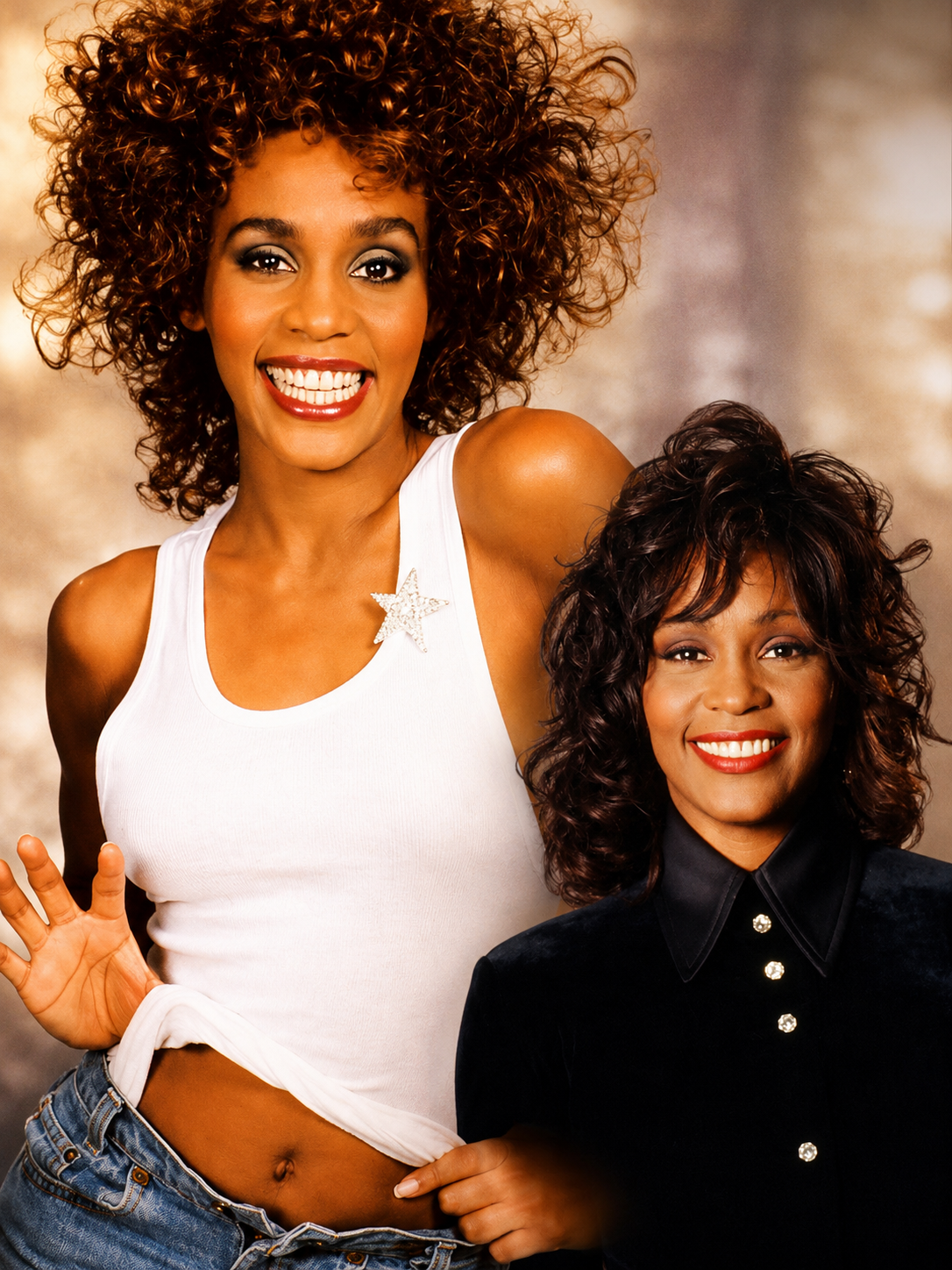
In December 2002, Whitney Houston sat across from Diane Sawyer and faced questions that had little to do with music.
Her weight had changed dramatically. Performances had become unpredictable. Rumors about drugs, her health and her marriage to Bobby Brown were following her everywhere. The singer once presented to America as polished, elegant and almost untouchable now had to defend herself before millions of viewers.
Houston admitted using drugs but rejected some of the most sensational claims about her. At one point, she declared that her greatest danger was not Brown or any outside force.
“The biggest devil is me,” she said.
It was a painful reversal. For years, Houston’s voice had seemed capable of conquering anything. She could transform a simple lyric into a declaration and turn private sorrow into something millions of strangers could survive together.
But the gift that carried other people through heartbreak could not protect the woman producing it.
The Young Singer Presented as Perfection
When Houston released her self-titled debut album in 1985, she arrived with extraordinary preparation behind her.
Raised in New Jersey, she had learned to sing in church under the guidance of her mother, gospel performer Cissy Houston. Her extended musical family included Dionne Warwick, while her mother had worked with major artists including Aretha Franklin and Elvis Presley.
Arista Records president Clive Davis recognized Houston’s potential and carefully developed her introduction to the public. She was young, poised and camera-ready, with a voice powerful enough for gospel but controlled enough for pop radio.
The strategy worked.
Her debut produced major hits including “Saving All My Love for You,” “How Will I Know” and “Greatest Love of All.” Her second album, Whitney, arrived in 1987 and continued her dominance with songs such as “I Wanna Dance with Somebody.”
Houston became one of the first Black female singers to achieve sustained success across pop, R&B and adult contemporary audiences on an enormous scale. Yet the crossover that expanded her audience also created another kind of pressure.
Some Black listeners and critics believed her music had been deliberately softened for white consumers. At the Soul Train Music Awards in the late 1980s, sections of the audience booed when her name was announced.
Houston later described the criticism as hurtful. She was being celebrated as a breakthrough artist while simultaneously being told that her success had made her less authentic.
The public image surrounding her left little room for contradiction. She was expected to be glamorous but respectable, soulful but commercially accessible, confident but never threatening.
The more successful she became, the narrower that role appeared to grow.
A National Anthem and a New Peak
Houston’s performance of “The Star-Spangled Banner” at Super Bowl XXV in 1991 became one of the defining moments of her career.
Wearing a white tracksuit and headband, she stood before a nation living through the Persian Gulf War and delivered the anthem with commanding clarity. The recording became a commercial success, and its emotional power endured far beyond the game.
By then, Houston possessed more than a beautiful voice. She had become a national symbol.
Her next project carried her into movies.
In The Bodyguard, released in 1992, Houston played Rachel Marron, a famous singer threatened by a stalker and protected by a former Secret Service agent played by Kevin Costner. The role closely reflected her public position: a woman surrounded by success, employees and security who remained emotionally exposed.
The film became an international hit, while its soundtrack reached a level few albums have approached. Houston’s recording of Dolly Parton’s “I Will Always Love You” began almost unaccompanied, allowing her voice to carry the opening before the arrangement expanded beneath her.
The performance became her signature.
The soundtrack won the Grammy for Album of the Year, while the song earned Record of the Year and Best Female Pop Vocal Performance. Houston had reached a summit where acting, music and global celebrity converged.
Privately, the period included profound pain.
Houston became pregnant during the production but suffered a miscarriage. She later described the experience as physically and emotionally devastating, yet filming continued after her recovery.
The public saw Rachel Marron standing beneath stage lights. It did not see everything Whitney Houston had carried to get there.
The Marriage That Defied Her Public Image
Houston married R&B singer Bobby Brown in July 1992.
To outsiders, the pairing appeared surprising. Houston had been marketed as controlled and refined, while Brown carried the rebellious image of a performer known for controversy and unpredictable behavior.
Their daughter, Bobbi Kristina Brown, was born in March 1993.
Houston experienced additional miscarriages during the marriage, adding private losses to a life already shaped by relentless professional expectations. Meanwhile, her relationship with Brown became a recurring subject of tabloid coverage.
The marriage included affection, loyalty and shared parenthood, but Houston later described it as increasingly chaotic. During her 2009 interview with Oprah Winfrey, she said Brown had been emotionally abusive and recounted an incident in which he spat at her as their daughter approached.
She also described their substance use together. Houston said her own drug use had been relatively limited before The Bodyguard but became heavier after the film’s success and Bobbi Kristina’s birth. By the middle of the decade, she said, using drugs had become part of daily life.
Brown has disputed being responsible for Houston’s addiction and denied some allegations surrounding their marriage. Houston herself never presented him as the sole cause of her problems.
Her struggle had begun within a much larger environment of access, pressure, emotional pain and secrecy.
A Family Tries to Break Through
By the end of the 1990s, people close to Houston were alarmed.
Her mother and others staged an intervention in 1999, hoping to persuade her to enter treatment. The attempt did not produce the lasting change they wanted.
Public warning signs continued. Houston canceled appearances, arrived late to events and appeared visibly thinner. Questions about her voice and health began overshadowing her music.
Then came the 2002 interview with Diane Sawyer.
Houston denied having an eating disorder and pushed back against reports that she was spending extraordinary amounts of money on drugs. Her remark that “crack is whack” became the most replayed fragment, but the broader interview showed a person struggling to control a conversation about a life that had already escaped her control.
She insisted she could overcome her problems through faith and determination. Yet addiction rarely yields to confidence alone.
Houston entered rehabilitation, but recovery was not permanent. In her later interview with Winfrey, she said drug use resumed after a 30-day treatment program.
Eventually, Cissy Houston took a more forceful step. Whitney recalled her mother arriving at her home with law enforcement and a court order, demanding that she enter treatment. Cissy told her daughter that she wanted back the person she had raised.
The confrontation helped move Houston toward leaving both the marriage and the environment surrounding it. She separated from Brown in 2006, and their divorce was finalized in 2007.
The Return Could Not Restore Everything
Houston attempted a major comeback with the 2009 album I Look to You.
The title track carried an unmistakable message. It was the voice of someone seeking strength after admitting that her own had failed. The album reached No. 1 in the United States, proving that the public’s affection had not disappeared.
Her interview with Winfrey was more open than the defensive exchange with Sawyer seven years earlier. Houston discussed addiction, humiliation, marriage and the intervention that helped pull her away from her former life.
But recovery remained difficult, and years of strain had affected her instrument. During her subsequent tour, some performances were criticized because the upper range and control audiences remembered were no longer consistently available.
The reaction revealed the cruelty built into Houston’s fame.
Listeners wanted her healthy, yet many also demanded the untouched voice of the young woman from 1985. Every imperfect note became evidence examined in public. The person was trying to recover while the world measured her against a version of herself that no longer existed.
In May 2011, Houston entered treatment again as part of what her representatives called an ongoing recovery process.
Nine months later, on February 11, 2012, she was found unresponsive in a bathtub at the Beverly Hilton hotel. She was 48.
Authorities ruled her death an accidental drowning, with heart disease and cocaine use listed as contributing factors.
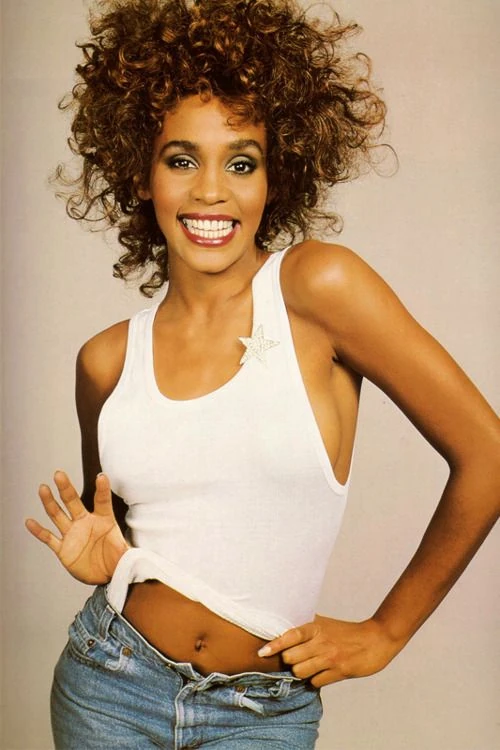
The Woman Behind “The Voice”
Houston’s death is often compressed into a cautionary story about drugs. Addiction was undeniably central to her decline and death, but it does not explain the whole person.
She lived under overlapping expectations involving race, faith, beauty, family and commercial success. She was criticized when her music reached too far into the mainstream, then punished when her private life contradicted the polished image that mainstream success required.
She was expected to embody control while struggling with circumstances she could no longer control.
None of this removes personal responsibility or turns every decision into the inevitable result of fame. It does, however, reveal why the simple contrast between a magnificent voice and a troubled life feels inadequate.
Houston was not only the tragedy visible at the end. She was a disciplined interpreter who reshaped popular singing, an actress who carried a major studio film, a mother fiercely attached to her daughter and a performer whose influence can still be heard whenever a singer attempts to build a song from restraint into release.
Her recordings preserve what addiction could not erase.
When “I Will Always Love You” reaches its final ascent, Houston still sounds fearless. She gives the impression that pain can be held, shaped and finally overcome.
That promise helped millions of listeners believe they could survive their own losses.
The tragedy is that the woman delivering it never found a lasting place where she was allowed to be as vulnerable as the people she sang for.