Whitney Port Breaks Down Over Caring for Her Mom as She Faces an Impossible Question: ‘Could I Handle That?’
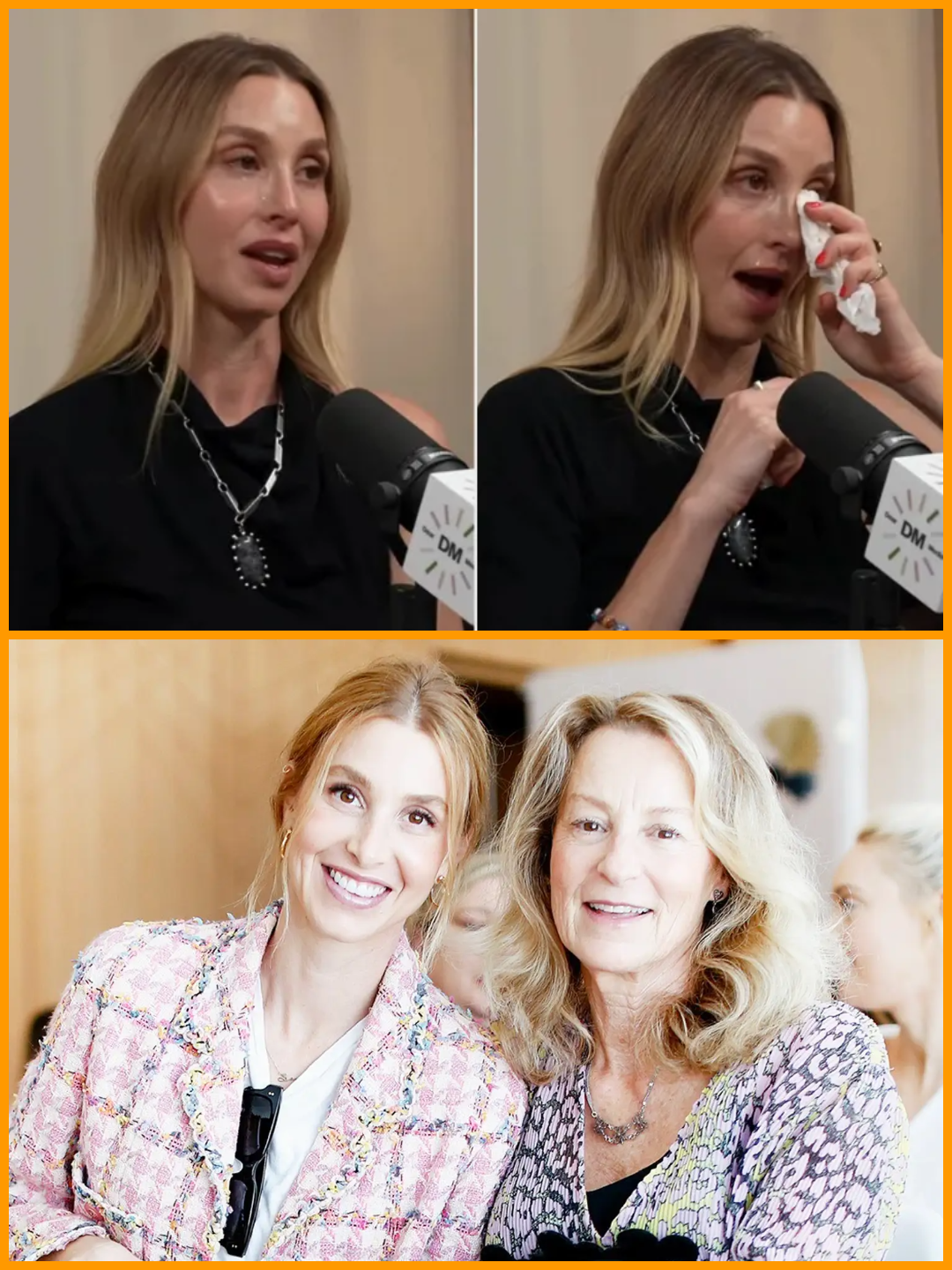
Whitney Port knows her mother can no longer safely live alone.
What she does not know is what the right alternative looks like.
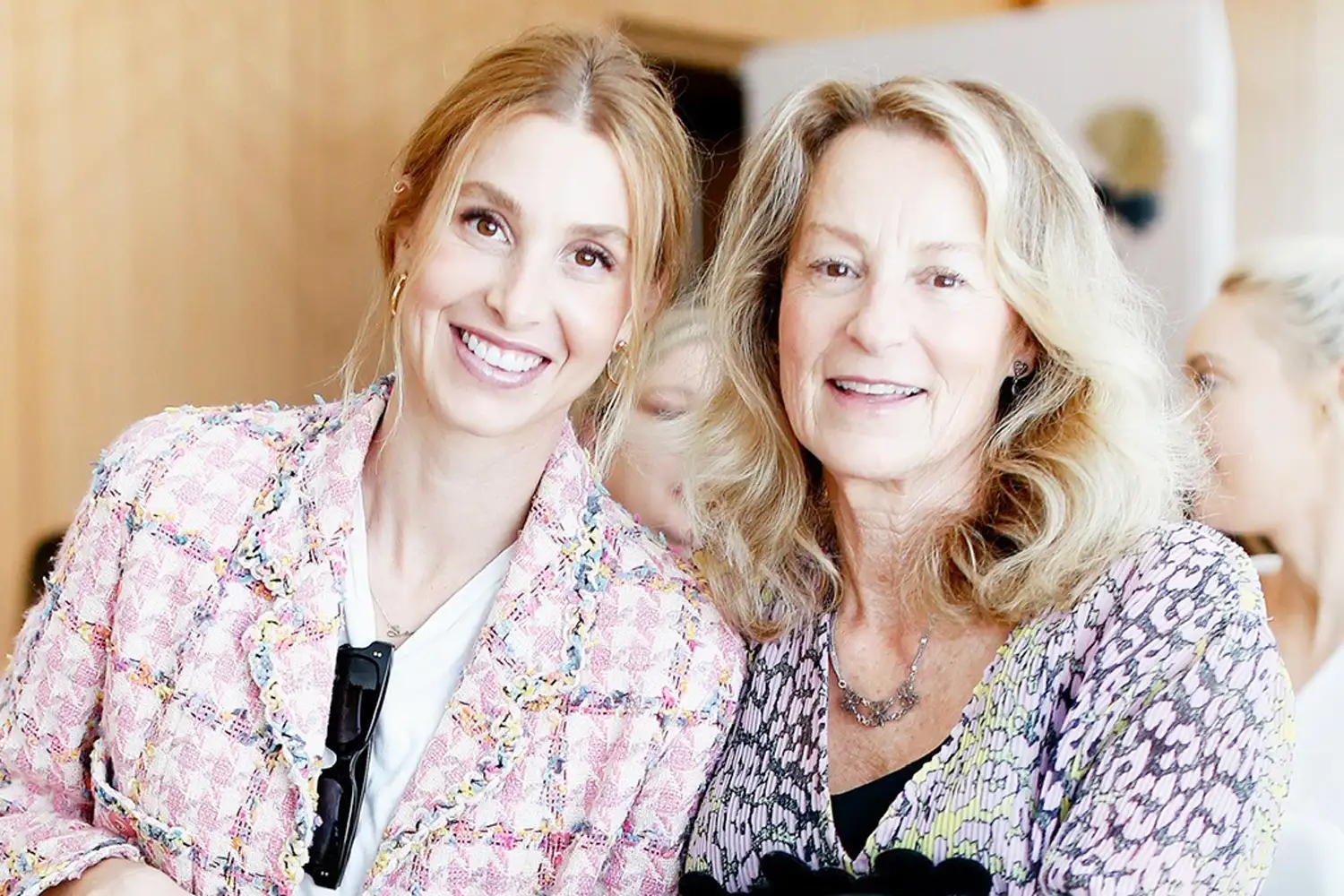
That uncertainty overwhelmed the 41-year-old former reality star as she recently opened up about becoming a caregiver for her mother, Vicki, whose cognitive health has declined in recent years.
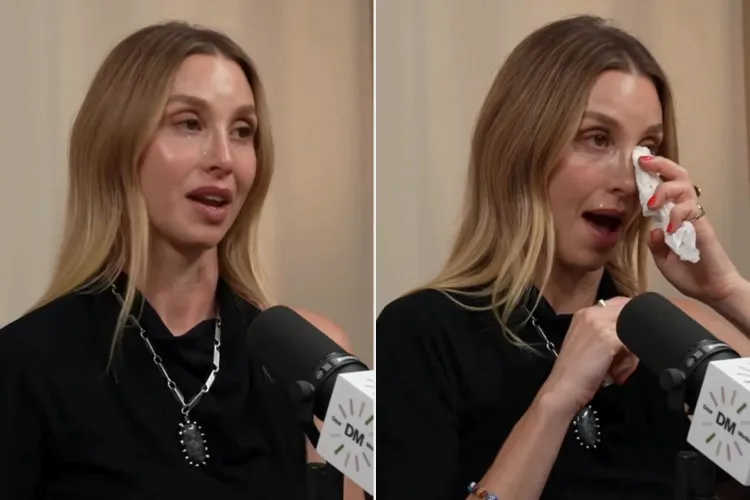
During the Aug. 11 episode of her With Whit podcast, Port began crying as she described a family caught between difficult options: arranging outside care for her mother, trying to manage the situation from a distance or bringing Vicki into her own home.
None of the choices feels simple.
“We’re having a hard time right now,” Port admitted as she explained that the family is trying to determine what kind of care would be best.
For Port, the hardest part may be knowing there is no perfect solution waiting to be found.
Her Mother Can No Longer Be Left Alone
Vicki has needed caregiving support in recent years as she experiences cognitive decline.
At first, accepting that help was difficult for her.
Port said her mother was extremely resistant when caregivers were initially brought into her life, creating another layer of stress for a family already trying to adjust to changing circumstances.
Now the situation has reached a point where Port says one fact is clear.
Her mother cannot be on her own.
Everything beyond that remains uncertain.
Port said she has been struggling with feelings of helplessness because she is not physically present every day and therefore does not always know exactly what is happening.
That distance leaves her wondering whether she is doing enough.
But the obvious alternative raises another frightening question.
What if Vicki moved in with her?
Port asked herself aloud whether she could actually handle the responsibility.
Her answer was painfully honest.
She does not know.

Bringing Mom Home Is Not an Easy Answer
For families caring for aging parents, moving someone into the home can sound like the most loving solution.
Port’s experience shows why the reality can be far more complicated.
She has her own household, responsibilities and life to manage. Becoming responsible for someone who needs daily supervision could fundamentally change all of those things.
Yet keeping her mother elsewhere produces its own emotional burden.
Port described feeling torn between the need to know that Vicki is safe and the fear that she may not personally be capable of providing everything her mother needs.
It is that conflict, more than any single caregiving task, that appears to be wearing on her.
She wants to fix what is happening.
She wants to make her mother comfortable.
But cognitive decline is not a problem a daughter can simply solve through effort or love.
Port acknowledged that painful reality in a message accompanying the conversation.
There are moments, she said, when caring for a parent means confronting the fact that no matter how desperately you want to make things better, sometimes you simply cannot.
The Role Reversal Has Been Especially Difficult
For Port, becoming a caregiver carries another emotional dimension because she grew up watching her own mother fill that exact role.
Vicki once cared for other members of the family.
Port has previously spoken about watching her mother take care of Port’s father as well as her grandparents.
She also remembers what that responsibility did to her.
In November 2025, Port reflected on how emotionally and practically consuming caregiving could become for Vicki.
She said she saw firsthand how much it “tore her apart.”
That memory has stayed with her as she and her siblings now confront similar responsibilities.
Port does not want history to repeat itself.
She does not want herself or her siblings to lose their careers, livelihoods and entire personal lives in the process of caring for their mother.
At the same time, setting boundaries can feel painfully close to failing someone you love.
That contradiction is at the heart of the situation.
Port Finds Herself in the ‘Sandwich Generation’
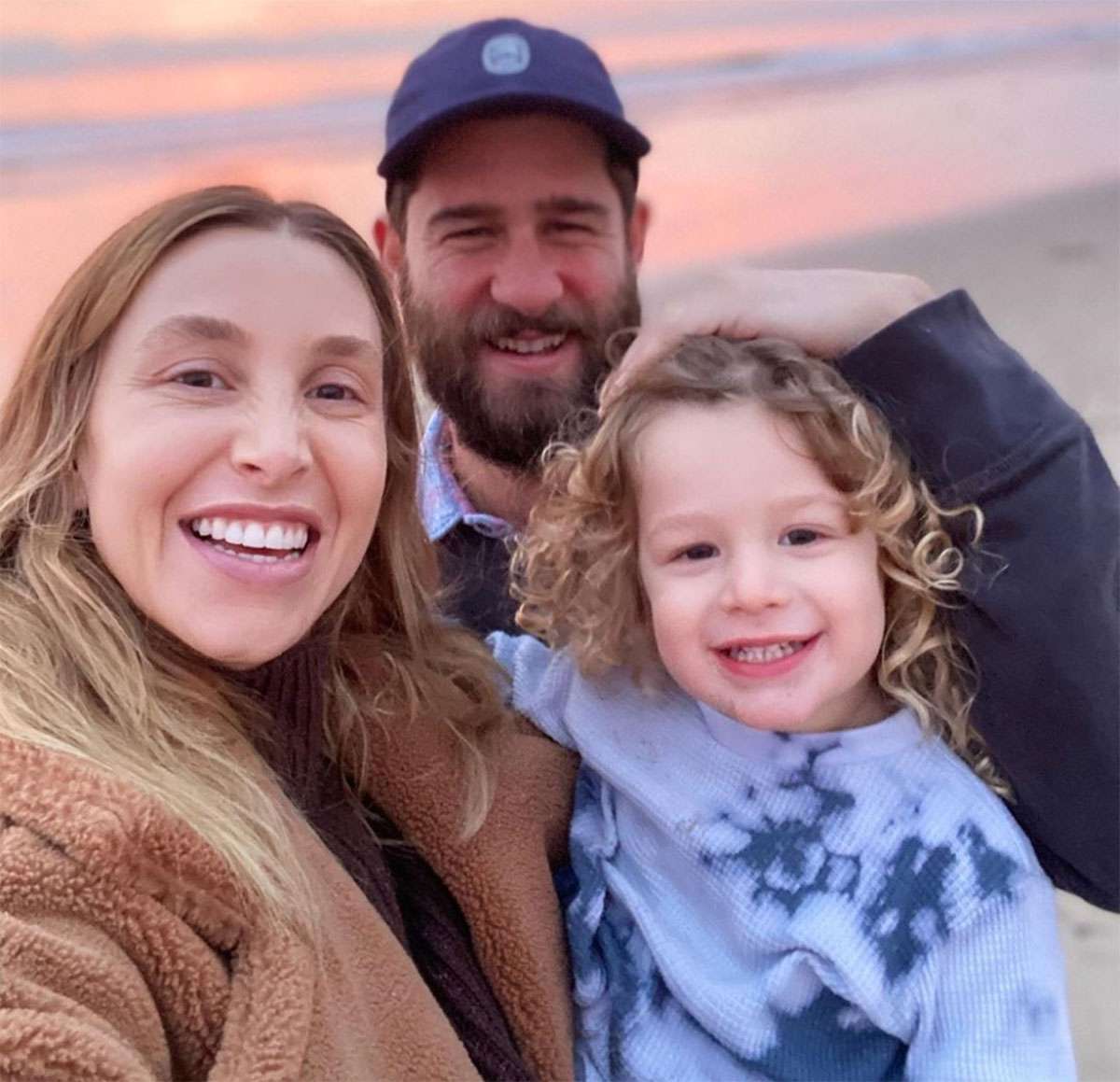
Port has described herself as part of what is often called the sandwich generation — adults who are simultaneously caring for children and helping aging parents.
For people in that position, responsibility stretches in opposite directions.
There are children who still need parenting.
There are parents who increasingly need support.
And somewhere between those two demands is an adult trying to maintain a marriage, career, home and identity of their own.
Port has previously acknowledged how isolating that experience can become.
The decisions are deeply personal, yet many of them must be made under pressure.
How much care is enough?
When is professional help necessary?
Is choosing outside assistance compassionate or selfish?
Should an aging parent move in?
And how much can a son or daughter realistically sacrifice before the caregiver begins to unravel too?
Port does not pretend to have settled those questions.
Instead, she has been unusually open about not knowing.
One Fear Keeps Returning: Will She Regret This Later?
Despite her concerns about sacrificing too much, Port also worries about the opposite possibility.
What if she looks back and feels she did not do enough?
That fear has become one of the most powerful forces shaping how she thinks about her mother’s care.
Port previously said she repeatedly reminds herself that she does not want to reach the future and feel disappointed in the choices she made during this stage of Vicki’s life.
She wants to do as much as she possibly can for her mother.
That desire exists alongside her recognition that “everything” may not mean personally performing every part of Vicki’s care.
Sometimes doing the most for someone may require accepting help.
But emotionally, Port is still trying to make peace with that idea.
She Shared the Moment Because She Knows Others Understand
After posting the emotional podcast discussion, Port turned to other caregivers.
She asked whether people who had stepped into similar roles could relate to what she was experiencing.
The response she was seeking was not a medical solution or a simple recommendation.
It was recognition.
Port said caring for a parent can repeatedly place someone in situations where there is no obviously correct decision.
That uncertainty can be profoundly lonely, particularly when every option carries consequences.
She described the conversation as extremely raw but said she knew she could not be the only person feeling this way.
That may be why her tears resonated beyond her own family circumstances.
The emotional struggle was not simply about Vicki’s living arrangement.
It was about what happens when a child becomes responsible for protecting the person who once protected them.
There May Be No Perfect Way to Do This
Port’s family is still trying to determine what care arrangement makes the most sense for Vicki.
She has not presented a final decision.
Instead, she has shared the uncomfortable middle — the part in which everyone knows something must change but no choice feels completely right.
Her mother needs daily support.
Port wants to be there for her.
She also understands from watching Vicki care for others that devotion can come at an enormous personal cost.
So she is trying to find a line between love and exhaustion, responsibility and sustainability.
It is a line many caregivers spend years trying to locate.
Port cannot make her mother’s cognitive decline disappear.
She cannot guarantee that every decision will feel right.
And she cannot know today whether she will someday wish she had done something differently.
What she can do is keep asking the question that seems to matter most to her: How can I give my mother everything I reasonably can without losing myself in the process?
For now, she does not have the answer.
And that uncertainty is exactly what has made this chapter so hard.