Why Karmelo Anthony trial is STILL dividing USA after sparking racial flashpoint – and how it could impact appeal
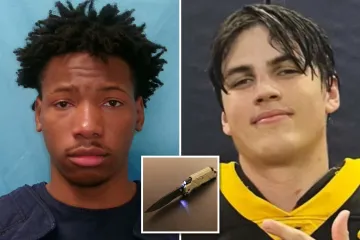
IT IS the murder trial that divided America, and teen killer Karmelo Anthony is still at the center of fierce legal debate as he appeals his 35-year prison sentence.
A jury took less than three hours on Tuesday to convict Anthony, 19, of murdering fellow student athlete Austin Metcalf.
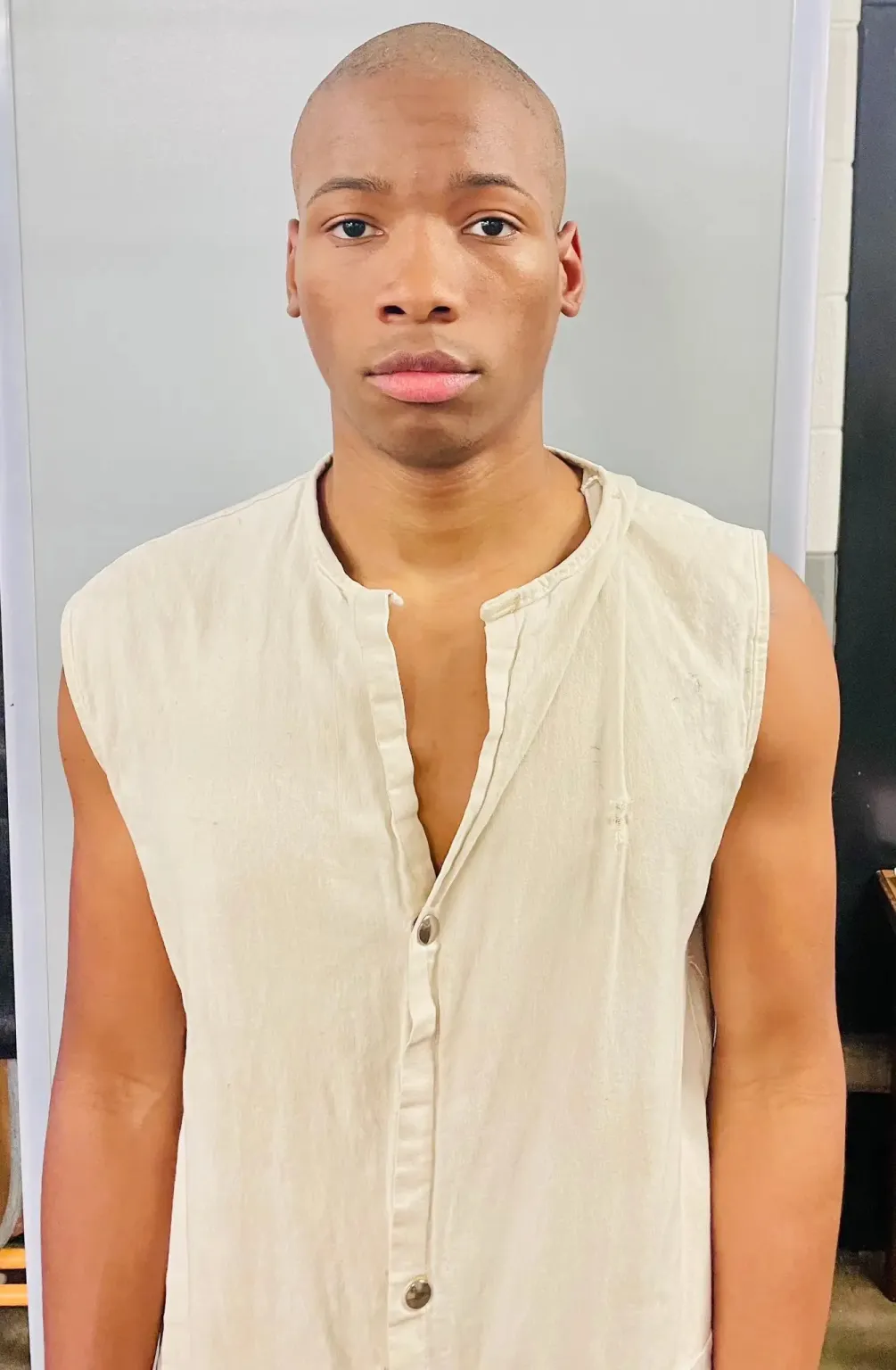
Karmelo Anthony looked stunned in a new mugshot as he was transferred to a Texas prison to begin his 35-year sentence
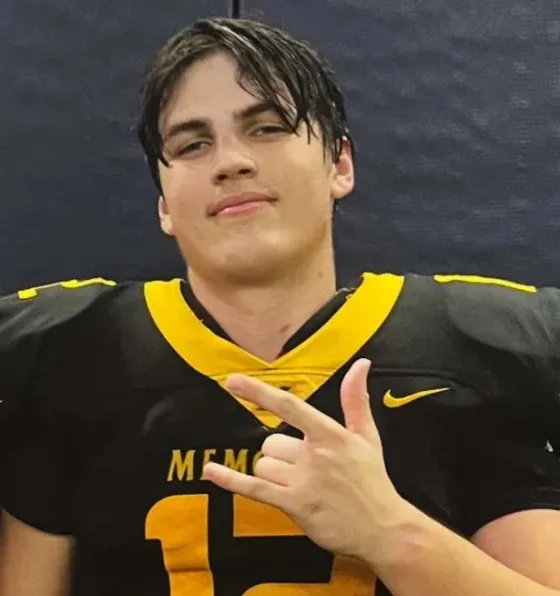
Austin Metcalf was killed in April 2025 after being stabbed in the chest during a brief argument
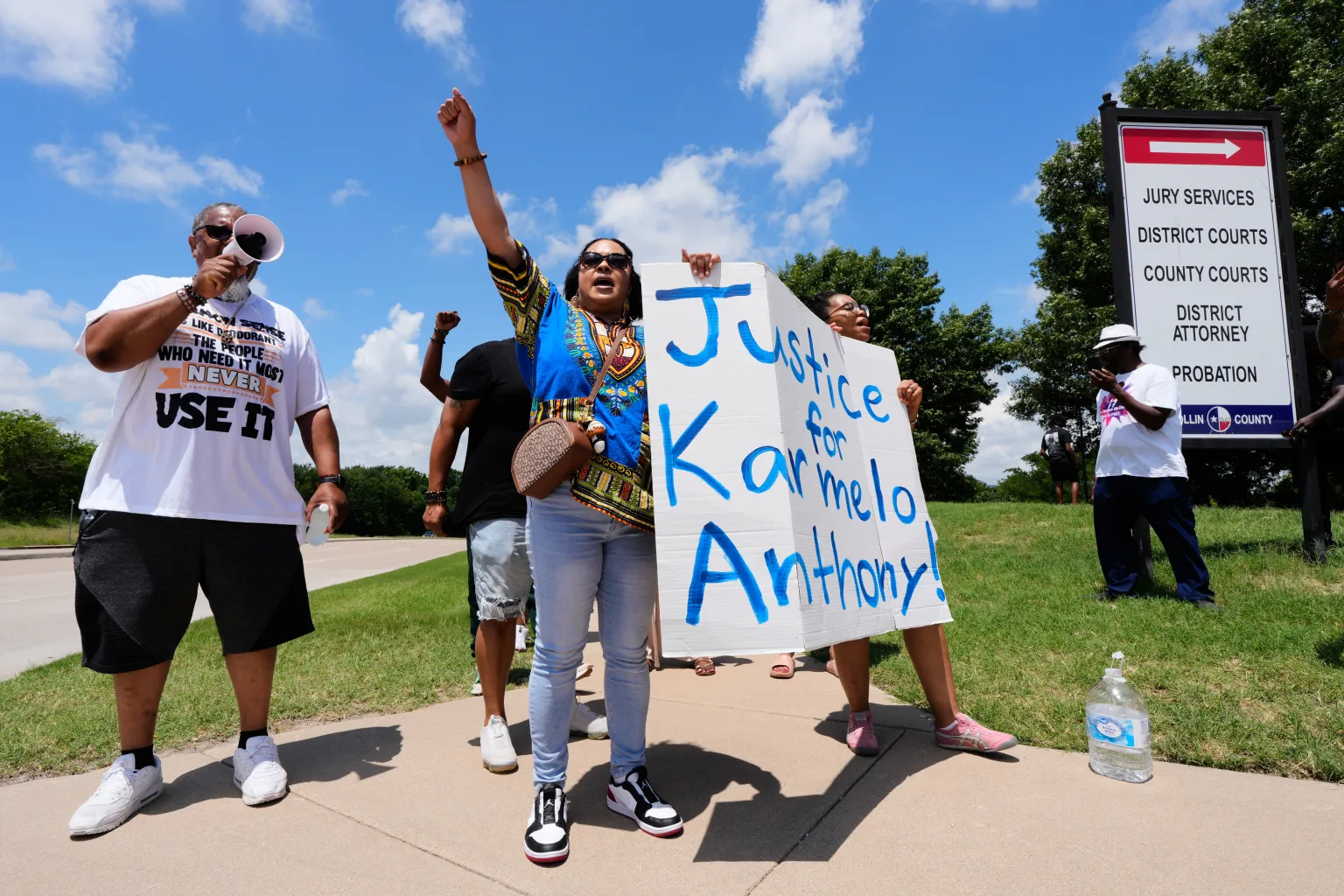
Supporters for Karmelo Anthony demonstrate in front of the Collin County courthouse on Thursday, June 4
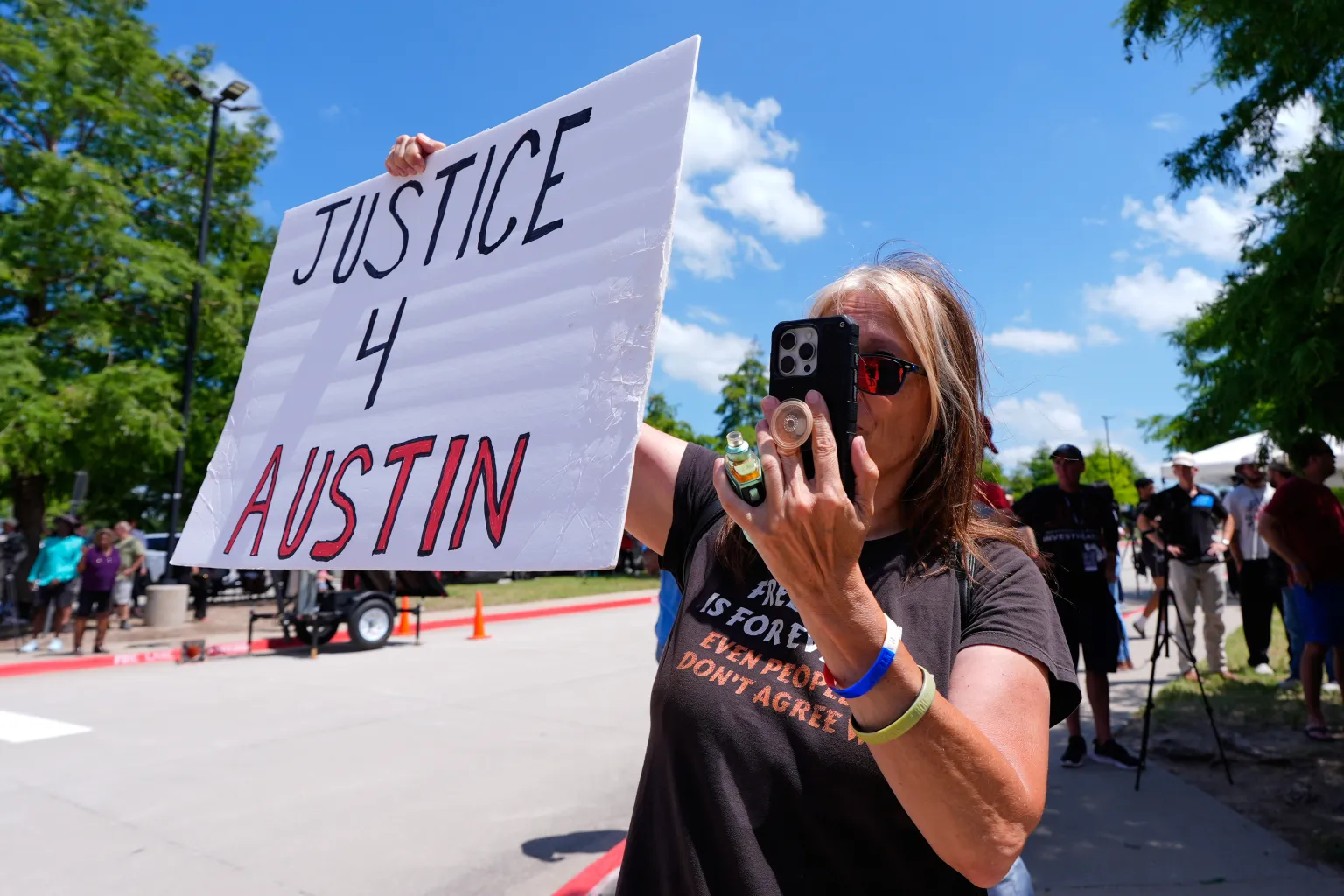
There were also supporters holding signs in support of a murder conviction following Austin Metcalf’s tragic death
The pair, who had never met before that day, were both 17 when a brief confrontation at a high school track meet in Frisco, Texas, turned deadly and sparked a national conversation about self-defense, race, and youth violence.
Prosecutors said the fatal clash began when Metcalf asked Anthony to move from an area designated for another school’s athletes.
Moments later, Anthony, who was eventually pushed by Metcalf after he repeatedly told him to leave, pulled out a knife and stabbed the teenager once in the chest.
Metcalf, a standout football player and honor student, collapsed in the arms of his twin brother Hunter and later died from his injuries.
The shocking killing on April 2, 2025 devastated the local community and made headlines across the country.
Anthony admitted to the stabbing but insisted he acted in self-defense, a claim his attorneys maintained throughout the five-day trial.
Prosecutors argued the use of deadly force was unjustified and secured a murder conviction after days of testimony, amid backlash over the fact there were no black jurors chosen.
Now, days after the verdict, Anthony’s legal team is challenging the outcome, setting up another chapter in the polarizing criminal case.
Tensions repeatedly spilled outside the courthouse during the trial, with supporters of both families clashing and law enforcement maintaining a heavy presence during key hearings.
Former federal prosecutor and legal analyst Neama Rahmani believes the jury got it right and Anthony deserved a lengthly sentence.
He told The U.S. Sun, “I think that’s really indefensible. Stabbing someone because you get pushed, it doesn’t matter if you’re black, white, the race of the victims were reversed. The size [was] reversed. Man. Woman. You can’t stab someone because you get pushed.
“That’s just, in my opinion, as a prosecutor, objectively unreasonable under any circumstances. That’s why there’s a saying, don’t bring a knife to a fistfight.
“And many of them testified that it was not self-defense and it was an unreasonable escalation.
He added, “The biggest mistake the defense made in this case is not putting Karmelo Anthony on the stand.
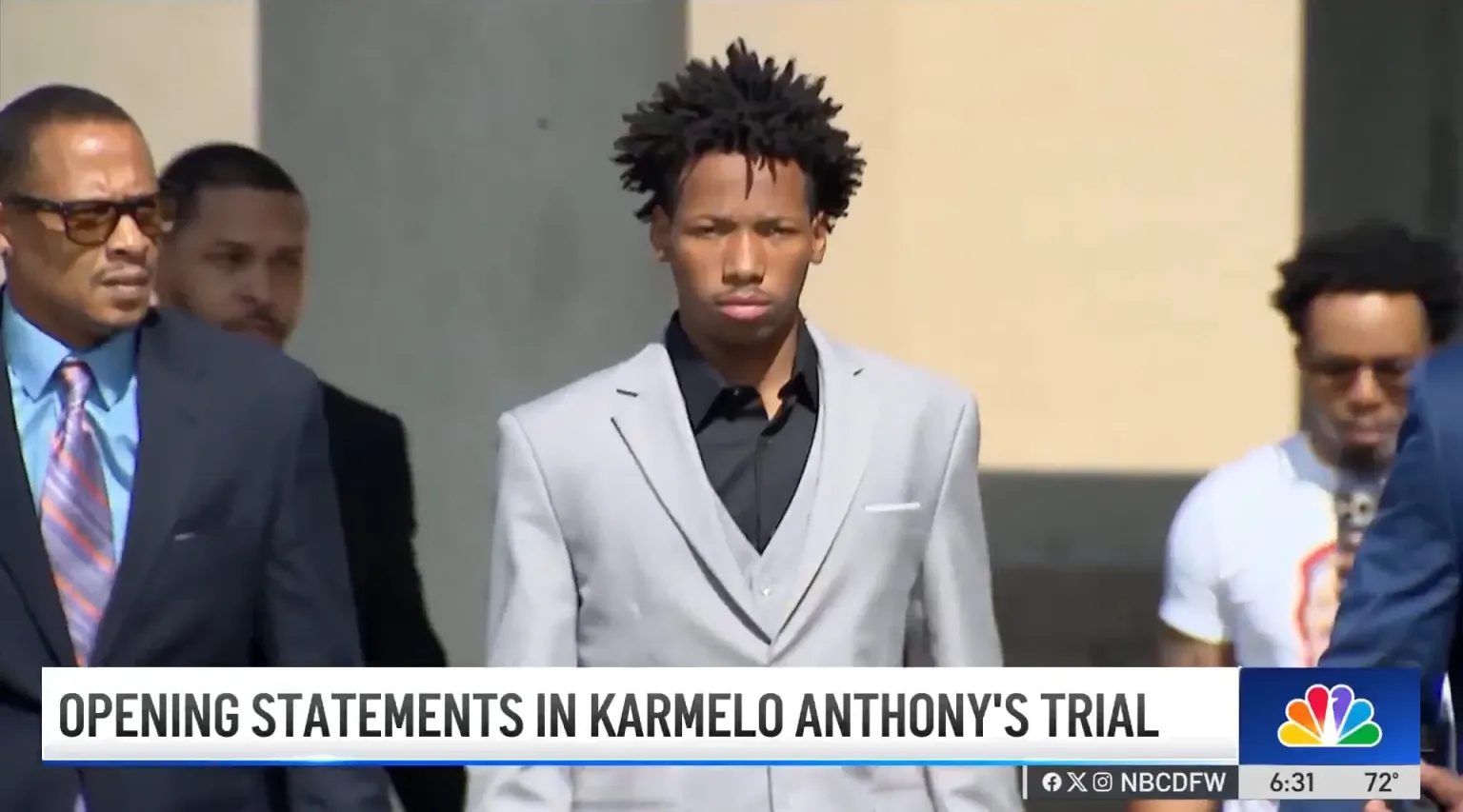
Karmelo Anthony faced between five and 99 years in prison before his blockbuster trial
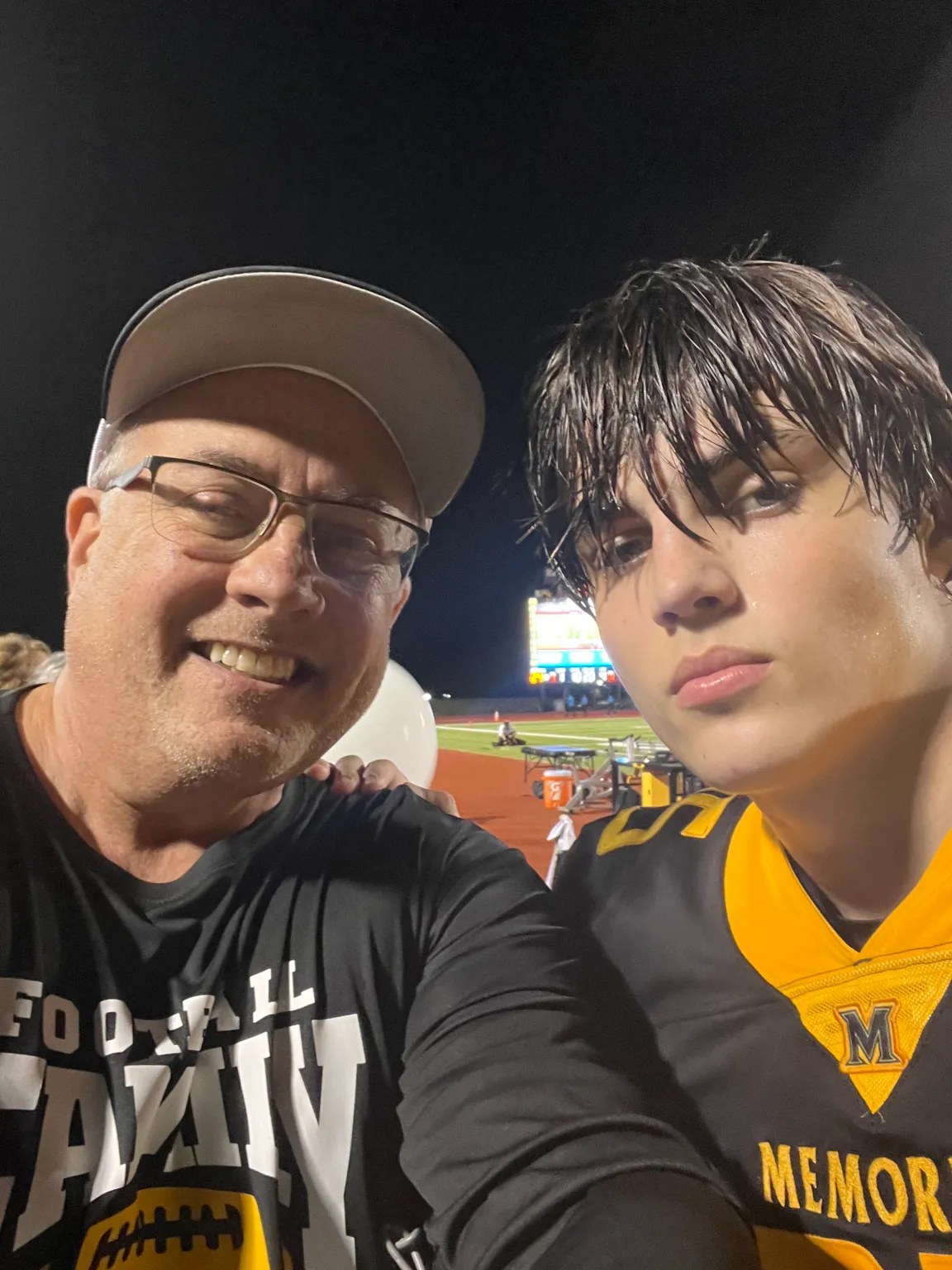
Austin Metcalf (right) and his father, Jeff Metcalf
“They needed him to testify that he thought that he was in imminent danger.”
Questions about race emerged almost immediately after the stabbing, fueling heated debate online and dividing public opinion long before the trial began.
Veteran Texas defense attorney and former president of the Texas Criminal Defense Lawyers Association, Sam Bassett, argues Anthony acted out of a moment of sudden passion and that he should have at least been found guilty of manslaughter.
He also said he doesn’t agree with Rahmani that it was a huge mistake to not put the suspect on the stand.
Bassett told The U.S. Sun, “A lot of times we do not put our clients on the stand because they have a difficult personality, or a difficult maturity level, to be able to withstand cross-examination.
“And we feel like they would do more harm than good to testify. In almost every self-defense case I’ve tried.
“This is a young man, [a] very young. And that’s that’s why it’s sad to me that he got such a lengthy sentence.”
Anthony’s supporters raised concerns when the final jury was seated, criticizing the panel for being all white and arguing it did not reflect the broader community.
Several big names also weighed in on the case, including rapper Cardi B, who argued Anthony was outnumbered and did act in self-defense.
Basset believes the sentencing of a jury in Texas is often “a thermometer of anger.”
“I don’t really like looking at it that way, especially with young defendants,” he said.
“We have all this research that talks about the brain development of a young man really is not finished until they’re in their mid 20s.
“This young man, barely able to drive a car legally, is given the same sentence and judged on the same template as somebody who’s in their late 20s or 30s.
“I just think the sentence was too harsh.”
He also feels race did play a part when it came to the verdict, as there were no black jurors.
“In my opinion, subconsciously at least, the race always matters,” Sam continued.
“It is naive to think that an all white and Asian jury has the same attachment and concern for a defendant who is black, than they would for a defendant who is Caucasian or Asian.”
He said, in his experience, “cross-racial bias still exists in the system, even if you’re complying with the law.”
“So it’s a it’s a big concern, especially when it came to the severity of the sentence,” he added.
Anthony is now appealing his conviction, although the exact grounds for his bid to overturn the verdict have not yet been made public.
Rahmani said, “There’s no doubt that the defense was going to appeal.
“If you’re going to fight this case and push it all the way to the trial, you might as well just take your chances on appeal.
“I think the best argument they have on appeal is the Batson challenge.
“That was the argument the defense made, that the prosecution should not have used their peremptory strikes on the three black female jurors who are educators.”
A Batson challenge is a legal objection claiming that a lawyer improperly excluded potential jurors from a jury based on race, ethnicity, or another protected characteristic during jury selection.
“They’re going to argue that it was racially motivated,” Rahmani said.
“And that’s probably the best argument they do have on appeal, because otherwise, in terms of the facts, they really weren’t in dispute.
“You have Anthony, who comes into this rival tent when it’s raining.
“There was some discussion of whether that’s appropriate or not or it’s common whether he was invited.”
But although Bassett would welcome an new trial, he admits in Texas, Anthony’s attorneys have a major challenge on their hands.
“Any success on appeals in Texas is very rare,” he said.
“And it’s really less five per cent or less of criminal cases result in a new trial on appeal, so this is an uphill battle.”
Regardless of the outcome, Neama said, “Why did this have to happen? Really? You have two lives that were lost. Two young men.
“Obviously, Metcalf is dead. Karmelo Anthony is going to spend decades on Texas state prison. And it’s just a very sad case.
“Even though the state of Texas did win, there are no real winners here.”
Source: https://www.the-sun.com/news/16485680/karmelo-anthony-austin-metcalf-racial-flashpoint/