Monarch Butterflies Begin Their Epic 3,000-Mile Fall Migration South
Monarch Butterflies Begin Their Epic 3,000-Mile Fall Migration South
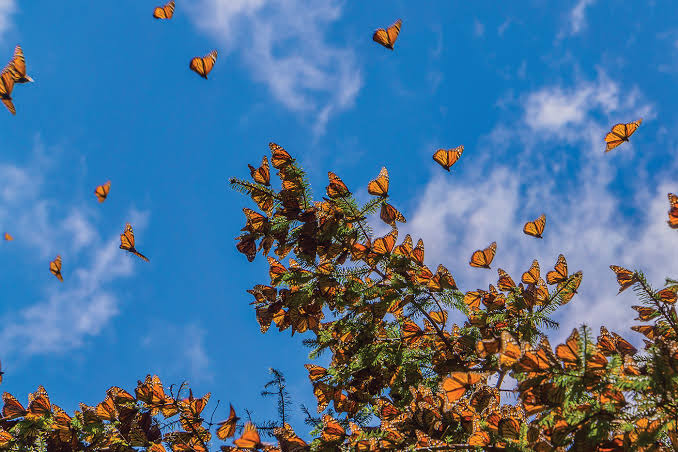
Millions of monarch butterflies are beginning one of nature’s most remarkable annual journeys, heading south as summer gives way to fall across North America.
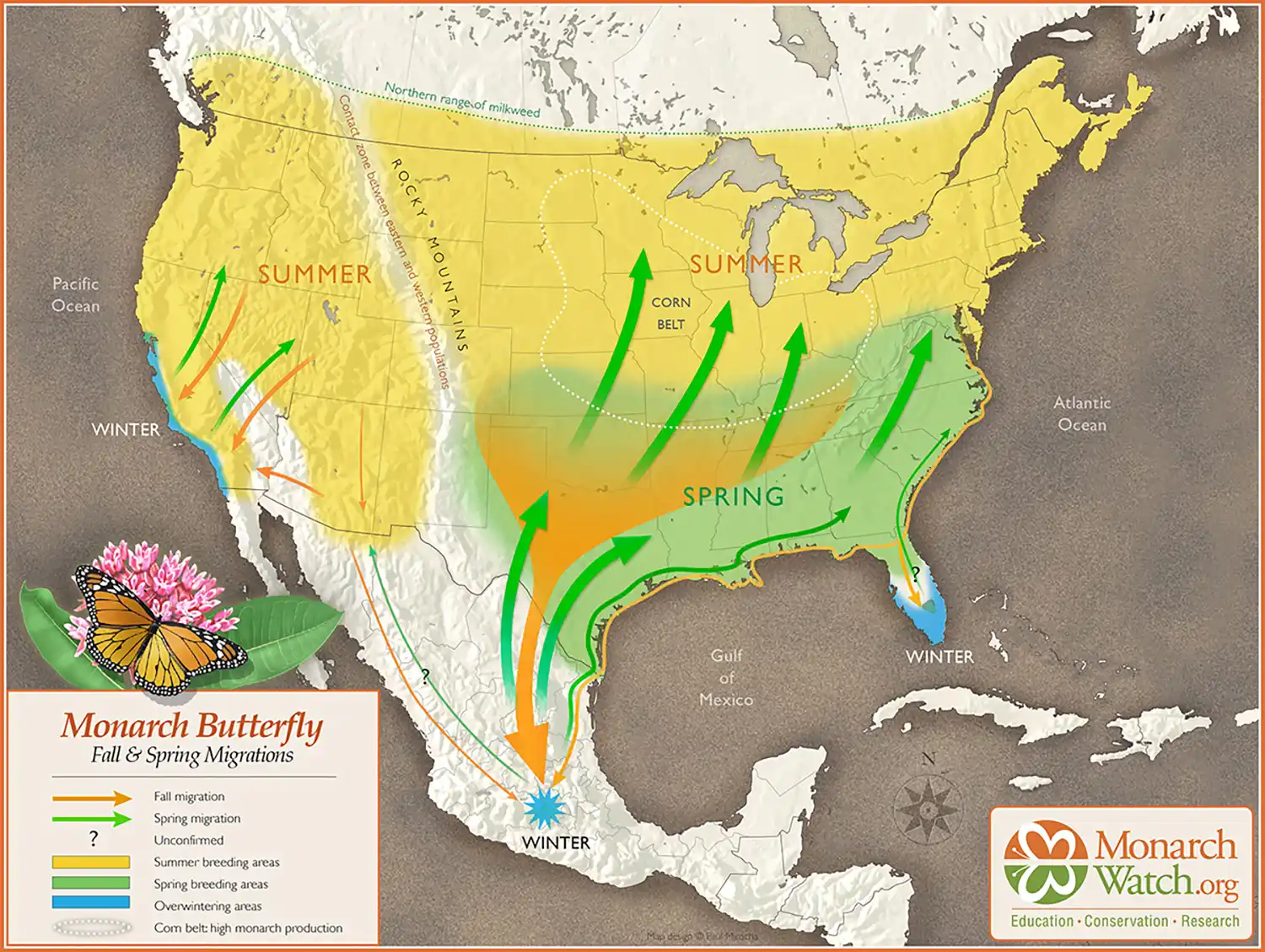
The eastern monarch population can travel as far as 3,000 miles from southern Canada and the northern United States to wintering grounds in the mountains of central Mexico. The western population follows a different route, moving toward coastal California and northern Baja California.
The migration typically begins in the northern parts of the monarchs’ range as early as August, with butterflies gradually moving south through September and October. That means people across much of the United States may soon have a chance to see the orange-and-black travelers passing through gardens, parks, meadows and other open spaces.
A Journey They Have Never Made Before
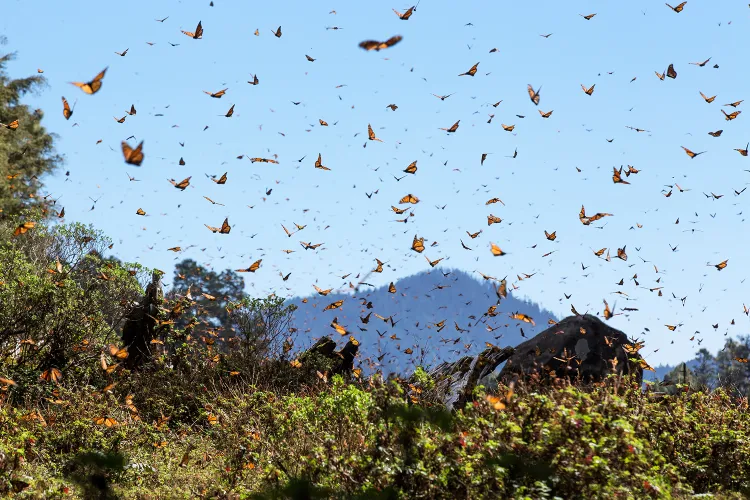
One of the most extraordinary aspects of the migration is that the monarchs making the fall journey have never personally traveled to their winter destination.
Several generations of monarchs are produced during the spring and summer. The generation that emerges late in the season is different: instead of reproducing immediately, these butterflies enter a state known as reproductive diapause and prepare for the long trip south.
The butterflies use environmental cues, including the position of the sun, to help navigate their journey. Individual monarchs can travel dozens of miles in a day, with some covering considerably more ground when conditions are favorable.
Millions Passing Through Backyards
The migration is not confined to remote wilderness. Monarchs can be spotted across a broad swath of the United States as they make their way south.
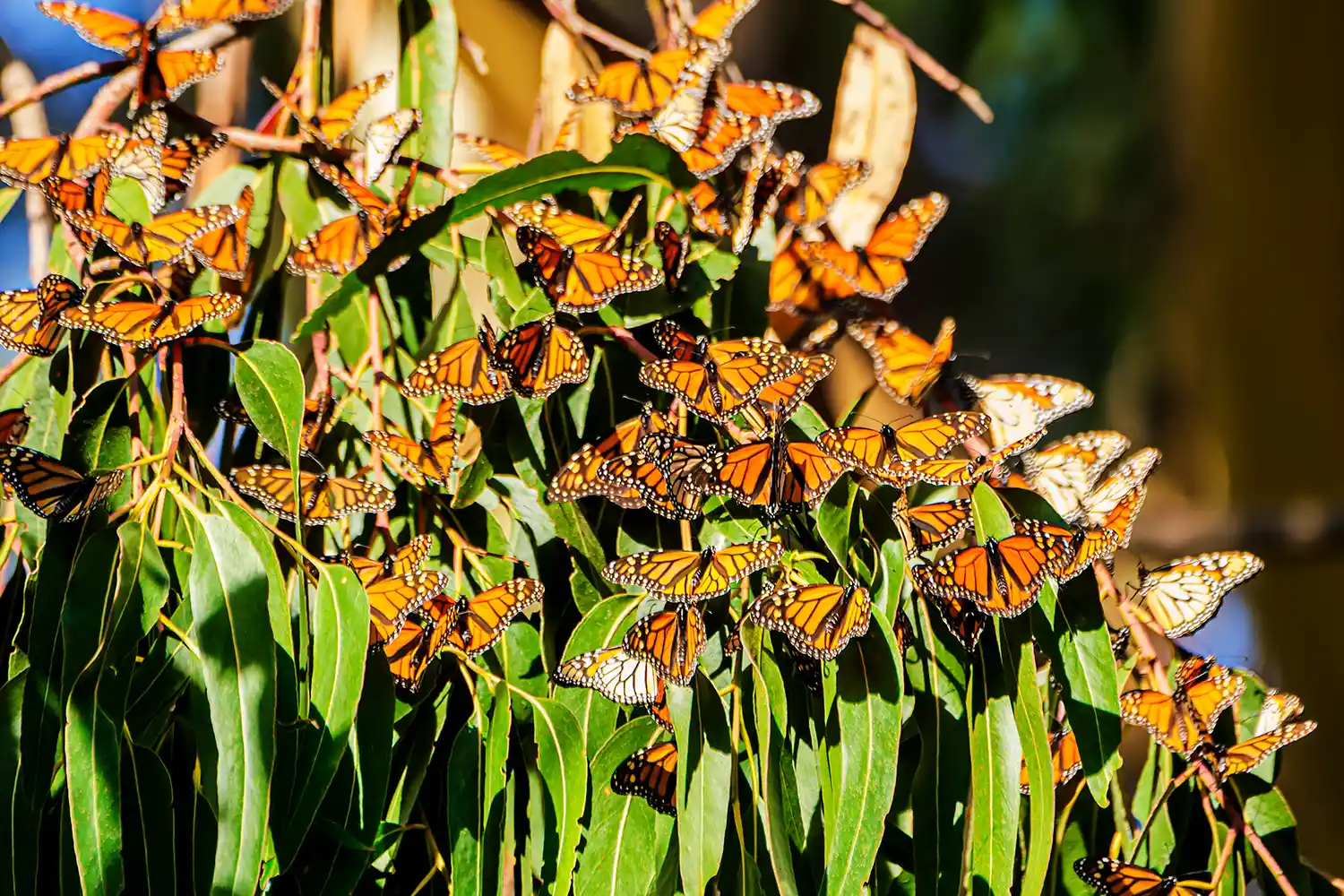
During daylight hours, the butterflies generally travel individually in search of nectar. At night, they may gather in groups on trees and other sheltered vegetation, sometimes forming clusters numbering in the hundreds. Sunny locations with abundant nectar-producing flowers can be particularly good places to watch them.
For people hoping to see monarchs this fall, gardens and natural areas containing native flowering plants can provide important stopover habitat along the migration route.
A Population Showing Signs of Recovery
The migration comes at a difficult time for monarchs, whose populations remain far below historical levels despite signs of improvement in the latest monitoring.
The eastern monarch population increased by 64% during the 2025–2026 overwintering season compared with the previous year. Conservationists nevertheless emphasize that the population remains substantially smaller than it was historically.
Habitat loss, declining milkweed and other pressures have made conservation efforts increasingly important. Milkweed is particularly significant because it is the only group of plants on which monarch caterpillars can feed.
Planting native milkweed and nectar-producing flowers can give monarchs places to feed and reproduce during their long migration.
One of Nature’s Great Annual Spectacles
The fall migration will continue moving southward over the coming weeks, eventually bringing eastern monarchs to their wintering grounds in central Mexico.
There, they will spend the winter clustered in mountain forests before the surviving butterflies begin the northward journey in spring. The return trip is completed over several generations, making the annual migration a remarkable cycle that connects distant parts of North America.
For now, the journey is just getting underway. Across fields, gardens and backyards, millions of monarchs are once again taking flight — beginning a seasonal voyage that may carry some of them thousands of miles toward the forests of Mexico.