Henry Winkler Reveals the ‘Happy Days’ Guest Star Who Kept Bragging About Fame on Set
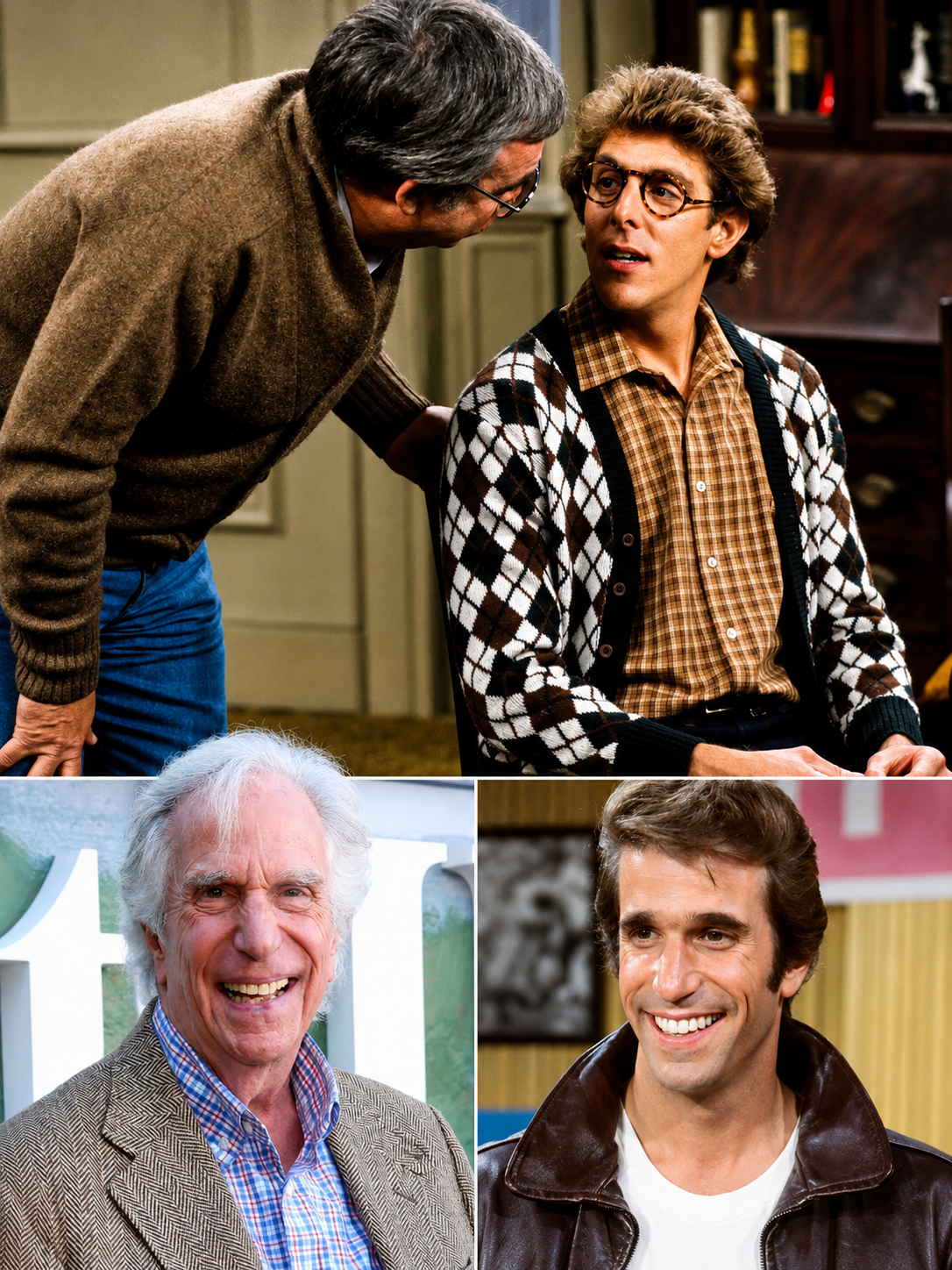
At the height of Happy Days, Henry Winkler was receiving as many as 50,000 fan letters every week.
Yet according to the actor, that extraordinary level of attention was not something the cast discussed while working. Once the cameras began rolling, personal fame was expected to remain outside the set.
That unspoken rule was tested when one recurring guest star repeatedly brought up his own fan mail.
Winkler, now 80, recalled the uncomfortable experience during a recent fan convention in Tennessee, where he appeared alongside former Happy Days costars Anson Williams and Don Most.
Although Winkler did not directly identify the actor, he offered one revealing clue: the guest performer played a character named Eugene.
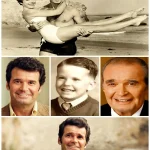
The role of Eugene Belvin was portrayed by Denis Mandel during the eighth and ninth seasons of the classic television comedy.
For Winkler, the problem was not that the actor had become popular. It was the way he allowed that attention to affect his behavior around a cast that had worked hard to avoid creating a hierarchy based on celebrity.
A Set Where Fame Was Supposed to Stay Outside
Winkler joined Happy Days as Arthur Fonzarelli, better known as Fonzie or “The Fonz,” when the series began in 1974.
He remained on the show until it ended in 1984.
Fonzie quickly became one of television’s most recognizable characters. With his leather jacket, effortless confidence and famous expressions, the role transformed Winkler into a major star.
Despite that popularity, Winkler said the atmosphere on the set was not built around status.
“The truth of the matter is really on our set there was no stardom,” he told the audience at the Tennessee fan expo.
The cast viewed themselves as one group working toward the same goal. No one was supposed to dominate the environment by constantly emphasizing how famous they had become or how much attention they were receiving.
That spirit of equality mattered to Winkler, particularly because his own character’s popularity could easily have created tension.
Instead of using his enormous fan response to elevate himself above his colleagues, he said the cast avoided discussing those signs of celebrity while working.
Then a guest actor arrived who appeared to follow a different approach.
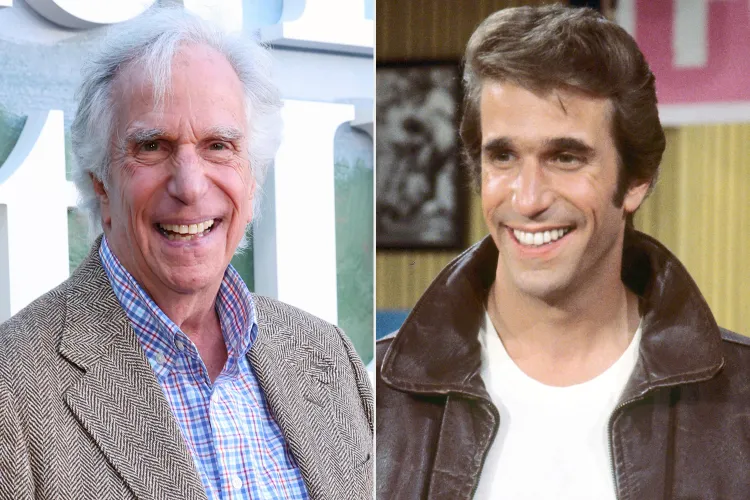
One Guest Star Kept Mentioning His Fan Mail
Winkler explained that the performer first appeared as a guest star and was later invited back several times.
As his appearances continued, the actor repeatedly talked about the fan mail he had begun receiving.
Winkler eventually decided to address it directly.
He told the guest star that fan letters were not something he wanted to compare. If the conversation became a competition, Winkler had an overwhelming advantage: he was receiving approximately 50,000 letters each week.
But his point was not to boast about the size of his own audience.
It was the opposite.
Winkler wanted the actor to understand that even the show’s biggest star did not bring those numbers onto the set. The cast worked as equals, regardless of who received the most mail or attracted the loudest reaction from viewers.
“We are all here as one,” Winkler recalled telling him.
According to Winkler, the message did not change the guest star’s behavior.
The actor continued talking about the attention he was receiving, leaving Winkler with an unfavorable memory of their time together.
Years later, Winkler described him bluntly, saying he behaved like an “a–back.”
The Clue Pointed to Eugene Belvin
Winkler stopped short of saying the actor’s name during the fan event.
However, he noted that the performer played Eugene on the series.
Eugene Belvin appeared during Seasons 8 and 9 of Happy Days and was portrayed by Denis Mandel.
The character was connected to Jenny Piccalo and belonged to the younger group introduced during the later years of the show.
Mandel eventually stepped away from the acting industry.
Winkler did not explain why he chose not to identify the guest star directly, nor did he provide additional details about their disagreements. His story centered instead on the contrast between the actor’s behavior and the culture the regular cast tried to maintain.
The incident appears to have remained memorable not because someone was excited to receive fan letters, but because that excitement became a repeated topic after Winkler had already explained why it did not belong on set.
Fonzie’s Popularity Could Have Divided the Cast
Winkler’s insistence that there was “no stardom” behind the scenes is especially notable considering how quickly Fonzie became central to the show.
Happy Days originally focused heavily on Richie Cunningham, played by Ron Howard, and his family. But the audience’s affection for Fonzie expanded the character’s presence and made Winkler one of the program’s defining figures.
That kind of shift could have created resentment.
Instead, Howard has said that he and Winkler connected almost immediately.
Speaking in New York City in May 2025, Howard recalled admiring Winkler’s thoughtful approach to acting. Winkler had studied at Yale and brought a theater-based perspective that Howard found different from the Hollywood environment he knew.
More importantly, Howard said they simply got along well and worked effectively together.
Their relationship offered a very different example of how actors could respond to changing levels of fame.
As Fonzie’s popularity grew, Winkler and Howard maintained both their professional partnership and personal connection. The success of one performer did not have to diminish the contribution of another.
That cooperative attitude appears to be what Winkler expected from everyone entering the Happy Days set.
Fan Mail Once Measured Television Stardom
During the years when Happy Days dominated American television, letters offered one of the clearest signs of how strongly viewers connected with an actor.
Fans could not instantly post comments or send direct messages through social media. Writing to a television star required finding an address, composing a letter, placing it in an envelope and mailing it.
Receiving thousands of letters therefore represented enormous cultural impact.
Winkler’s reported total of 50,000 pieces of mail each week reflected the extraordinary popularity of Fonzie.
Yet he used that number during the confrontation not to establish dominance, but to make a point about humility.
If he could avoid repeatedly discussing such an overwhelming response, Winkler believed a recurring guest actor could do the same.
The workplace, in his view, needed to remain focused on the ensemble rather than turning into a contest over recognition.
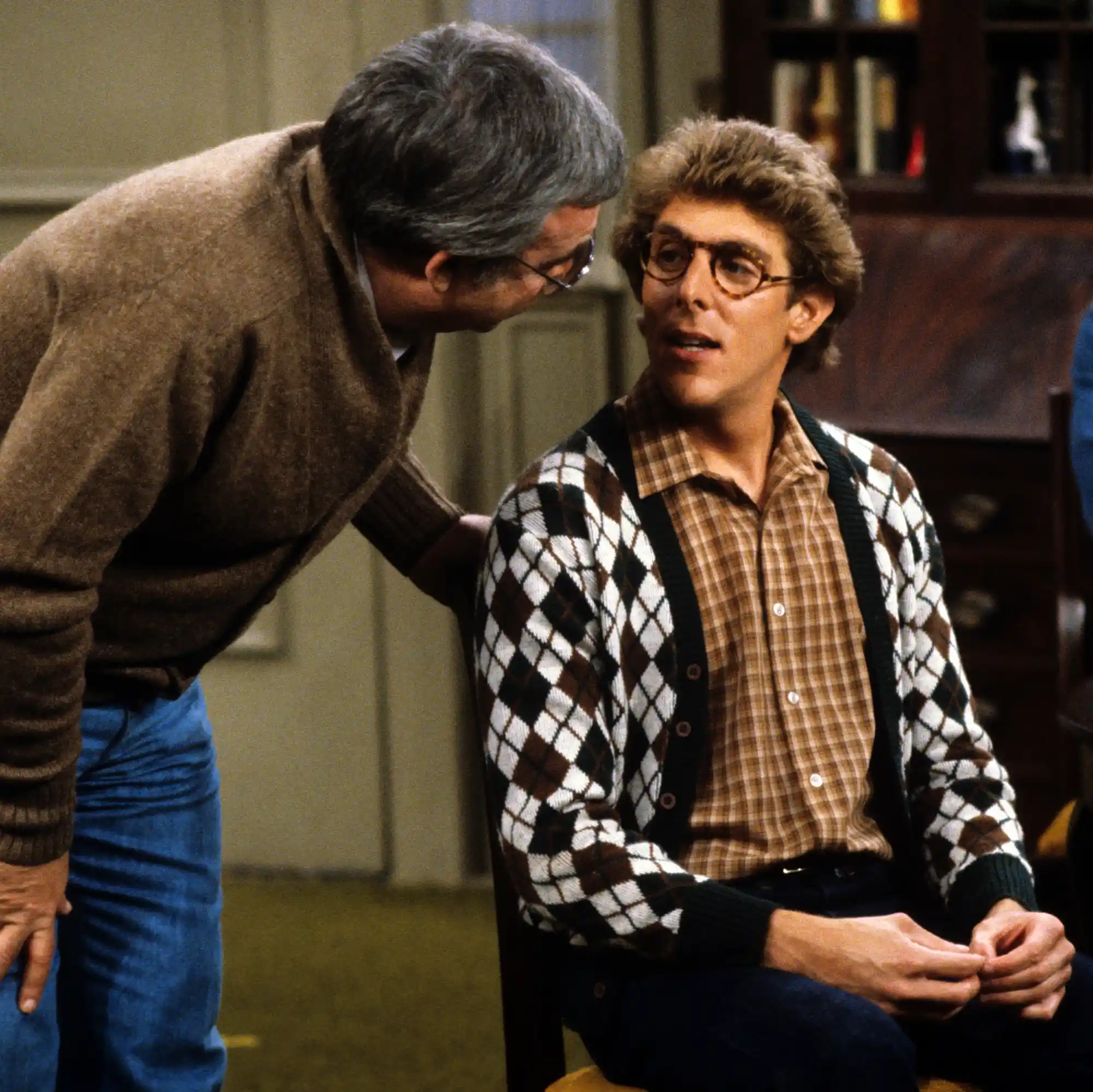
Most of the Cast Shared a Strong Bond
Winkler’s story stood out because he described the difficult guest star as an exception.
Most of the performers on Happy Days, he indicated, fit comfortably into the collaborative atmosphere.
The series ran for 11 seasons and became one of the defining television comedies of its era. Its success depended on a cast that included Howard, Williams, Most, Tom Bosley, Marion Ross and Erin Moran, among others.
Winkler’s continuing appearances with Williams and Most more than four decades after the show ended reflect the lasting relationships created during that period.
Their reunion at the Tennessee fan expo gave the actors an opportunity to revisit stories from the set—both affectionate memories and occasional frustrations.
The guest star who talked constantly about fan mail became an example of what the regular cast tried not to become.
They were famous, but the work still required cooperation.
They received enormous attention, but that attention was not supposed to dictate how they treated one another.
A Lesson Winkler Never Forgot
Winkler has spent decades being associated with one of television’s most famous symbols of cool.
But his memory of the unnamed guest actor reveals that he valued something very different behind the scenes.
He did not object to success. He knew better than almost anyone what it felt like to become suddenly recognizable to millions of viewers.
What bothered him was allowing that success to disrupt the sense that everyone on set belonged to the same team.
The guest star’s fan mail may have seemed exciting at the time. To Winkler, however, repeatedly advertising it showed that the actor had misunderstood the culture around him.
The regular cast did not pretend that Fonzie was unpopular or that fame did not exist. They simply refused to let it determine who mattered most once they arrived for work.
Decades later, Winkler still remembers the performer who failed to understand that distinction.
On Happy Days, the audience may have had its favorite.
But behind the camera, Winkler believed everyone was supposed to stand on equal ground.