Unsettling Theory Emerges Over Why Bryan Kohberger Chose the Idaho Murder House
Years after the murders of four University of Idaho students, one question continues to haunt the case: Why did Bryan Kohberger choose that particular house?
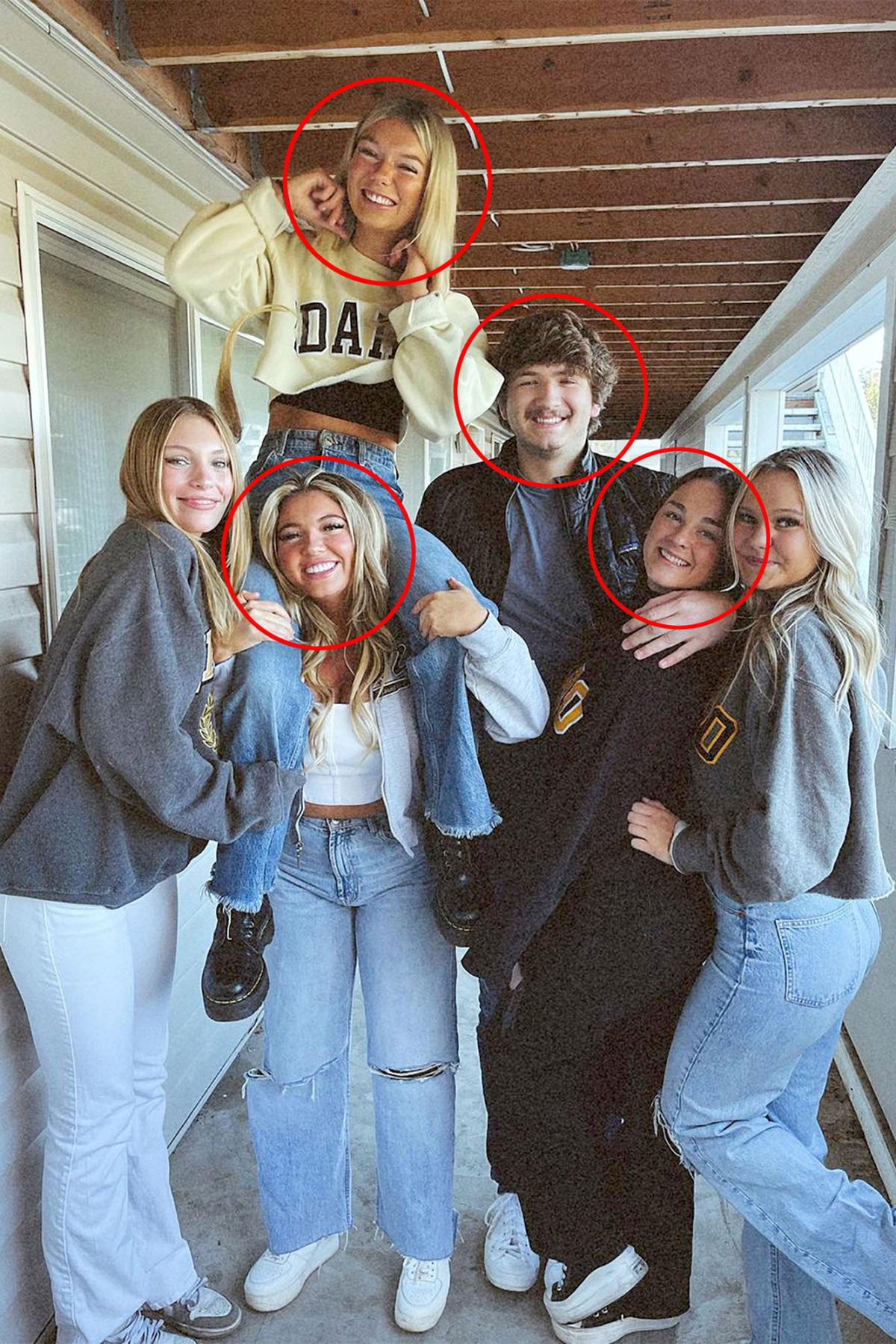
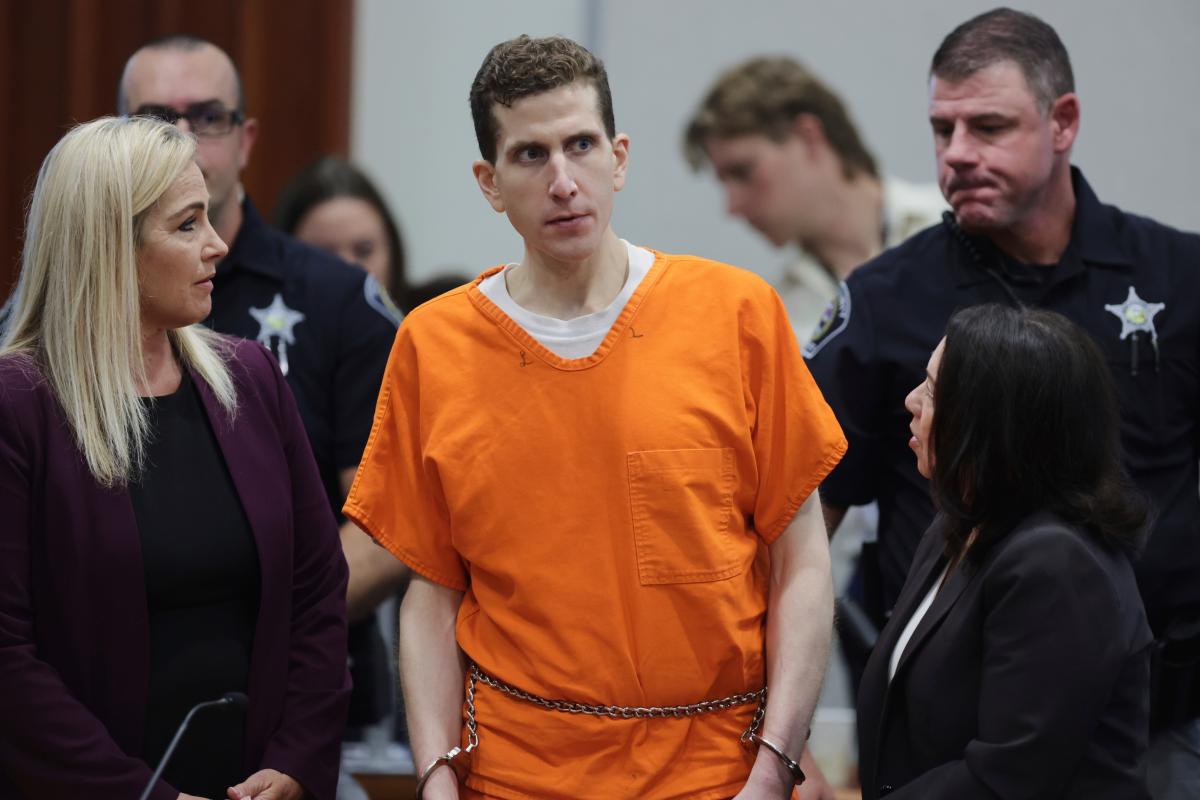
Kohberger, 31, is currently serving four consecutive life sentences without the possibility of parole after pleading guilty to the 2022 killings of Kaylee Goncalves, Madison Mogen, Xana Kernodle and Ethan Chapin at an off-campus residence in Moscow, Idaho.
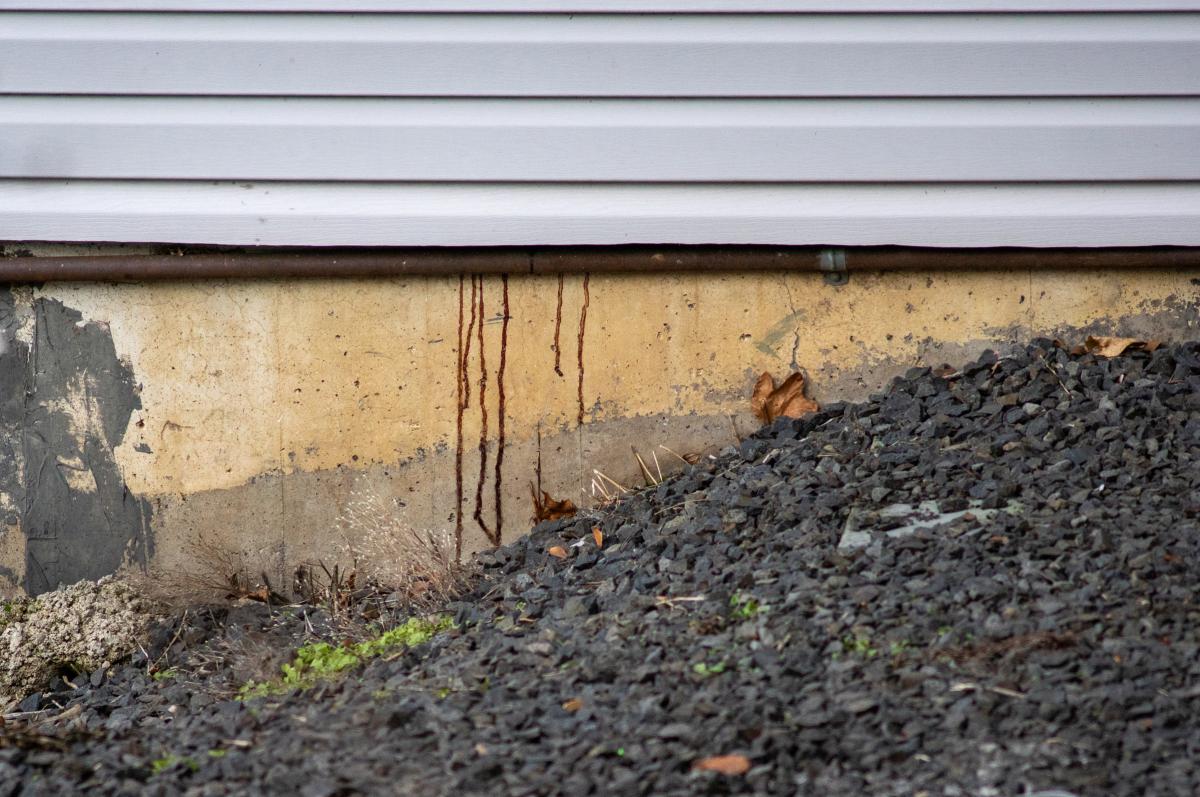
The motive behind the attacks, however, remains unclear. Kohberger has never publicly provided a definitive explanation for why he targeted the home or the four students, leaving investigators, families and the public to search for answers.
In a new Netflix documentary, filmmaker Skye Borgman suggested one possible theory. She pointed to the fact that the home was occupied primarily by young women and argued that Kohberger may have deliberately chosen the residence after observing it for an extended period.
Borgman emphasized that her theory is speculative and cannot be confirmed. She noted that Kohberger was reportedly seen in the area in the weeks and months before the murders, raising questions about whether he had been watching the house and its residents.
The filmmaker also discussed reports of Kohberger’s previous interactions with women and claims from former classmates and acquaintances that he sometimes behaved in ways they found uncomfortable or unsettling. However, an FBI agent involved in the investigation said there was no evidence establishing that Kohberger was part of the online “incel” movement, a community sometimes associated with hostility toward women.
The documentary also explores accounts from people who encountered Kohberger before his arrest. Some described him as socially isolated, argumentative or difficult to interact with, while others recalled incidents that made them uncomfortable. None of those reported encounters, according to former law enforcement officials, were considered criminal at the time.
Other allegations have also emerged from accounts collected during the investigation, including claims about unwanted interactions with women and a reported incident at an adult entertainment venue in Pennsylvania. However, these accounts remain allegations and were not established as part of the criminal convictions against Kohberger.
The question of motive has remained one of the most frustrating aspects of the case. Borgman said even investigators who worked extensively on the murders have struggled with the fact that they may never fully understand what drove Kohberger to commit the crimes.
The families of the victims, meanwhile, have increasingly focused on remembering and honoring their loved ones rather than waiting for Kohberger to explain his actions. According to Borgman, relatives of Ethan, Madison, Kaylee and Xana have sought to turn their grief into efforts that could help other families facing tragedy.
Kohberger’s legal situation has also recently attracted renewed attention. He previously pleaded guilty in 2025 after prosecutors agreed not to seek the death penalty. More recently, he reportedly attempted to withdraw that plea, alleging that his attorneys pressured him into accepting the agreement. The move could potentially reopen legal proceedings surrounding the case.
As questions about the murders continue to draw public attention, the exact reason Kohberger chose the house and why he carried out the attacks remains unknown. While theories continue to emerge, no definitive explanation has been publicly established, leaving the motive as one of the biggest unanswered questions surrounding the case.