Lindsay Clancy’s Private Journals Offer Insight Into Her Mental State Before the Deaths of Her Three Children
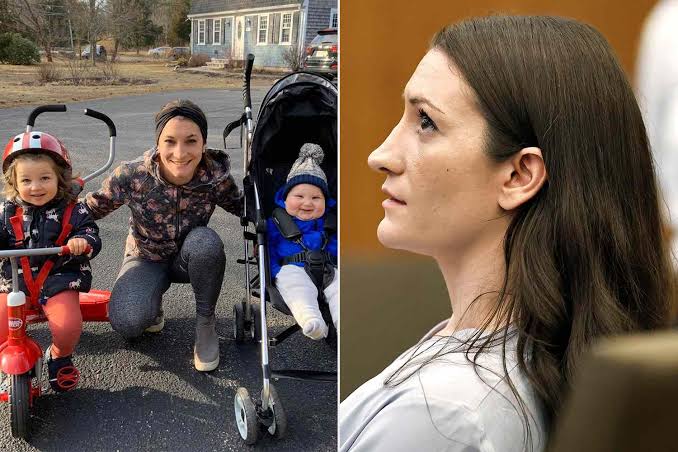
Lindsay Clancy’s Private Journals Offer Insight Into Her Mental State Before the Deaths of Her Three Children
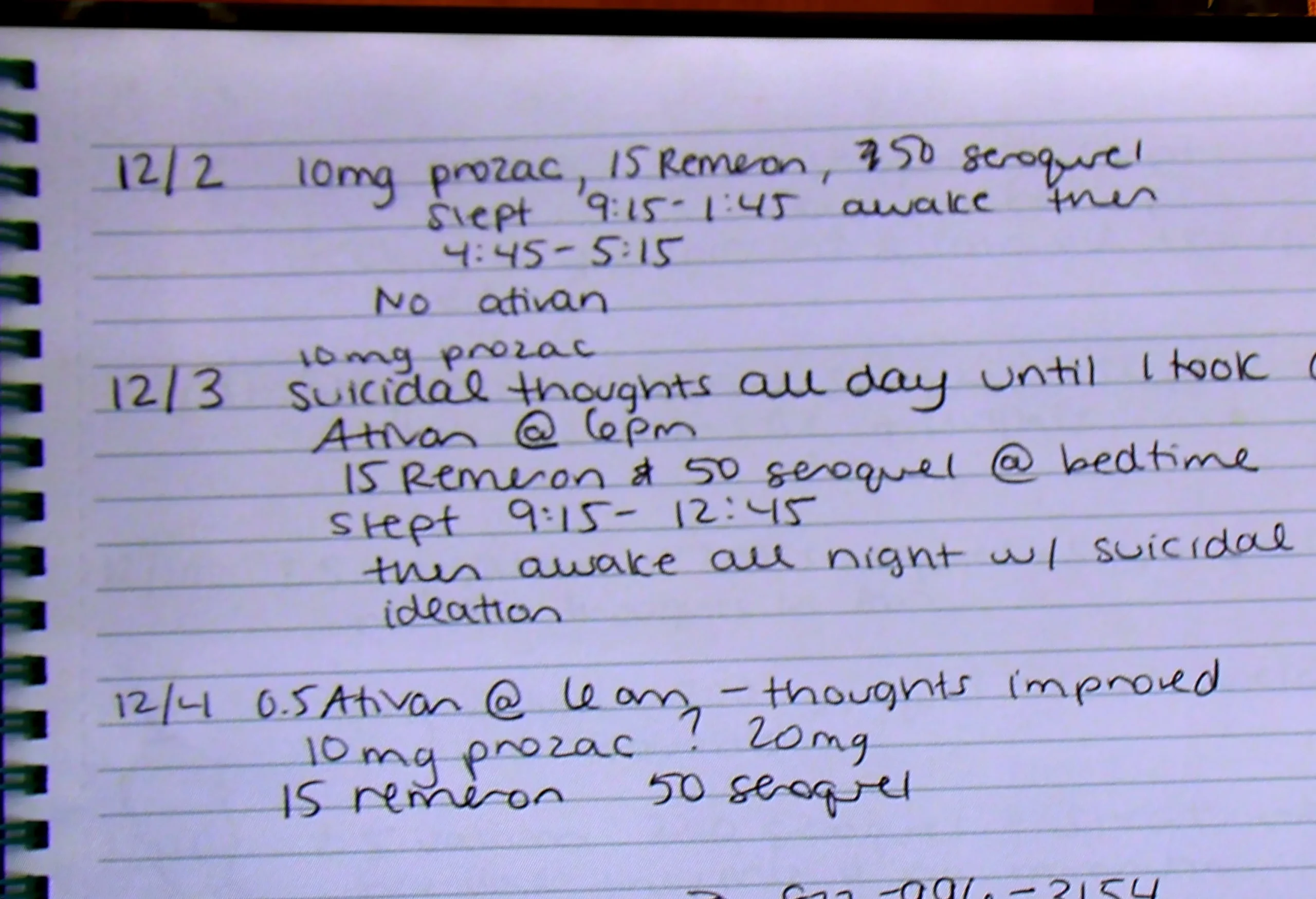
PLYMOUTH, Massachusetts – Personal journal entries written by Lindsay Clancy were read aloud to jurors this week, providing new insight into her emotional struggles in the months leading up to the deaths of her three children.
The journals have become a central piece of evidence in Clancy’s murder trial, where prosecutors and defense attorneys continue to offer sharply different interpretations of her mental condition at the time of the killings.
Journal Entries Describe Months of Emotional Distress
According to testimony, Clancy’s handwritten journals documented persistent anxiety, insomnia, feelings of guilt, and what she described as “brain fog” while caring for her three young children.
Jurors heard entries in which she wrote that she felt “completely overwhelmed,” struggled to cope with daily responsibilities, and worried constantly about her infant son’s sleep and health.
In other passages, she expressed a desire to recover, writing that she wanted help and hoped to feel like herself again.
Prosecutors and Defense Interpret the Writings Differently
Clancy has acknowledged causing the deaths of her children—5-year-old Cora, 3-year-old Dawson, and 8-month-old Callan—but has pleaded not guilty by reason of lack of criminal responsibility.
Her attorneys argue the journals support their claim that she was suffering from severe postpartum mental illness that affected her ability to understand the nature of her actions.
Prosecutors, however, contend that while the writings demonstrate emotional struggles, they do not eliminate criminal responsibility. They argue the evidence will show Clancy acted intentionally despite her documented mental health challenges.

Mental Health Treatment Also Examined
The trial has included testimony about Clancy’s medical care in the months before the tragedy. Court records indicate she sought psychiatric treatment multiple times and was prescribed several medications while reporting worsening anxiety, insomnia, and emotional distress.
Both sides agree that Clancy received mental health treatment, but they disagree on what those records ultimately demonstrate regarding her legal responsibility.
Trial Continues
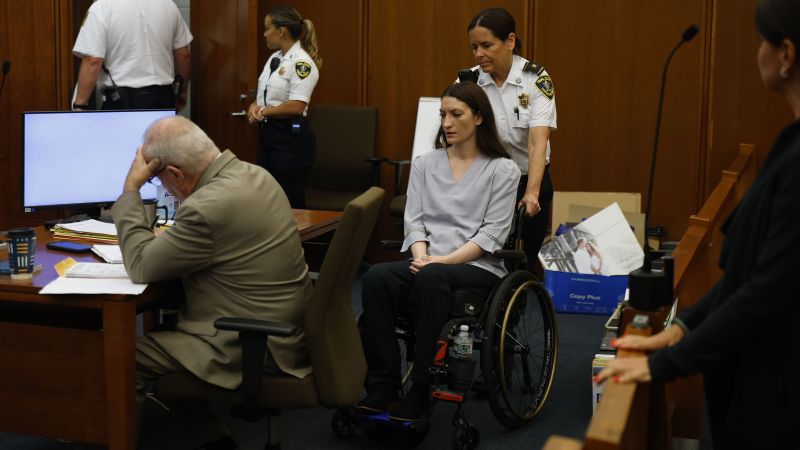
The trial remains ongoing in Plymouth Superior Court. Additional testimony from medical experts, investigators, and other witnesses is expected before jurors decide whether Clancy should be held criminally responsible under Massachusetts law.
No verdict has been reached, and the court has not yet determined whether her mental condition satisfies the legal standard for a finding of lack of criminal responsibility.