10 Supporting TV Characters Who Stole the Show — From T-Bag’s Twisted Menace to Gus Fring’s Terrifying Calm
Some television characters need entire seasons to become unforgettable. Others need one entrance, one look, or one carefully delivered line.
They are not necessarily the central heroes of their series. In some cases, they were introduced as obstacles for the protagonists. In others, they occupied only one corner of a huge ensemble. Yet their performances became so distinctive that audiences began waiting for them to appear.
A few eventually grew into bigger roles or even earned spin-offs of their own. That almost proves the point: they were originally built around someone else’s story, yet became impossible to contain there.
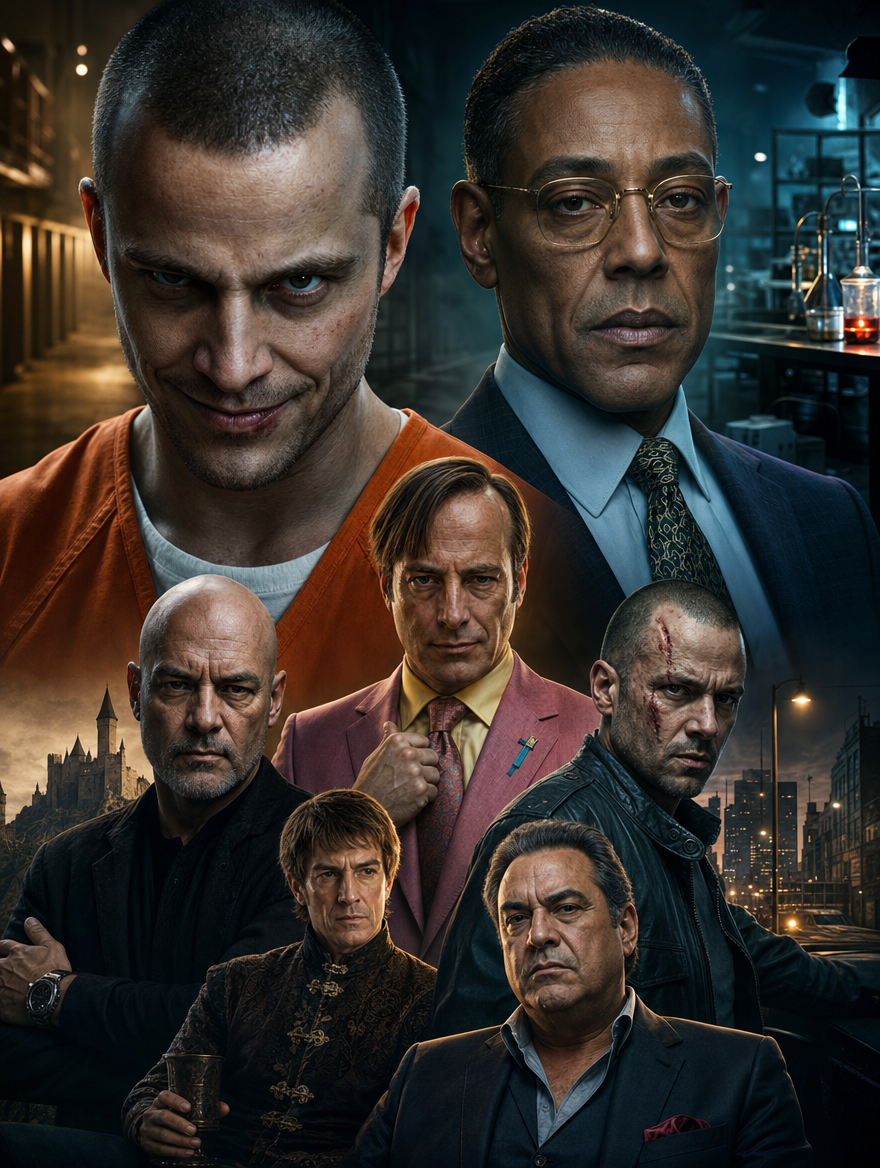
From Prison Break to Breaking Bad, The Wire and Game of Thrones, here are 10 secondary characters who left an extraordinary mark on American television.
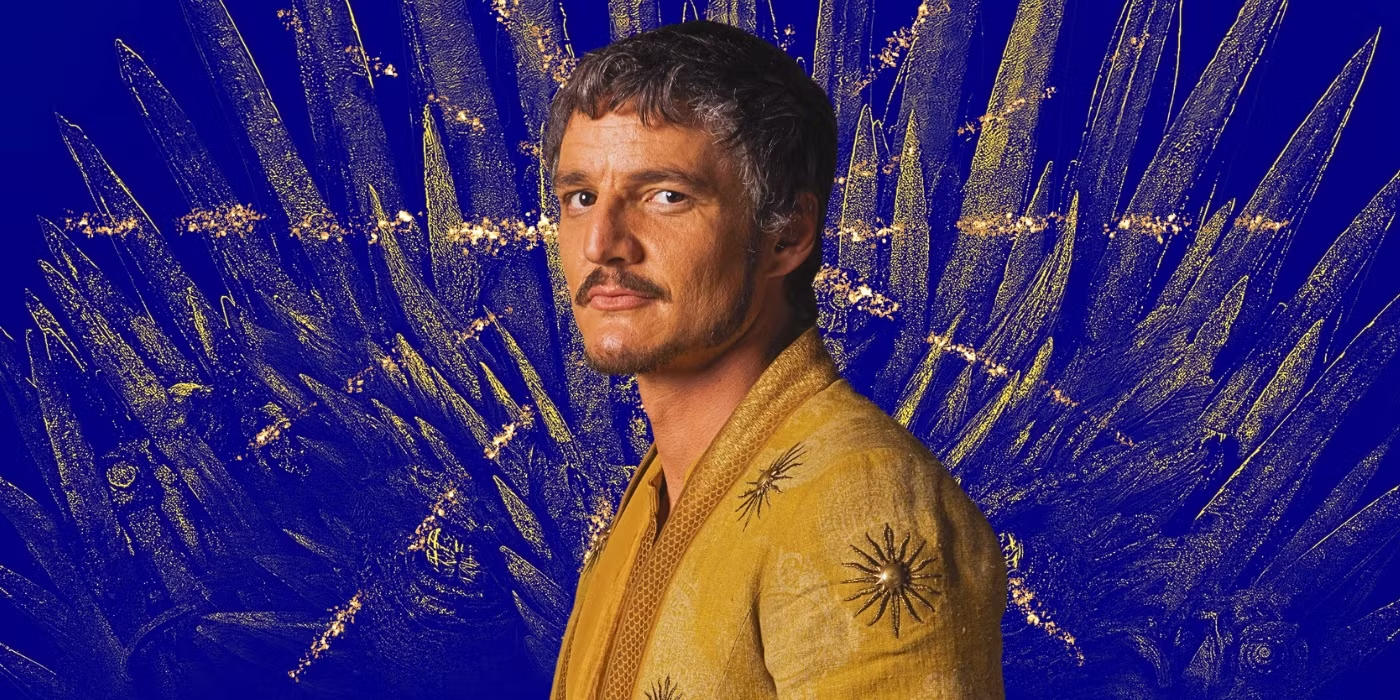
10. Oberyn Martell — Game of Thrones
Pedro Pascal needed only one season to make Prince Oberyn Martell feel essential.
Oberyn arrives in King’s Landing during Season 4 carrying charm, confidence and an old desire for revenge. HBO describes him as the Dornish prince known as the Red Viper, a formidable fighter whose personal history puts him directly at odds with the Lannisters.
What makes Oberyn so memorable is the speed with which Pascal establishes him. He can be playful in one scene and genuinely dangerous in the next.
Then comes his trial-by-combat showdown with Gregor “The Mountain” Clegane.
For viewers who experienced it without spoilers, few supporting-character arcs have ever produced such a brutal emotional reversal.
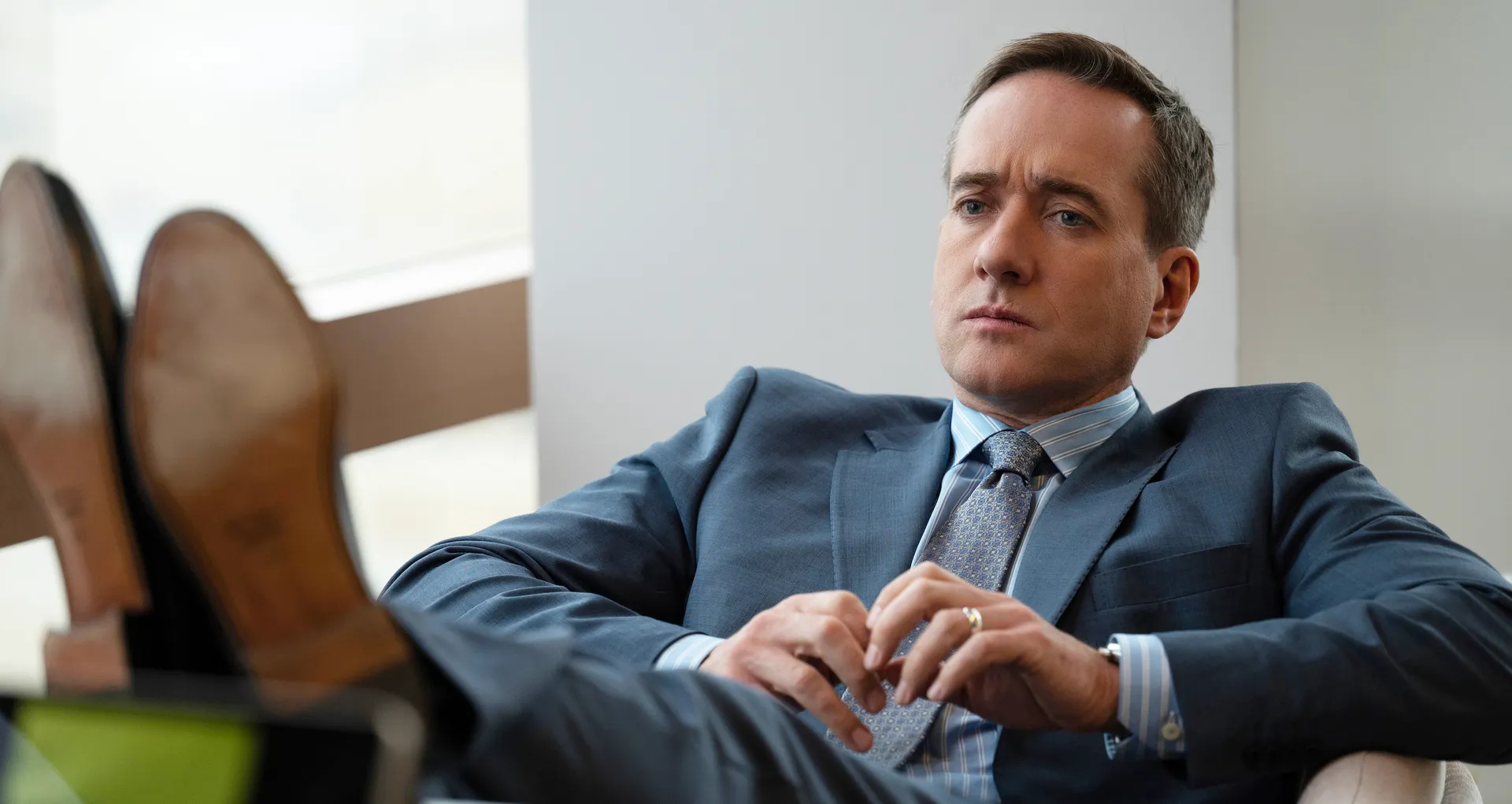
9. Tom Wambsgans — Succession
At first glance, Tom Wambsgans looks like someone permanently standing outside the Roy family’s inner circle.
That is exactly what makes him fascinating.
Played by Matthew Macfadyen, Tom begins as Shiv Roy’s ambitious partner, desperately attracted to the wealth, prestige and security surrounding her family. HBO characterizes him as a man pursuing acceptance within the Roy dynasty.
Macfadyen turns that desperation into something alternately hilarious, pathetic, cruel and surprisingly calculating.
His abusive friendship with Greg provides some of Succession’s funniest scenes. His marriage to Shiv provides some of its saddest.
By the series finale, Tom’s evolution makes those awkward early episodes look very different.
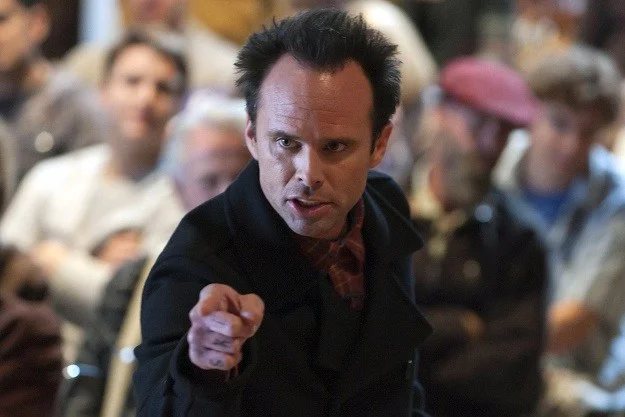
8. Boyd Crowder — Justified
Raylan Givens may be the hero of Justified, but the series would lose much of its electricity without Boyd Crowder.
Walton Goggins plays Boyd as a Kentucky outlaw capable of shifting between preacher, criminal strategist, romantic and killer—sometimes without changing the calm rhythm of his voice.
The tension between Boyd and Raylan ultimately became so important that FX framed the final season around the long-building conflict between the two men. Goggins also earned an Emmy nomination for the performance.
Boyd’s greatest weapon is rarely a gun.
It is language.
He can make a threat sound like philosophy and a confession sound like a sermon.
7. Negan — The Walking Dead
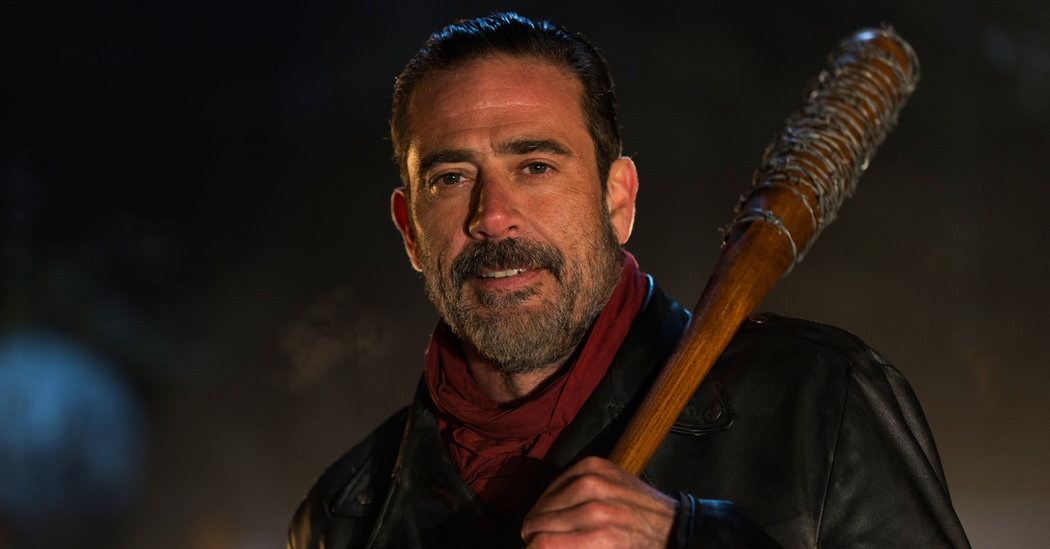
Few supporting villains have announced themselves as violently as Negan.
Jeffrey Dean Morgan’s character arrives with a leather jacket, a baseball bat named Lucille and complete confidence that everyone around him belongs to him.
AMC has described Negan as one of the greatest villains in The Walking Dead’s history.
Yet longevity transformed him.
The character eventually moved far beyond his original role as Rick Grimes’ monstrous adversary. Later seasons explored his past, guilt and uneasy relationships with people who had every reason to hate him.
His popularity became large enough that Morgan eventually co-led the spin-off The Walking Dead: Dead City alongside Lauren Cohan’s Maggie.
That journey—from feared villain to franchise-leading character—shows just how powerful his initial impact was.
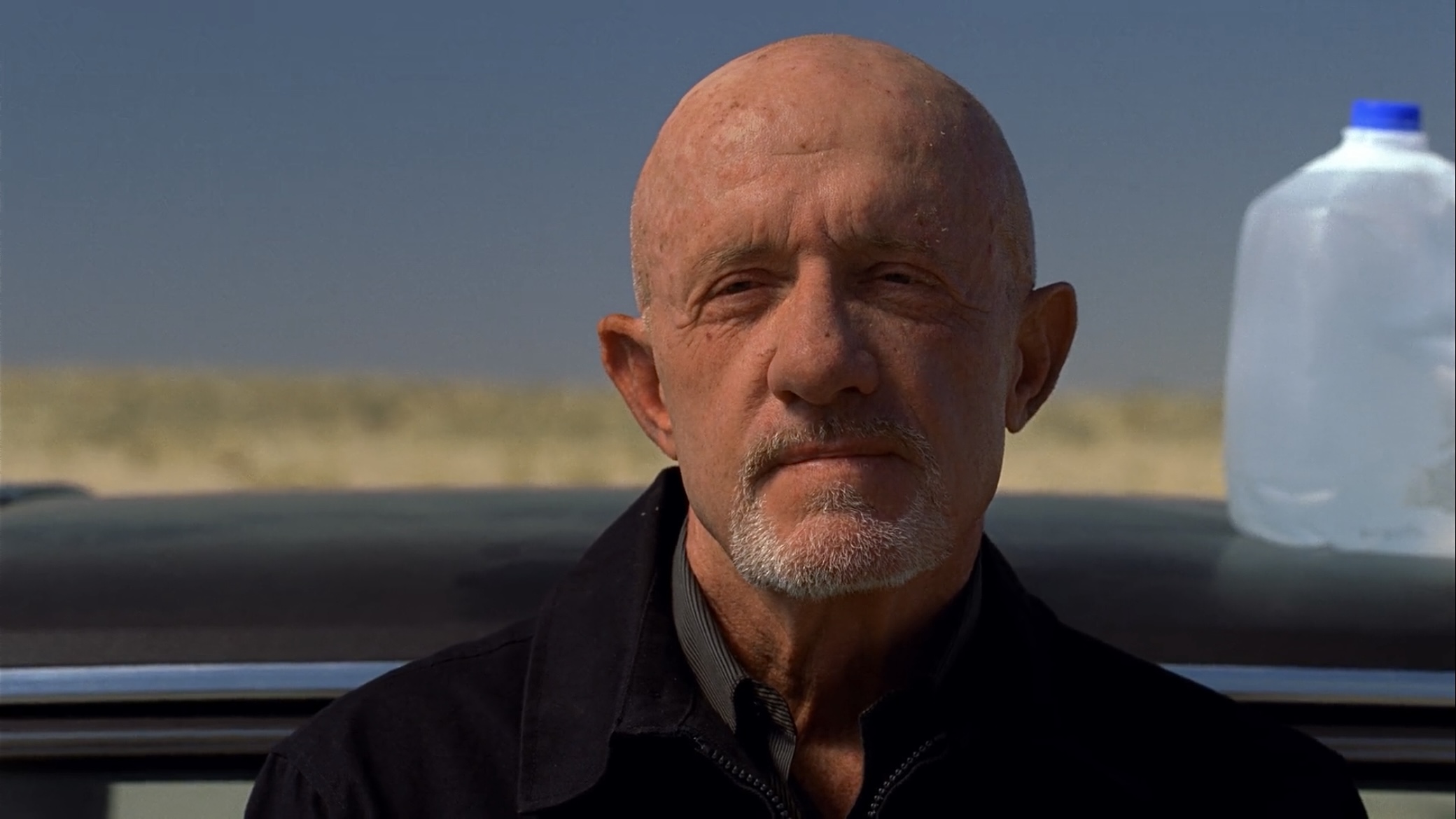
6. Mike Ehrmantraut — Breaking Bad / Better Call Saul
Mike Ehrmantraut rarely raises his voice.
He does not need to.
Jonathan Banks built the former police officer and criminal fixer around exhaustion, professionalism and a strict personal code that becomes increasingly difficult to reconcile with the life he has chosen.
Mike first entered Breaking Bad as a supporting figure, but his popularity and dramatic potential carried him into Better Call Saul, where his history became one of the prequel’s major storylines. AMC itself called Mike a “beloved character” introduced in Breaking Bad.
Banks repeatedly earned Emmy recognition for the role, including nominations in the supporting-actor category.
Mike can make silence feel more threatening than another character’s entire speech.
5. Saul Goodman — Breaking Bad
Walter White needed a lawyer.
Television got Saul Goodman.
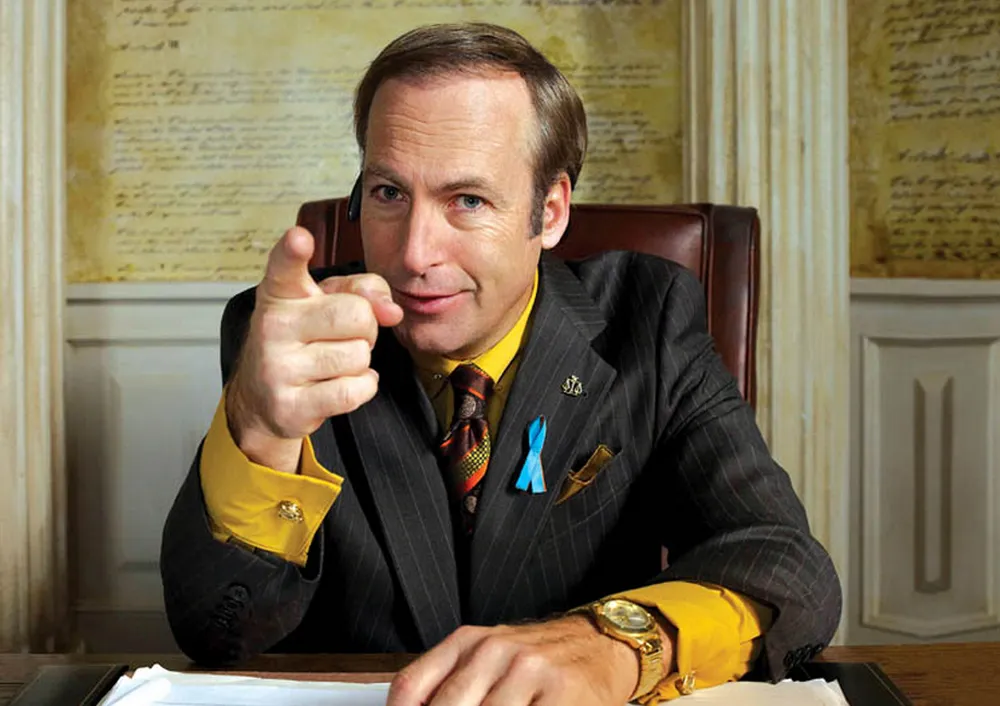
Bob Odenkirk entered Breaking Bad as the brightly dressed attorney willing to connect criminals with exactly the kind of people criminals should probably know.
He could have remained comic relief.
Instead, Saul became essential.
His advertisements, survival instinct, moral flexibility and rapid-fire explanations made him one of the most immediately recognizable characters in the series.
Then something unusual happened: the supporting character became interesting enough to support an entirely separate drama.
Better Call Saul went backward and revealed Jimmy McGill, the struggling lawyer who would eventually construct the Saul Goodman identity. AMC describes the prequel as taking place before Jimmy became Walter White’s lawyer.
Very few supporting characters can claim a stronger legacy than eventually becoming the protagonist of another acclaimed series.
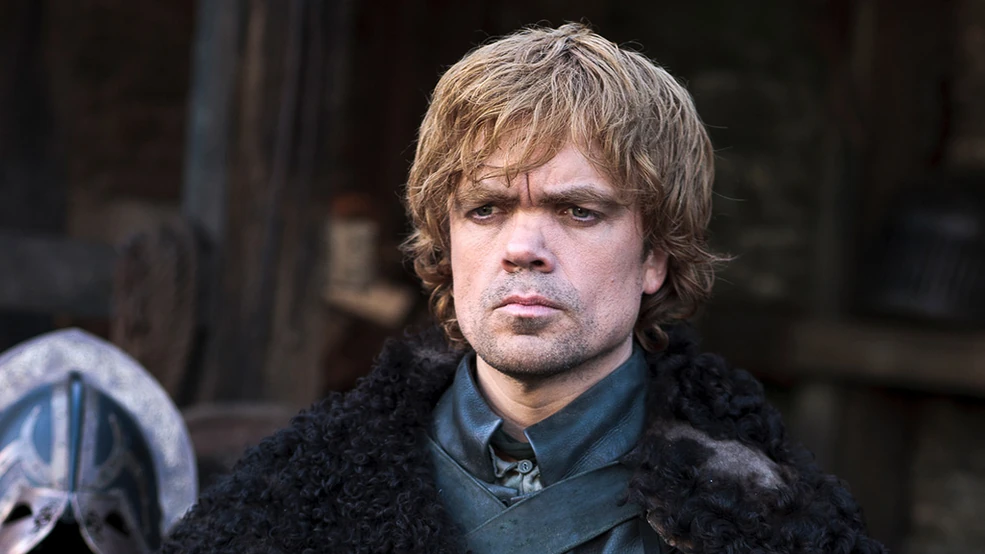
4. Tyrion Lannister — Game of Thrones
Calling Tyrion Lannister merely “supporting” can feel strange because Peter Dinklage became so central to Game of Thrones.
But in an enormous ensemble filled with kings, queens, warriors and would-be rulers, Tyrion began as one member of the sprawling Lannister family rather than the show’s single protagonist.
Then Dinklage made him indispensable.
Tyrion survived through intelligence, humor and the ability to understand people who consistently underestimated him.
The television industry recognized the performance repeatedly. Dinklage won the Emmy for Outstanding Supporting Actor in a Drama Series multiple times, including for the show’s final season.
His courtroom speech, his relationship with Tywin and his unlikely political rise gave the series some of its strongest character-driven scenes.
For long stretches, viewers were not watching Tyrion support someone else’s story.
They were waiting for the story to return to Tyrion.
3. Omar Little — The Wire
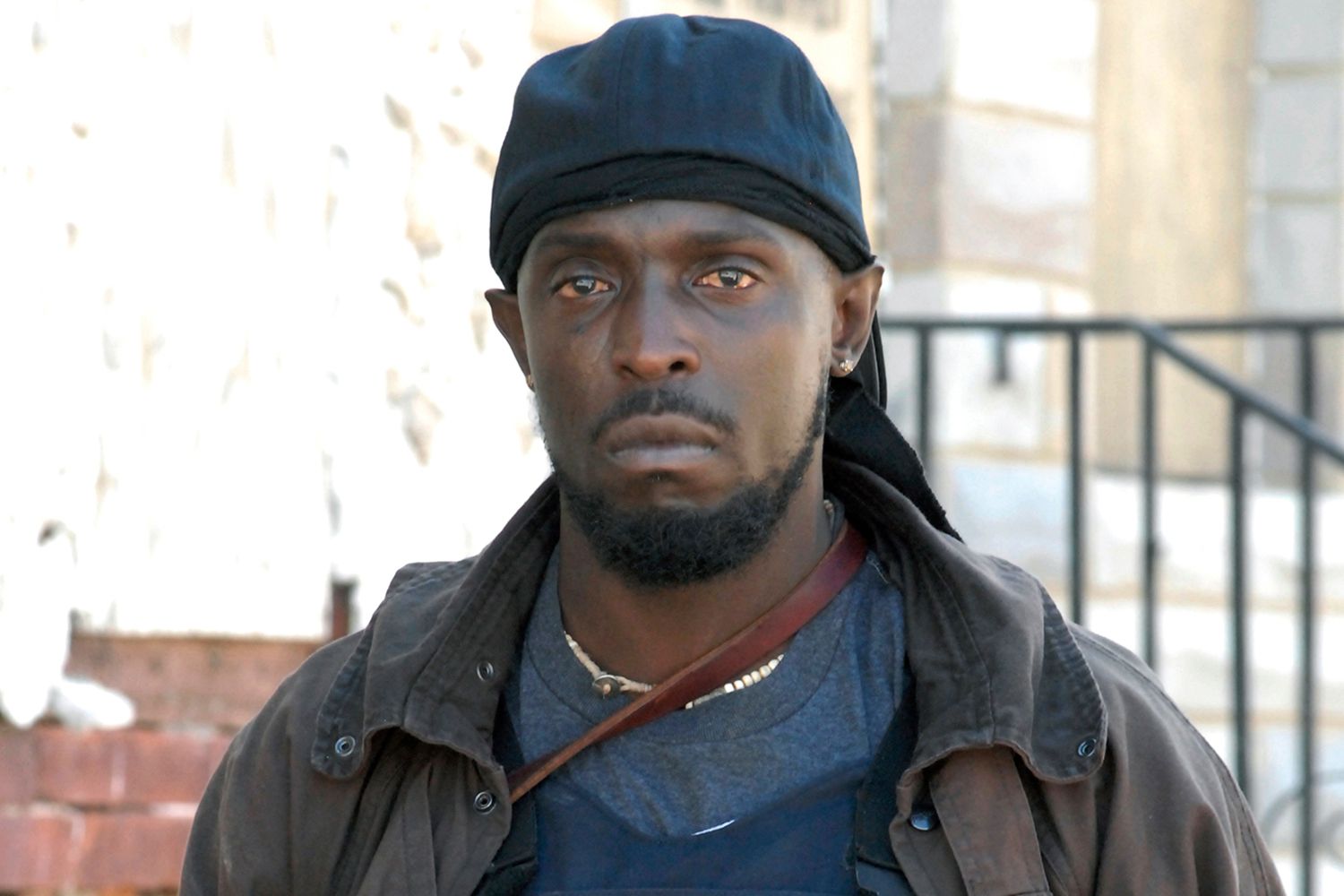
Omar Little breaks almost every expectation of the conventional television gangster.
Michael K. Williams plays him as a stick-up man who robs drug dealers, lives according to his own code and inspires immediate fear whenever word spreads that he is nearby.
HBO describes Omar as one of Baltimore’s most notorious stick-up artists, a predator operating inside the city’s criminal ecosystem.
But Williams gives him enormous humanity.
Omar is dangerous without being reduced to violence, principled without pretending to be innocent, and charismatic without the series romanticizing the world around him.
In a show intentionally built without one traditional hero, Omar somehow became one of its most recognizable figures.
Sometimes a supporting character dominates through screen time.
Omar did it through presence.
2. Theodore “T-Bag” Bagwell — Prison Break
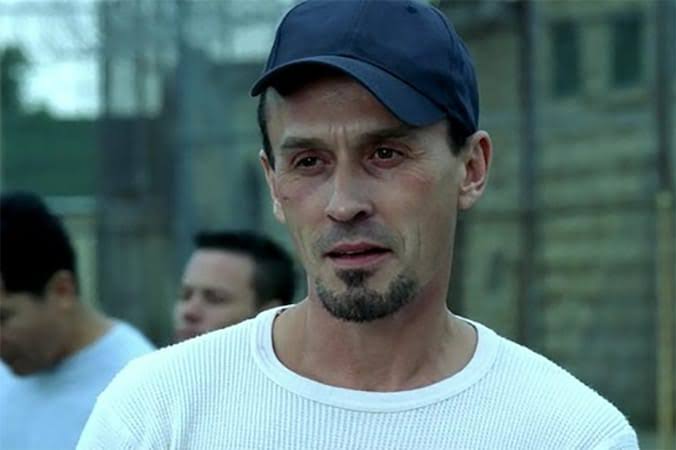
T-Bag is the kind of character viewers desperately want someone to stop—and still cannot look away from.
Robert Knepper’s Theodore Bagwell entered Prison Break as one of Fox River’s most disturbing inmates. He was initially introduced early in the series before becoming a regular member of the cast and one of the Fox River Eight.
Michael Scofield was the mastermind. Lincoln Burrows was the reason for the escape.
But T-Bag was chaos.
Knepper gave the character an unnerving physicality: the posture, Southern drawl, sudden smiles and unpredictable switches between humor and menace made almost every interaction uncomfortable.
Even after the prison escape expanded into a much bigger conspiracy, T-Bag repeatedly found ways to survive.
That persistence turned him from one dangerous inmate into one of the faces most strongly associated with Prison Break.
He was cruel, manipulative and often horrifying.
As a television character, he was almost impossible to forget.
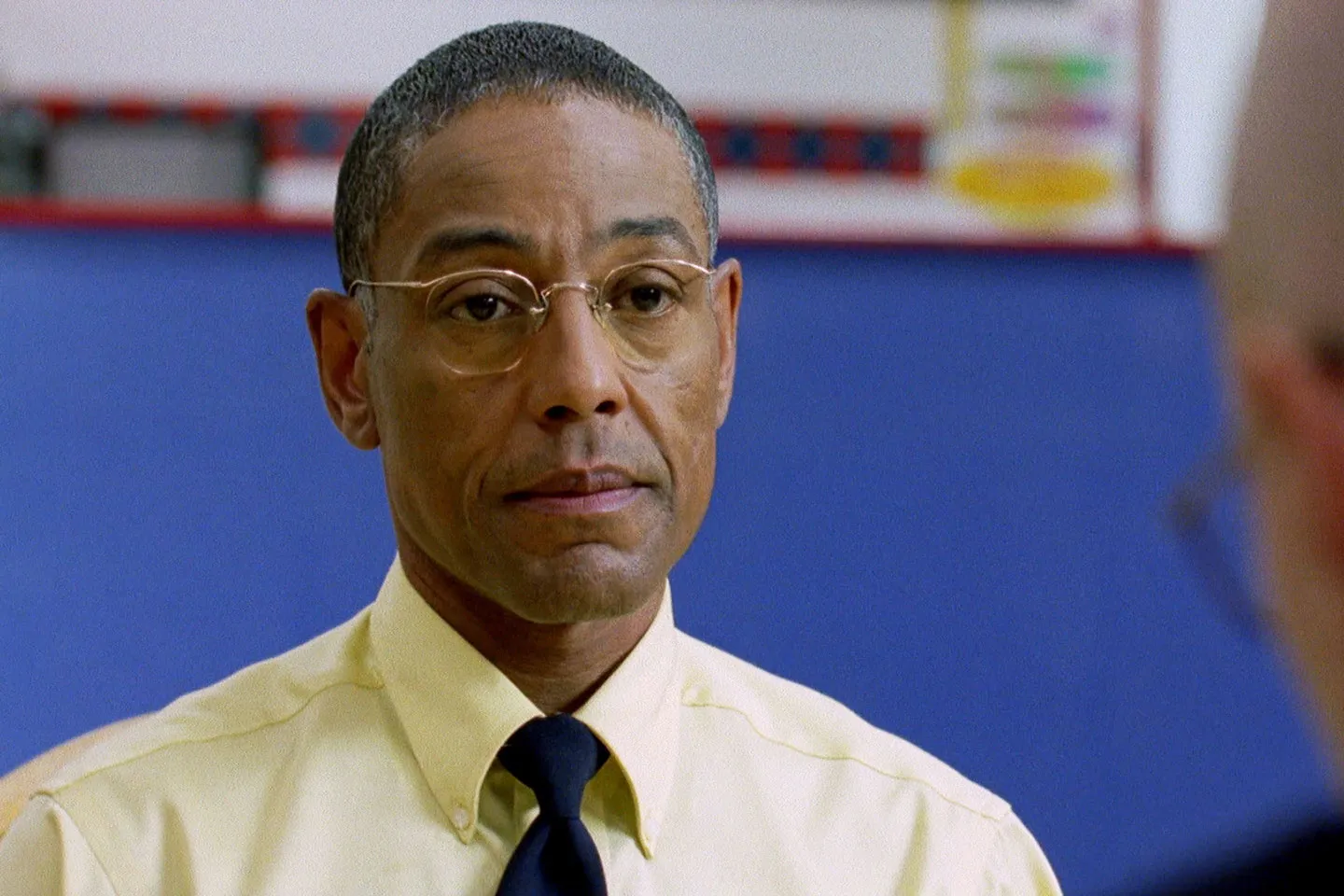
1. Gustavo “Gus” Fring — Breaking Bad
The most frightening thing about Gus Fring is how little he resembles a television drug lord when we first meet him.
Giancarlo Esposito introduces Gus as the composed owner of Los Pollos Hermanos, a polite businessman who appears to be a respectable member of the Albuquerque community.
Behind that surface is an extraordinarily disciplined criminal operator.
AMC describes the contrast directly: Gus was regarded publicly as an unassuming restaurant businessman while secretly building a drug empire powerful enough to challenge the cartel.
Esposito rarely needs theatrical explosions of anger. Gus becomes terrifying because he controls almost everything—the way he speaks, dresses, waits and watches.
Even Walter White initially struggles to understand exactly who he is dealing with.
That restraint made Gus different from countless television villains before him.
Esposito earned an Emmy nomination for Breaking Bad, and AMC later described his performance as an iconic portrayal.
His impact also survived his original series. Gus returned in Better Call Saul, where the prequel expanded the rivalry, patience and ambition that eventually created the criminal kingpin Walter encounters. His return was treated as a major event by the show’s creators and audience.
And that may be the ultimate measure of a supporting character.
The protagonist does not become less important when they appear.
The entire atmosphere simply changes.
T-Bag could make a prison corridor uncomfortable merely by entering it. Omar could shift the mood of a Baltimore street before he was even visible. Mike could communicate a threat without raising his voice.
But Gus Fring turned calmness itself into suspense.
Walter White may be the character whose transformation drives Breaking Bad.
Yet whenever Gus quietly walked into the room, even Walter suddenly seemed like he might be the supporting character.