She Once Thought Down Syndrome Adoption Was “Too Scary” — Then a Baby Boy in Florida Changed Everything She Believed About Disability
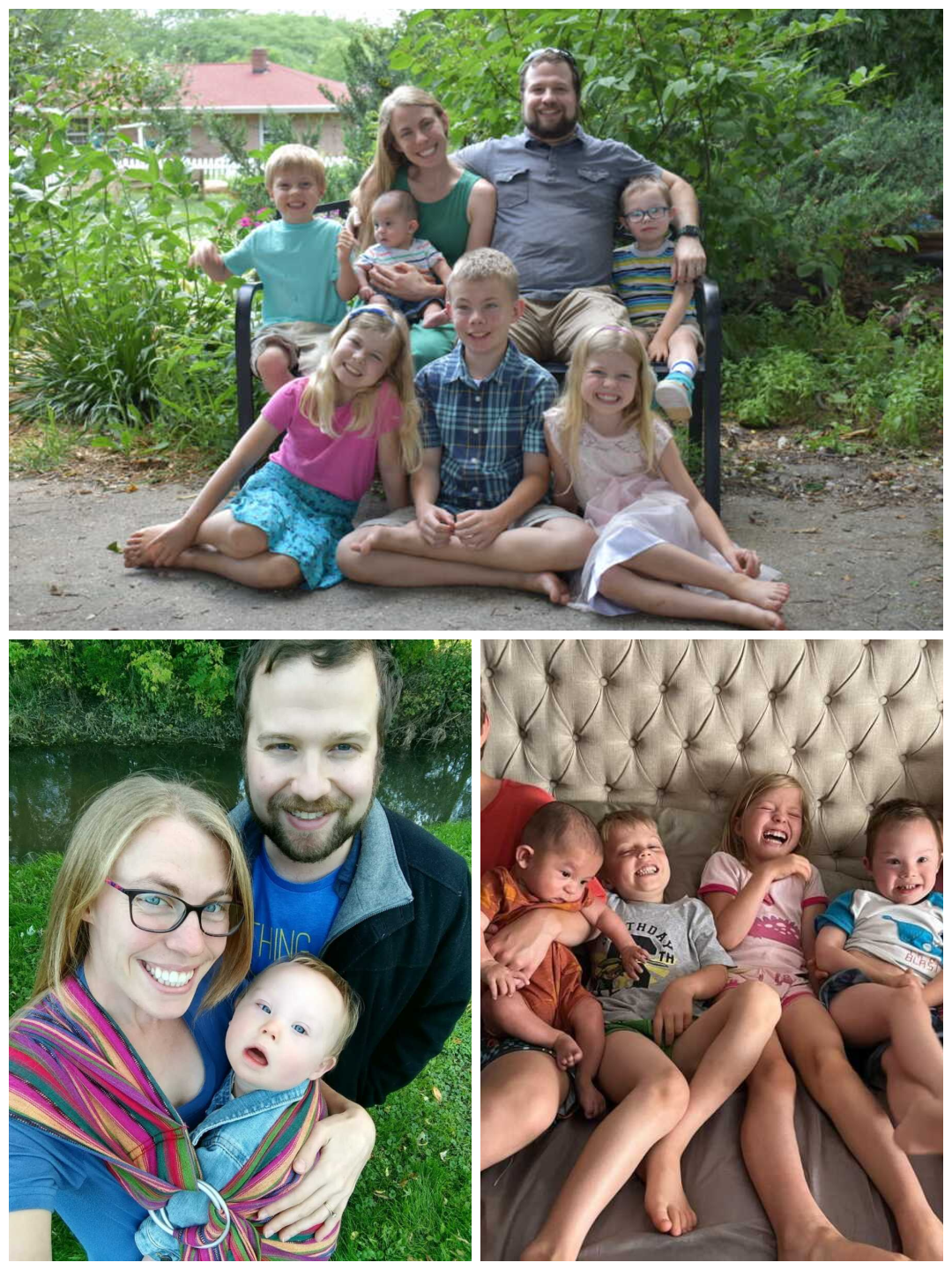
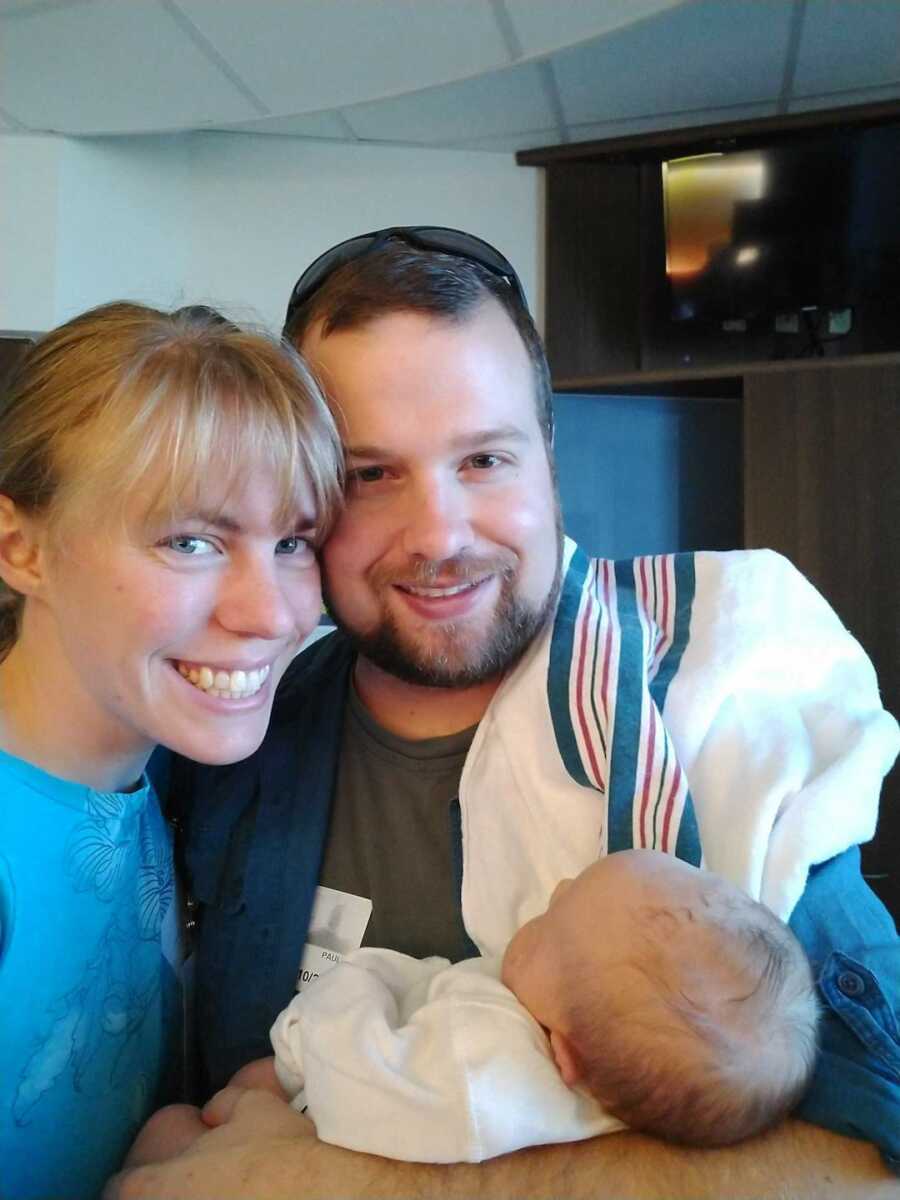
By the time Bethany and her husband, Paul, boarded a flight home from Florida, they were traveling with five children under age 9, a newborn fresh from the NICU and oxygen equipment they had only recently learned how to use.
It was exhausting, complicated and nothing like the adoption stories Bethany had imagined as a little girl.
But the baby beside them was finally coming home.
His name was Troy.
He had Down syndrome, had spent 10 days in intensive care after birth and had entered Bethany’s family through an adoption journey that began years earlier with a question neither she nor Paul could forget:
If they were genuinely ready to open their home to one child who needed a family, why not consider another child whose needs might make finding a family more difficult?
Adoption Had Been in Bethany’s Mind Since Childhood
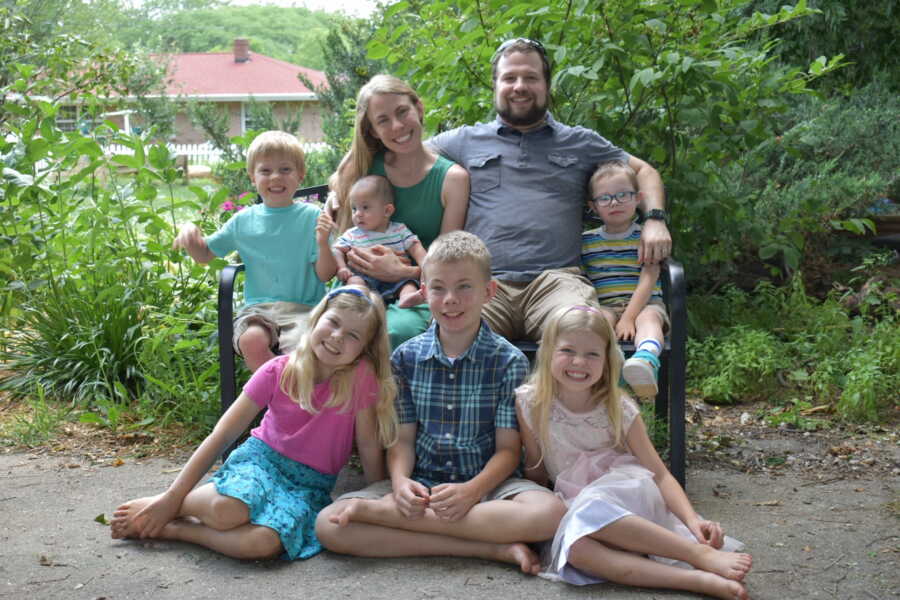
Bethany and Paul lived in southern Wisconsin and already had four biological children when they began seriously discussing adoption.
Their own relationship stretched back much further.
They first met in 1999 through families who attended the same church. Bethany was 9 and Paul was 14, and romance was nowhere on either child’s mind.
A decade later, everything changed.
Paul asked Bethany out in June 2009. They became engaged that September and married in December.
Bethany had imagined adoption since childhood.
Paul had not.
That changed after Bethany learned that a woman she had known years earlier was pregnant while incarcerated and might not be able to raise her baby.
Bethany called Paul and asked whether they could explore becoming the child’s family.
Paul agreed.
They soon learned the baby already had an adoptive family waiting.
Rather than ending the conversation, however, the experience opened another one.
Bethany and Paul realized how quickly they had been willing to say yes.
That made them ask why they should stop simply because that particular baby no longer needed them.
At First, Down Syndrome Felt Beyond Their Ability
Once the couple decided to explore adoption, the number of possibilities felt overwhelming.
International adoption did not seem right for their situation, especially with four young children already at home.
Domestic infant adoption was another option.
Then Bethany began thinking specifically about babies who had received medical or developmental diagnoses.
Could their family be equipped for that?
Initially, Down syndrome frightened her.
She assumed parenting a child with the condition required some extraordinary kind of parent she was not sure she could become.
Then she started reading.
The more Bethany learned, the more she recognized that many of her assumptions about people with Down syndrome were wrong.
She followed individuals with Down syndrome and families raising children with the condition. She repeatedly brought new discoveries to Paul.
Eventually, fear began giving way to confidence.
Bethany then discovered the National Down Syndrome Adoption Network and began communicating with its director, Stephanie.
Those conversations helped Bethany and Paul move from imagining adoption to actually preparing for it.
The Paperwork Wasn’t the Hardest Part
Bethany expected the home study to be intimidating.
There were forms, educational requirements and deeply personal discussions with a social worker.
Instead of feeling judged, however, she found the process reassuring.
Their social worker helped the family realistically consider what parenting an adopted child with disabilities could involve.
Eventually, everything was finished.
Their family profile entered the adoption network’s registry, where expectant mothers considering adoption could learn about them.
Then came the part Bethany had underestimated.
Waiting.
Their profile was presented for one baby who died before a family was selected.
Another time, a different adoptive family was chosen.
Weeks became months.
Bethany found herself wondering whether anyone would ever select them.
She described feeling grief for a child she had never met—a child whose identity and location she did not even know.
The uncertainty made her feel exposed.
They had prepared their home and hearts for someone who might never arrive.
Then, on July 5, 2018, her phone rang.
“Congratulations, Mama”
Bethany was driving her children home from a park when she saw Stephanie’s name on the phone.
Their family had recently been presented as a possibility for a baby boy expected in October.
More than a week had passed, so Bethany had tried not to expect anything.
She pulled over before answering.
Then she heard the words she had been waiting for.
The baby’s birth mother had chosen their family.
Bethany barely remembered the rest of the conversation.
The coming months became a rush of preparation and fundraising.
More importantly, Bethany and Paul began communicating with the woman carrying their future son.
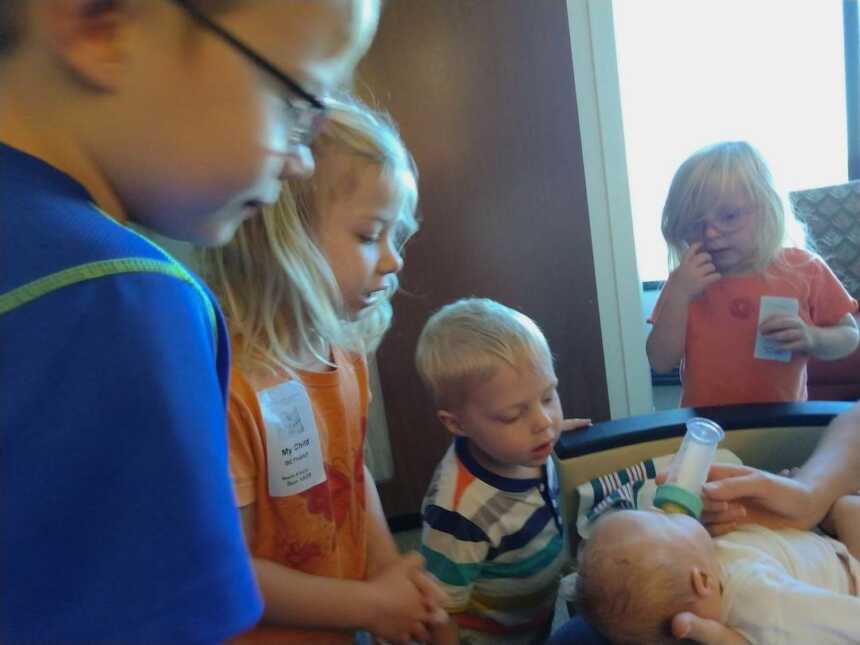
They exchanged calls and messages and decided the entire family would travel to Florida about a week before the baby’s due date.
There was an important reason for bringing all four children.
Troy’s birth mother had looked through multiple family profiles, and one reason she selected Bethany and Paul was that she wanted her son to grow up with siblings.
At the time, the children were 8, 6, 4 and 2.
Bethany wanted Troy’s birth mother to meet them and see the family her son would be joining.
Two Mothers Met Before Troy Was Born
After arriving in Florida, Bethany’s family met both of Troy’s birth parents.
Bethany quickly felt connected to his birth mother.
They were approaching the same child from very different positions, but both loved him deeply.
That reality changed Bethany’s understanding of adoption.
As a girl, she had sometimes imagined adoption as rescuing an abandoned baby.
Real adoption, she learned, was far more complicated.
Troy did not need to be “rescued” from a mother who did not care about him.
His birth mother loved him profoundly.
Her adoption decision had been made within that love.
On October 24, Troy was delivered by emergency C-section.
Bethany was beside his birth mother, holding her hand as the baby entered the world.
The joy lasted only moments before fear took over.
Troy Was Rushed to the NICU
Shortly after birth, Troy appeared extremely pale and was breathing slowly.
Medical workers rushed him to intensive care.
Bethany followed.
She watched as staff surrounded the newborn, attached monitors, inserted an IV and gave him a blood transfusion.
At one point, she took a photograph of him.
The reason terrified her.
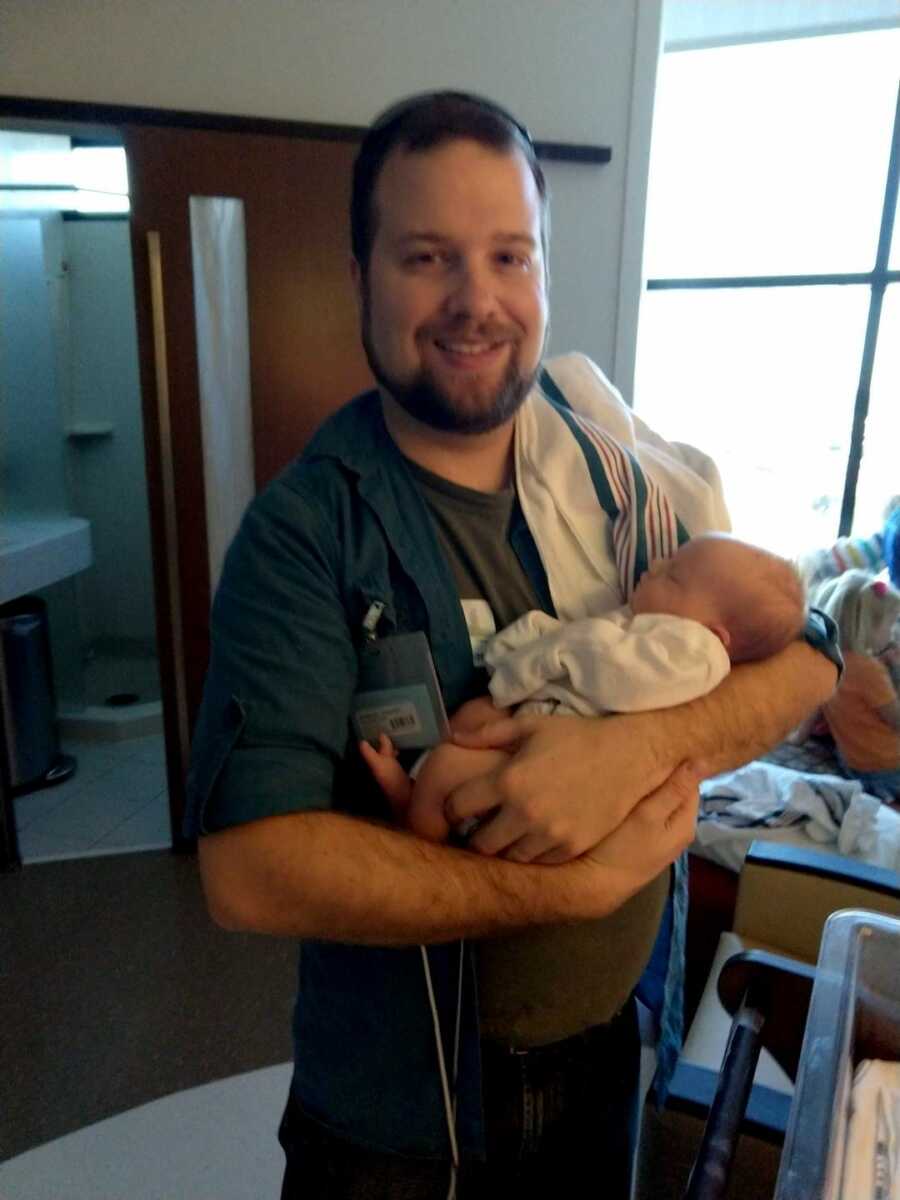
Paul had not yet seen Troy.
Bethany feared the baby might die before his new father even had a chance to meet him, and she wanted to make sure there would at least be a picture of Troy alive.
For a long time afterward, she could barely look at that photograph without crying.
Fortunately, Troy responded to treatment.
His breathing and appearance improved, although maintaining his oxygen level remained difficult.
He ultimately spent 10 days in the NICU.
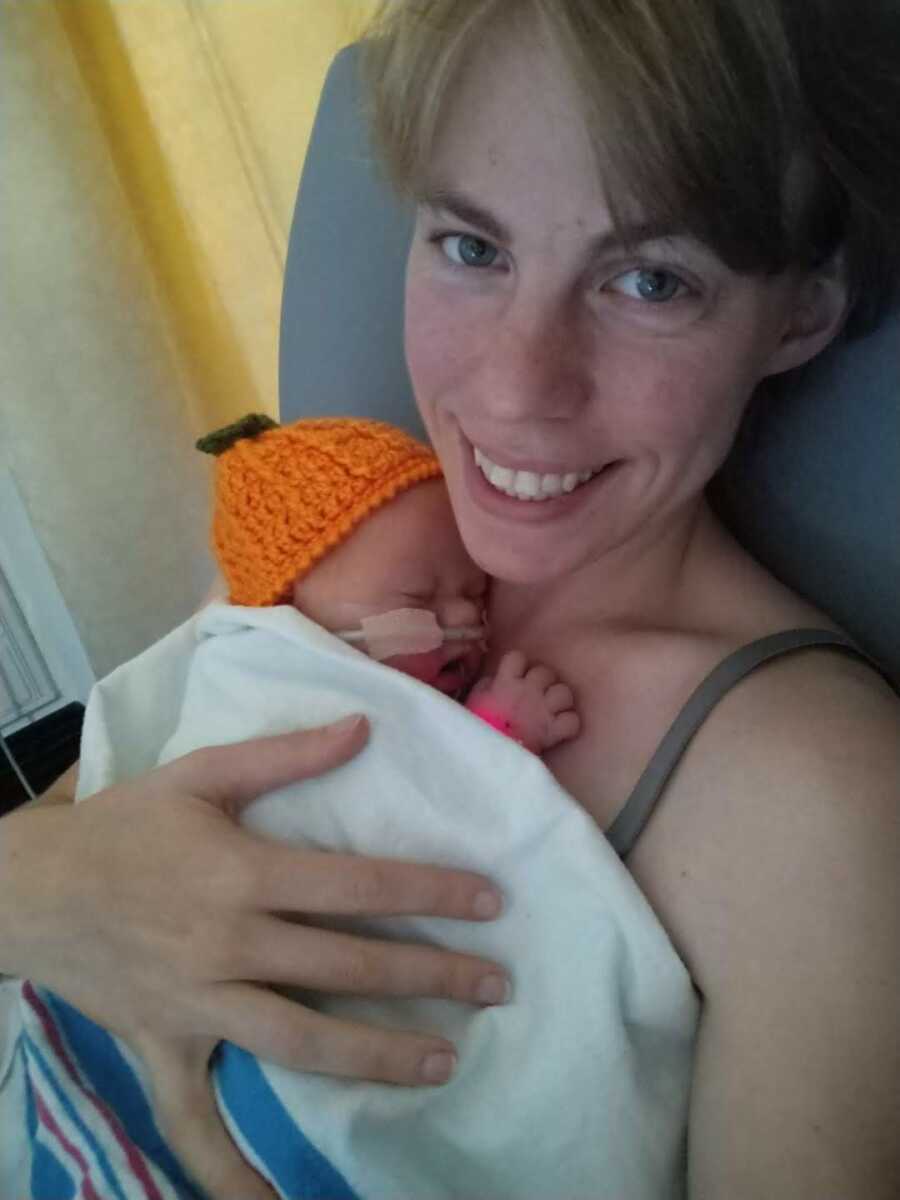
Once Troy moved into a private NICU room, Bethany remained with him for much of the time.
His birth mother pumped breast milk and visited almost every day.
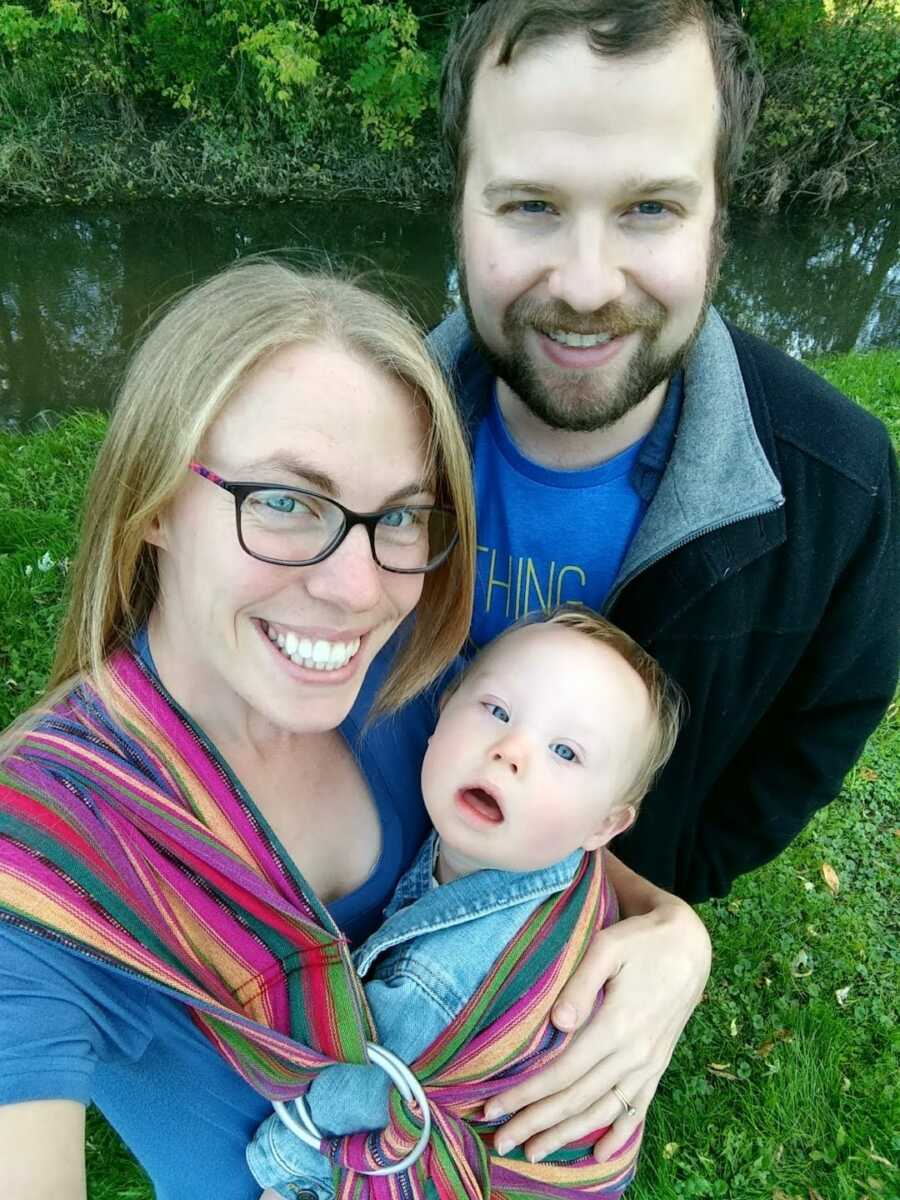
Bethany held Troy, learned his signals and gradually began experiencing the reality she had imagined for months.
She was his mother.
Five Children Under 9 Finally Flew Home Together
Getting out of the hospital did not mean simply boarding the next flight.
Troy still required oxygen.
The family needed approval to fly, had to arrange medical equipment across state lines and had to learn how to operate everything safely.
Eventually, they were cleared.
Bethany, Paul and their five children headed home to Wisconsin.
The trip was chaotic.
But Bethany came away from the NICU experience and journey home with a new understanding of herself.
She had once wondered whether she could handle a child with significant needs.
Now she had an answer.
She could handle hard things.
Troy Changed the Way His Family Saw Disability
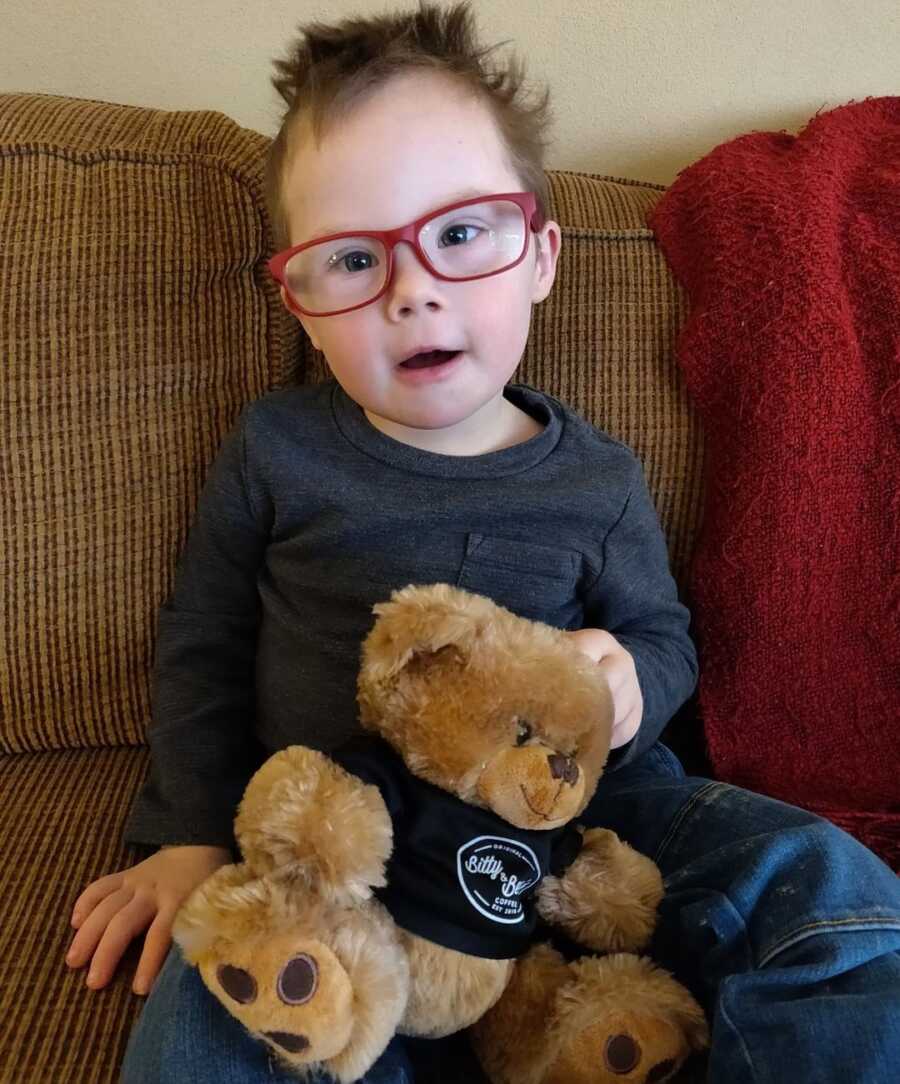
By the time Bethany shared their story, Troy was approaching his fourth birthday.
She described him as affectionate, funny and expressive.
He loved music, ice cream and his family.
Although he used relatively few spoken words, Bethany said he had no difficulty making himself understood.
Developmental milestones sometimes required weeks of determined effort.
That made the moments when he finally mastered something especially meaningful.
Yet Bethany also learned not to measure human worth by how quickly someone reaches a milestone.
Watching Troy changed her understanding of disability itself.
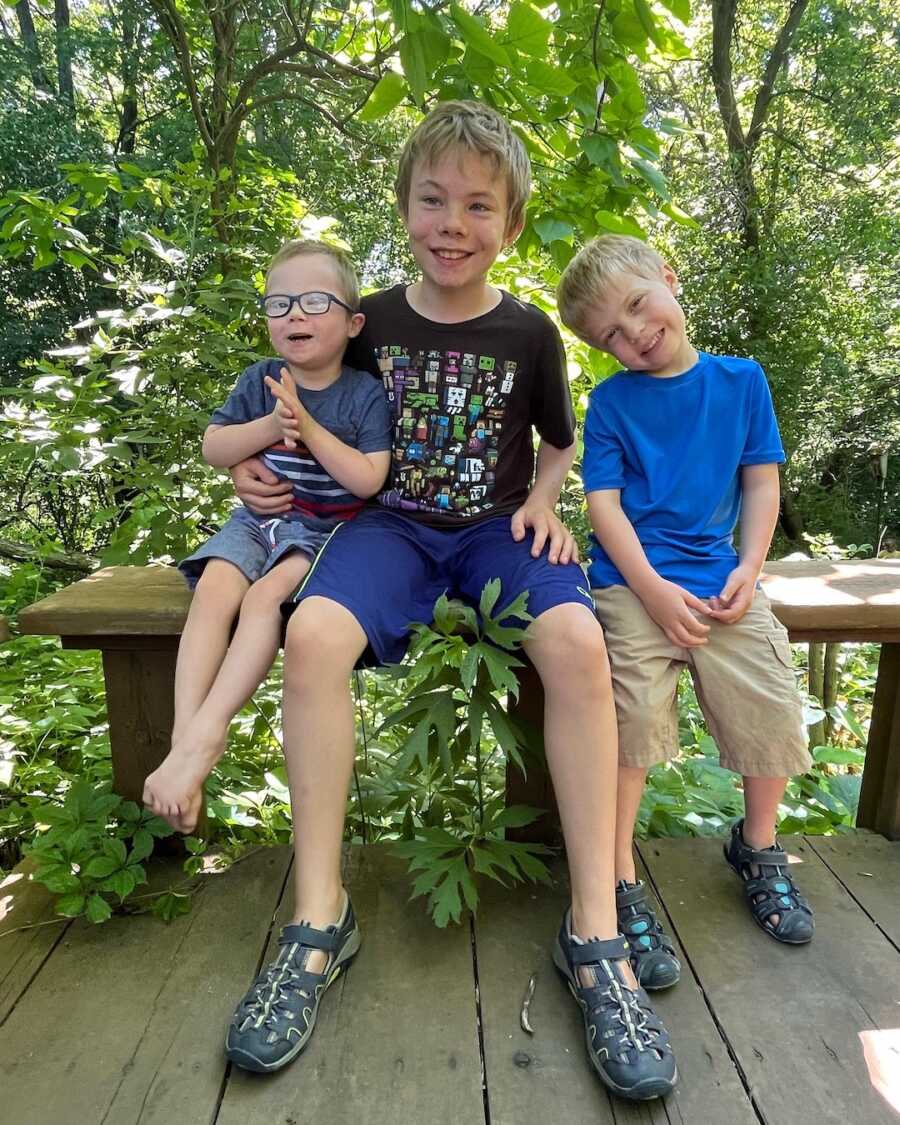
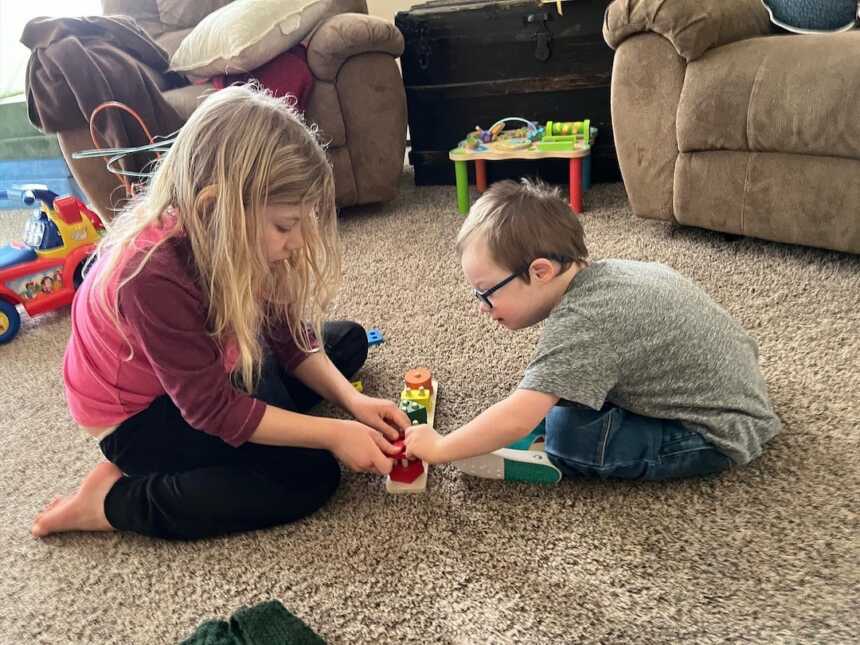
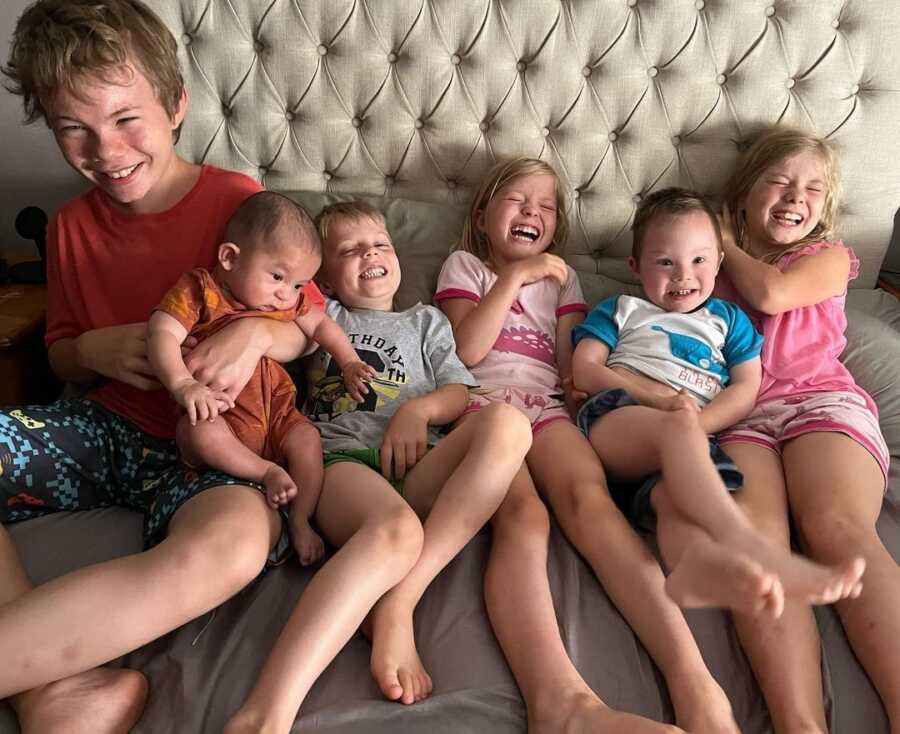
The family eventually adopted again, welcoming Owen, a baby with Koolen-de Vries syndrome. By then, Bethany and Paul were raising six children, with their two youngest sons both joining the family through adoption and both living with disabilities.
Their willingness to say yes a second time was deeply connected to everything Troy had taught them.
Bethany once imagined that parents who raised a child with Down syndrome had to be unusually strong.
Then she became one of those parents and discovered something different.
Troy did not need a superhero.
He needed a family willing to learn who he was.
And the little boy Bethany once feared she might not be prepared to raise ultimately became the person who taught their entire family that disability could change the shape of a life without diminishing its value.