Bill Gates’ Daughter Phoebe Gates Accused of ‘Cookie Stuffing’ at Startup Phia, Reports Say
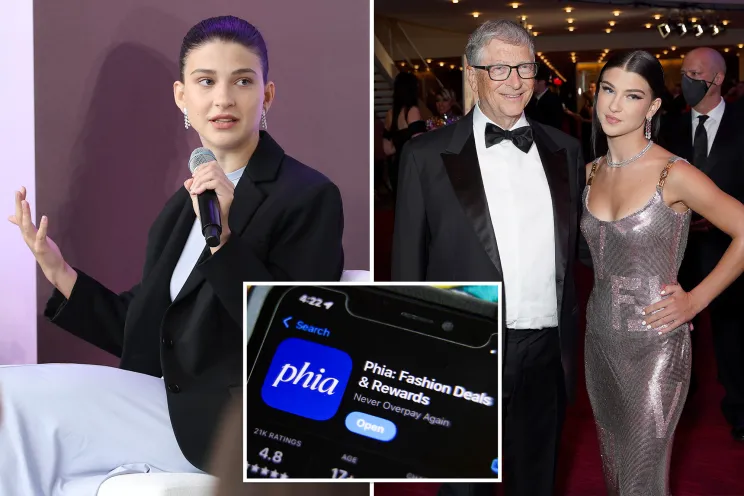
Phoebe Gates, the 23-year-old daughter of Microsoft co-founder Bill Gates, is facing scrutiny over allegations that her shopping-tech startup Phia used software features that may have improperly claimed credit for online sales, according to reports.
The practice, known as “cookie stuffing,” involves placing affiliate tracking cookies on a user’s browser so a company can potentially receive a commission for a purchase—even when its service did not actually drive the sale.
According to Bloomberg, Phia’s founders, Gates and Stanford alum Sophia Kianni, allegedly knew for months that certain features were causing the company to receive credit for transactions that it may not have generated.

Phia initially described the issue as a software problem after reports surfaced in July. The company later said the features responsible for the misattributions were removed on July 7.
A Phia spokesperson told The Post that the company is reviewing transactions, reversing payments involving misattributed sales and hiring a head of compliance.
The allegations have drawn attention because cookie stuffing can potentially constitute wire fraud when conducted intentionally and unlawfully. Attorney Ariel Givner said on X that federal wire fraud carries a possible maximum sentence of up to 20 years in prison, along with fines and restitution. However, that does not mean Gates has been charged with a crime or faces a 20-year sentence.
Phia operates as a digital shopping assistant through a browser extension. The service helps users find discounts and promotional codes from online retailers. When a shopper uses one of Phia’s offers, an affiliate cookie can be placed on the browser, allowing Phia to receive a commission if the purchase qualifies.
Bloomberg reported that some Phia features allegedly placed cookies even when shoppers had not actively used a Phia coupon.
The report cited internal Slack messages and company data that allegedly showed the practice had been occurring since at least December across retailers including Nike, Gap and Nordstrom.
After the features were disabled in July, Phia’s reported average daily revenue fell substantially—from roughly $80,000 to between $10,000 and $28,000, according to Bloomberg. The report also said cookie stuffing accounted for about 51% of the merchandise value Phia claimed credit for in June.
Phia disputed the characterization, saying the July revenue decline was also caused by disabling other monetization features and arguing that Bloomberg’s analysis overstated the impact of the disputed technology.

Internal communications cited by Bloomberg have also placed attention on Gates’ involvement. In one December Slack message, she reportedly questioned why Phia was not generating as much commission from Etsy as expected and asked developers whether the company could ensure cookies were being dropped when the extension appeared.
Another reported discussion involved a proposed feature that would place a tracking cookie when users attempted to close a Phia pop-up. According to Bloomberg, that feature was never ultimately implemented.

Phia has raised significant funding since its launch, including $30 million in 2025, with celebrity and business figures among its backers.
For now, the reports describe allegations and an internal compliance dispute, not criminal charges against Gates or Phia’s founders. Phia says it has removed the problematic features, is reviewing affected transactions and is working to reverse any commissions it received as a result of misattribution.
Source: nypost.com