The Deadliest Animal in Every U.S. State—And Why the Biggest Threat Is Often Not What You Expect
Ask someone to name America’s most dangerous animal, and the answers will probably involve enormous teeth, powerful claws or something waiting beneath dark water.
The reality is far less predictable.
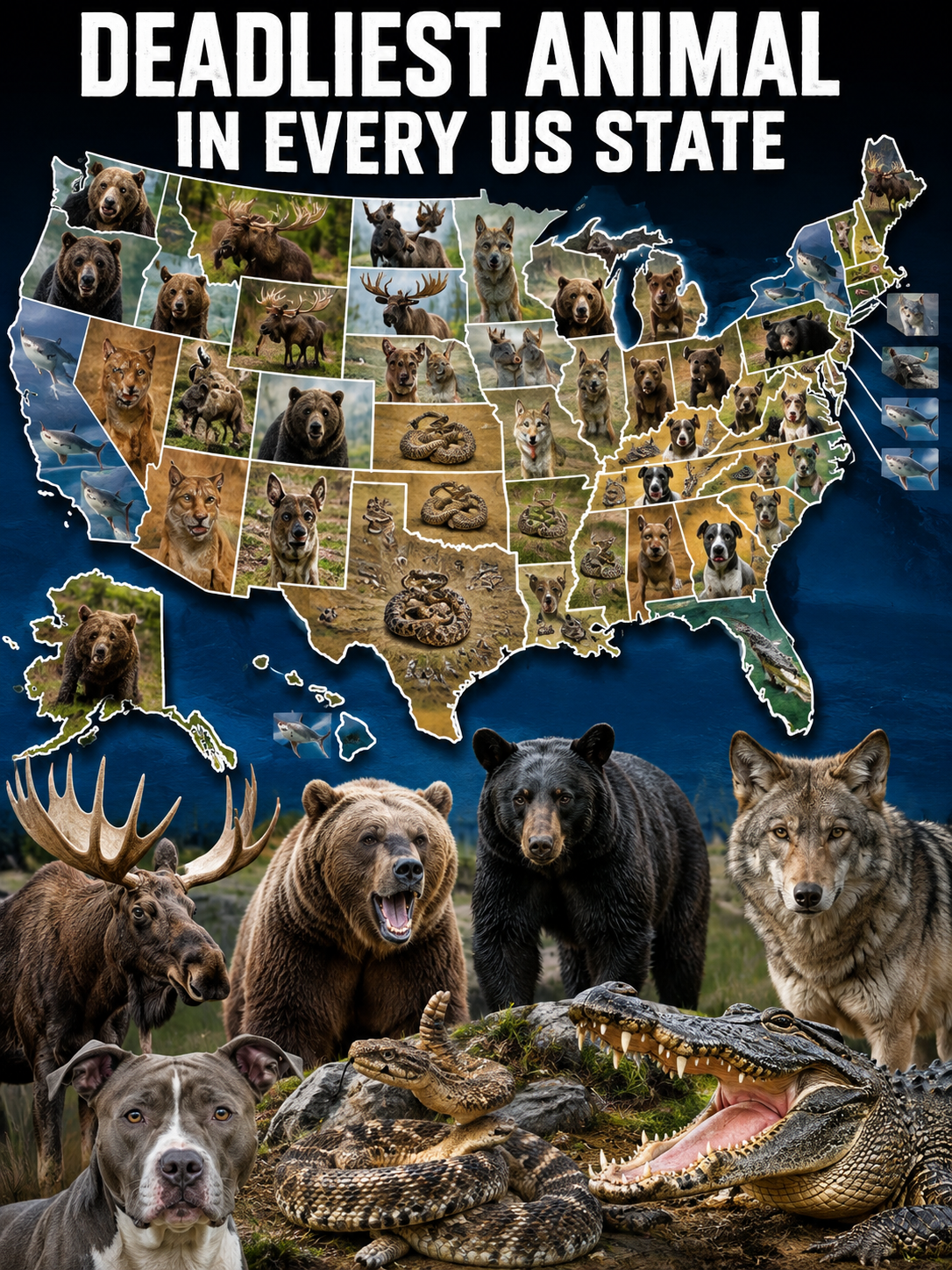
A 2026 state-by-state analysis identifies everything from rattlesnakes and grizzly bears to mosquitoes, deer and domestic dogs as the animals most likely to cause fatal encounters across the United States. The results show that danger changes dramatically depending on where a person lives—and that some of the most familiar animals can pose greater risks than the creatures people fear most.
Snakes dominate the national picture, leading the rankings in 14 states. Bears appear at the top in eight, while deer and other large hoofed animals account for 10 states.
Canines, biting insects and marine creatures also claim significant portions of the map.
Together, the findings create a surprising portrait of wildlife risk in America, where an animal does not need to be enormous, aggressive or exotic to become deadly.
Snakes Lead More States Than Any Other Animal
No category appears more frequently than snakes.
Different regions face different species, reflecting the enormous variety of venomous reptiles found across the country.
In Arizona, the western diamondback rattlesnake ranks as the leading animal threat. Nevada’s top species is the Mojave rattlesnake, while North Dakota is associated with the prairie rattlesnake.
California’s greatest animal danger is listed as the Southern Pacific rattlesnake.
The timber rattlesnake leads in both Connecticut and Kansas, despite the considerable geographical distance between the two states. Michigan’s top-ranked animal is the eastern massasauga, another venomous rattlesnake species.
Smaller snakes also appear prominently.
Georgia’s deadliest animal is identified as the pygmy rattlesnake, while Oklahoma’s is the western pygmy rattlesnake.
Elsewhere, different venomous species take the lead. Mississippi is associated with the cottonmouth, Indiana with the eastern copperhead and South Carolina with the southern copperhead.
Louisiana’s leading threat is listed as the eastern diamondback snake.
Even Hawaii joins the snake category, though its top species is found at sea rather than on land. The yellow-bellied sea snake ranks as the state’s deadliest animal.
Altogether, snakes top the list in more states than any other animal group.
Bears Dominate Parts of the North and West
Bears occupy another major section of the map, although the species varies by region.
Grizzly bears rank first in Idaho, Montana and Washington—three states known for vast wilderness areas where people and large predators can cross paths.
Black bears lead elsewhere.
Tennessee and Wisconsin list black bears as their deadliest animals. Kentucky and Massachusetts are associated specifically with the American black bear, while Oregon’s top threat is identified as the North American black bear.
The rankings highlight an important reality about bear encounters: risk is not limited to the most remote parts of the country.
Massachusetts is rarely imagined alongside Montana when people discuss dangerous wildlife, yet both states have bears at the top of their respective lists.
The animals involved may differ in size and behavior, but each can become dangerous when surprised, threatened or drawn into areas where people live and recreate.
Moose, Bison and Deer Create a Different Kind of Danger
Not every deadly animal hunts, bites or injects venom.
Large hoofed mammals appear across 10 states, demonstrating that size, speed and collisions can create their own fatal risks.
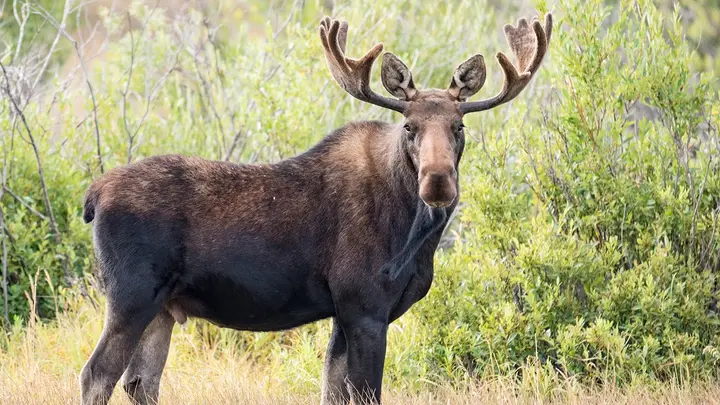
Moose rank first in Colorado, Maine, New Hampshire and Vermont.
The enormous animals can look calm from a distance, but they are powerful, fast and capable of becoming aggressive when disturbed. Their size also makes encounters on roads especially hazardous.
Bison lead in South Dakota and Wyoming.
Like moose, they may appear slow or passive until someone approaches too closely. Their strength allows them to cover ground quickly and overpower a person within seconds.
The most surprising member of this category may be the whitetail deer.
Deer rank as the deadliest animals in Arkansas, Ohio, Pennsylvania and West Virginia. Their inclusion is a reminder that familiar wildlife can become lethal through vehicle collisions and unexpected encounters, even though the animals are rarely viewed with the fear associated with bears or snakes.
A deer standing beside a highway may ultimately pose a more realistic threat to many Americans than a predator hidden deep in the wilderness.
Florida and Texas Share an Alligator Threat
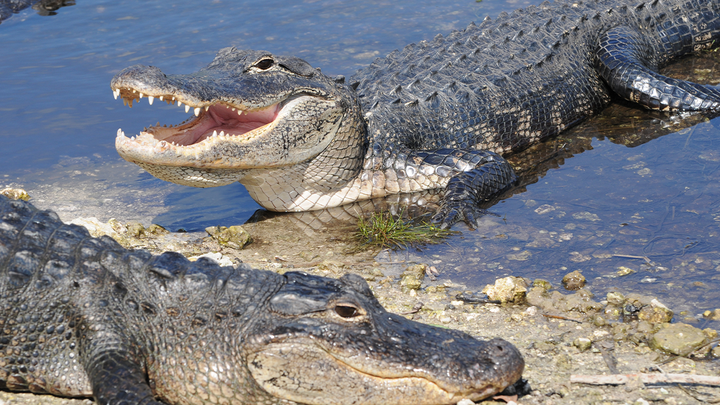
Alligators lead the rankings in Florida and Texas.
Florida’s top animal is identified specifically as the American alligator, an iconic resident of the state’s lakes, ponds, canals and wetlands.
These reptiles often live close to homes, parks and recreational areas, making awareness especially important near freshwater.
Unlike many animals on the list, an alligator can remain nearly invisible while waiting at the water’s edge. Its eyes and snout may be the only parts visible above the surface.
Texas also lists alligators as its leading animal threat, showing that the danger extends beyond the state most famously associated with them.
Though fatal attacks remain unusual, encounters can become devastating when people or pets move too close to the shoreline.
Sharks and Stinging Creatures Rule Several Coasts
Five states are led by marine hazards.
Rhode Island’s deadliest animal is listed as the tiger shark, while the bull shark ranks first in both Maryland and Virginia.
Bull sharks are particularly notable because they can tolerate different water conditions and may move into areas closer to shore.
Delaware and North Carolina share a more unusual threat: the Portuguese man o’ war.
Often mistaken for a jellyfish, the creature has long tentacles capable of delivering intensely painful stings. Those stings more commonly cause welts and skin irritation, but they can become deadly in rare circumstances.
The coastal rankings show that the greatest danger does not always come from the largest animal in the water.
A nearly transparent tentacle may be much harder to notice than a shark fin, yet contact can still produce a medical emergency.
Insects and Spiders Lead Five States
Some of the smallest animals occupy the top position in their states.
Wasps rank first in Iowa, while ticks lead in Missouri.
New York’s deadliest animal is the mosquito, a creature so ordinary that most people react to it with irritation rather than fear.
Yet mosquitoes and ticks can transmit serious diseases, while wasp stings may trigger fatal allergic reactions.
Black widow spiders top the rankings in Alabama and Nebraska.
The spider’s dark body and distinctive red marking have long made it one of America’s most recognizable venomous creatures. Although it is far smaller than a bear, moose or alligator, its bite gives it a place alongside those animals on the national map.
Collectively, biting and stinging arthropods lead five states—the same number as marine hazards.
Dogs Top the List in Alaska
One of the report’s most unexpected findings comes from Alaska.
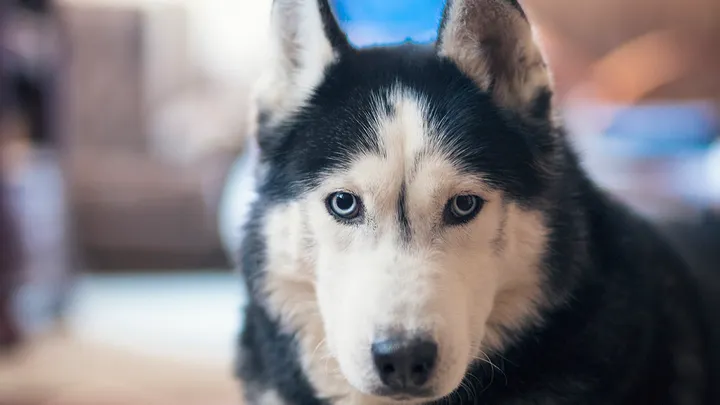
Despite the state’s bears, moose and other formidable wildlife, dogs rank as its deadliest animal.
The result challenges the assumption that danger must come from an untamed creature. Domestic animals live close to people, increasing the opportunity for harmful encounters.
Coyotes lead in four other states: Illinois, Minnesota, New Jersey and Utah.
Together, dogs and coyotes make canines the top threat in five states.
New Mexico is the only state led by the mountain lion, another predator capable of moving quietly through wilderness and areas near human development.
America’s Wildlife Risks Change at Every Border
The map does not reveal one animal Americans should fear above all others.
Instead, it shows how geography reshapes danger.
A resident of Maine faces a different leading threat than someone in Florida. California’s rattlesnake risk bears little resemblance to New York’s mosquito problem, while Alaska’s result overturns nearly every stereotype about the state’s wildlife.
The broader lesson is that the most dramatic animal is not always the most dangerous one.
Sharks, bears and alligators command attention because their attacks are frightening and visually powerful. But the rankings also elevate animals people see regularly: dogs in neighborhoods, deer beside roads and mosquitoes hovering in backyards.
Snakes remain the largest category, leading 14 states. Bears follow in eight, while hoofed mammals lead 10. Canines, arthropods and marine animals each account for five states.
Those numbers reveal a country filled with sharply different environments—and equally different forms of risk.
America’s deadliest animals can swim beneath coastal waters, hide among dry rocks, wander across highways or live only a few houses away.
The danger may have fangs, antlers or tentacles.
Sometimes, however, it arrives with wings so small that people barely notice it is there.