At 76, Christine Found Family and Understood the Mother Who Left Her
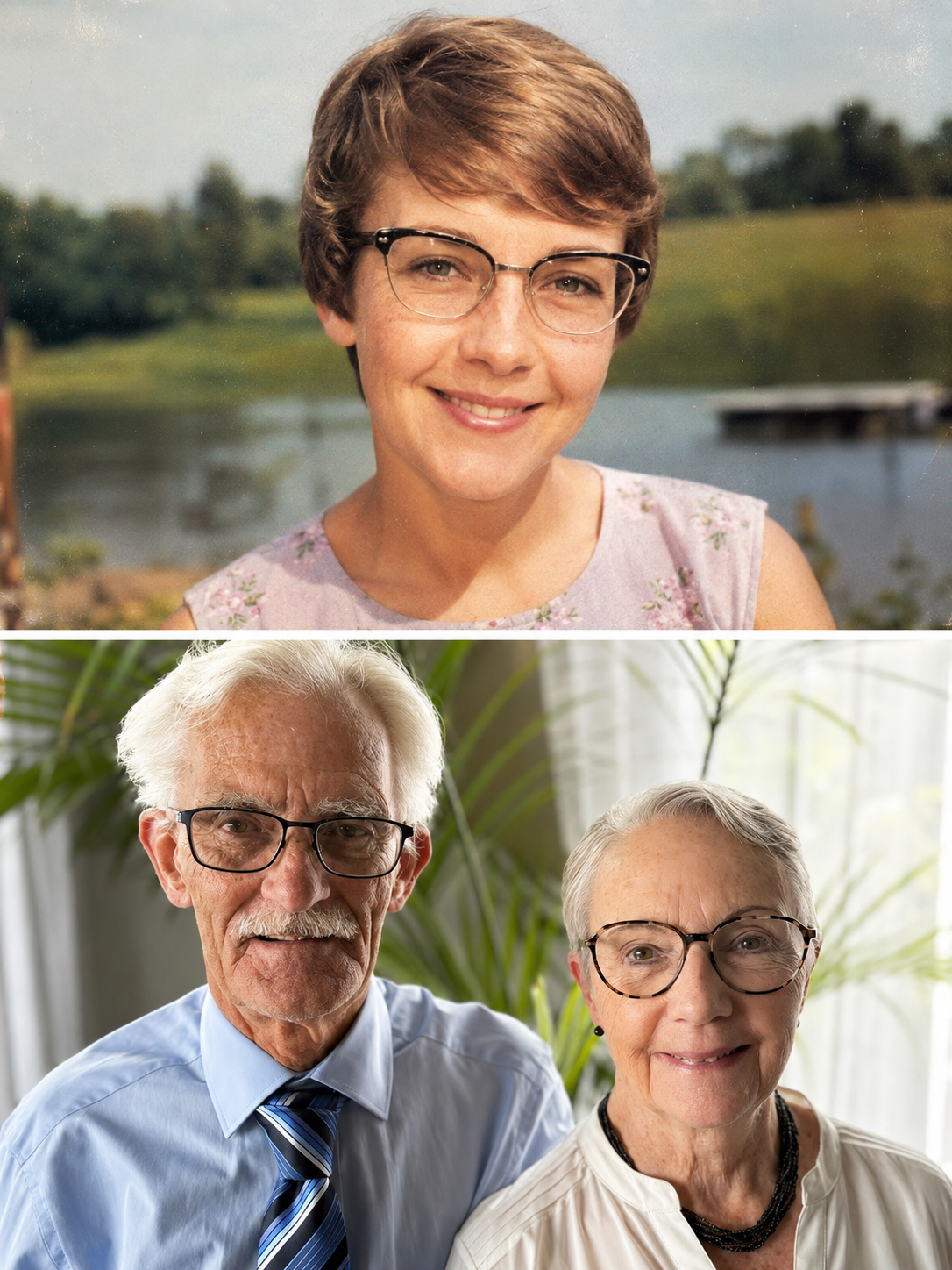
On the night of Dec. 12, 1949, a train porter walked through a carriage at London’s Waterloo Station and found a baby who appeared to be about 5 weeks old.
The little girl was alone.
Yet one detail stayed with Christine decades later: whoever had left her had chosen a warm train carriage, a place where someone was almost certain to come along.
“Whoever did leave me obviously cared,” Christine would say more than 75 years later.
Christine, now 76, was adopted by the Rawlings family after police failed to identify her birth parents. She grew up, married, became a mother herself and spent much of her adult life with the same unanswered question: who had left her on that train, and why?
Becoming a Mother Changed the Question
Christine eventually moved to New Zealand with her husband, Graham, and they raised two sons there.
Having children made the mystery of her own beginning harder to leave alone. She could now look at a baby from the other side of parenthood and imagine the decision someone had made in 1949.
“When you have your own children, it does make you think about yourself, about why was I left?” she said on ITV’s Long Lost Family: Born Without Trace.
One question bothered her in particular. Why had her birth mother abandoned her rather than arranging an adoption?
Christine didn’t have an answer.
When the family returned to the U.K. in her early 40s, she began searching. Her birth certificate offered almost nothing: both her mother and father were listed as “Unknown.” Old newspaper stories gave her details about being found at Waterloo, but not the names she wanted.
Years passed.
Eventually, DNA testing and the ITV program gave Christine something she had never had before: a path into the family she came from.
A Brother Had Been Searching Too
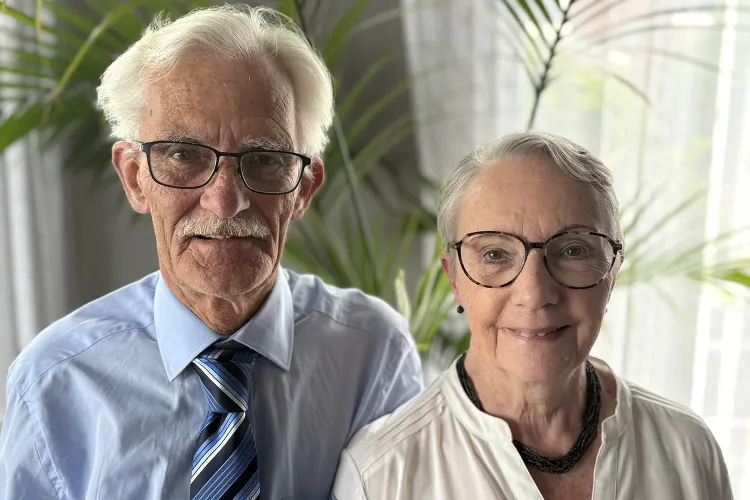
The search uncovered a maternal half-brother named Barry.
He was only one year older than Christine, yet neither sibling had known the other existed. Barry had his own difficult childhood and his own questions about their mother.
He had been fostered and grew up believing the adults raising him were his biological parents. When he misbehaved, he recalled being shut in a dark cupboard under the stairs for hours. Only as a teenager did he learn that his birth mother had left him at a hospital.
Barry later obtained a birth certificate that finally gave him her name: Joyce Norma Brockwell.
He had long wondered whether there were other children.
Then host Nicky Campbell showed him Christine’s photograph.
“Oh, my goodness,” Barry said. “She’s gorgeous. Big smile she’s got.”
Days later, brother and sister met in person.
For both of them, it was the first time they had met a biological family member other than their own children. They sat together looking through photographs of Joyce and discovered that they had even been born in the same hospital.
Christine also learned the identity of her father. His name was Oswald, a Scottish merchant seaman who moved to the United States during the 1950s.
But learning names did not answer every question.
There was still the woman who had given birth to Christine and, weeks later, left her inside a train carriage.
At 19, Christine Faced Her Own Impossible Choice
By then, Christine had a reason for looking at Joyce’s decision differently.
When Christine was 19, she became a mother for the first time.
She placed that baby boy for adoption.
It was a decision she later regretted.
The girl who had once grown up wondering why her own mother had given her away had reached adulthood and found herself making a choice that separated her from her own child.
That experience became part of the compassion Christine now feels toward the parents she never knew, according to PEOPLE’s account of her story.
For most of her life, she had been able to view December 1949 only from the position of the infant left behind.
At 19, she learned something about the other side.
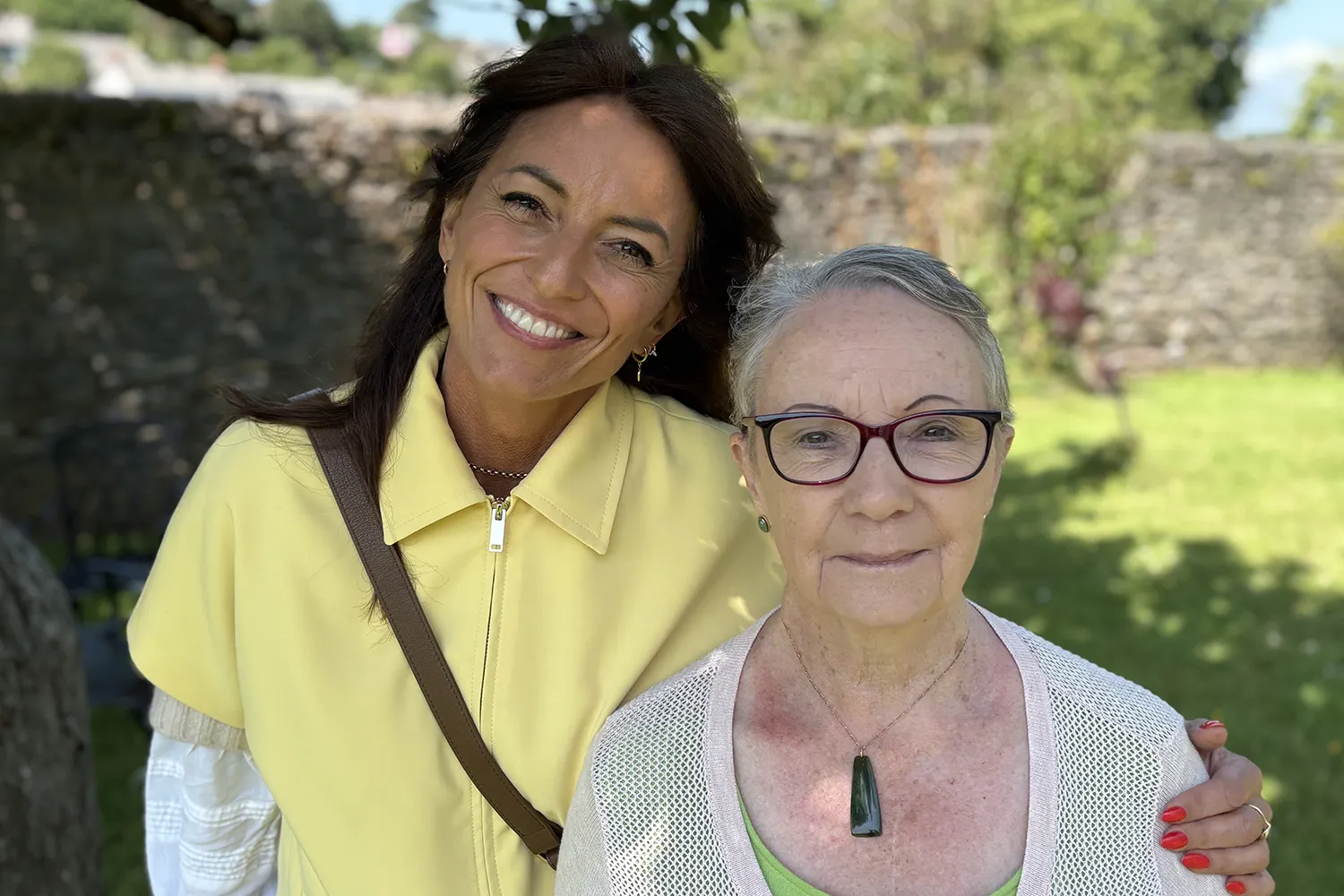
Christine’s own separation did not last forever. Three years ago, her firstborn son, Jonathan, entered his DNA into a public database. Mother and son were reunited, and Christine said they now have a good relationship.
The reunion gave her something Joyce never lived to have with her.
At 76, She Could Finally See Where She Came From
Christine’s search could not give her a conversation with her birth mother.
It did give her Barry.
Meeting him meant sitting beside someone who shared the missing half of her family history, someone who had also grown up without Joyce and had spent years wondering what other relatives might be out there.
Together, they looked at photographs of the mother neither had grown up knowing.
For Christine, the pictures and Barry’s face answered a question so basic that many people never need to ask it.
She could finally see where her own features came from.
“The children look like me,” Christine said, “but I look like somebody else.”
More than 75 years after a porter found her in a warm carriage at Waterloo Station, Christine could place her face beside Barry’s and the photographs of Joyce and Oswald.
“I now know who I look like,” she said.