Christopher Nolan Gave Away The Prestige’s Biggest Secret Early — One Child’s Question Was the Clue
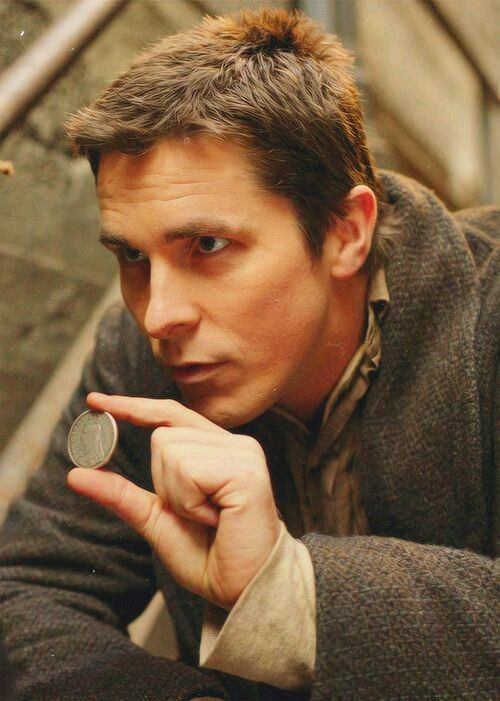
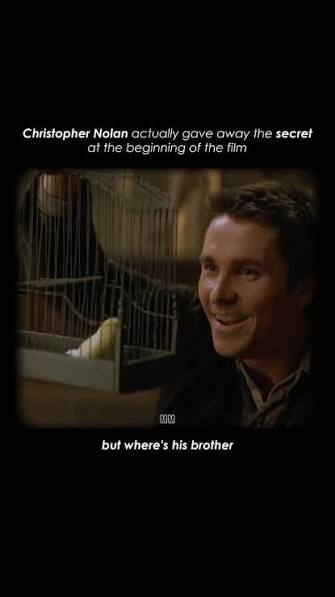
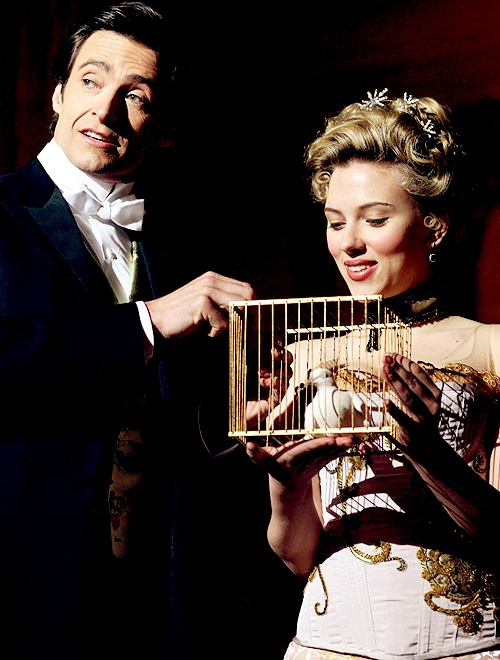
A child watches a magician make a bird disappear.
To the adults around him, the important part is that another bird appears alive. The trick has worked. The audience has been given the comforting image it expects.
But the boy notices something else.
“But where’s his brother?”
It sounds like an innocent question. In Christopher Nolan’s The Prestige, however, those four words quietly point toward one of the movie’s biggest secrets long before the story finally explains it. The moment is so direct that, once the ending is known, it becomes difficult to believe the clue was sitting there all along.
That is what makes the foreshadowing so effective. Nolan does not necessarily conceal the truth. He lets the audience see it, then relies on distraction to make sure most viewers do not understand what they have seen.
The Bird Trick Is Much More Than a Small Magic Act
The scene initially appears to be demonstrating a simple illusion.
A bird is placed inside a cage. The trick seems to destroy or eliminate it, only for a bird to appear safely afterward. When the child fears the animal has been killed, he is reassured that everything is fine.
He does not accept the explanation.
The boy realizes there was more than one bird.
If the surviving bird is standing in front of him, what happened to the other one?
That question contains the basic logic behind the movie’s larger mystery.
The Prestige repeatedly presents magic not as something supernatural, but as an extreme combination of preparation, misdirection, physical technique, deception and commitment. The illusion looks impossible because the audience is concentrating on the result instead of the machinery and sacrifice required to create it.
The bird scene teaches that principle in miniature.
Something disappears.
Something identical takes its place.
The audience celebrates the one it can see.
Almost nobody asks what happened to the other.
Except the child.
Borden’s Secret Is Sitting Inside That Question
The line becomes far more important once the truth about Alfred Borden is understood.
The apparent single magician at the center of the story is actually built around two brothers sharing one identity. Their commitment allows an apparently impossible illusion to function because the audience assumes it is watching one man.
That assumption is the trick.
The brothers do not merely hire a convenient double for a performance. Their deception depends on a much deeper level of commitment. The illusion reaches into their lives outside the theater, requiring them to preserve the same identity rather than simply perform a stage trick and then walk away from it.
Suddenly, the boy’s question about the birds feels almost impossibly precise.
Where is his brother?
That is essentially the question the audience should be asking about Borden.
But Nolan places it inside an apparently unrelated scene, where viewers are thinking about a small bird trick rather than the identity of the magician standing nearby.
The clue is not hidden.
Its importance is.
Nolan Uses the Audience’s Attention Against Them
That difference is crucial.
A weaker mystery might protect its ending by withholding information. The Prestige often does something more interesting: it gives viewers information before they know what question they are supposed to ask.
On a first viewing, the bird scene is easy to process emotionally.
The child is worried.
An adult reassures him.
The bird appears alive.
The moment ends.
The natural response is to move on.
But the child refuses to follow the audience’s expected reaction. Instead of focusing on the successful appearance of the bird, he thinks about what had to happen behind the illusion.
That makes him, briefly, a better observer than nearly everyone else in the room — including the viewer.
The surviving bird is the distraction.
The missing brother is the secret.
The Movie Keeps Returning to the Price of an Illusion
That small scene also points toward the darker idea underneath the film’s magic.
There may be no supernatural miracle behind what the audience sees. What looks impossible can instead be produced through extraordinary dedication, sleight of hand, misdirection and a willingness to sacrifice far more than an ordinary person would consider reasonable. The source’s description of the film specifically emphasizes obsession, pride and sacrifice as forces capable of pushing illusion to an almost unbelievable level.
That is why the bird matters beyond being a clever clue.
It introduces the cost.
For the spectator, a magic trick lasts only moments. Something disappears, something returns, applause follows and the audience goes home.
For the magician, however, the illusion may demand something much greater.
The performer knows where the hidden mechanism is.
He knows what has been sacrificed.
And he knows that the audience does not really want to think about those things. It wants the impossible image.
The Prestige takes that desire and pushes it into increasingly uncomfortable territory.
The Clue Becomes Obvious Only After You Know the Answer
This is also why the film changes so dramatically on a second viewing.
The first time through, viewers are trying to solve the mystery.
After the secret is known, the experience becomes something else entirely. Instead of asking what the answer is, viewers begin noticing how often the movie was pointing toward it.
The bird scene suddenly stops feeling incidental.
The child is no longer simply reacting to a magic trick. His question becomes almost a direct challenge to the audience.
You saw one bird disappear and another appear.
Why did you assume they were the same bird?
You see one magician.
Why are you so certain there is only one man?
The technique works because viewers naturally accept identity through appearance. If two things look identical and are presented at different moments, the mind can connect them as one continuous object or person.
A magician can exploit that assumption.
So can a filmmaker.
The Real Trick Was Making the Audience Ignore the Truth
The most impressive part of the foreshadowing is not that Nolan planted an obscure clue somewhere in the background.
He did almost the opposite.
The movie places the clue in dialogue and lets a child say the essential question out loud. The truth arrives early, clearly enough to be understood — just not in the context that would reveal what it means.
That is a fitting method for a movie about illusion.
A magician does not always succeed by hiding everything.
Sometimes he succeeds by showing the audience exactly what is happening while directing its attention somewhere else.
The bird survives, so everyone relaxes.
The trick is over.
Except the boy is still thinking.
“But where’s his brother?”
By the time The Prestige finally provides the answer on a much larger scale, Nolan has already asked the question for us.
We simply weren’t watching closely enough.